There is no one-size-fits-all answer when it comes to postpartum recovery, as different parts of the body heal at different rates. The acute healing of the uterus and incisions typically occurs within the postpartum period (approximately 42 days), while the recovery of the pelvic floor, abdomen, and skin takes several months.
If you’re wondering, “Will I be all better once my Confinement recovery period is over?” this article is here to put your mind at ease: 42 days is a reasonable benchmark, but it’s not the finish line. Below, we’ll break things down by body part and explain when it’s worth seeking professional help.
How Long Does It Take to Recover After Childbirth? Follow a Mom Who Had a Natural Birth to See the Order in Which Different Parts of the Body Heal
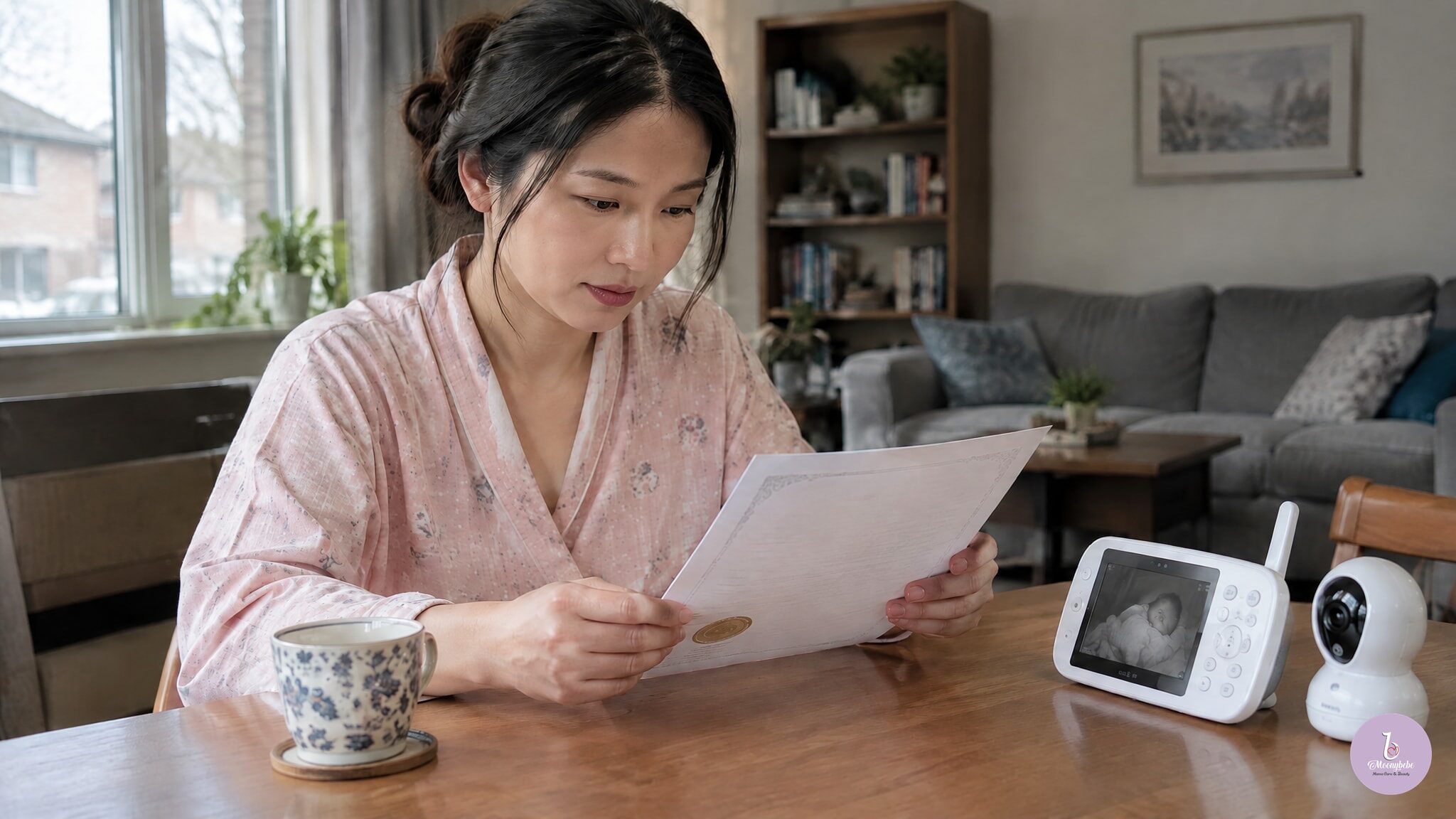
To make the timeline more concrete, let’s imagine a first-time mother who had a vaginal delivery with an episiotomy—let’s call her Xiao Ya for now. Xiao Ya is a fictional character created for editorial purposes; she is not a real patient or client testimonial, but is used solely to illustrate how different parts of the body progress through the postpartum recovery process step by step.
The postpartum recovery period can be divided into three stages: the initial observation period, the postpartum period, and the period following the postpartum period. Each stage has different priorities.
First Stage: The Initial Observation Period. After giving birth, Xiaoya remained at the medical facility, where healthcare providers monitored her heart rate, blood oxygen levels, and blood pressure every 15 to 20 minutes, while also checking the firmness of her uterus. During this time, her body temperature rose to about 37°C to 37.5°C, which made her a little anxious.This is a common change that occurs when inflammatory tissue remains in the body after childbirth; in most cases, it will gradually return to normal. However, if a fever actually develops, you should inform the medical staff immediately.
Wound care also begins to differ at this point. Mothers who have had a vaginal delivery may take a bath 24 hours after giving birth, which helps the perineal wound heal; for those who have had a cesarean section, they must wait 24 hours before having the dressing changed and undergoing further wound cleaning.Although it is the “first day postpartum” for both, the care schedules for vaginal delivery and cesarean section differ. You can check directly with the medical staff to confirm which category you fall into.
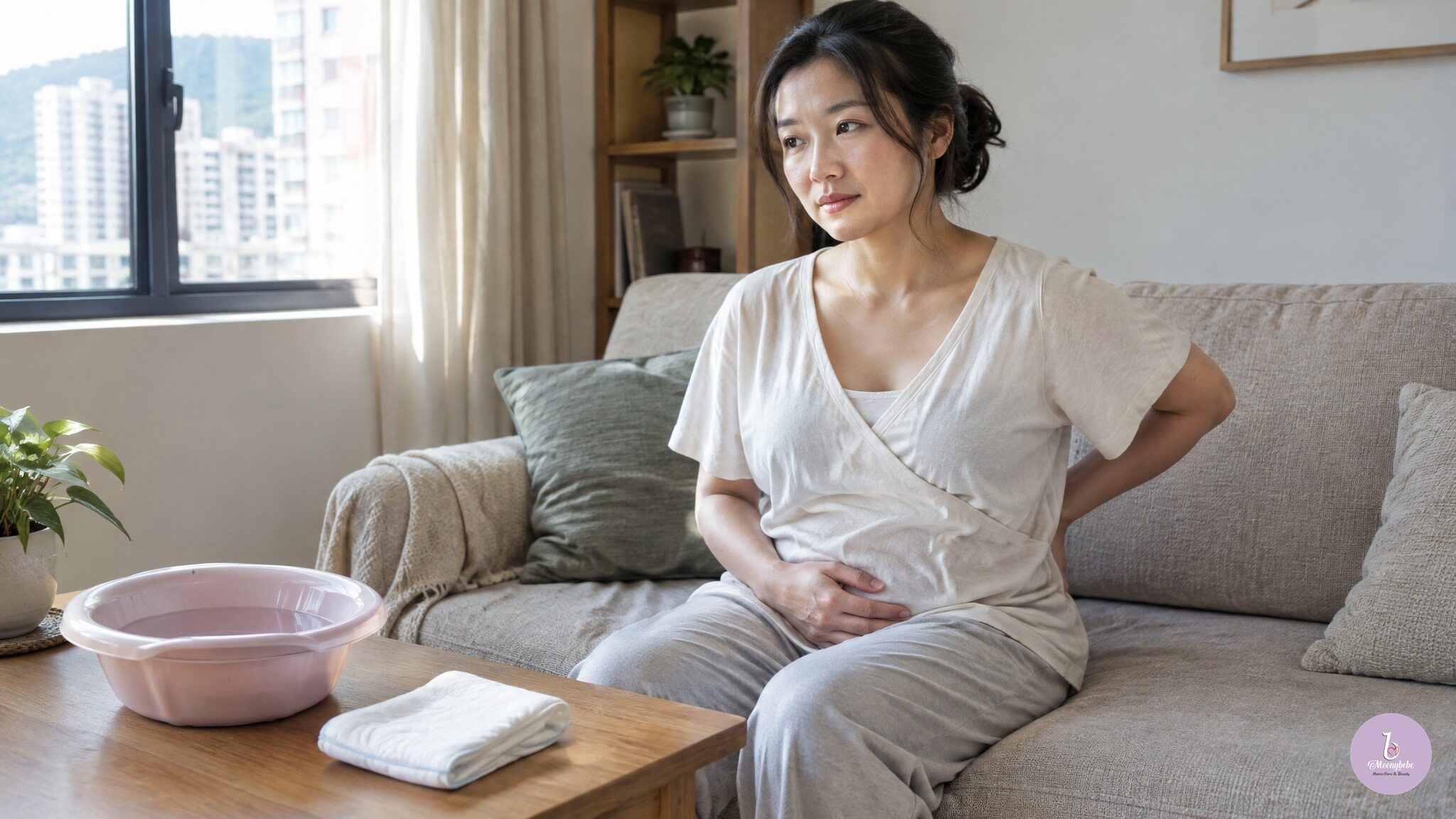
Second Stage: The postpartum period (approximately 42 days). During this time, Xiaoya’s uterus gradually contracts, lochia slowly decreases, and the perineal wound gradually heals.Although she looks better day by day, her abdomen and pelvic floor are still loose, and activities such as holding the baby, breastfeeding, standing up, and squatting place extra strain on her body every day; her skin is also still adjusting to the changes brought on by pregnancy.
When you look at the three stages side by side, the differences become very clear:
| Site | Initial Observation Period | During the postpartum period (approximately 42 days) | After the postpartum period |
|---|---|---|---|
| Uterus | Medical staff monitor firmness | Gradually contracting; lochia gradually decreasing | Subject to the results of medical examinations |
| Perineum or surgical incision | Care begins based on whether the delivery was vaginal or cesarean | Gradual healing | Continue to monitor for any abnormalities |
| Pelvic floor | Has just been stretched | Still loose and under significant strain | It takes months to gradually return to a supportive state |
| Abdomen | Still undergoing changes | Still loose | Over the course of a month, the condition of the midline will be assessed by medical staff |
| Skin | Still adapting | Still adapting | Long-term changes vary from person to person |
This chart illustrates just one thing: by the time Xiaoya’s uterus is nearly ready, her pelvic floor and abdomen are only just beginning to develop. These different parts cannot substitute for one another, nor can they be generalized using the same number of days.
After the postpartum period, recovery of the pelvis and abdomen takes several months.
When the 42-day mark arrived, Xiaoya went back for a follow-up exam, and the medical staff told her that her uterus and incision had healed well. She naturally assumed she was “in the clear,” but the recovery process for her pelvis and abdomen had actually only just entered the second half.
The pelvic floor is like a hammock. It is gradually stretched during pregnancy and undergoes maximum tension during childbirth; it takes time to return to a stable, supportive state—a process measured in months, not days.
The same principle applies to the abdomen. During pregnancy, the rectus abdominis muscles are stretched outward on both sides. Whether there is still a sensation of looseness or separation along the midline of the abdomen after childbirth must be assessed by a healthcare professional; it is not advisable to self-examine or make a judgment based on images found online.
Changes in the skin occur most slowly and vary the most from person to person. The restoration of skin elasticity and the fading of stretch marks are long-term processes, and no one can predict the exact timeline for you.
To be honest, this article can’t tell you “exactly which week you’ll make a full recovery,” because that timeline means something different for every mother. One thing is certain: the end of the postpartum period doesn’t mean you’re completely back to normal.
How Soon After Childbirth Can You Exercise? The Recovery Process Should Be Gradual
If you’re wondering how soon after childbirth you can start exercising, the answer depends on the results of your medical checkup after the postpartum recovery period ends. Once your healthcare provider gives the go-ahead, start with light activity and gradually increase the intensity. The goal isn’t to rush things, but to give each part of your body time to adjust.
Take Xiaoya as an example: after her follow-up appointment to check on her condition, she started by walking slowly around the house and doing simple stretches. She didn’t rush to return to her pre-pregnancy exercise routine because her pelvic floor and abdomen were still adjusting; increasing the workload too quickly could actually make her feel uncomfortable.
The key to so-called “accelerated recovery” is actually not skipping any stages and following the basic care guidelines: getting enough rest, staying hydrated, and eating light meals. These may sound ordinary, but they form the foundation of the entire postpartum recovery process.
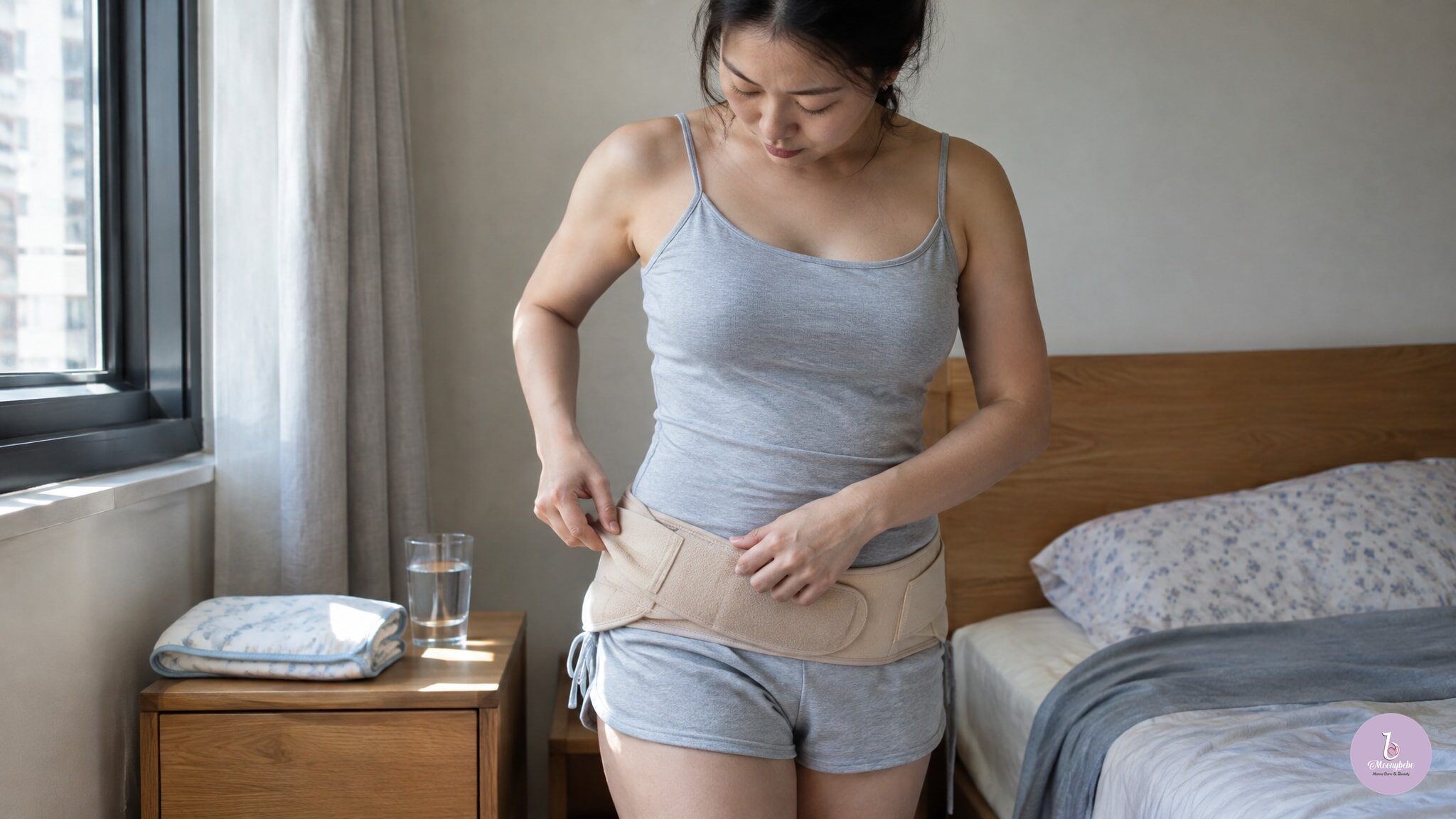
If you’re familiar with traditional postpartum confinement practices, you might think of abdominal binders or pelvic belts. While these can provide support in terms of comfort and posture, they do not shorten the recovery time, nor can they replace a gradual return to activity.To understand the differences in how these two types of support work, you can check out a comparison of traditional abdominal binders and modern shapewear; if you have questions about the effectiveness and limitations of pelvic belts, you can read what professional therapists have to say about postpartum pelvic belts.
This is the right order for exercising: first, check your condition; then, do some light exercise; and finally, gradually increase the intensity.
When Should You Seek Professional Help? Treatment Plans for the Pelvis, Abdomen, and Skin
During your recovery, there are certain symptoms you shouldn’t try to tough out on your own; please discuss them with your healthcare provider first:
- Fever
- Redness and swelling at the wound site, or the presence of abnormal discharge
- Pain or difficulty urinating
- Massive bleeding
- Persistent pelvic or lower abdominal pain
- Urinary Incontinence
These conditions require an initial evaluation by a healthcare professional before proceeding with any treatment. Professional treatments are supplementary options following an evaluation; they do not replace medical judgment, and results may vary from person to person.
After a healthcare professional has assessed your physical condition, you can explore the three approaches—pelvic, abdominal, and skin—to see which one works best for you.
Pelvis. If you continue to experience pelvic-related issues after the postpartum period, pelvic restoration therapy—following an evaluation by a therapist—is an option to help restore stability to the pelvic area. This therapy is only a supplement; the pace of progress will be adjusted based on your physical condition, so there’s no need to compare yourself to others.
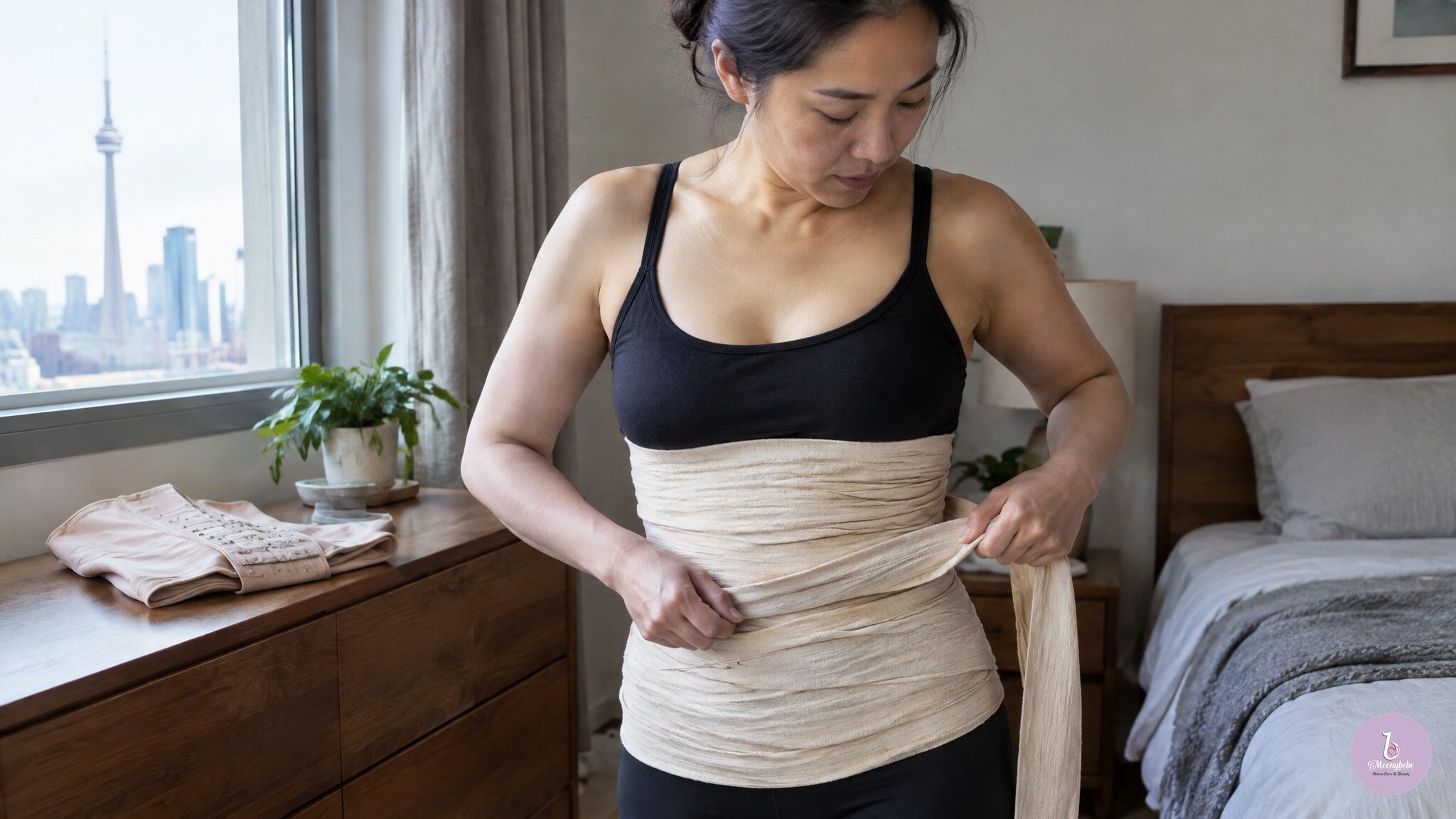
Abdomen. Traditional abdominal binding is performed at home by an experienced therapist, providing comfortable support for your daily posture and abdominal stability. If you’d like to learn more about the process and what to prepare, read our complete guide to safe belly binding at home—so you don’t have to worry about leaving the house while caring for your baby.
Skin. Skin changes are a long-term process. Postpartum skin restoration treatments address skin conditions during pregnancy and after childbirth; these treatments vary from person to person, and we do not promise quick results.
These treatments are provided by internationally certified registered massage therapists and acupuncturists. You can choose between in-home services or in-studio appointments, with service coverage extending to Toronto, Markham, Richmond Hill, and the Greater Toronto Area.
When choosing a team, you can compare their qualifications, service models, and communication styles. This guide on how to select a postpartum care agency outlines key factors to consider, helping you make a more confident decision.
If you’re unsure which type of assistance is right for your current situation, feel free to schedule a free consultation at any time. We’ll work through it with you—there’s no pressure.
#PostpartumRecovery #PelvicFloor #PostpartumCare #ConfinementPeriod #PostpartumPeriod #PostpartumCareinToronto