


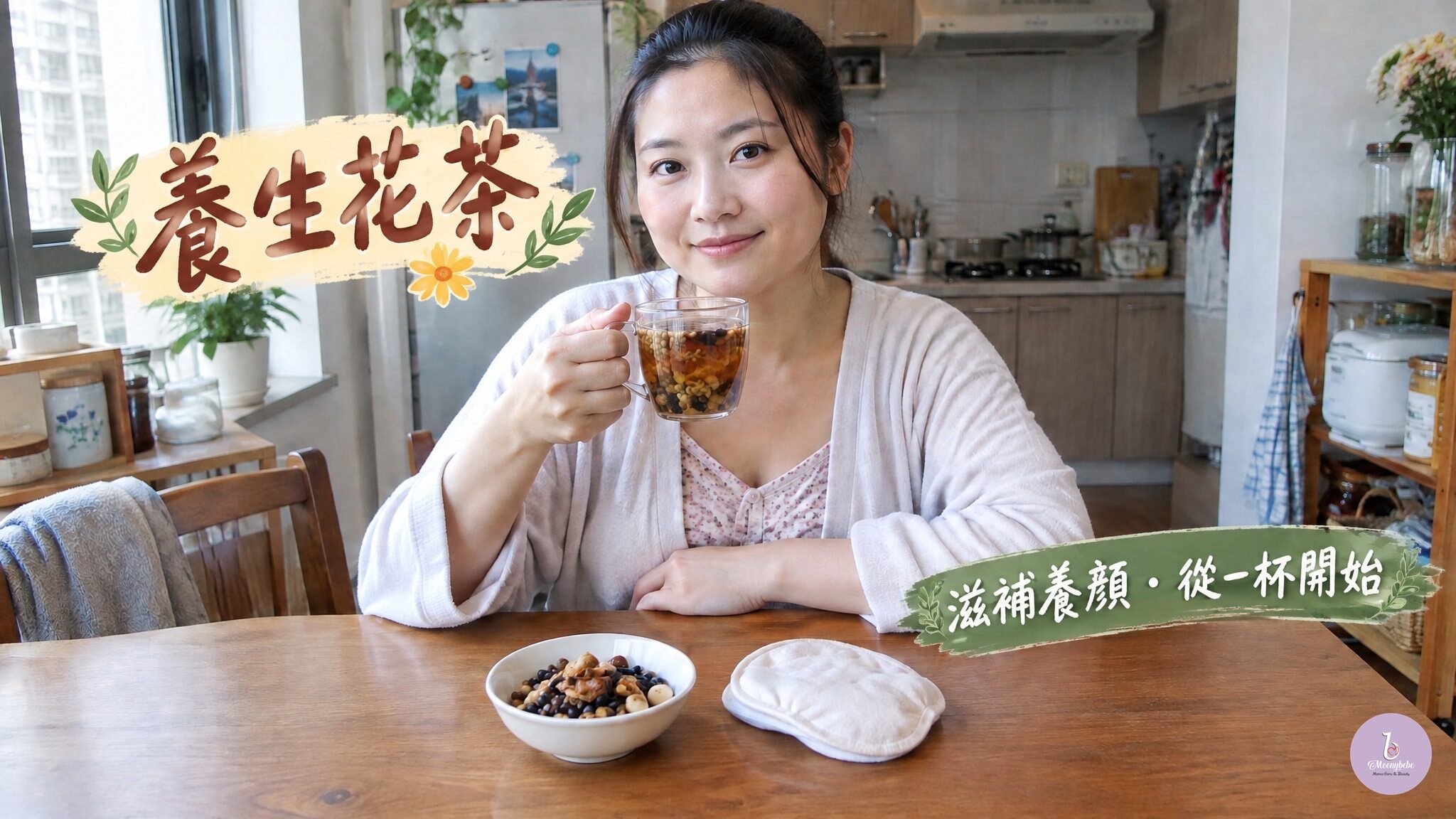
When mothers experience low milk supply after giving birth, many of the first things that come to mind is making a cup of roasted rice tea. Does roasted rice tea help increase milk supply? The answer isn’t a simple yes or no—it depends on the specific situation you’re facing. How Can Roasted Rice Tea Help with Lactation? Tea and Lactation Massage Each Play Their Own Role. In the second week after giving birth, a mother noticed a hard lump in her left breast that was painful to the touch and had slightly reddened skin. Worried that her milk supply was insufficient, she drank several cups of roasted rice tea a day, hoping to make the lump “softened” by drinking it away. This line of thinking is common, but the approach needs adjustment. Fried rice tea is a common herbal tea substitute in the Chinese postpartum confinement tradition. It is often associated with hydration, regulating the spleen and stomach, and promoting milk production; there is nothing wrong with incorporating it as part of daily health maintenance. However, the lump is caused by a localized blockage in the breast’s milk ducts. The general principle of lactation care is that milk supply is primarily regulated by the frequency and efficiency of milk ejection; therefore, the key is to ensure a continuous and smooth flow of milk. Relying solely on increasing fluid intake is unlikely to resolve a localized blockage. Moonybebe’s services are provided by Registered Massage Therapists (RMTs) and internationally certified acupuncturists, and lactation massage is included in our service offerings. From this professional perspective, trained practitioners use gentle techniques to facilitate milk flow rather than applying forceful pressure; for more information, please refer to the guidelines on managing engorgement and milk duct blockages. Some mothers feel that drinking fluids helps, but this is mostly due to increased hydration and the opportunity to finally sit down and rest for a while—the effects vary from person to person. High-quality research on herbal teas is also limited; the claim that “drinking it clears the blockage” should not be taken as fact, and roasted rice tea is not a suitable substitute for expressing milk or massage. Herbal teas are meant to be supplementary; when experiencing a milk blockage, they should be used in conjunction with professional lactation massage. What should you do if your milk supply is insufficient during the postpartum period? First, determine whether the issue is low milk supply or a breast blockage. Low milk supply is often related to insufficient pumping frequency or ineffective suckling, and may also be influenced by fatigue or stress; a breast blockage, on the other hand, is a localized issue characterized by hardness and tenderness in a specific area of the breast—teas cannot replace professional treatment for this condition. The causes and treatment approaches for these two conditions differ, so you should first distinguish between them clearly before deciding which aspect to address. If a breast engorgement persists, when should you seek professional help? Common symptoms of breast engorgement include localized hardness, tenderness, and occasionally slight redness or warmth. If any of the following situations occur, please seek medical attention or consult a lactation consultant as soon as possible; do not rely solely on herbal teas or massage while monitoring the condition yourself: Lumps or redness and swelling persist or spread Fever or chills, which may be related to mastitis Cracked nipples or significant pain during breastfeeding Concerns about your baby’s feeding or weight gain If you’re unsure who to consult, first review the differences between lactation massage and a lactation consultant. When to Drink Milk Tea During the Postpartum Period and Precautions for Breastfeeding Many sources recommend waiting until the early postpartum period has passed and your milk supply has stabilized before starting to drink milk tea. This is based on experience and varies from person to person; you can adjust accordingly based on your physical condition and the advice of healthcare professionals. Moonybebe’s Milk-Boosting Roasted Rice Tea—specifically the 56-pack “Postpartum Milk-Boosting Roasted Rice Tea for New Mothers”—is made by roasting a blend of three-color rice, dried tangerine peel, black beans, longan, Tongcao, goji berries, and black sesame seeds. It is caffeine-free and suitable for breastfeeding mothers as part of their daily health regimen. Simply follow the recommended intake on the packaging; there’s no need to increase the amount in an effort to “boost milk supply faster.” Since the formula contains Chinese herbal ingredients such as Tongcao, mothers who are currently taking medication or have chronic health conditions should consult a doctor or pharmacist first. If you experience any discomfort after consumption, stop use immediately and consult a healthcare professional. If lumps, redness, swelling, or pain persist, please consult a doctor or lactation consultant for an evaluation first, and then inquire about lactation massage services as needed. Services are available both at home and at our studio; appointments can be scheduled for consultations. #Milk-Boosting Fried Rice Tea #Postpartum Tea #Lactation Massage #Clogged Ducts #Postpartum Breastfeeding #Duolun Postpartum Care
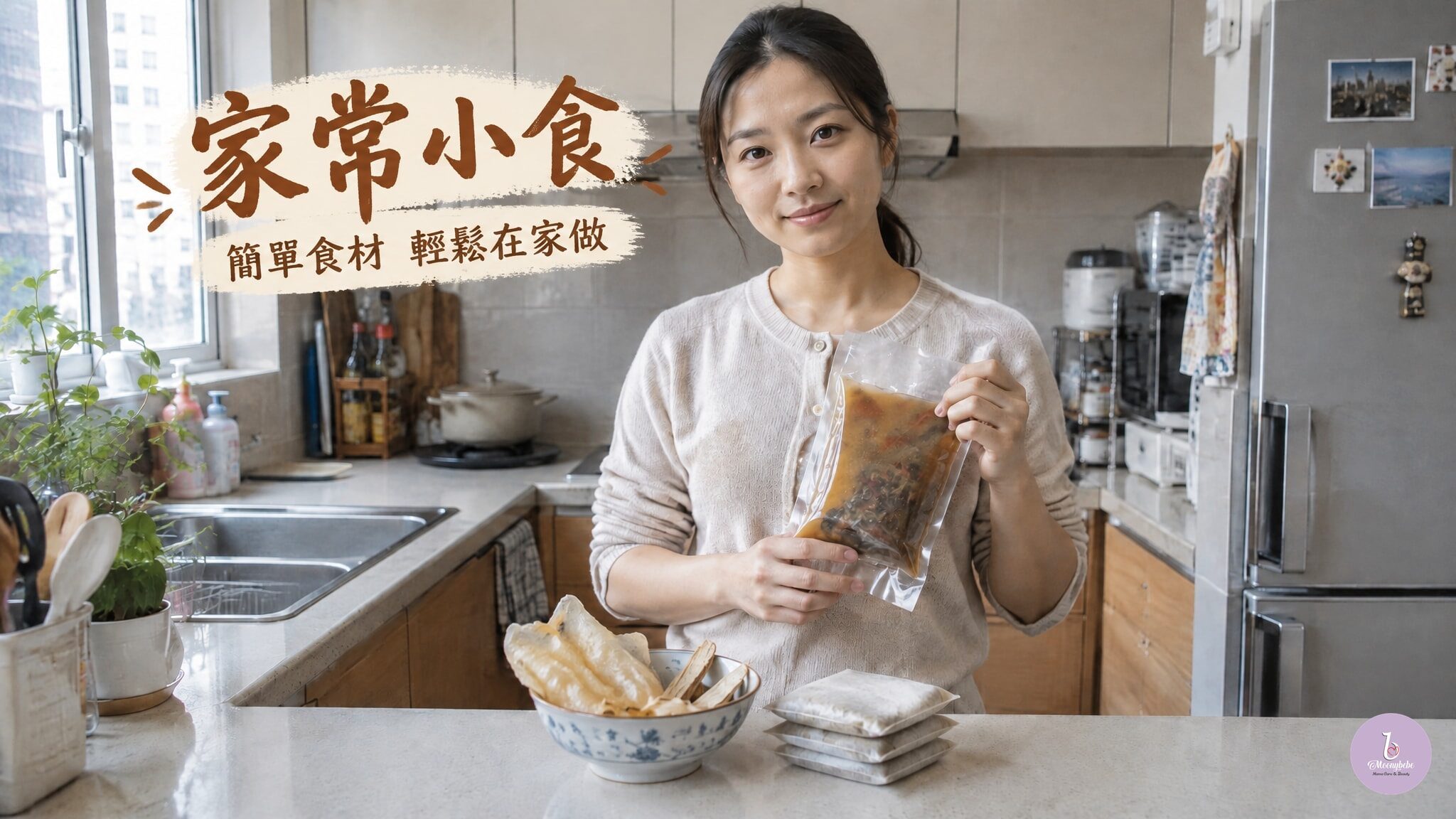
How to Choose Postpartum Soup Packages? An Analysis of the “Golden 30 Days” and Who They’re Suitable For
When you open the instructions for a postpartum soup packet, you’ll see a long list of ingredients like fish maw, dendrobium, astragalus, and angelica—and you might not know where to start. Most articles simply list these ingredients but fail to mention one crucial point: the ingredients are just the raw materials; it’s the sequence of use that matters. When looking for recommendations on postpartum soup packs, what you should really check is whether they’ve been arranged in the correct order for the 30-day period. The key to postpartum soup packs lies in the sequence: the phased arrangement for the “Golden 30 Days.” Let’s say there’s a first-time mom living in the Greater Toronto Area who is going through her postpartum recovery without a postpartum care provider (this is a hypothetical scenario for illustrative purposes, not a real-life account). She chose a set featuring a complete 30-day postpartum soup package—a collaboration with Huichun Garden on 16th Street in Richmond Hill. She doesn’t have to blend herbs herself or figure out the correct sequence; she simply prepares fresh meat and vegetables each day and simmers them with a packet of soup mix. According to the product description, this 30-day postpartum soup kit was jointly developed by experienced postpartum care providers and a TCM physician (the physician’s name is not disclosed). The program is divided into three phases: the initial phase focuses on gentle nourishment to strengthen the spleen and stomach; the middle phase focuses on replenishing qi and nourishing blood; and the final phase focuses on tonifying and strengthening the body. Each day features a corresponding soup recipe. Why not go all out with tonics right away? After childbirth, the spleen and stomach are still weak, so it’s essential to prioritize digestion and absorption first; only then can the subsequent steps of tonifying qi and nourishing blood be effectively utilized. This approach aligns with the TCM philosophy of gradual, step-by-step postpartum recovery. The product description also states that balanced and gradual recovery during the postpartum period is more important than simply consuming tonics indiscriminately. Regarding ingredients, the product description lists fish maw, dendrobium, five-fingered peach, Astragalus membranaceus, Angelica sinensis, Cordyceps flowers, among other precious ingredients and medicinal herbs. However, you don’t need to memorize each one individually; simply follow the order listed and use this postpartum medicinal soup packet as your daily postpartum soup here in Canada. How do you pair the postpartum soup packets with roasted rice tea? Daily consumption and storage: The soup packets provide your daily soup, while roasted rice tea is a beverage to keep on hand for everyday use. The product description for postpartum fried rice tea for new mothers states, “Nurturing mothers from day one,” positioning it as a daily beverage for the first month. It also notes that mild fried rice tea is more suitable than consuming tonics or soups with strong lactation-promoting properties too early. Another product, the 56-pack of Blood-Nourishing Fried Rice Tea, recommends consuming 14 packets per week (2 packets per day), with each packet brewed in approximately 500–600 ml of hot water. To compare different varieties, refer to the Fried Rice Tea Buying Guide. Just one thing to remember about storage: Prepare the ingredients on the same day, simmer them for that meal, refrigerate any leftover soup as soon as possible, and reheat thoroughly before consuming. Which mothers are suitable for these soup packets? When should you consult a doctor or TCM practitioner first? This set of soup packets is suitable for new mothers who want to follow a systematic regimen but have limited help available, including overseas mothers recovering postpartum in Canada. However, it is not suitable for those who wish to rely on the soups as a substitute for a medical evaluation. If you have a chronic illness, are taking Western or other TCM medications, are allergic to any herbs, or need to be cautious about medication use while breastfeeding, please consult a physician or TCM practitioner first. If you experience abnormal bleeding, fever, or redness and swelling at the wound site after childbirth, you should also seek medical attention immediately—do not wait for the soup to “restore your health.” The soup packets already contain Angelica sinensis and prepared Rehmannia root; if you also take Siwu Decoction or Shenghua Decoction, you may end up taking duplicate supplements, so be sure to consult a TCM practitioner before adding them. The soup packets are not a substitute for personalized postpartum care; if needed, please refer to the Guide to Postpartum Care at Home. To see the daily soup schedule, visit the “Golden 30 Days Postpartum Soup Pack” product page for full details; if you still have health concerns, consult a professional before making a decision. #PostpartumSoupPacks #PostpartumConvalescence #Golden30DaysPostpartumSoupPacks #PostpartumMeals #PostpartumMedicinalDishes #GreaterTorontoArea #16thStreet Huichun Garden
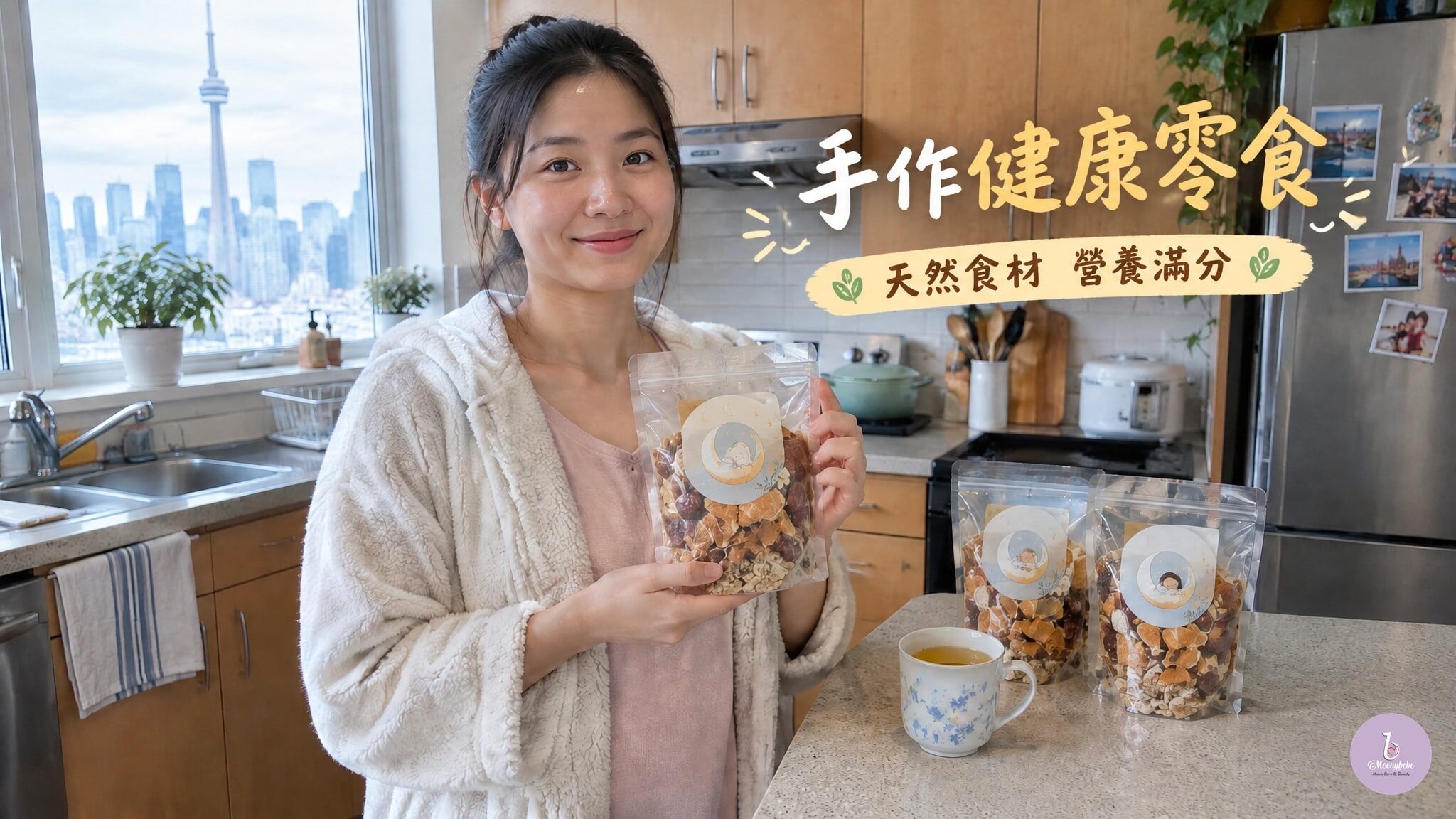
Where to Buy Fried Rice Tea in Toronto? A Buying Guide and Product Comparison for New Mothers
If you search for “fried rice tea” in Toronto, most of the results are either recipes for making it yourself or Chinese e-commerce sites that ship it from overseas. For you, who are recovering from childbirth in the Greater Toronto Area, neither option is very practical: recipes take time, and your body can’t handle the strain right after giving birth; ordering from overseas leaves you unsure about the ingredients and proper preparation methods. Moonybebe is a Toronto-based postpartum care brand that currently sells three varieties of fried rice tea in 56-pack boxes on its official website. This article answers just one question: Which variety should you choose based on your current stage of postpartum recovery? Blood-Nourishing Fried Rice Tea, Lactation-Boosting Fried Rice Tea, and Postpartum Fried Rice Tea: How to Choose the Right One Based on Your Postpartum Stage The three varieties have similar names, but they differ in their ingredient combinations and intended purposes. If you’d like to first determine where you are in your recovery, you can refer to the postpartum recovery timeline and then come back to compare it with the scenarios below. Let’s consider a mother who is observing the traditional postpartum confinement period in the Greater Toronto Area—whether she had a vaginal delivery or a C-section. She is currently in her first postpartum month, breastfeeding during the day, waking up at night for feedings, and beginning to consider returning to work. This scenario serves merely as a framework for interpretation; by following her timeline, the positioning of each of the three products becomes clear. First month postpartum: Start with the “Postpartum” formula. Traditional postpartum care principles generally advocate focusing on nourishing the spleen and stomach in the early postpartum period, gradually introducing tonics, and avoiding excessive tonic intake right from the start. The product page for “Postpartum Rice Tea for New Mothers (56-pack) – Herbal Supplies: Huichun Garden on 16th Street” is positioned based on this concept: whether the delivery was vaginal or by C-section, the focus during the first month is on regulating the spleen and stomach, replenishing vital energy, and not rushing into tonic supplements. The ingredients include three-color rice, dried tangerine peel, longan, southern red dates, northern astragalus, codonopsis, figs, and goji berries—a total of eight items. This is the variety with the most ingredients among the three options and follows a traditional Hong Kong-style postpartum recovery recipe. The product name specifies that the herbal ingredients are supplied by “16th Street Huichun Garden,” which is the clearest indication of its source. To view the full list of ingredients and preparation instructions, visit the product page for “Postpartum Fried Rice Tea for New Mothers.” If your breastfeeding routine is stable and you’re preparing to return to work: Switch to the “Milk-Boosting” variety. Once your breastfeeding routine has settled into a steady rhythm and you begin planning how to balance work and motherhood, the “Milk-Boosting” variety comes in handy. The “Postpartum Mom Milk-Boosting Roasted Rice Tea (56-Pack)” is designed based on Hong Kong’s postpartum dietary therapy principles. Its ingredients include tricolor rice, dried tangerine peel, black beans, longan, akebia, goji berries, and black sesame seeds. The product page positions it as a daily health tonic for breastfeeding mothers. It’s important to clarify that “milk-boosting” refers to the product name and design concept—it is not a guarantee of milk supply. Milk supply is influenced by sleep, diet, the baby’s suckling, and your physical condition; a single cup of tea cannot replace these factors. For complete details, please see the ingredients and recommended consumption methods for the Milk-Boosting Roasted Rice Tea. Read more. If you’re looking for a daily beverage with a simple ingredient list, check out the “Blood-Nourishing” version. If you don’t need too many herbal ingredients and just want a simple postpartum tea for daily consumption, the “Blood-Nourishing Roasted Rice Tea 56-Pack” is the simplest option: three types of rice, dried tangerine peel, longan, goji berries, and red dates—five ingredients in total. The product page explains that red dates, longan, and goji berries help supplement daily nutrition, while dried tangerine peel makes the tea’s flavor more fragrant and smooth. It comes in individual packets for convenient brewing. See the “Blood-Nourishing Roasted Rice Tea (56-Pack)” product page for more details. Simply put, choose the Postpartum Formula for the first month; opt for the Lactation Support Formula for daily care during breastfeeding and preparation to return to work; and select the Blood-Nourishing Formula if you prefer a simpler blend. None of these three are medicines—they are simply everyday beverages. How to Fit 56 Packets into Your Weekly Routine: Both the “Milk-Boosting” and “Blood-Nourishing” product pages recommend consuming 14 packets per week—2 packets per day. Dividing the entire box of 56 packets by 14 packets per week yields exactly 4 weeks, or 28…
Comparison of Postpartum Massage Services in the Greater Toronto Area: How to Choose the Best Option
When looking for postpartum massage in the Greater Toronto Area, the most common challenge isn’t a lack of options, but rather that while the service names may seem similar, the scope of each varies. Some offer only a single service, while others provide customized packages tailored to different stages of recovery; some clearly state the practitioners’ registration status, while others list only the business name and promotional claims. This article does not rank any specific providers, nor does it discuss prices. It simply demonstrates one thing: how to break down your needs and evaluate each provider using the same set of criteria, so you can make an informed comparison. How to Compare Postpartum Massage Services in the Greater Toronto Area? Let’s Start with a New Mom Who Just Came Home The following is a hypothetical scenario used to demonstrate the comparison process; it is not a real case study or a client testimonial. She lives in Markham and has just returned home from the hospital; her C-section incision is still healing. She has several concerns on her mind: recurring breast engorgement, abdominal looseness, lower back and pelvic soreness, and severe sleep deprivation due to having to get up every two to three hours at night to breastfeed. Her elders at home wanted her to follow traditional postpartum confinement practices by wearing a belly band, but she wasn’t sure if she should start while her incision was still healing. Step 1: Prioritize by Urgency Her needs aren’t all on the same level. If breast engorgement is limited to localized swelling and hardness, a lactation massage can usually be scheduled; however, if it’s accompanied by a fever, or if the breasts appear red, swollen, hot, or painful, she should first consult a healthcare professional for an evaluation before deciding whether to proceed with a massage. The same applies to abdominal binding; the timing depends on the method of delivery and the condition of the incision. Mothers who have had a cesarean section, in particular, should not base their decision solely on “how many days have passed.” They should first read about when to start abdominal binding and the precautions involved, then ask a practitioner to assess based on the incision’s healing progress. Step 2: Break Down Your Needs into Categories and Compare Them to the Service Scope When comparing postpartum massage services in the Greater Toronto Area, don’t focus on the service names at first. Instead, break down your condition into categories such as the abdomen, breastfeeding, pelvis, skin, and physical strength, and then compare them item by item. In her case, the corresponding relationships are roughly as follows: Breast engorgement: Corresponds to lactation massage; for details, refer to the lactation massage treatment description. Abdominal sagging: Corresponds to traditional abdominal binding; if combined with body contouring, confirm whether it’s suitable for the post-C-section recovery phase. Lower back and pelvic pain: Corresponds to pelvic restoration or postpartum acupuncture, which helps relieve tension and discomfort. Skin: If you have stretch marks or skin issues around the incision, you can inquire about skin repair treatments. If you choose only a single treatment for these needs, it will address only one aspect. This is often where providers with similar service scopes differ: some focus on individual treatments, while others offer postpartum massage packages that can be adjusted according to the stage of recovery—for example, focusing on breastfeeding and relaxation during the first two weeks, then adding abdominal binding or pelvic restoration once the incision has stabilized. Another important consideration is whether the provider clearly explains what they cannot do. Massage cannot compensate for sleep deprivation, and conditions such as wound infections, fever, or mastitis fall under the purview of medical care. Providers who are willing to clearly define these boundaries are generally more trustworthy than those who simply offer “comprehensive care.” Step 3: Verify Who Will Actually Be Treating You In Ontario, Registered Massage Therapist (RMT) and Registered Acupuncturist are both regulated professional designations. You can verify their professional status through the public registries of the respective regulatory bodies. This is the easiest step to verify a practitioner’s qualifications—it takes only a few minutes and eliminates the need to rely on the clinic’s claims. Focus on the person who will actually be treating you—whether at your home or in the clinic—rather than the clinic’s name, the practitioner’s title, or “professional certifications” listed in advertisements. For more information on how to check, see How to Identify a Certified Professional Team. Step 4: In-Home or In-Salon Service She’s just had surgery, so having to go out with a newborn, ride in a car, and find a parking spot is a burden in itself; plus, with irregular feeding schedules, her appointment is likely to be disrupted at the last minute by the baby. For mothers in this situation, in-home services are better suited to the baby’s schedule and eliminate the need to leave the child with someone else. Visiting the clinic isn’t a bad option either. If you have limited space at home, find it inconvenient to have someone come in, or simply want to get out for some fresh air, visiting the clinic is a reasonable choice. Neither option is inherently right or wrong; the key is to make a choice based on your physical stamina, breastfeeding schedule, and home environment. For more details on in-home arrangements, please refer to the guide on in-home postpartum care services. Moonybebe is one brand that serves as a good example for comparison. Their services include traditional postpartum binding (including the Bengkung method), lactation massage, pelvic restoration, postpartum acupuncture, skin restoration, and body contouring, all provided by registered massage therapists and acupuncturists. The brand states that its therapists hold internationally recognized certifications. Services are available either in-home or at the clinic, covering Toronto, Markham, Richmond Hill, and the Greater Toronto Area, and are designed to allow mothers to schedule their recovery while caring for their babies. This is merely a point of reference for comparison and does not represent the only option. Postpartum recovery varies from person to person, and the timing and content of treatments should be adjusted based on the method of delivery, the condition of any incisions, and breastfeeding status. Therefore, responsible providers will conduct an assessment before arranging a treatment plan, rather than simply applying a one-size-fits-all approach. How should you ask about postpartum massage packages? Asking the same set of questions will help you compare the differences…
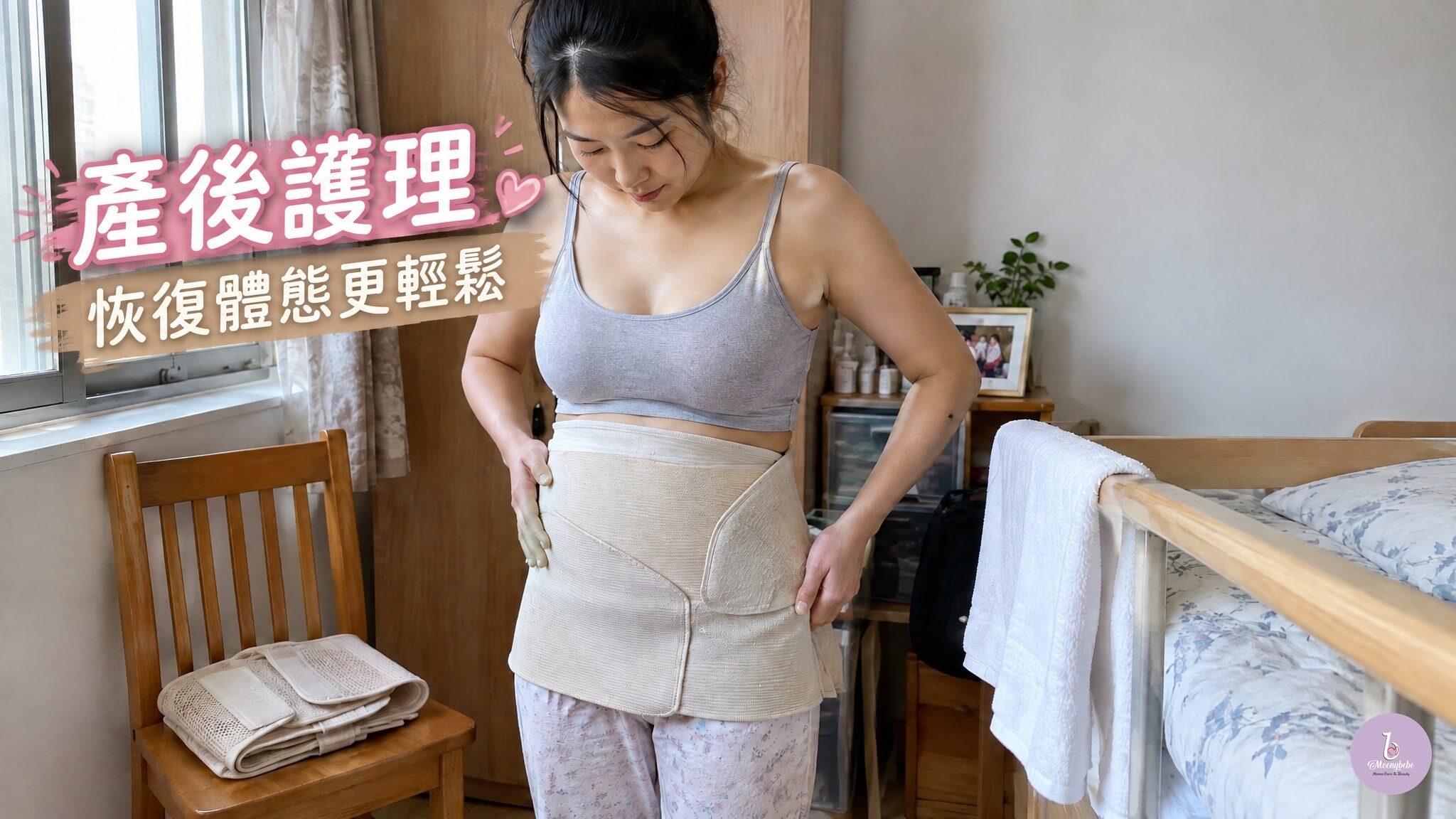
When Is the Best Time to Start Wearing a Postpartum Belly Band? Timing and Precautions
When to start wearing a postpartum belly band is one of the most frequently asked questions during the postpartum recovery period. Older generations may say to start right after giving birth, while online articles suggest waiting a while—leaving new moms caught in the middle, unsure of what to do. From a therapist’s clinical perspective, the starting point for postpartum abdominal binding isn’t determined by the number of days on the calendar, but rather by the method of delivery, the condition of the incision and abdominal muscles, and whether medical professionals have confirmed that it’s safe to begin. When to Start Postpartum Belly Binding: Key Considerations Differ Between Vaginal and Cesarean Deliveries Opinions vary widely: some advocate for immediate use after a cesarean section, while others recommend waiting for a while. Both views are overly simplistic; the key factors are whether your doctor approves and the condition of your incision. In traditional postpartum confinement customs, abdominal binding is often regarded as a routine practice, but the timing and intensity vary from family to family. Let’s consider a typical scenario: A first-time mother who gave birth vaginally has just returned home. Although she is still experiencing heavy lochia, she wants to start wearing a postpartum girdle before her first outing, as she feels more at ease that way. A therapist wouldn’t give her a specific number of days, because everyone’s uterus heals at a different rate—even among women who’ve had vaginal births, the pace of recovery varies. There are three criteria for making this judgment: whether the uterus is gradually recovering, whether lochia has noticeably decreased, and whether the perineal incision (if any) and the lower abdomen feel stable. If lochia is still heavy, it means the body is still expelling waste and healing; there’s no need to rush into wearing a postpartum girdle at this stage. In the early stages of recovery, comfortable support is far more important than shaping the waistline. The reason lies in intra-abdominal pressure. The appropriate fit for a postpartum girdle is one that allows you to breathe normally, bend over, and move freely without causing pain from constriction. In the early stages of recovery, a tighter fit does not necessarily mean it is more effective. If the girdle is tied too tightly, intra-abdominal pressure will rise, and this pressure may be transmitted downward to the pelvic floor—which is still healing—placing an additional burden on an area that already needs rest. If you want to incorporate the girdle into your overall recovery routine, refer to the timeline for various aspects of postpartum physical recovery—don’t base your decision on a single point in time. Professional assessments follow a set sequence. First, a doctor or midwife during a postpartum follow-up visit confirms the body’s basic recovery status; second, a Registered Massage Therapist (RMT) assesses the support needs of the abdominal midline and pelvis, and demonstrates the correct positioning and tightness. For vaginal births, light support is typically introduced only after the body has initially stabilized and a healthcare professional has given approval. If the same mother switches to a cesarean section, the incision becomes the top priority. Pain, redness, swelling, and discharge must be monitored first; the abdominal binder must avoid the incision site, and use may not begin until the doctor gives explicit approval. Therefore, for vaginal births, the timing of postpartum binding depends on how the uterus, lochia, and pelvis feel, while for cesarean sections, it depends first on whether the incision is stable and whether the doctor has given the go-ahead. This isn’t about making you wait—it’s about letting your body get ready first. Once the initial postpartum period has passed and both your body’s signals and professional approval are in place, it’s not too late to start. How to Tie a Postpartum Belly Binder: Correct Principles and Precautions There are several principles for tying the binder; you don’t need to memorize specific steps. The core of the correct method is to focus support on the lower abdomen and pelvic area, with the lower edge resting near the hip bones—not tightening upward around the waist or chest. The principles apply equally to fabric and Velcro styles: adjust the tightness so you can breathe normally, bend over, and move freely without feeling any pain from constriction. To compare the design differences between traditional and modern styles, check out the differences between the traditional Bengkung abdominal binder and shapewear. It is not recommended to wear it all day. Please remove it before sleeping at night, during prolonged bed rest, or before using the restroom, and re-fasten it afterward to allow the abdomen and pelvis time to relax. The garment simply needs to be breathable and adjustable so that the tightness can be modified as your body changes. There are two additional points to note regarding abdominal binders. They provide supplementary support and cannot replace exercise or pelvic floor exercises; they are also not suitable for those seeking immediate waist-slimming results. If you’re hoping a binder will solve all your postpartum recovery issues at once, you’ll need to adjust your expectations. A more comprehensive explanation of the benefits and limitations of postpartum pelvic belts is available. If you’d like to know how to use it at home, check out our comprehensive guide on how to safely wear a postpartum belly band at home. When Should You Stop? When to Seek Professional Help: During the use of a postpartum belly wrap, if any of the following conditions occur, please stop using it immediately and contact a healthcare professional: redness, swelling, or oozing from the incision; increased pain; a sudden increase in lochia; or an unusual odor; fever; urinary leakage when coughing or straining; a sensation of heaviness in the lower abdomen; dizziness or difficulty breathing after applying the wrap. Issues related to the wound or pelvic floor should be addressed by a doctor, midwife, or physical therapist. Different professionals have different scopes of practice; the postpartum recovery options in Traditional Chinese Medicine (TCM) and Western medicine can help you determine who to consult. Please consult a healthcare professional before beginning. If you simply want to confirm the placement and tightness of your postpartum girdle, Moonybebe’s postpartum girdle treatment is provided by Registered Massage Therapists (RMTs) and internationally certified acupuncturists, combining traditional…
Postpartum Recovery: Should You Choose Traditional Chinese Medicine or Western Medicine? A Comparison of Acupuncture and Physical Therapy
On the path to postpartum recovery, older family members often say, “Get acupuncture, wear a postpartum girdle, and take good care of yourself during the postpartum Confinement period,” while postpartum checkups at the hospital remind you to pay attention to your pelvic floor and abdominal muscles. These two sets of advice seem to contradict each other, leaving many new moms stuck, unsure of whose advice to follow first. In reality, this isn’t an either/or situation. Traditional Chinese Medicine (TCM) and Western medicine each excel at addressing different issues. The key lies in your symptoms, the stage of your postpartum recovery, and safety assessments—these factors determine which approach should take the lead and which should serve as a supplement at this stage. Postpartum Recovery in Traditional Chinese Medicine and Western Medicine: The Principles and Appropriate Scenarios for Acupuncture and Physical Therapy Let’s first look at a typical new mother. She has just been discharged from the hospital and is currently breastfeeding. After holding and feeding her baby, the soreness in her lower back and pelvis has become increasingly noticeable; she occasionally experiences urinary leakage when she coughs or laughs; and she feels a sense of looseness and weakness along her midline. She wants to observe the traditional “Confinement period” at home as her elders have advised, but she’s unsure whether she should schedule an appointment with an acupuncturist first, or consult a physician and physical therapist. These two approaches have different starting points. Western medicine and physical therapy focus on examinable and measurable structures and functions—such as wound healing, bleeding, rectus abdominis diastasis, and whether the pelvic floor muscles can contract and relax normally. In contrast, acupuncture and traditional Chinese medicine treatments address postpartum weakness, aches, and tension by examining the flow of qi and blood and the body’s overall condition, with the goal of helping the body relax and alleviating discomfort. Step 1: First, have a doctor rule out any conditions requiring immediate attention. Bleeding, infections, and wound complications cannot be delayed. If you had a cesarean section, the condition of the incision must also be assessed first. The doctor will also pay attention to your emotional state and sleep: persistent low mood or being unable to sleep through the night may require professional support—these issues cannot be resolved simply by getting more rest. If this step is not successfully completed, all other treatments should be put on hold. Step 2: Structural issues and urinary incontinence should be addressed through postpartum physical therapy. A postpartum physical therapist will assess the degree of rectus abdominis diastasis and the condition of the pelvic floor muscles, then use progressive exercises to address these issues. Rectus abdominis diastasis and pelvic floor function are generally assessed first by a doctor or physical therapist, and the intensity and progression of training are determined based on the results. Before the assessment is complete, it is not advisable to directly follow high-intensity core exercises found online, as doing so without an assessment may exacerbate existing discomfort. This mother’s urinary incontinence and sensation of abdominal laxity stem from structural and functional issues, for which physical therapy is the primary treatment. To learn about another aspect of pelvic stability, please refer to the relevant information on postpartum pelvic correction. Step 3: For soreness and stiffness, consider acupuncture. Her lower back pain likely stems from prolonged periods of holding her child and breastfeeding postures, which cause sustained muscle tension. Postpartum acupuncture is particularly effective in this regard: it helps relieve soreness and stiffness, allowing the body to relax. In Traditional Chinese Medicine, this is described as regulating qi and blood to make the body feel more comfortable during the postpartum period when it is still weak. Acupuncturists do not use it to improve pelvic floor function or rectus abdominis diastasis; those issues still require progressive exercises based on a professional assessment. Regarding evidence, it’s important to be honest: the effectiveness of acupuncture varies by symptom; while there is more support for certain discomforts, the benefits for others remain limited. It’s more accurate to say it “helps relieve” rather than “cures.” If you’d like to understand how this is actually structured, you can read about the postpartum acupuncture home care regimen in Toronto. Step 4: Daily Convalescence, Building on Traditional Confinement Practices. Rest, staying warm, a gentle diet, and wearing a postpartum girdle are part of this mother’s daily routine and form the foundation for other approaches. The use of a postpartum girdle should prioritize comfort; its value lies in support and comfort, not in correcting structural issues. As for claims such as “abdominal binding can pull back loosened abdominal muscles,” these go beyond the scope of current evidence. At different stages, the primary approach for this mother changed. Immediately after discharge from the hospital, it was the doctor; a few weeks later, once safety was confirmed, physical therapy began addressing structural issues and urinary incontinence; during the training period, when soreness was significant, acupuncture or massage was added for relief; and the Confinement period was a constant presence throughout. If an assessment reveals no medical issues requiring immediate attention, and you’d like to arrange additional care for the pelvic area beyond physical therapy, you can learn more about Moonybebe’s pelvic restoration services, provided by registered massage therapists. Neither approach is a one-size-fits-all solution. The results depend on your individual assessment and your ability to consistently follow through—not on which method sounds more impressive. Sequence and Division of Labor in Integrated Traditional Chinese and Western Medicine Care Building on the example above, the sequence can be summarized into a simple principle: safety confirmation comes first; structural and pelvic floor assessment and training are central; and relief and recovery proceed in parallel without interfering with the training; while traditional postpartum confinement serves as the foundation of rest and warmth throughout the entire process. The real challenge in integrated Chinese and Western medicine treatment lies not in the volume of interventions, but in ensuring that all parties are fully informed. Your medical history, any medications or herbal remedies you’re taking, and the exercise regimen prescribed by your physical therapist must all be shared with the other professionals. Otherwise, the acupuncturist may not know what exercises you’re doing, and the physical therapist may not know what treatment you’ve just completed—which could lead to conflicting instructions. When scheduling exercise and relaxation on the same day, you should also consider the physical strain on your body. If you’ve just completed a high-intensity workout, it’s best to inform your therapist before deciding on that day’s relaxation method. Within this framework, the postpartum girdle serves only as an adjunct; whether to wear it depends on your comfort level. To compare the principles behind traditional abdominal binders and commercially available shapewear, you can review the differences between traditional abdominal binders and modern shapewear. For practical lifestyle arrangements, you can refer to the care guidelines for postpartum Confinement at home. This division of responsibilities is not intended to replace medical care. For any symptoms requiring a doctor’s evaluation, postpartum recovery treatments should not take precedence over a medical assessment. How to Choose a Postpartum Recovery Method: Professional Advice and When to Seek Medical Attention When selecting a postpartum recovery method, the first thing to remember is “which situations cannot wait.” If any of the following occur, seek medical attention immediately—do not substitute a recovery regimen for a medical evaluation: Heavy bleeding, fever…
“Everyone’s been through this”? Postpartum struggles are real—you deserve to be well taken care of.
“We went through the same thing back then.” This phrase is usually said out of concern, but it often makes a new mom swallow her “I’m so tired” before she can say it. From the perspective of a licensed massage therapist and acupuncturist, this article explains what’s actually happening to a woman’s body and emotions after childbirth and offers a few phrases you can say directly to your family. There’s a reason you’re tired. Why is giving birth so exhausting? Just because “everyone goes through this” doesn’t mean it’s not hard. Let’s start with a hypothetical scenario—it’s not a real case, but it represents a very common day in a postpartum household. A new mother is in Confinement at home after giving birth. In the first few weeks postpartum, she has to get up several times a night to breastfeed, and her sleep is broken into short, fragmented stretches. When she holds the baby or stands up from the bed, she feels a sharp ache in her lower back and pelvis. Her milk supply hasn’t stabilized yet, and her breasts feel swollen and hard. During the day, she often forgets things and experiences sudden mood swings. Her mother-in-law remarks, “We went through the same thing back in our day.” Hearing this, she finds it even harder to admit just how exhausted she really is. “Everyone goes through this” implies that this experience is very common. It does not mean that every mother experiences the same level of discomfort or recovers at the same pace, nor does it mean that postpartum discomfort does not exist or does not need to be addressed. If we break down this mother’s day, every symptom has a physiological cause. During pregnancy, hormones cause the pelvis and surrounding ligaments to loosen, preparing the body for childbirth. After giving birth, these structures do not snap back into place overnight, so the instability of the pelvis as it recovers is particularly noticeable when walking, standing up, or turning over in bed. The abdomen is also adjusting. As the uterus enlarges, the rectus abdominis muscles may separate along the midline, reducing abdominal support after childbirth and forcing the lower back to compensate. Then there’s breastfeeding and holding the baby. Throughout the day, you’re looking down to feed, bending over to change diapers, and repeatedly standing up while holding your baby—all of these movements place additional strain on your already overworked lower back, which is how postpartum lower back pain builds up. Blocked milk ducts are another source of pain. While milk supply is still adjusting, breasts tend to become engorged and hard, and this soreness and swelling can make it even harder to get proper rest. Lack of sleep, in turn, increases sensitivity to pain and makes you more prone to fatigue. As a result, issues with the breasts, lower back, and sleep often occur simultaneously and exacerbate one another. From a clinical perspective, an assessment should take a holistic view rather than focusing on just one area. Finally, there are emotional factors. With dramatic postpartum hormonal fluctuations combined with fragmented sleep, it’s no surprise that concentration wanes and tears come easily. These challenges have a physiological basis; they aren’t due to a lack of willpower or a fragile personality. If you’d like to know how these discomforts typically improve step by step, you can refer to the recovery rhythms of various parts of the body after childbirth. For the pelvis and lower back, you can explore how professional therapists view the postpartum pelvic girdle to understand the role and limitations of support devices. When experiencing breast tenderness, understanding the difference between lactation massage and a lactation consultant can help you determine which type of assistance to seek. Low Mood vs. Postpartum Depression: How to Tell the Difference and When to Seek Help. Postpartum low mood usually appears briefly in the early postpartum period and may manifest as unexplained crying, irritability, or feelings of inadequacy; it typically subsides gradually with rest and support. Postpartum depression, however, lasts longer and affects your ability to care for yourself, your baby, and manage daily life. If you find that your low mood persists, you’ve lost interest in things you usually enjoy, or you feel unable to care for yourself or your baby, please don’t try to tough it out. If you have thoughts of harming yourself or your baby, contact a doctor or seek professional help immediately. There are also several physical warning signs that require immediate attention: fever, red, swollen, and severely painful breasts, heavy bleeding, swelling and pain in one calf, or chest tightness and difficulty breathing. If you experience any of these, seek medical attention immediately. Massage, acupuncture, and abdominal binding cannot replace a medical evaluation—this is a boundary that must be upheld in any postpartum care. How to Communicate Your Need for Rest to Family Members When older family members say, “It was the same for us back then,” they’re usually not dismissing you. They’re trying to comfort you with their own experiences, but “we got through it” doesn’t mean “we didn’t need help back then”—and this is something many family members don’t realize. So when you feel your family doesn’t understand, rather than waiting for them to figure it out, it’s better to voice your needs directly. Starting with “I need” makes it easier for them to listen than saying “None of you understand.” You can try these phrases: “I know everyone got through it this way, but I’m really exhausted right now. Could you please watch the baby for me tonight so I can get a good night’s sleep?” “I need someone to help with cooking and laundry these next few days so I can lie down when I’m not breastfeeding.” “I need to go for a follow-up appointment and would like you to come with me.” What these phrases have in common is that they first acknowledge the other person’s experience and then ask for a specific, achievable task. Family members often want to help but don’t know where to start, so asking them to take on specific tasks is more effective than simply saying, “Help me out a little more.” The three most practical ways to help are: taking over soothing and putting the baby to sleep after one nighttime feeding, sharing the burden of cooking and housework, and accompanying her to doctor’s appointments or follow-up visits. If you’re a family member and hear a new mom say she’s tired, don’t rush to compare by saying, “It was harder for me back then.” Just ask her, “What do you need me to do right now?” That’s enough. Only when you turn “I’ll help you” into a specific time and task will the new mom truly be able to get some sleep. The Importance of the Postpartum Confinement Period: Balancing Traditional Wisdom and Modern Care The core of the postpartum confinement period is to set aside a period of recovery—both physical and emotional—during which the mother is cared for. This is precisely why it’s so important: it ensures that after giving birth, you don’t have to struggle to take care of yourself while also caring for your newborn all on your own.…
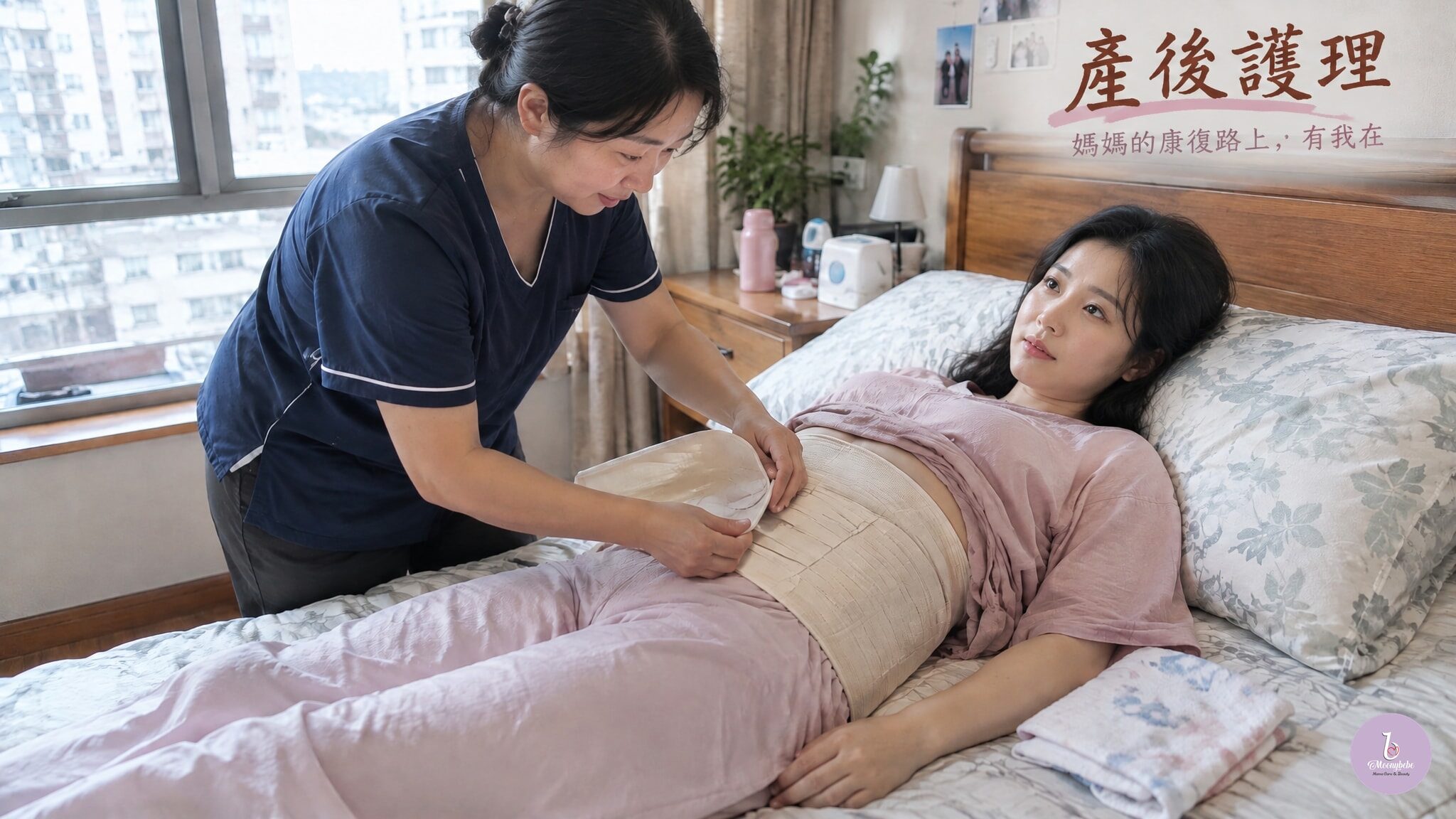
Richmond Hill Postpartum Care Home Visit Services: Moms Can Recover Comfortably at Home
In Chinese families, the first month after childbirth is called “Confinement”: staying indoors as much as possible, staying warm, and allowing the body to gradually recover. But in Toronto, there aren’t always elders around to help, and the cold winter temperatures make going out with a newborn a major undertaking. For new moms living in Richmond Hill, having professional postpartum care come to their home is the closest thing to the spirit of traditional “sitting the month.” This article walks you through the process of arranging in-home postpartum care in Richmond Hill step by step, from making the appointment to the first visit. How Do You Arrange In-Home Postpartum Care in Richmond Hill? From Booking to the First Visit Let’s first look at a hypothetical scenario—this is not a real client testimonial, but rather a typical experience a new mom might go through. She lives in Richmond Hill, is about two weeks postpartum, and is a first-time mom. Her husband works during the day, so she’s caring for the newborn on her own. Her lower back and pelvis are still sore from childbirth, and her abdomen feels loose and unsupported. She has to breastfeed every two to three hours at night and never gets a full night’s sleep. It’s the cold season in Toronto, and just the thought of dressing the baby in a coat and securing them in the car seat is enough to make her give up on the idea of going out. Mothers like her who search for “Richmond Hill Confinement services” aren’t looking for a luxury package—they want a way to receive professional care at home without having to leave the house. If you’d like to learn more about the overall arrangements for Confinement care at home, check out the Guide to In-Home Confinement Care. Step 1: Free Consultation—Explain Your Situation Clearly She first scheduled a free consultation and explained a few things to the team: approximately how many weeks postpartum she was, whether she had a natural birth or a C-section, her current breastfeeding status, and where she was experiencing the most discomfort in her lower back and pelvis. These details serve as the basis for the team to determine where to begin, so jotting down a few notes in your phone’s memo app before the consultation will make the call much smoother. For moms who had a C-section, there’s an extra step: Before treatment, a doctor must confirm that the incision has healed properly. This step cannot be skipped, because until the incision has fully healed, any abdominal treatment requires the doctor’s approval. Step 2: Recommendations on Where to Start and Scheduling a Home Visit After listening to her description, the team will recommend the best place to start based on her needs. In her case, the pelvis and areas related to abdominal binding will be prioritized. Every mother’s method of delivery, recovery progress, and breastfeeding situation is different, so the treatment plan should be tailored to the individual rather than following a one-size-fits-all approach. Next comes scheduling the appointment. She shared her baby’s recent routine with the team and asked them to schedule the session during a nap or right after a feeding whenever possible. This way, she doesn’t have to leave the house, wait for a bus in the cold, or bring a fussy newborn into an unfamiliar environment. The service area covers Richmond Hill, Markham, Toronto, and the Greater Toronto Area. On the Day of the Home Visit: Assessment, Treatment, and Coordination with the Baby’s Schedule Once the therapist arrived at the home, she didn’t begin treatment immediately. She first assessed the mother’s physical condition: her postpartum recovery progress, how her lower back and pelvis felt, and whether she was experiencing breast tenderness. After the assessment, the therapist explains the recommended plan and which areas will be addressed during this session; treatment begins only after the mother gives her consent. During the first session, the therapist focuses on the areas the mother is most concerned about—specifically the pelvis and areas related to the postpartum girdle. If breast tenderness is already significant, the therapist will incorporate a lactation massage immediately, rather than waiting until the next session. There isn’t much the mother needs to prepare: a quiet, warm room; a set of loose-fitting clothes that are easy to put on and take off; and baby supplies kept within reach so she can tend to the baby at any time. If the baby wakes up during the session and needs to be fed, the session can be paused until the mother has finished feeding, at which point it will resume. Before the session ends, the therapist will provide instructions for home care, such as proper resting positions, staying warm, and any physical reactions that may occur over the next few days. The schedule for the next in-home visit will be determined based on her recovery progress and how her body responds—it’s not a pre-scheduled series of sessions. There’s one important point to clarify: If you experience a fever, redness or swelling at the incision site, or abnormal bleeding, please see a doctor first to determine the cause before scheduling another treatment. In-home care is designed to support recovery; it cannot replace a doctor’s diagnosis, nor does it guarantee specific results. Receiving care at home offers practical benefits: you don’t have to travel with your newborn, you don’t have to disrupt feeding schedules to make it to appointments, and after treatment, you can lie back down and rest in your own familiar bed. Richmond Hill In-Home Treatment Program: Abdominal Binding, Pelvic Correction, Lactation Massage, and Postpartum Acupuncture. Many families are familiar with the practices of abdominal binding and the Confinement period. Modern in-home treatments build on this tradition by incorporating professional assessments and more refined techniques. The following four treatments can be performed individually or in combination, depending on your needs. Richmond Hill Abdominal Binding: Traditional Bengkung Abdominal Binding Combined with a professional assessment, this treatment uses traditional Bengkung techniques to wrap the abdomen, providing support for the abdomen and torso. The therapist will adjust the tightness based on your postpartum stage and body shape, and the wearing schedule will be tailored to fit your breastfeeding and bedtime routines. Read More: A Complete Guide to Safe Abdominal Binding at Home Richmond Hill Pelvic Correction: Addresses postpartum instability in the pelvis and lower back, helping to stabilize the pelvis and restore postural balance. These sessions are typically scheduled while your baby is asleep, and you can complete them while lying down. Read more: Postpartum Pelvic Correction and Postural Balance…
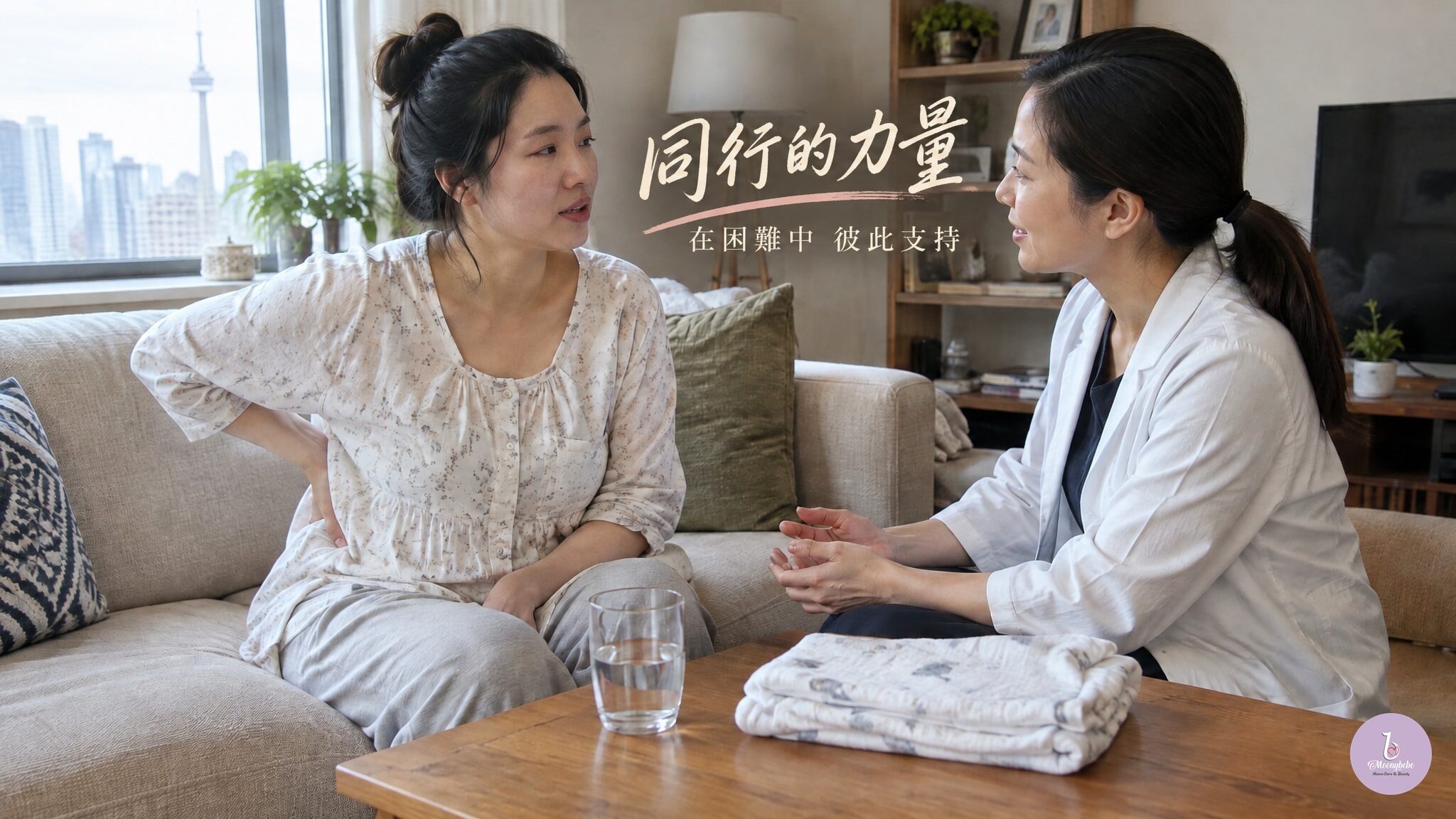
Postpartum Acupuncture Treatments in Toronto: Traditional Therapy to Help New Moms Regain Their Strength
In the first few weeks after giving birth, your body is still slowly recovering, yet you have to get up again and again at night to breastfeed. With stiff shoulders and neck, aching lower back, and sleep fragmented into short bursts, many new moms begin to wonder: Can acupuncture help? There are plenty of options for postpartum acupuncture in Toronto, but few clearly explain how traditional Chinese medicine principles align with verifiable Western certifications. This article uses a new mom’s consultation process as a starting point to explain the principles of postpartum acupuncture, the best time to begin treatment, and how to verify an acupuncturist’s credentials before booking an appointment. How Acupuncture Supports Postpartum Qi and Blood Regulation: A New Mom’s Story Here’s a common scenario. A new mother in the early postpartum period is undergoing Confinement at home. She breastfeeds frequently at night and experiences significant soreness in her shoulders, neck, lower back, and waist. During the day, she tries to catch up on sleep but is often interrupted by her baby’s schedule. She had heard about acupuncture from her elders and wanted to know if it was right for her, so she scheduled a consultation. Traditional Chinese medicine holds that childbirth depletes qi and blood, and that the postpartum period requires time for gradual recuperation so the body can slowly return to balance. Acupuncture primarily involves stimulating meridians and acupoints to help the body relax, relieve aches and pains, and support recovery by harmonizing qi and blood—this is commonly referred to as postpartum qi and blood regulation. This is a complementary traditional form of care; it is not intended to treat specific diseases, nor does it replace postpartum follow-up visits with a doctor or midwife. Acupuncturists do not promise specific results, as every mother’s constitution, birth experience, and lifestyle are unique, and the changes she experiences will vary accordingly. During the consultation, the acupuncturist’s first step is not to insert needles, but to assess the patient’s medical condition. This includes the method of delivery, whether there were any complications, whether the incision has healed properly, and whether there is any abnormal lochia or bleeding. If there are any concerns, the acupuncturist will advise the patient to consult her physician first before deciding whether to proceed. Only after confirming there are no medical concerns will the consultation proceed. The acupuncturist will ask how many hours she sleeps per day and how fragmented her sleep is, as well as inquire about her dietary habits, appetite, whether her hands and feet tend to feel cold, and how her energy levels fluctuate throughout the day. This information, combined with the location and severity of her shoulder, neck, lower back, and back pain, will serve as the basis for determining the focus of the initial treatment phase. For this mother, the initial phase may focus on relieving the tension in her shoulders, neck, lower back, and back that has built up from prolonged breastfeeding postures, while also addressing her sleep and energy levels. Comfort is the guiding principle throughout the entire process. Before beginning treatment, the acupuncturist will explain the procedure, ensuring she understands each step so she feels at ease and her body can relax more easily. If your situation is similar to hers, this is generally what the consultation process will look like: first, confirming safety; then understanding your daily routine; and finally, discussing the treatment plan. This type of postpartum acupuncture treatment isn’t a one-size-fits-all approach—it’s tailored to your current condition. When to Start and How Many Sessions to Schedule The appropriate time to begin is after your physical condition has stabilized, you’ve completed your postpartum follow-up visits with your doctor or midwife, and there are no abnormalities with your incision or bleeding. If you have complications or other medical concerns, please consult your doctor first before discussing them with the acupuncturist. To understand the general pace of recovery at each stage, you can refer to the timeline for postpartum physical recovery. There is no standard number of sessions. After the initial assessment, the acupuncturist will develop a phased treatment plan based on the severity of your aches and pains, sleep patterns, breastfeeding status, and changes in your energy levels. The frequency and intervals of your sessions will then be adjusted as your condition improves, rather than being set to a fixed number of sessions from the start. This also means that acupuncture isn’t suitable for those seeking “instant results” or a “fixed, package-style” process; it’s more like accompanying your body through a step-by-step adjustment process, which requires you to share your honest feelings with the acupuncturist so the treatment pace can be fine-tuned accurately. How to Verify the Qualifications of an Acupuncturist in Toronto Acupuncture is an invasive treatment, so a practitioner’s qualifications should not be judged solely by word of mouth or advertisements. When looking for an acupuncturist in Toronto, you can ask the following questions directly before making an appointment; reputable professionals are usually willing to provide clear answers. License or Registration Status: Ask the practitioner to explain their current registration status and confirm that it is valid. This is the most basic and easiest requirement to verify. Source of Internationally Recognized Qualifications: The practitioner should be able to provide specific details about which organization issued the qualification, in which country, and whether it is internationally recognized—rather than simply stating “I have a certificate.” Explanation of Traditional Chinese Medicine Theory and Postpartum Applications: A good acupuncturist can explain concepts like qi, blood, and meridians in plain language and will candidly explain what acupuncture can and cannot do in the postpartum period. Willingness to collaborate with the medical team: In the event of abnormal bleeding, fever, or other situations requiring medical attention, will the acupuncturist recommend that you return for a follow-up visit and be willing to communicate with your doctor or midwife? Moonybebe’s postpartum acupuncture is performed by acupuncturists with internationally recognized certifications. When you book a consultation, you can directly ask about the practitioner’s professional background and the source of their credentials. This way, you can clearly verify both the traditional TCM approach to postpartum recovery and Western-certified, verifiable professional qualifications during the same consultation. For more information on verifying qualifications—including how to compare the professional backgrounds of different teams—please read our guide on how to identify a certified postpartum care team. It’s important to note that qualifications only confirm whether the practitioner is competent; they do not predict treatment outcomes. Whether acupuncture is right for you ultimately depends on an individual assessment. How to combine Confinement acupuncture with traditional recuperation methods…
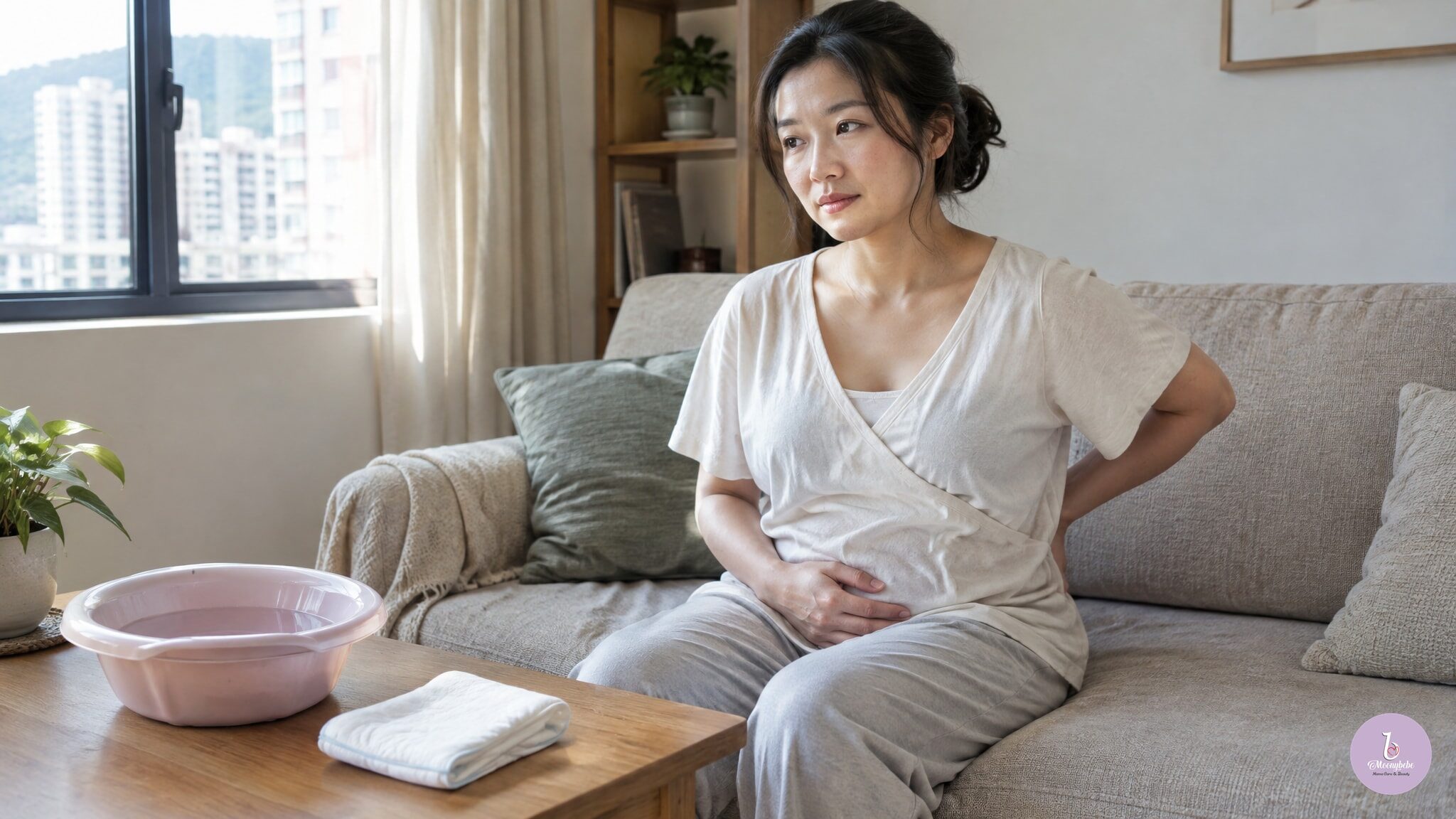
How Long Does It Take to Recover After Childbirth? A Summary of Recovery Timelines
There’s no one-size-fits-all answer when it comes to postpartum recovery, because different parts of the body heal at different rates. The acute healing of the uterus and delivery incisions typically occurs within the postpartum period (approximately 42 days), while the recovery of the pelvic floor, abdomen, and skin takes several months. If you’re wondering, “Will I be fully recovered once the postpartum Confinement period is over?” this article aims to reassure you: 42 days is a reasonable reference point, but it’s not the finish line. Below, we’ll break down the recovery process by body part and explain when it’s worth seeking professional help. How Long Does Postpartum Recovery Take? Follow a Mom Who Had a Vaginal Birth to See the Sequence of Recovery for Each Body Part To make the timeline more concrete, let’s imagine a first-time mom who had a vaginal birth with an episiotomy—let’s call her Xiaoya. Xiao Ya is a fictional scenario created for editorial purposes; she is not a real case or client testimonial, but is used solely to illustrate how different body parts progress through the postpartum recovery stages step by step. The postpartum recovery period can be divided into three phases: the initial observation period, the postpartum period, and the period following the postpartum period. The focus of each phase is different. Phase One: The Initial Observation Period. After giving birth, Xiaoya remains at the medical facility, where healthcare providers monitor her heart rate, blood oxygen levels, and blood pressure every 15 to 20 minutes, while also checking the firmness of her uterus. During this time, her body temperature rises to about 37°C to 37.5°C, which makes her a little anxious. This is a common change that occurs when inflammatory tissue remains in the body after childbirth, and in most cases, it will gradually return to normal; however, if a fever actually develops, you should inform the medical staff immediately. Wound care also begins to differ at this point. Mothers who have had a vaginal delivery may take a bath 24 hours after giving birth, which helps the perineal wound heal; for cesarean sections, you must wait 24 hours before changing the dressing or performing further wound cleansing. Even though it’s the “first day postpartum,” the care schedules for vaginal and cesarean deliveries differ; you can check directly with the medical staff to confirm which category you fall into. Section 2: The postpartum period (approximately 42 days). During this time, Xiaoya’s uterus gradually contracts, lochia slowly decreases, and the perineal wound gradually heals. Although she looks better day by day, her abdomen and pelvic floor remain relaxed, and daily activities such as holding the baby, breastfeeding, standing up, and squatting place additional strain on her body; her skin is also still adjusting to the changes brought on by pregnancy. When comparing the three stages side by side, the differences become clear: Area Initial Observation Period Postpartum Period (approx. 42 days) After the Postpartum Period Uterus Medical staff monitor firmness Gradually contracts; lochia gradually decreases Based on medical examination results Perineal or surgical incision Depending on vaginal delivery or cesarean section Care begins Gradual healing Continue to monitor for abnormalities Pelvic floor Has just been stretched Still relaxed and under significant strain Gradually returns to a supportive state over the course of months Abdomen Still changing Still relaxed…
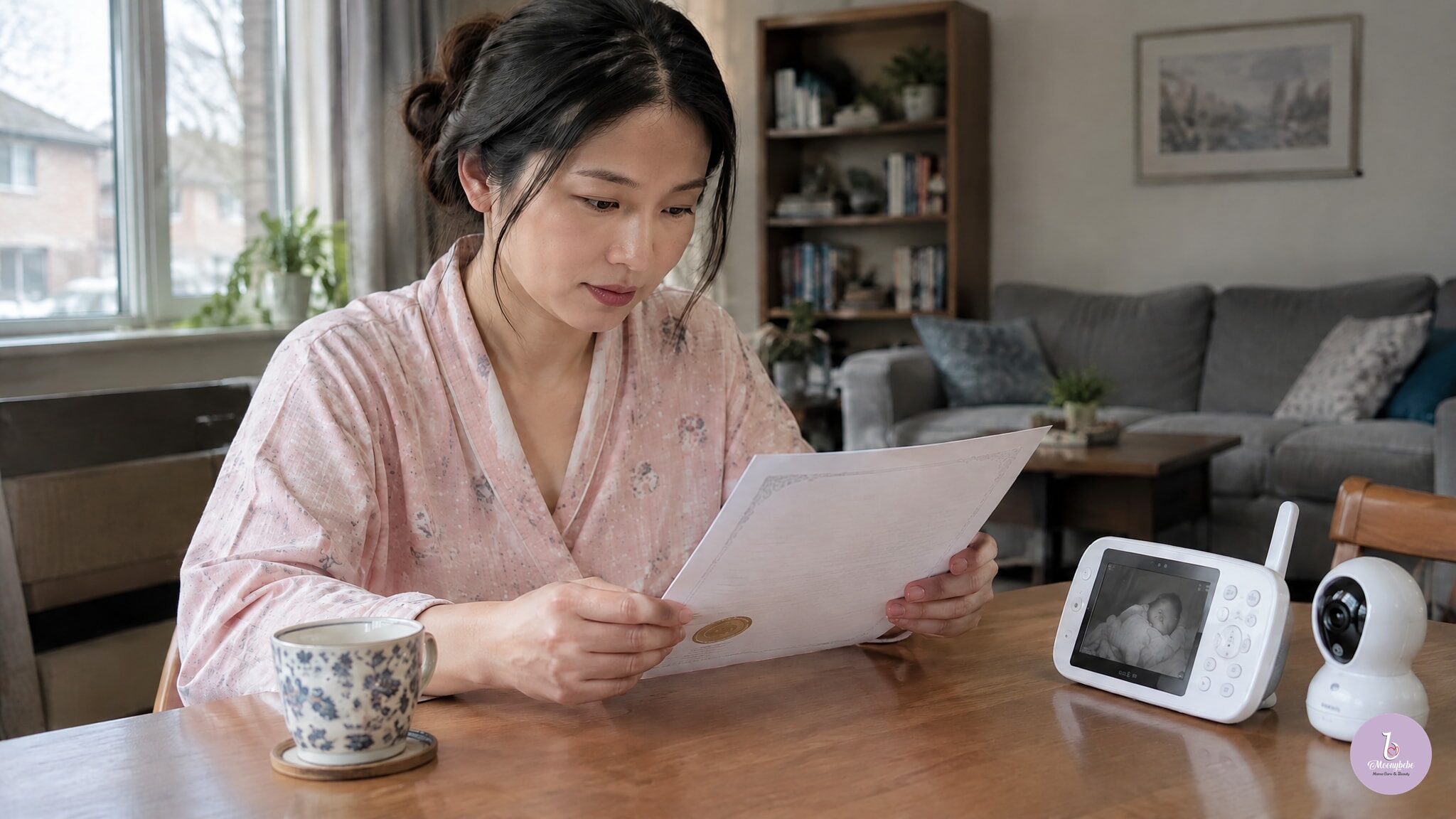
How to Choose a Postpartum Care Center? 5 Essential Tips for New Moms
Welcoming a new life is a joyful moment, but for new mothers in Toronto, Markham, or Richmond Hill, planning for the postpartum recovery period is often accompanied by anxiety and uncertainty. With so many options on the market, many families discover when researching that existing review articles mostly compare the physical facilities of brick-and-mortar postpartum care centers, yet rarely discuss how to comprehensively evaluate in-home services, professional certifications, and the scope of services. This makes it difficult for mothers to find comprehensive information that aligns with their lifestyle and recovery needs when considering how to choose a postpartum care provider. The right choice for postpartum care should not be limited to a matter of location; it also involves verifying professional credentials and developing a personalized recovery plan. How to Choose a Postpartum Care Provider: A Comprehensive Assessment from Legal Certification to Service Models The first step in comparing postpartum care providers is to clarify the legal definitions and the fundamental differences in service models, as these directly impact the baseline standards for maternal and infant safety and the quality of care. According to the Taichung City Government’s Department of Health, “postpartum care homes” established with approval from the competent health authority are the legally designated term; while “postpartum care centers” or “postpartum care facilities”—commonly found in the market—may not use this name unless approved. Taking Taichung City as an example, the Health Bureau conducts annual supervisory evaluations of the 34 registered postpartum care homes to safeguard consumer rights and ensure care quality. This regulation highlights a crucial fact: only facilities that have passed rigorous reviews and are subject to ongoing oversight can provide postpartum care services backed by medical support—rather than merely serving as general commercial establishments offering accommodation and meals. For Chinese mothers living overseas in the Toronto area, although the local regulatory system differs, this logic of “legitimacy” and “regulatory standards” remains the core criterion for selecting high-quality services. Decision-Making Analysis: In-Home Postpartum Care vs. Brick-and-Mortar Facilities When we shift our focus back to real-life scenarios in the Toronto area, the complexity of the decision-making process becomes apparent. Consider a new mother living in Markham who already has an older child at home to care for; she faces a dilemma when evaluating her postpartum care options. If she chooses to stay at a brick-and-mortar facility, the biggest advantage is the 24-hour baby monitoring system and immediate support from professional caregivers. As is commonly advised when selecting a postpartum care center, asking in advance whether the facility has a baby monitoring system—allowing the mother to see her baby around the clock—not only puts parents’ minds at ease but also meets certain safety monitoring standards. This round-the-clock care and monitoring system serves as an irreplaceable safety net for mothers who lack parenting experience or are severely physically drained after childbirth. However, for families hoping to address the emotional needs of their older child, avoid the risk of cross-infection with the newborn, or simply wish to recuperate in a familiar environment, in-home postpartum care services offer a uniquely suitable option. This model allows new mothers to spend their Confinement period in the comfort of their own homes while receiving professional in-home support. However, there is a risk here that must be addressed: once removed from the real-time oversight of an institutional system, verifying the qualifications of service providers becomes even more critical—and more challenging. When choosing in-home services, one cannot rely solely on word-of-mouth or a referral; it is essential to strictly verify that service providers hold internationally recognized professional certifications, such as Registered Massage Therapist (RMT) or Registered Acupuncturist. Without the immediate supervision of a nursing station in a home setting, the independent professional judgment and professional ethics of each in-home service provider are the only line of defense for the safety of the mother and baby. If you are unsure about the screening criteria in this area, “How to Choose a Certified Professional Team” can help you create a specific verification checklist to ensure that the team you select has a substantive medical or therapeutic background—not just a short-term postpartum care training certificate. Timing your booking is also a crucial aspect of the evaluation process that should not be overlooked. Industry experts recommend that mothers begin searching for a suitable postpartum care center as soon as they learn they are pregnant. Around 12 weeks of pregnancy—when you receive the baby’s ultrasound image, pick up your prenatal health handbook, or learn your due date—you should make a reservation to avoid missing your preferred time slot. In other words, even during the early stages of pregnancy, as you’re still adjusting to the changes, you should simultaneously begin the process of securing postpartum care resources. In areas like Toronto, where high-quality Chinese-language postpartum care services are relatively scarce, planning ahead is essential to ensuring you can select a service that meets certification standards and fits your schedule. Postpartum Care Comparison: Planning Your Stay Duration and Reviewing Professional Care Services Once you’ve established the service model and verified its legitimacy, the next step in comparing postpartum care options involves a thorough review of both quantitative metrics and qualitative content. Many first-time mothers, when evaluating options, are easily drawn to luxurious decor or exquisite meals, yet overlook the physiological recovery timeline and the depth of professional intervention required for postpartum recovery. It is recommended that postpartum care last at least 14 days so that the baby has sufficient time to receive care from professional caregivers, and the mother can rest, recuperate, and learn about postpartum health education; if the budget allows, options such as 21 days, 28 days, or even 40 days can be chosen to ensure the most thorough postpartum rest. This timeframe is not arbitrary but is based on the biological timeline required for uterine involution, wound healing, and the establishment of lactation. A stay shorter than 14 days often provides only superficial relief for the body; it is insufficient for deep tissue repair and the internalization of newborn care skills, making it easier to experience secondary issues such as physical and mental breakdowns or breastfeeding difficulties after returning home. Beyond the duration of the stay, the quality of professional care is what truly distinguishes high-quality postpartum care from ordinary lodging services. When evaluating a facility, focus should shift from physical facilities to professional expertise to confirm whether the institution or service team has a comprehensive medical staff. This includes whether there are regular rounds by obstetricians or pediatricians, whether certified lactation consultants are on staff, and whether nursing personnel hold valid professional licenses. These professional roles exist to address potential postpartum medical emergencies, breastfeeding difficulties, or newborn health abnormalities—not merely to provide routine daily care. Particularly when it comes to breastfeeding support, many mothers fail to distinguish between lactation massage and medical-grade breastfeeding guidance, mistakenly believing that simply having someone help with a massage will resolve all feeding issues. In fact, the difference between a lactation massage and a lactation consultant lies in the fact that the former focuses on physical unblocking and relief, while the latter involves feeding strategies, correction of latch positions, and medical assessment of milk supply; the two complement each other but serve distinctly different functions. If your postpartum care options lack this level of specialized support, even a full 28-day stay may simply prolong an ineffective recovery process. For families considering Confinement at home or a combination of in-home services, this professional checklist is equally applicable—and may even require more rigorous scrutiny. In postpartum care facilities, these professional resources are typically bundled into care packages; however, when recovering at home, you must proactively verify whether the in-home care team can provide the same level of care. Moonybebe’s guide to Toronto’s in-home Confinement care services details how to implement professional treatments—such as traditional abdominal binding, pelvic floor rehabilitation, and lactation massage—in a home setting, ensuring that mothers unable to stay at a facility can still receive evidence-based recovery support. This ability to break down facility-level expertise and adapt it for the home setting is a crucial factor in evaluating the flexibility and depth of services when comparing modern postpartum care options. The Final Step in Choosing Postpartum Care: Contract Review and Alignment with Personal Needs After completing the screening and comparison process described above, the final decision must be based on your specific needs and a thorough review of the contract details. This step is often viewed as an administrative formality, but it is actually the final line of defense for safeguarding your rights and ensuring the service meets your needs. Before signing any postpartum care contract, be sure to review each clause to confirm that the fee structure is transparent, the refund policy is reasonable, and infection control measures comply with current public health standards. Having these terms clearly spelled out in writing can effectively prevent future disputes arising from misunderstandings, sparing you the distraction of resolving conflicts during the vulnerable postpartum period. More importantly, be honest about your physical condition and specific needs, and use these as the ultimate basis for selecting the right service. Every mother’s postpartum recovery journey is unique: Mothers who have had a cesarean section may require a longer period of wound care and scar repair; mothers who have experienced a difficult delivery may urgently need pelvic realignment and pelvic floor muscle rehabilitation; and mothers experiencing breastfeeding difficulties may require frequent in-home lactation consultations and breastfeeding guidance. These highly personalized needs often cannot be fully addressed by a single, standardized institutional package. In such cases, it is particularly crucial to find a team that holds international certifications and can provide modular services. Whether you ultimately choose to stay at a facility during Confinement or recover at home, you should ensure that your postpartum care options truly address these individualized recovery processes—rather than relying solely on generic rating lists. If you find that you have the specific recovery needs mentioned above but are unsure whether existing options are sufficient to support them, consider scheduling a free consultation on postpartum recovery plans to receive a professional assessment tailored to your situation. This will transform your postpartum care selection from a blind comparison into a targeted investment in your recovery. #PostpartumCare #ConfinementInToronto #PostpartumRecovery #ChoosingAConfinementCenter #In-HomeConfinementCare #PelvicRehabilitation #Breastfeeding #NewMoms…