When looking for postpartum massage in the Greater Toronto Area, the most common challenge isn’t a lack of options, but rather that while the names of the services offered by each provider may seem similar, their scope varies. Some offer only a single service, while others provide packages tailored to different stages of recovery; some clearly state the practitioners’ registration status, while others list only the business name and promotional slogans.
This article does not rank any companies, nor does it discuss prices. It simply demonstrates one thing: how to break down your needs and evaluate each company using the same set of criteria, so that your comparison is well-founded.
How Do Postpartum Massage Services in the Greater Toronto Area Compare? Let’s Start with a New Mom Who Just Brought Her Baby Home
The following is a hypothetical scenario used to illustrate the steps involved in a comparison; it is not a real case study or a customer testimonial.
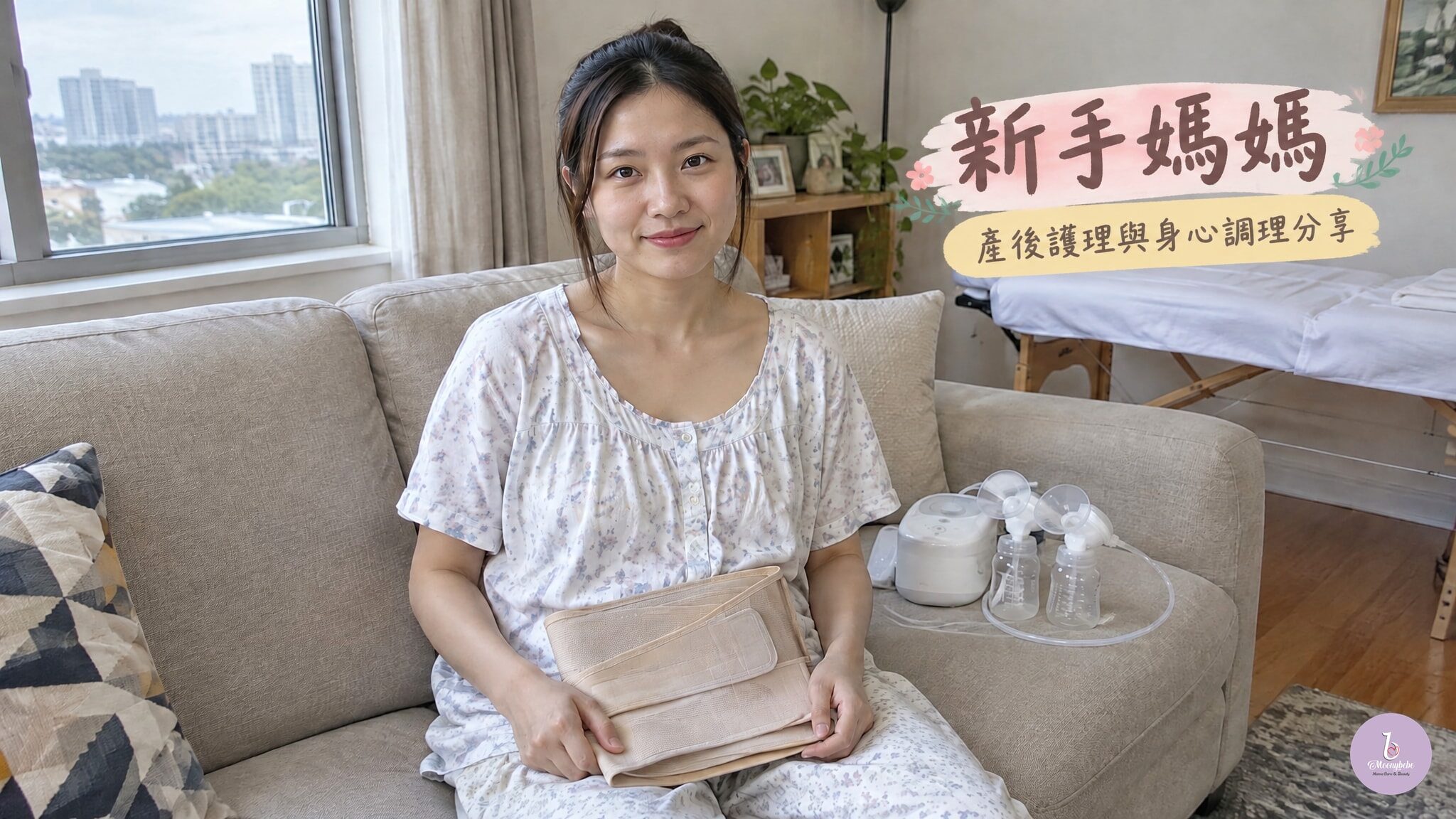
She lives in Markham and has just returned home from the hospital; her C-section incision is still healing. She has several concerns on her mind: recurring breast engorgement, loose abdominal skin, and aching in her lower back and pelvis. On top of that, she has to get up every two or three hours at night to breastfeed, leaving her severely sleep-deprived.Her elders hope she will follow the traditional postpartum confinement practice of wearing a belly band, but she herself is unsure whether she should start doing so while her incision is still healing.
Step 1: Rank them by urgency first
Her condition is not in the same category. If the breast engorgement is only localized and the breast feels hard, a lactation massage can usually be scheduled; however, if it is accompanied by a fever, or if the breast appears red, swollen, hot, or painful, she should first consult a healthcare professional for an evaluation before deciding whether to proceed with the massage.
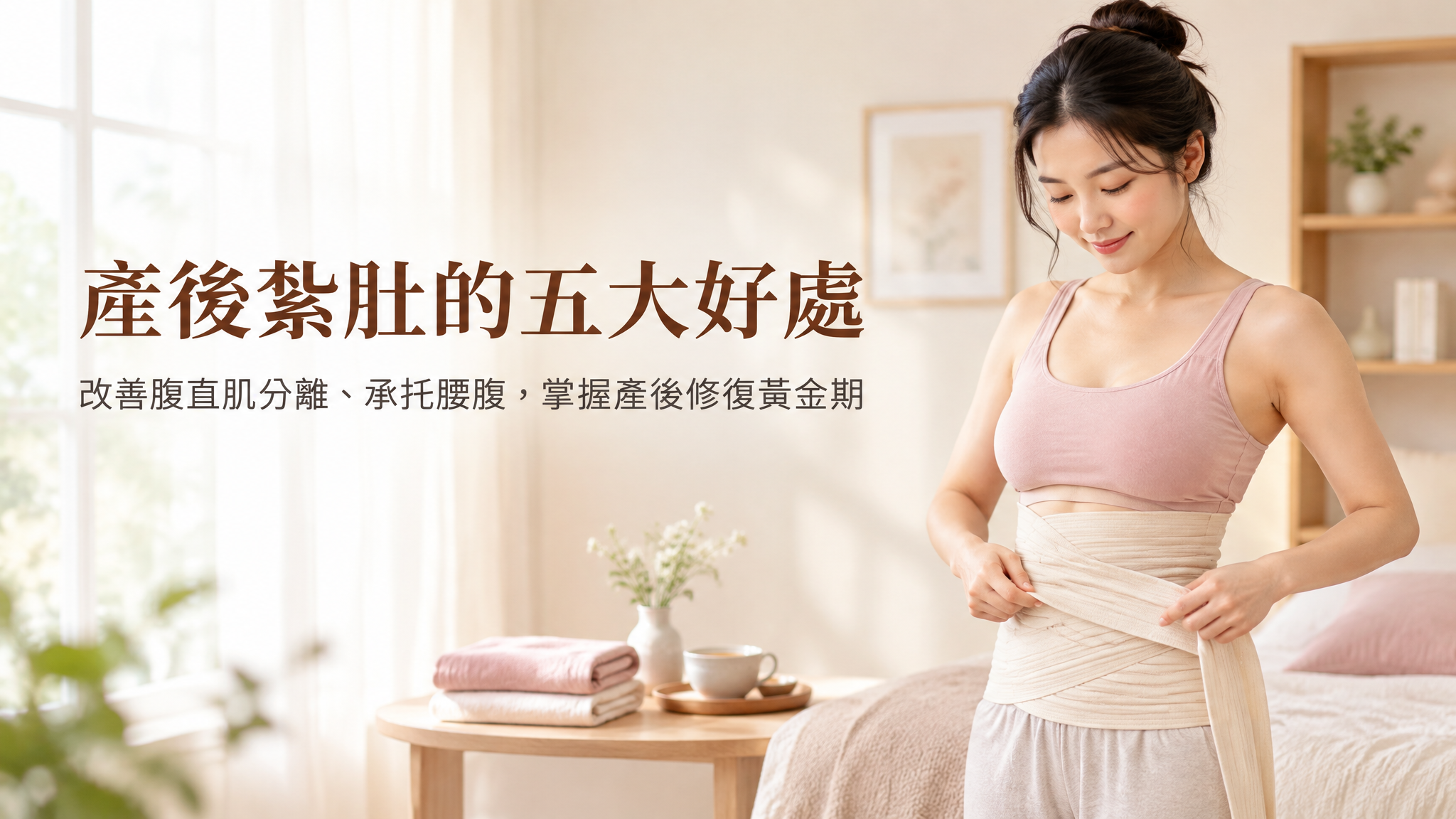
The same applies to wearing a postpartum girdle; the timing depends on the method of delivery and the condition of the incision. Mothers who have had a C-section, in particular, should not base their decision solely on “how many days have passed.” They should first read about when to start wearing a postpartum girdle and the precautions to take, and then ask their healthcare provider to assess the appropriate timing based on the incision’s healing progress.
Step 2: Break down the requirements into aspects, then compare them with the scope of services
When comparing postpartum massage services in the Greater Toronto Area, don’t focus on the service names at first. Instead, break down your condition into several aspects—the abdomen, breastfeeding, the pelvis, skin, and physical strength—and then compare the services item by item.
In her case, the correspondence is roughly as follows:
- Breast Massage: This corresponds to the lactation massage; for more details, please refer to the lactation massage treatment description.
- Abdominal Looseness: This corresponds to traditional abdominal binding; if combined with body contouring, you should also confirm whether it is appropriate for the post-C-section recovery period.
- Lower Back and Pelvic Pain: Pelvic realignment or postpartum acupuncture can help relieve tension and discomfort.
- Skin: If you have stretch marks or skin issues around a wound, you can inquire about skin repair options.
If you choose only a single treatment among these needs, it will address only one aspect.This is often where providers offering similar services differ: some focus primarily on individual treatments, while others offer postpartum massage packages that can be adjusted according to the stage of recovery—for example, focusing on breastfeeding and relaxation during the first two weeks, then adding abdominal binding or pelvic restoration once the incision has stabilized.
Another thing to keep in mind is whether the provider has clearly explained what they cannot do. Lack of sleep cannot be remedied by massage, and conditions such as wound infections, fevers, or mastitis fall under the purview of medical care. Providers who are willing to clearly explain their limitations are generally more trustworthy than those who simply offer “comprehensive wellness treatments.”
Step 3: Confirm who is actually treating you
In Ontario, both Registered Massage Therapist (RMT) and Registered Acupuncturist are regulated professional titles. You can verify a practitioner’s status through the public registry of the respective regulatory body; this is the easiest way to verify a practitioner’s qualifications. It takes only a few minutes to check, and you don’t have to rely on what the clinic tells you.
What matters is the person who actually provides your treatment—whether at your home or in the clinic—not the clinic’s name, the therapist’s title, or any “professional certifications” listed in advertisements. For more information on how to verify this, see “How to Identify a Certified Professional Team.”
Step 4: In-Home Service or In-Store Visit
She’s just had surgery, so having to go out with her newborn in her arms, ride in a car, and find a parking spot is a burden in itself; plus, feeding times are unpredictable, so her scheduled appointments are likely to be disrupted at the last minute by the baby. For a mother like this, in-home services are better suited to the baby’s schedule, and she doesn’t have to leave her child in someone else’s care.
Going to a facility isn’t a bad idea. If you have limited space at home, find it inconvenient to have people come over, or simply want to get out and get some fresh air, going to a facility is a reasonable option.Neither option is inherently right or wrong; the key is to make a decision based on your physical stamina, breastfeeding schedule, and home environment. For more details on in-home arrangements, please refer to the guide on arranging in-home postpartum care services.
Brands as one example for comparison
Moonybebe is one example worth comparing. Its services include traditional postpartum binding (including the Bengkung method), lactation massage, pelvic floor rehabilitation, postpartum acupuncture, skin rejuvenation, and body contouring, all provided by registered massage therapists and acupuncturists. The brand states that its therapists hold internationally recognized certifications.Services are available either in-home or at the clinic, covering Toronto, Markham, Richmond Hill, and the Greater Toronto Area. The services are designed to allow mothers to schedule their recovery while caring for their babies.
This is merely a point of reference for comparison and does not represent the only option. Postpartum recovery varies from person to person, and the timing and content of treatment should be adjusted based on the method of delivery, the condition of the incision, and breastfeeding status. Therefore, a responsible provider will conduct an assessment first and then arrange a treatment plan, rather than simply applying a one-size-fits-all approach.
How should I ask about postpartum massage packages? Asking the same set of questions will help you compare the differences.
The descriptions for each company are all very well written, so it’s hard to tell which one is better just by looking at their websites. A more effective approach is to ask each company the same set of questions and then compare their answers side by side; this way, you’ll have a common standard for evaluation.
The following set of questions follows the criteria outlined in the hypothetical scenario in the previous paragraph:
- Who Will Be Treating Me: Who will actually be providing my treatment? Are they a licensed massage therapist or a licensed acupuncturist? Where can I verify their licensing status?
- Service Format: Is this a standalone treatment, or can it be part of a postpartum massage package? Can the treatment be adjusted based on my stage of recovery?
- Scope of Services: Which requests are covered by the scope of services, and which are not? How are situations handled when a request falls outside the scope?
- Flexibility: In-home or in-store visits—can you accommodate my baby’s schedule? What if I need to reschedule at the last minute?
- Health Screening: Before the treatment, will you review my delivery method, incision, and breastfeeding status? Is there a process for referring me to a doctor?
- Tradition and Modernity: For traditional practices such as waist binding, should the timing and tightness be determined based on modern physical assessments?
When evaluating answers, there’s a simple rule of thumb: specific responses and a willingness to acknowledge limitations are good signs. If the other party gives vague answers, keeps circling back to the store’s name and reputation, or avoids addressing “what they can’t do,” it’s worth asking follow-up questions—because evasion itself is a form of information.
This set of questions won’t determine the “best provider” for you, nor can it guarantee the effectiveness of the treatment; what it does is highlight the differences between providers. A comparison of postpartum services in Toronto based on this set of questions provides a more accurate picture of your family’s specific situation than a simple ranking.
If you’d like to see a more comprehensive selection framework, you can read Key Considerations for Choosing a Postpartum Care Facility and use it in conjunction with this checklist.
Safety Guidelines Before Choosing GTA Postpartum Services: When to Seek Medical Attention First
Massage and acupuncture can help relieve postpartum discomfort, but they are not a substitute for a medical evaluation. If any of the following conditions occur, please have a doctor or other healthcare professional evaluate you before deciding whether to continue with treatment:
- Persistent fever.
- Localized redness, swelling, warmth, and tenderness in the breast.
- The wound is red and swollen, or there may be abnormal discharge.
- Swelling or pain in one calf.
If you experience chest pain, difficulty breathing, or heavy bleeding, do not wait for your scheduled appointment; seek medical attention immediately or call emergency services.
A responsible provider will advise you to consult a healthcare professional first if any of these situations arise, rather than continuing with the treatment; this is why the health screenings mentioned earlier are so important. When comparing services, you might want to make “How would you handle these situations?” a standard question to ask; the way they answer will reveal whether they prioritize your safety.
Once you’re ready, the next step is simple. Start by considering three things: your current recovery stage (vaginal delivery or C-section, and the condition of your incision), your breastfeeding situation (whether you’re experiencing clogged ducts and if you have a set feeding schedule), and your home situation (whether an in-home visit or an in-clinic appointment is more suitable).Then, by scheduling a free consultation, our team will work with you to assess the right service package for your needs. There’s no need to rush into a decision—just let’s talk about your situation first.
#GreaterTorontoAreaPostpartum #PostpartumMassage #GTAPostpartumServices #PostpartumMassagePackages #TorontoPostpartumServices #MarkhamPostpartumCare #BreastMassage #TraditionalAbdominalBinding #PelvicRestoration #PostpartumAcupuncture