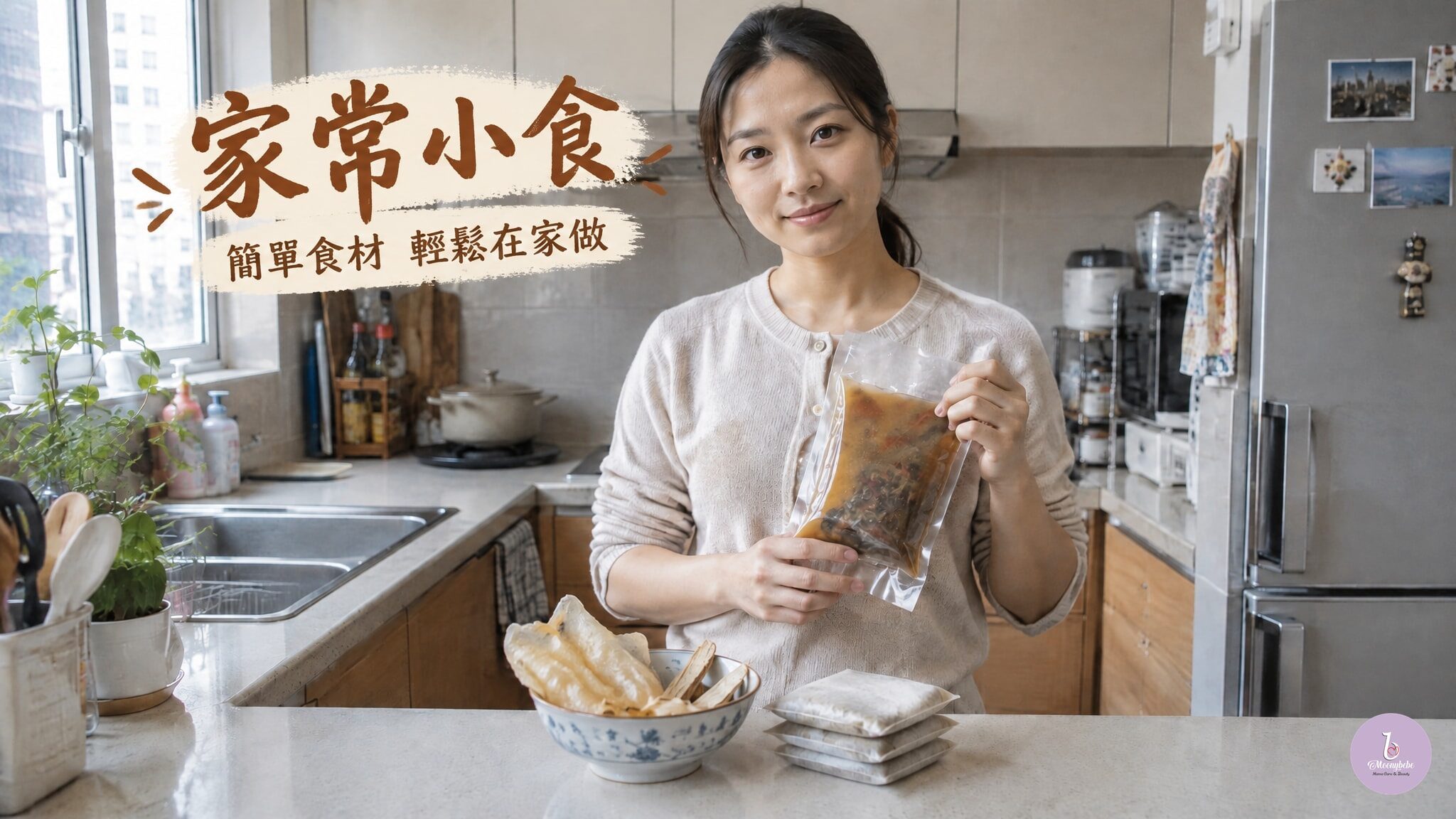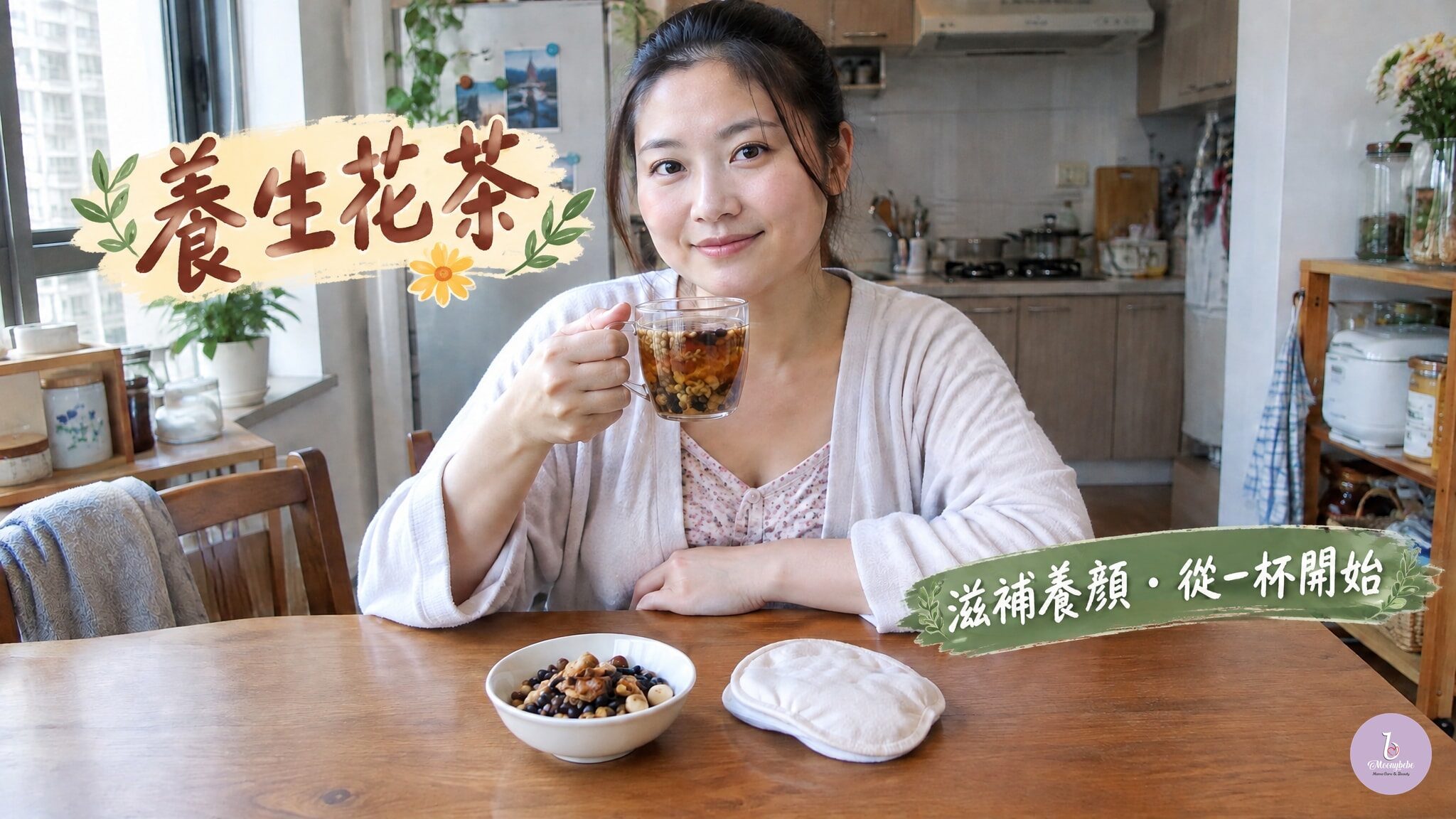
When mothers experience low milk supply after giving birth, many of their first thoughts is to brew a cup of roasted rice tea. Does roasted rice tea help increase milk supply? The answer isn’t simply yes or no—it depends on the specific situation you’re facing.
How Can Milk-Infused Fried Rice Tea Help? Tea Drinks and Lactation Massages Each Play Their Own Role
In the second week after giving birth, a mother noticed a hard lump in her left breast that was painful to the touch and had slightly reddened skin. Worried that her milk supply was insufficient, she drank several cups of roasted rice tea a day, hoping to “soften” the lump.
This line of thinking is quite common, but the approach needs to be adjusted. Fried rice tea is a common herbal tea substitute in the Chinese postpartum recovery tradition. It is often associated with hydration, regulating the spleen and stomach, and promoting milk production; there is nothing wrong with incorporating it as part of daily health maintenance.However, a lump is a localized blockage in the mammary glands of the breast. The general principle of lactation care is that milk supply is primarily regulated by the frequency and efficiency of milk ejection; therefore, the key is to ensure that milk continues to flow smoothly. Relying solely on increasing fluid intake is unlikely to resolve a localized blockage.
Moonybebe’s services are provided by Registered Massage Therapists (RMTs) and internationally certified acupuncturists, and lactation massage is also included in our services.From a professional perspective, trained practitioners use gentle techniques to facilitate milk flow rather than applying forceful pressure; for more information, please refer to the section on managing engorgement and blocked milk ducts.
Some mothers find that drinking it helps with milk flow, which is mostly due to hydration and the fact that they’re finally able to sit down and rest for a while; however, the results vary from person to person. There is limited high-quality research on herbal teas, so the claim that “drinking it will increase milk flow” should not be taken as fact. Furthermore, roasted rice tea is not a suitable substitute for expressing milk or massage.
Tea is a supplementary measure; when experiencing engorgement, it should be combined with a professional lactation massage.
What should I do if I don’t have enough milk during the postpartum period? First, determine whether you have a low milk supply or a blocked duct.
Low milk supply is often related to insufficient pumping frequency or ineffective latching, and may also be influenced by fatigue and stress; a clogged duct, on the other hand, is a localized issue characterized by hardness and tenderness in a specific area of the breast—herbal teas cannot replace proper treatment for this condition. Since the causes and treatment approaches for these two conditions differ, you should first distinguish between them clearly before deciding which aspect to address.
If engorgement persists, when should you seek professional help?
Common symptoms of a clogged milk duct include localized hardness, tenderness, and occasionally slight redness and warmth. If you experience any of the following, please seek medical attention or consult a lactation consultant as soon as possible; do not rely solely on herbal teas or massage while monitoring the condition on your own:
- A lump or redness and swelling that persists or spreads
- Fever and chills may be related to mastitis.
- Sore nipples or significant pain while breastfeeding
- Are you worried about your baby’s feeding or weight gain?
If you’re not sure who to turn to, start by learning the difference between a lactation massage therapist and a lactation consultant.
When to Drink Milk Tea During the Postpartum Period and Precautions During Breastfeeding
Many people suggest waiting until the early postpartum period has passed and your milk supply has stabilized before you start drinking milk tea. This is based on general experience and varies from person to person; you can adjust accordingly based on your physical condition and the advice of your healthcare provider.
Moonybebe Lactation-Boosting Roasted Rice Tea—also known as the 56-pack of Postpartum Lactation-Boosting Roasted Rice Tea—is made by roasting a blend of three-color rice, dried tangerine peel, black beans, longan, akebia, goji berries, and black sesame seeds. It is caffeine-free and suitable for breastfeeding mothers as part of their daily health regimen.Simply follow the recommended serving size on the package; there is no need to increase the amount in an effort to “boost milk supply quickly.”
This formula contains traditional Chinese medicinal ingredients such as Tongcao. Mothers who are currently taking medication or have chronic health conditions should consult a doctor or pharmacist before use. If you experience any discomfort after consumption, stop use immediately and consult a healthcare professional.
If a lump, redness, or pain persists, please consult a doctor or lactation consultant first for an evaluation, and then inquire about lactation massage services as needed. Services are available both at home and at the studio; appointments can be scheduled for a consultation.
#MilkBoostingFriedRiceTea #PostpartumTea #LactationMassage #CloggedMilkDucts #PostpartumBreastfeeding #DuolunPostpartumCare