On the path to postpartum recovery, older family members often say, “Get acupuncture, wear a postpartum girdle, and take good care of yourself during the postpartum Confinement period,” while the hospital’s postpartum checkup reminds you to pay attention to your pelvic floor and abdominal muscles. These two sets of advice seem to contradict each other, leaving many new moms stuck, unsure of whose advice to follow first.
Actually, this isn’t an either-or situation. Traditional Chinese medicine and Western medicine each excel at treating different conditions; the key factors—symptoms, the stage of the postpartum period, and safety assessments—determine which approach should take the lead and which should provide support at this stage.
Traditional Chinese Medicine and Western Medicine for Postpartum Recovery: The Principles and Appropriate Applications of Acupuncture and Physical Therapy
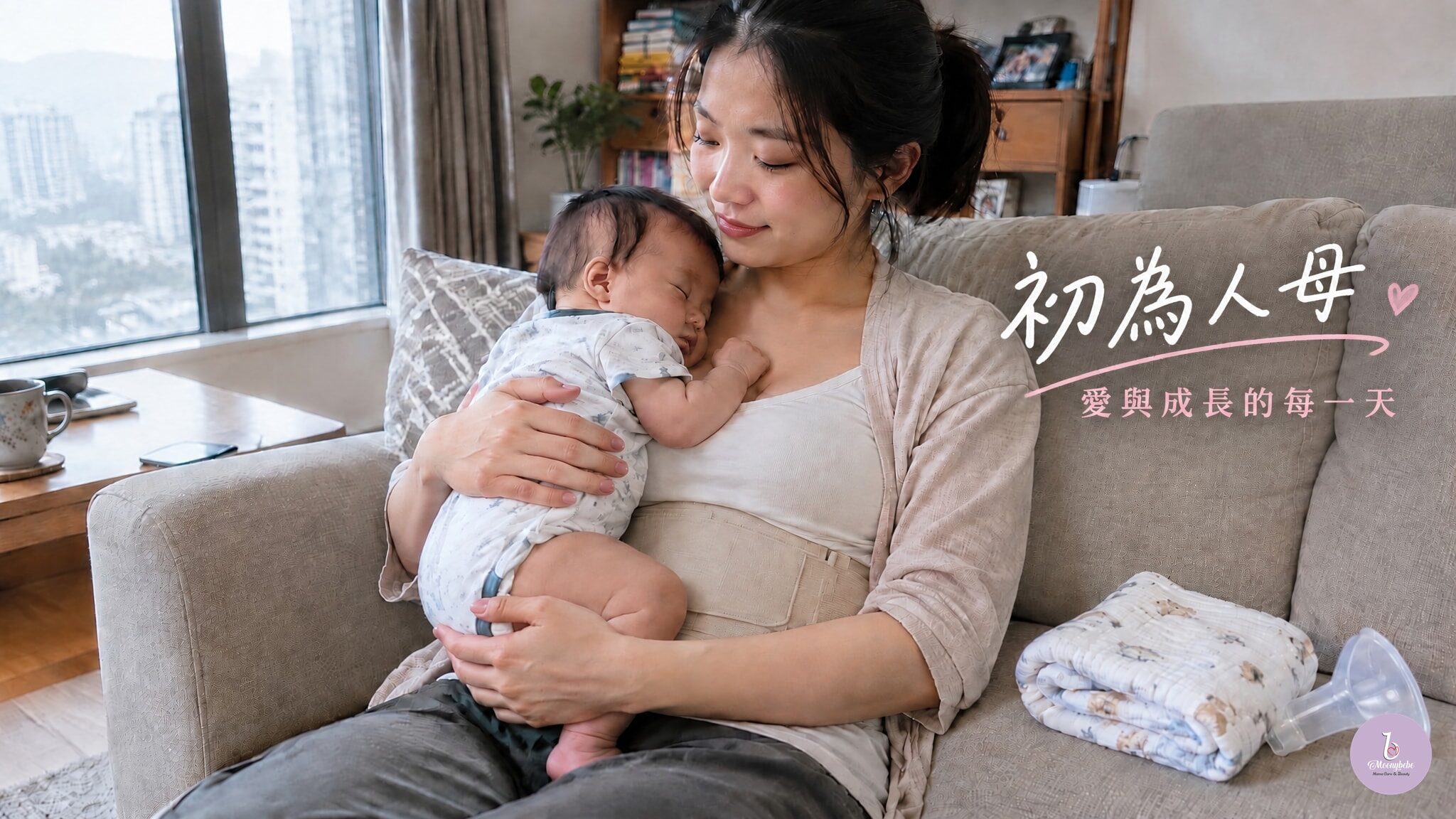
Let’s first consider a typical new mother. She has just been discharged from the hospital and is currently breastfeeding. After holding and feeding her baby, the soreness in her lower back and pelvis has become increasingly noticeable; she occasionally experiences urinary leakage when she coughs or laughs; and she feels a sense of looseness and weakness along her midline.She wants to follow her elders’ advice and observe the traditional “Confinement period” at home, but she’s unsure whether she should make an appointment with an acupuncturist first, or see a doctor and physical therapist.
The two systems have different starting points. Western medicine and physical therapy focus on observable and measurable structures and functions, such as wound healing, bleeding, rectus abdominis diastasis, and whether the pelvic floor muscles can contract and relax normally.In contrast, TCM—through acupuncture and traditional therapeutic methods—approaches postpartum weakness, aches, and stiffness by examining the flow of qi and blood and the body’s overall condition, with the goal of helping the body relax and alleviating discomfort.
Step 1: First, a doctor will rule out any conditions requiring immediate attention. Bleeding, infections, and wound complications cannot be delayed. If you had a cesarean section, the doctor will also need to assess how well the incision is healing.The doctor will also assess your emotional state and sleep patterns: persistent low mood or being unable to sleep through the night may require professional support—these issues cannot be resolved simply by getting more rest. If this step is not addressed, all other recovery measures should be put on hold for the time being.
Step 2: Structural Issues and Urinary Incontinence—Leave It to Postpartum Physical Therapy. A postpartum physical therapist will assess the severity of rectus abdominis diastasis and the condition of the pelvic floor muscles, then address these issues through progressive exercises. Rectus abdominis diastasis and pelvic floor function are typically evaluated first by a physician or physical therapist, and the intensity and progression of the exercises are determined based on the results.
Until the evaluation is complete, you should not directly copy high-intensity core exercises found online, as doing so without an evaluation may make your existing discomfort more pronounced.
This mother’s urinary incontinence and sensation of abdominal laxity are structural and functional issues, and physical therapy plays a key role in addressing them. To learn about another aspect of pelvic stability, please refer to the information on postpartum pelvic correction.
Step 3: For aches and stiffness, consider acupuncture. Her lower back pain is likely caused by prolonged periods of holding her baby and breastfeeding postures, which lead to persistent muscle tension. Postpartum acupuncture is particularly effective in this area: it helps relieve aches and stiffness and allows the body to relax.In Traditional Chinese Medicine, this is described as regulating qi and blood to help the body feel more comfortable during the postpartum period when it is still weak. Acupuncturists do not use acupuncture to improve pelvic floor function or rectus abdominis diastasis; those issues still require progressive exercises based on a professional assessment.
Regarding the evidence, it’s important to be honest: the effectiveness of acupuncture varies depending on the symptoms; while it offers significant relief for some conditions, its benefits remain limited for others. It’s more accurate to say it “helps relieve” symptoms rather than “cures” them. If you’d like to learn more about how it’s actually organized, you can read about the at-home care approach for postpartum acupuncture in Toronto.
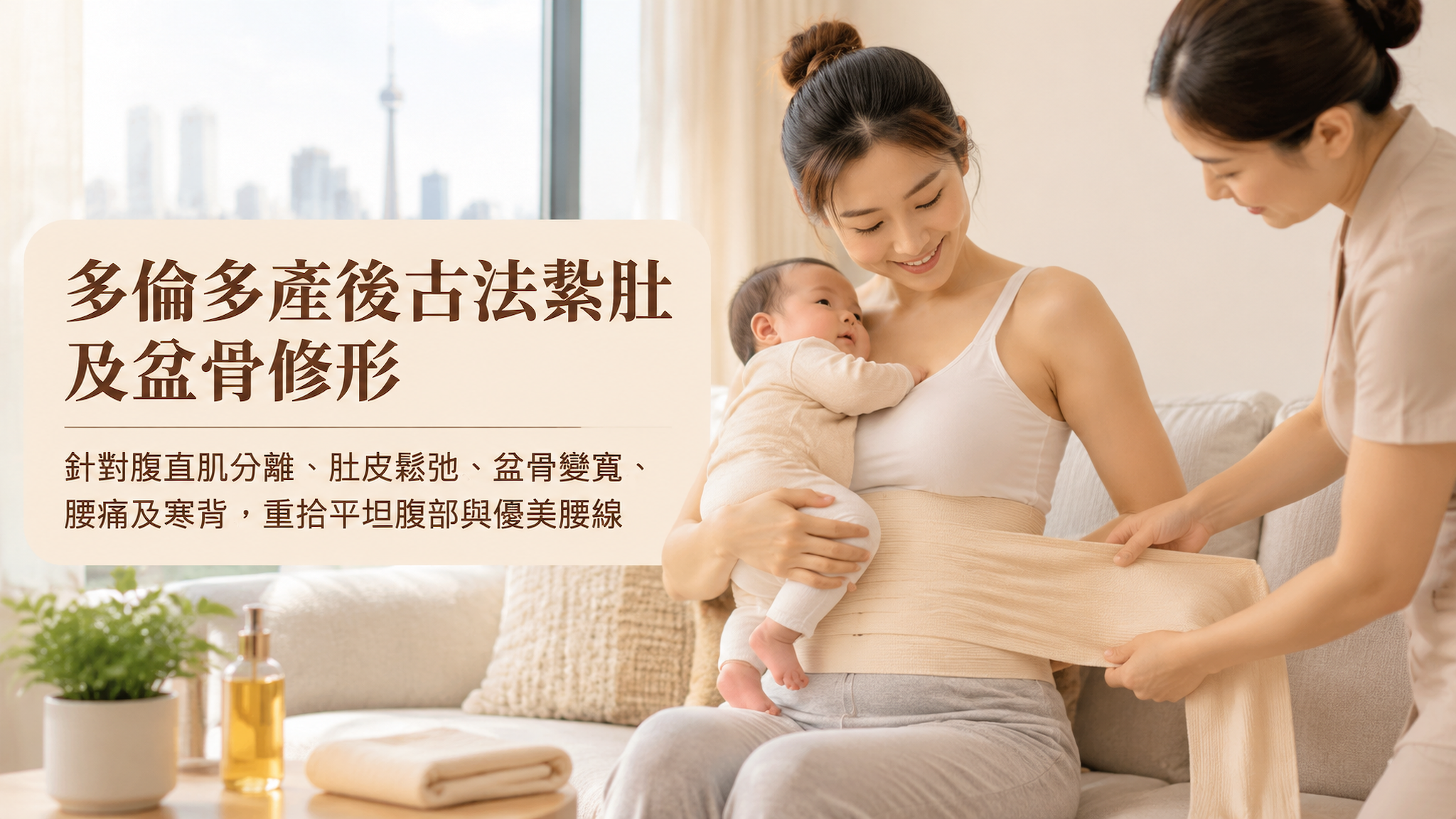
Step 4: Daily Convalescence, Building on the Tradition of the Postpartum Confinement Period. Rest, staying warm, a mild diet, and wearing a postpartum girdle are part of this mother’s daily routine and form the foundation for other methods. Wearing a postpartum girdle should be guided by the principle of comfort; its value lies in providing support and comfort, not in correcting body structure.As for claims such as “abdominal binding can pull back loosened abdominal muscles,” these go beyond the scope of current evidence.
For this mother, the primary care provider changed at different stages. Immediately after being discharged from the hospital, it was the doctor; a few weeks later, once it was confirmed to be safe, physical therapy began to address structural issues and urinary incontinence; when significant soreness arose during the training period, acupuncture or massage was added to provide relief; and during Confinement, recovery was a constant throughout the entire process.
If, following an evaluation, there are no medical issues that need to be addressed first, and you’d like to arrange additional care for the pelvic area beyond physical therapy, you may want to learn more about Moonybebe’s pelvic restoration services, provided by registered massage therapists.
Neither approach is a one-size-fits-all solution. The results depend on your individual assessment and on your ability to stick with the program consistently—not on which method sounds more impressive.
Sequence and Division of Labor in Integrated Traditional Chinese and Western Medicine Treatment
Building on the previous example, the sequence can be summarized as a simple principle: safety checks come first; assessment and training of the structure and pelvic floor are the central focus; and relaxation and recovery proceed in parallel, provided they do not interfere with the training. Traditional postpartum Confinement serves as the foundation of rest and warmth throughout the entire process.
The real challenge in integrating traditional Chinese and Western medicine lies not in the quantity of treatments, but in ensuring that all parties are kept informed.Your medical history, the medications and herbal remedies you’re currently taking, and the exercise regimen prescribed by your physical therapist must all be shared with the other professionals. Otherwise, the acupuncturist may not know what exercises you’re doing, and the physical therapist may not know what treatment you’ve just completed—which could lead to conflicting instructions from both sides.
When scheduling both training and recovery on the same day, be sure to consider the physical strain on your body. If you’ve just completed a high-intensity workout, it’s best to let your therapist know before deciding on your recovery routine for that day.
In this context, a traditional abdominal binder serves only as a supplement; what matters most is whether it feels comfortable when you wear it. If you’d like to compare the principles behind traditional abdominal binders and commercially available shapewear, you can review the differences between traditional abdominal binders and modern shapewear. For practical arrangements, you can refer to the care guidelines for Confinement at home.
This approach to dividing responsibilities is not intended to replace medical care. For any symptoms that require a doctor’s evaluation, self-care should not take precedence over a medical assessment.
How to Choose a Postpartum Recovery Method: Professional Advice and When to Seek Medical Care
When choosing a postpartum recovery method, the first thing to keep in mind is “which situations cannot wait.” If any of the following apply, seek medical attention immediately; do not substitute a recovery regimen for a professional evaluation:
- Massive Bleeding
- Fever
- The wound is red and swollen, or there may be abnormal discharge
- Swelling and pain in one calf
- Chest tightness or shortness of breath
- Persistent low mood, or thoughts of harming oneself
Emotional well-being is often overlooked. Many mothers take their exhaustion for granted and keep it to themselves; however, if fatigue and low mood are already affecting your daily life, take a moment to read about postpartum fatigue and emotional support—you’ll realize you don’t have to tough it out.
Only after ruling out the above warnings should you proceed to the stage of selecting a practitioner.Before making an appointment, you should prepare a few details to share with your therapist or TCM practitioner: your delivery method (vaginal or cesarean), the symptoms that are currently bothering you the most, any medications or herbal remedies you’re taking, and whether you’re breastfeeding. This information will directly influence the choice of techniques and acupoints.
You should also verify the practitioner’s credentials. Moonybebe’s postpartum services are provided by licensed massage therapists and acupuncturists, available both in-home and at our studio, so you can schedule your recovery sessions while caring for your baby. If you’re comparing different options, our guide on how to choose a postpartum care provider can help you sort through your options.
Every mother’s physical condition is different. This article provides general information and is not a substitute for the judgment of a healthcare professional; the actual course of action should be based on the assessment of your doctor and therapist.
#PostpartumRecovery #IntegrativeMedicine #PostpartumAcupuncture #PostpartumPhysicalTherapy #TraditionalPostpartumConfinement #PostpartumRehabilitation #PostpartumCareinToronto