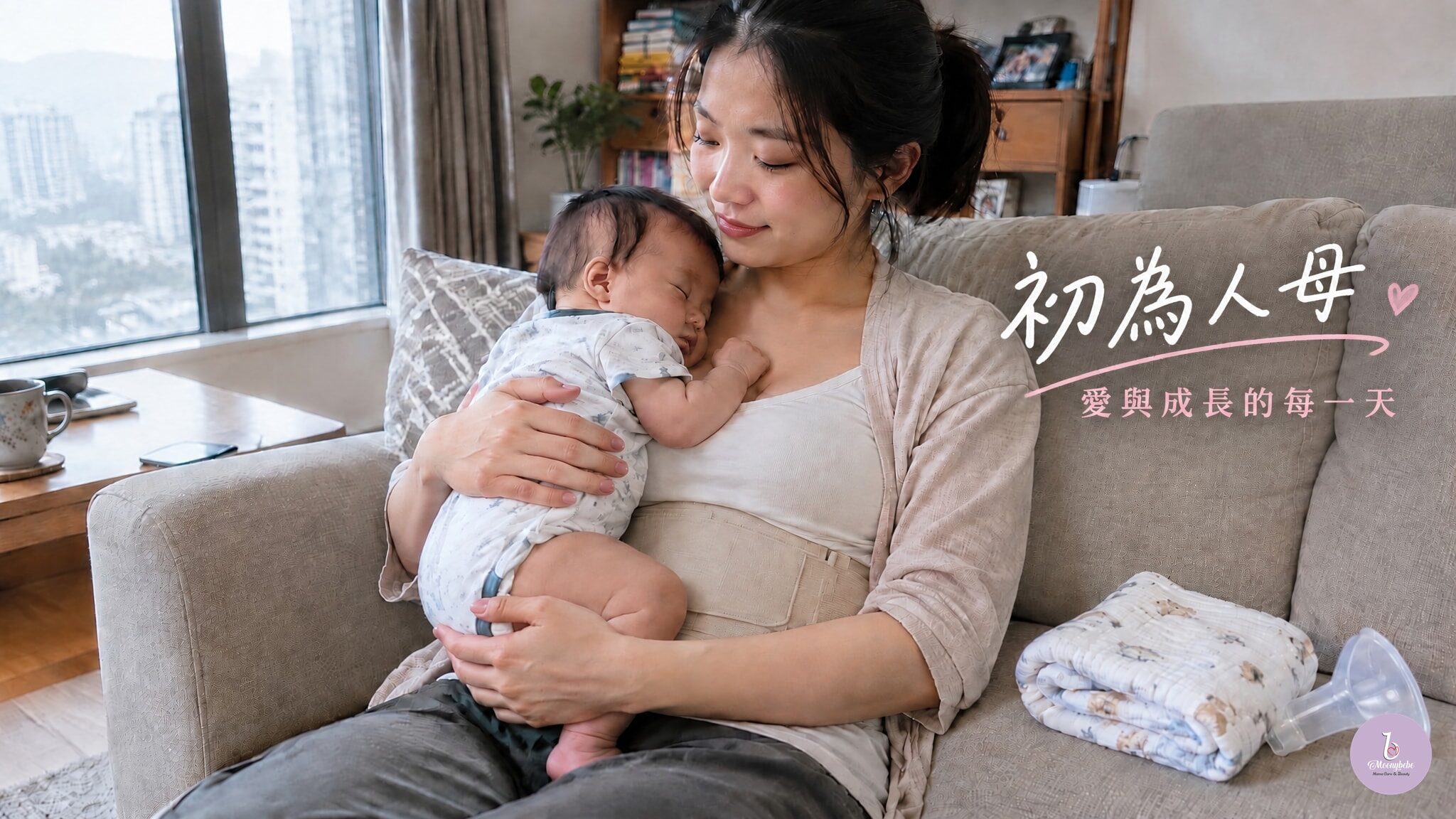
On the path to postpartum recovery, older family members often say, “Get acupuncture, wear a postpartum girdle, and take good care of yourself during the postpartum Confinement period,” while postpartum checkups at the hospital remind you to pay attention to your pelvic floor and abdominal muscles. These two sets of advice seem to contradict each other, leaving many new moms stuck, unsure of whose advice to follow first. In reality, this isn’t an either/or situation. Traditional Chinese Medicine (TCM) and Western medicine each excel at addressing different issues. The key lies in your symptoms, the stage of your postpartum recovery, and safety assessments—these factors determine which approach should take the lead and which should serve as a supplement at this stage. Postpartum Recovery in Traditional Chinese Medicine and Western Medicine: The Principles and Appropriate Scenarios for Acupuncture and Physical Therapy Let’s first look at a typical new mother. She has just been discharged from the hospital and is currently breastfeeding. After holding and feeding her baby, the soreness in her lower back and pelvis has become increasingly noticeable; she occasionally experiences urinary leakage when she coughs or laughs; and she feels a sense of looseness and weakness along her midline. She wants to observe the traditional “Confinement period” at home as her elders have advised, but she’s unsure whether she should schedule an appointment with an acupuncturist first, or consult a physician and physical therapist. These two approaches have different starting points. Western medicine and physical therapy focus on examinable and measurable structures and functions—such as wound healing, bleeding, rectus abdominis diastasis, and whether the pelvic floor muscles can contract and relax normally. In contrast, acupuncture and traditional Chinese medicine treatments address postpartum weakness, aches, and tension by examining the flow of qi and blood and the body’s overall condition, with the goal of helping the body relax and alleviating discomfort. Step 1: First, have a doctor rule out any conditions requiring immediate attention. Bleeding, infections, and wound complications cannot be delayed. If you had a cesarean section, the condition of the incision must also be assessed first. The doctor will also pay attention to your emotional state and sleep: persistent low mood or being unable to sleep through the night may require professional support—these issues cannot be resolved simply by getting more rest. If this step is not successfully completed, all other treatments should be put on hold. Step 2: Structural issues and urinary incontinence should be addressed through postpartum physical therapy. A postpartum physical therapist will assess the degree of rectus abdominis diastasis and the condition of the pelvic floor muscles, then use progressive exercises to address these issues. Rectus abdominis diastasis and pelvic floor function are generally assessed first by a doctor or physical therapist, and the intensity and progression of training are determined based on the results. Before the assessment is complete, it is not advisable to directly follow high-intensity core exercises found online, as doing so without an assessment may exacerbate existing discomfort. This mother’s urinary incontinence and sensation of abdominal laxity stem from structural and functional issues, for which physical therapy is the primary treatment. To learn about another aspect of pelvic stability, please refer to the relevant information on postpartum pelvic correction. Step 3: For soreness and stiffness, consider acupuncture. Her lower back pain likely stems from prolonged periods of holding her child and breastfeeding postures, which cause sustained muscle tension. Postpartum acupuncture is particularly effective in this regard: it helps relieve soreness and stiffness, allowing the body to relax. In Traditional Chinese Medicine, this is described as regulating qi and blood to make the body feel more comfortable during the postpartum period when it is still weak. Acupuncturists do not use it to improve pelvic floor function or rectus abdominis diastasis; those issues still require progressive exercises based on a professional assessment. Regarding evidence, it’s important to be honest: the effectiveness of acupuncture varies by symptom; while there is more support for certain discomforts, the benefits for others remain limited. It’s more accurate to say it “helps relieve” rather than “cures.” If you’d like to understand how this is actually structured, you can read about the postpartum acupuncture home care regimen in Toronto. Step 4: Daily Convalescence, Building on Traditional Confinement Practices. Rest, staying warm, a gentle diet, and wearing a postpartum girdle are part of this mother’s daily routine and form the foundation for other approaches. The use of a postpartum girdle should prioritize comfort; its value lies in support and comfort, not in correcting structural issues. As for claims such as “abdominal binding can pull back loosened abdominal muscles,” these go beyond the scope of current evidence. At different stages, the primary approach for this mother changed. Immediately after discharge from the hospital, it was the doctor; a few weeks later, once safety was confirmed, physical therapy began addressing structural issues and urinary incontinence; during the training period, when soreness was significant, acupuncture or massage was added for relief; and the Confinement period was a constant presence throughout. If an assessment reveals no medical issues requiring immediate attention, and you’d like to arrange additional care for the pelvic area beyond physical therapy, you can learn more about Moonybebe’s pelvic restoration services, provided by registered massage therapists. Neither approach is a one-size-fits-all solution. The results depend on your individual assessment and your ability to consistently follow through—not on which method sounds more impressive. Sequence and Division of Labor in Integrated Traditional Chinese and Western Medicine Care Building on the example above, the sequence can be summarized into a simple principle: safety confirmation comes first; structural and pelvic floor assessment and training are central; and relief and recovery proceed in parallel without interfering with the training; while traditional postpartum confinement serves as the foundation of rest and warmth throughout the entire process. The real challenge in integrated Chinese and Western medicine treatment lies not in the volume of interventions, but in ensuring that all parties are fully informed. Your medical history, any medications or herbal remedies you’re taking, and the exercise regimen prescribed by your physical therapist must all be shared with the other professionals. Otherwise, the acupuncturist may not know what exercises you’re doing, and the physical therapist may not know what treatment you’ve just completed—which could lead to conflicting instructions. When scheduling exercise and relaxation on the same day, you should also consider the physical strain on your body. If you’ve just completed a high-intensity workout, it’s best to inform your therapist before deciding on that day’s relaxation method. Within this framework, the postpartum girdle serves only as an adjunct; whether to wear it depends on your comfort level. To compare the principles behind traditional abdominal binders and commercially available shapewear, you can review the differences between traditional abdominal binders and modern shapewear. For practical lifestyle arrangements, you can refer to the care guidelines for postpartum Confinement at home. This division of responsibilities is not intended to replace medical care. For any symptoms requiring a doctor’s evaluation, postpartum recovery treatments should not take precedence over a medical assessment. How to Choose a Postpartum Recovery Method: Professional Advice and When to Seek Medical Attention When selecting a postpartum recovery method, the first thing to remember is “which situations cannot wait.” If any of the following occur, seek medical attention immediately—do not substitute a recovery regimen for a medical evaluation: Heavy bleeding, fever…

Cart: 0 - $0
No products in the cart.


- Home
- About us
- Moonybebe Service
- Services Details
- Prenatal and Postnatal Care
- Postnatal Natural Belly Binding Treatment
- MaMa’s Sculpt and Glow Pro
- Pelvic Bone Treatment
- Health and Muscle Building Body Sculpting Treatment
- Pregnancy Massage(RMT optional)
- Painless Lactation / Lactation Massage Treatment(RMT optional)
- Postpartum Acupuncture Treatment
- Postpartum Acupoint Drainage Therapy
- Postpartum Stretch Marks & Scar Repair
- Postpartum Hand Therapy
- Infant and Toddler Massage
- Uterus-warming Massage Therapy
- Bust Lift Care Beauty Treatment
- Targeted Care Treatments by Chinese Medicine Practitioners
- Body Care and Fitness
- Postpartum Stretch Marks & Scar Repair
- Health and Muscle Building Body Sculpting Treatment
- Comprehensive Pain Relief Treatment
- Uterus-warming Massage Therapy
- Bust Lift Care Beauty Treatment
- Ice-free and Painless Hair Removal Treatment
- Lymphatic Drainage Massage
- Full-Body Massage for Moms & Dads
- Postpartum Acupuncture Treatment
- Targeted Care Treatments by Chinese Medicine Practitioners
- Beauty Care
- Postpartum Confinement Meal Plan Delivery Service
- Postpartum Care Store
- Testimonies
- Blog
- Client Manager
- Contact us