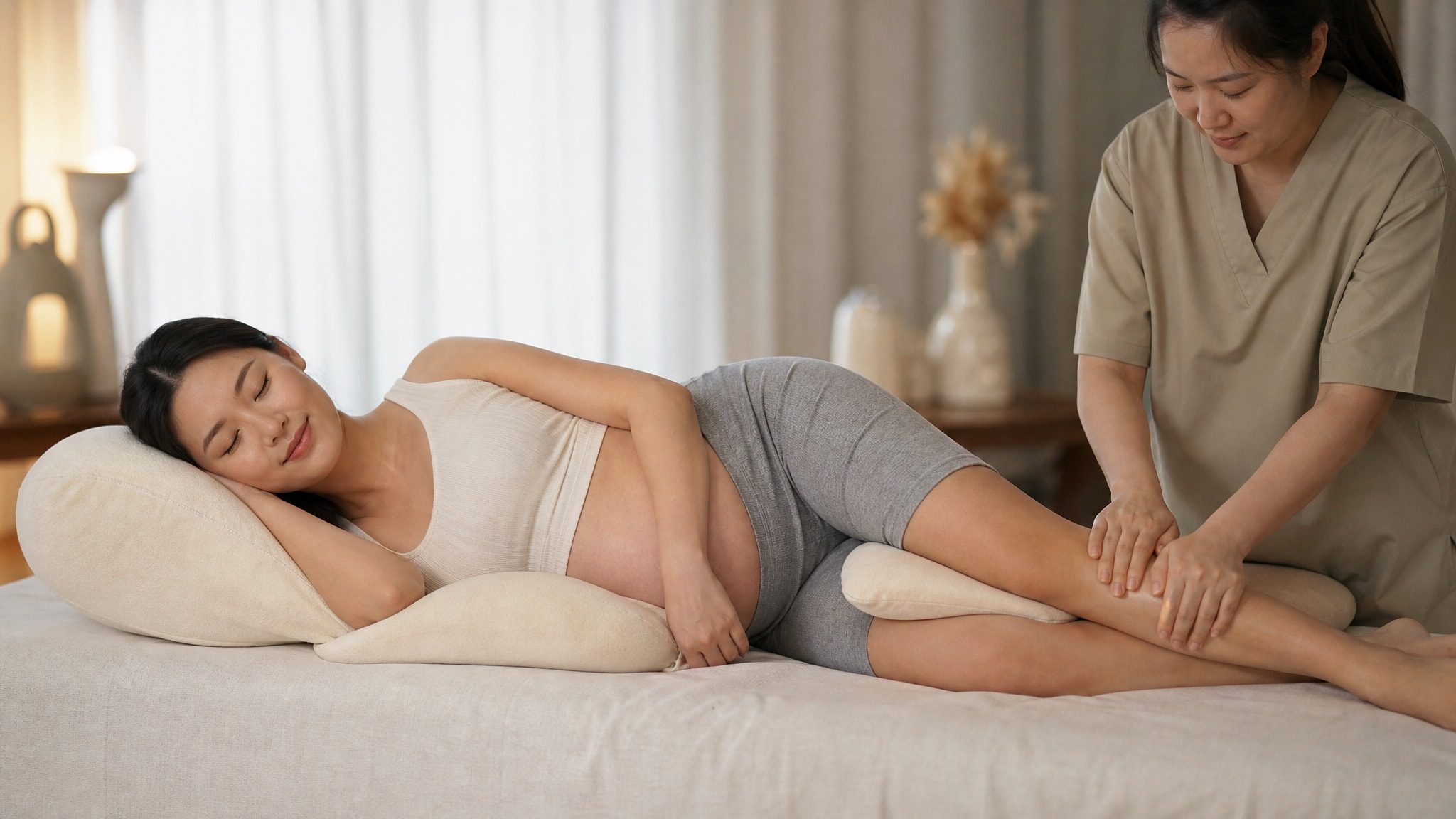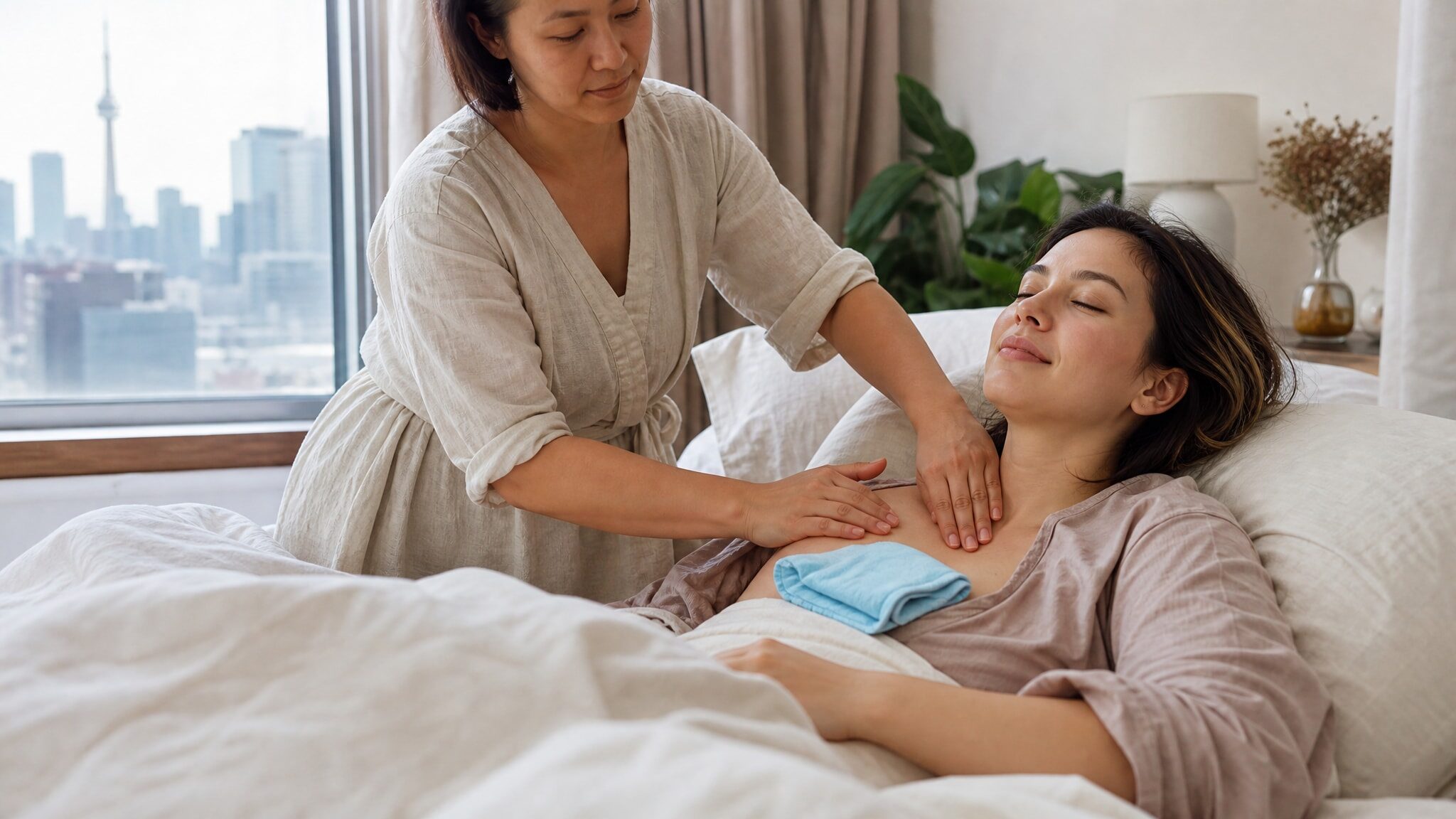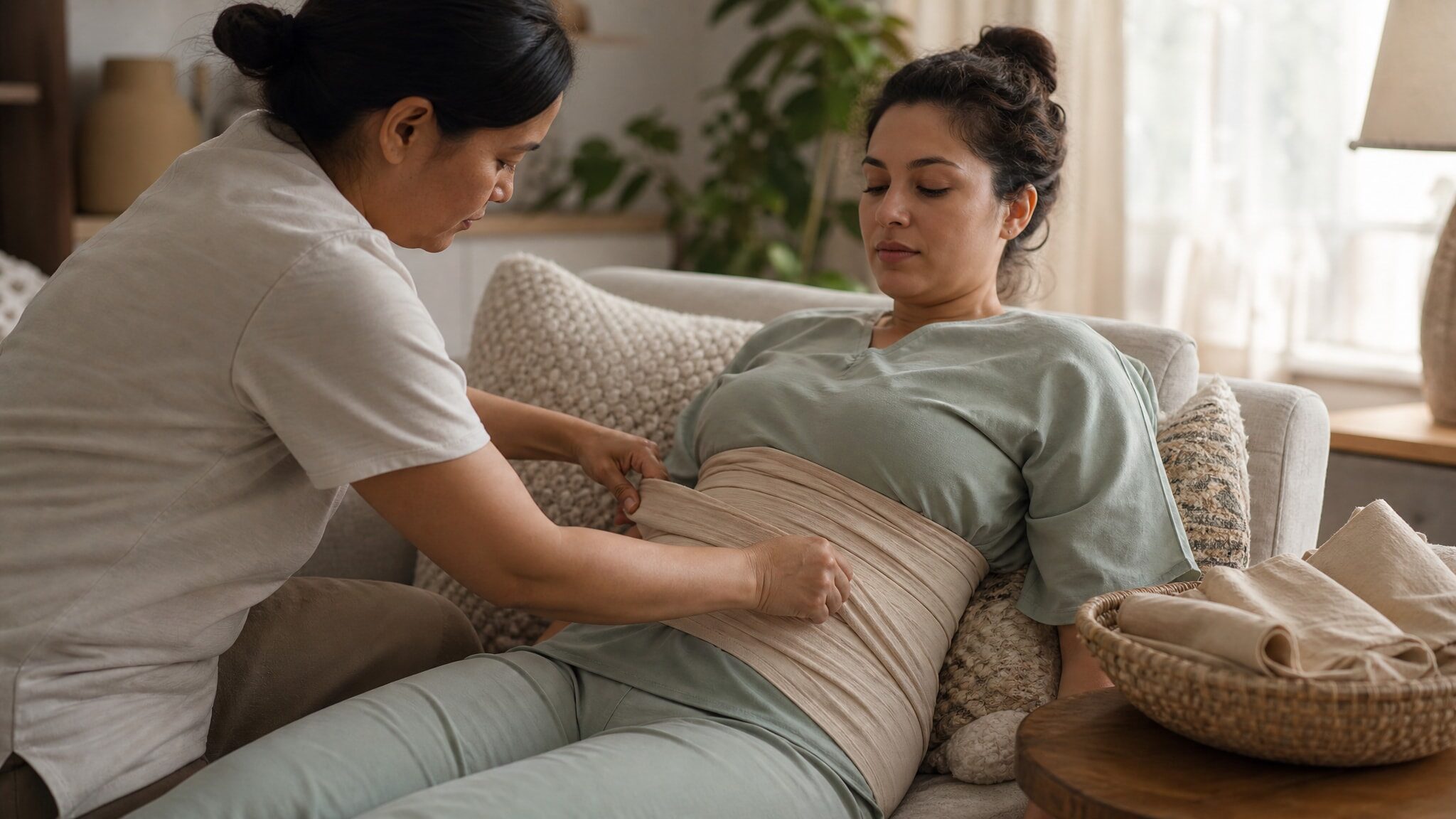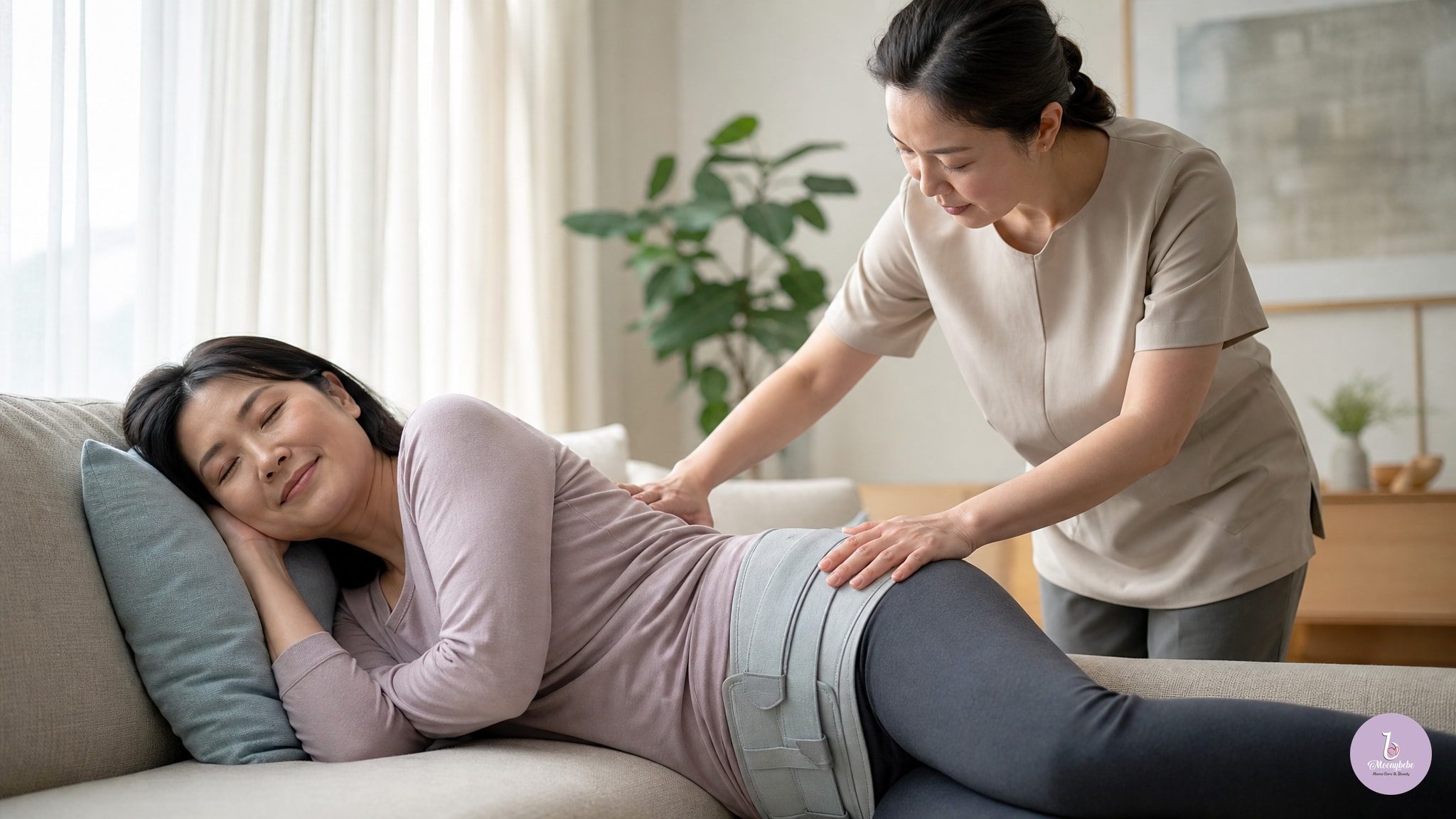
The changes pregnancy and childbirth bring to a woman’s body are comprehensive and far-reaching. Toronto has a unique climate and pace of life, so postpartum mothers need targeted support to restore balance in both body and mind. Many Asian families value the traditional postpartum confinement practice, but from a modern medical perspective, rest alone is not enough to address displacement and laxity in the pelvic structure. If you are looking for professional postpartum pelvic correction services in Toronto, it is important to understand the physiological mechanisms involved and the local resources available.
Why Postpartum Pelvic Rehabilitation Is Necessary
The hormone relaxin released during pregnancy softens the pelvic ligaments and joints, allowing the baby to pass through the birth canal. However, this also leaves the supporting structures unstable after childbirth, and they cannot automatically return to their original position through bed rest alone. If these physiological changes are not properly addressed, they may eventually lead to chronic lower back pain, urinary leakage, or postural imbalance, affecting your ability to care for your baby and your overall quality of life.
Postpartum recovery is not merely a matter of appearance. It also affects long-term structural support and comfort.
Many mothers mistakenly believe that the pain is only temporary. If there is no significant improvement after three months, you should seek evaluation and guidance from a professional physiotherapist rather than attempting to manage the problem yourself, so you do not miss the optimal time for intervention. Pelvic rehabilitation is specifically designed to address these deeper structural issues. Through external support and muscle training, it helps the body return to proper biomechanical alignment.
The Optimal Time for Postpartum Pelvic Realignment in Toronto
Mothers who have had a vaginal birth can generally begin gentle treatment once lochia has ended and any wounds have healed properly. Mothers who have had a C-section should wait at least six to eight weeks and receive confirmation from their doctor that it is safe before undergoing manual treatment. This difference in timing directly affects the safety and effectiveness of the treatment, making an individualized assessment an essential first step.
The first six months after childbirth are considered a critical recovery period, as hormone levels during this time remain favorable for tissue remodeling. However, passing this window does not mean that recovery is no longer possible. Even after the optimal period has passed, substantial improvement may still be achieved through gradual pelvic rehabilitation, provided a professional assessment has ruled out any contraindications. The time required and treatment strategy will simply be different.
Your body has memory, and it also has the ability to heal. The key is providing the right guidance at the right time.
Features of Moonybebe’s Three-Point Pelvic Reshaping Treatment
Moonybebe combines traditional techniques with modern anatomical knowledge to create a systematic approach to postpartum care. Rather than relying on a single technique, this integrated treatment is dynamically tailored to each mother’s constitution and symptoms.
The three-point pelvic contouring treatment combines specialized massage techniques, meridian therapy, and acupuncture, followed by 6 to 8 hours of support with an abdominal binder to reinforce the results and help maintain the correction throughout daily life. The treatment also addresses overall circulation and emotional well-being, as pelvic stability depends not only on structural realignment but also on a supportive internal environment.
For more information about the specific procedures and indications, please visit the Pelvic Rehabilitation Treatment Details page.
The Convenience of In-Home Services
Traveling back and forth to a clinic with a newborn can be a significant burden for many mothers. This is especially true during Toronto’s harsh winters or busy traffic seasons, when going out can itself become a source of stress. In-home services eliminate the need to travel, allowing you to receive treatment in the most familiar environment. This can promote greater mental relaxation and help your body respond more effectively to recovery.
This approach is particularly suitable for mothers who need to breastfeed frequently or care for their baby at night, as treatment times can be arranged flexibly around their routines without disrupting the rhythm of childcare. In your own home, you may also feel more comfortable expressing discomfort or specific needs, allowing the therapist to adjust the intensity and focus of the treatment in real time.
A familiar sense of safety is itself part of the healing process.
Therapist Qualifications and Safety Standards
Therapists who provide pelvic rehabilitation must be Registered Massage Therapists or internationally certified acupuncturists, ensuring that all techniques comply with medical-grade safety standards and ethical guidelines. These professionals receive rigorous training and can accurately assess wound healing, identify contraindications, and monitor your responses throughout the treatment to prevent secondary injury caused by inappropriate pressure or force.
If you still have concerns about the safety of prenatal or postpartum massage, you can also read the Prenatal Massage Safety Guide as a reference.
Consultation and Personalized Assessment Process
The first step in beginning pelvic rehabilitation is a free initial consultation. Through a health history and postural assessment, the therapist will learn about your delivery method, current symptoms, and recovery goals before developing a personalized treatment plan. This assessment does not pressure you to decide immediately how many sessions you need. Instead, it provides enough information for you to make an informed decision.
We encourage mothers experiencing postpartum pelvic pain or postural concerns to seek a professional assessment rather than relying on fragmented online information or trying unverified remedies on their own. Everyone’s physical condition is different, and a method that works for someone else may not be suitable for you. Only an in-person assessment can establish a safe and effective recovery plan.
You can contact Moonybebe today to book a consultation and let the professional team support you throughout your recovery journey.
#PostpartumRecovery #PelvicRehabilitation #TorontoPostpartumCare #PostpartumCare #Moonybebe #InHomeMassage #NewMom
Frequently Asked Questions
How soon after childbirth can pelvic rehabilitation begin?
Mothers who have had a vaginal birth can generally begin gentle treatment once lochia has ended and any wounds have healed. Those who have had a C-section should wait six to eight weeks and receive confirmation from their doctor that it is safe. The actual start time should still be determined after an in-person assessment by a Registered Massage Therapist to ensure that treatment does not interfere with the tissue-healing process.
What specific techniques and support tools are included in the Three-Point Pelvic Reshaping Treatment?
The treatment combines specialized massage techniques, meridian work, and the use of a dedicated abdominal support belt. The belt should be worn for 6 to 8 hours after treatment to consolidate the results. All techniques are performed by internationally certified acupuncturists or Registered Massage Therapists, with the intensity and focus adjusted dynamically according to each individual’s physical condition.
Are in-home pelvic correction services available in the Toronto area?
Yes. Moonybebe provides in-home pelvic rehabilitation services in Toronto, Markham, Richmond Hill, and throughout the Greater Toronto Area. Therapists bring the necessary equipment to your home, allowing you to receive treatment in a familiar environment without having to travel to a clinic with your newborn.
What professional qualifications do the therapists providing pelvic rehabilitation have?
All services are personally provided by Registered Massage Therapists in Ontario or internationally certified acupuncturists, in compliance with medical-grade safety standards. They have received specialized postpartum training and can accurately assess wound status and contraindications to ensure that treatment is safe and effective.
Is pelvic realignment treatment still suitable if more than six months have passed since childbirth?
Yes, although the recovery strategy and expected timeline may differ from those during the optimal recovery period. A professional therapist will first assess your current pelvic stability and soft-tissue condition, then design a gradual treatment plan to help improve discomfort and postural concerns step by step.