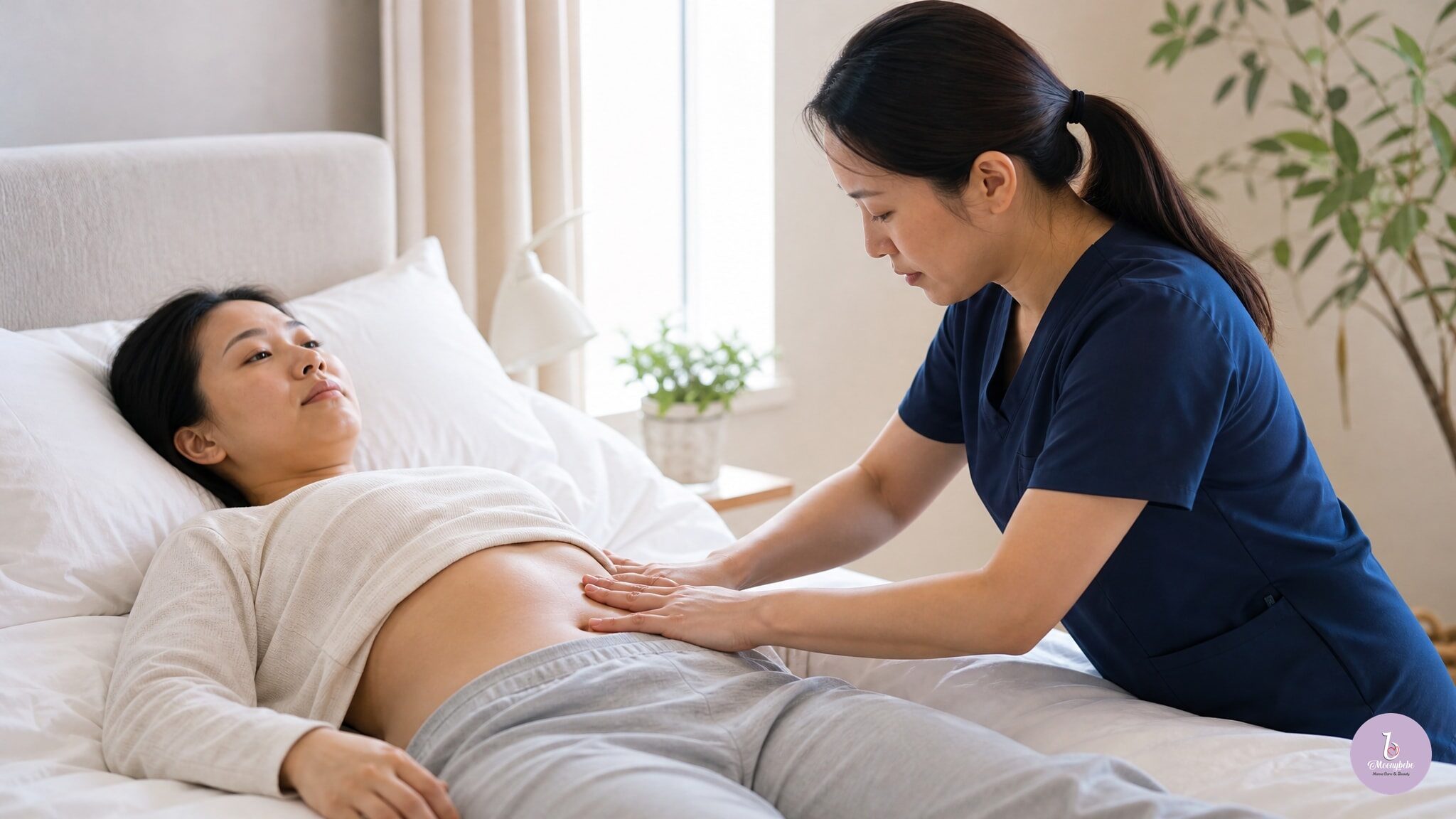
Pregnancy is a joyful journey, but it also brings significant physical changes. As the baby grows and hormone levels fluctuate, many expectant mothers experience discomfort such as lower back pain, swelling, and sleep disturbances. Prenatal massage is a non-pharmacological way to relieve these symptoms. When performed by a qualified professional with expertise in prenatal and postpartum care, it can provide relief while protecting the safety of both mother and baby. This is more than a general relaxation treatment. It is therapeutic care specifically designed around the physiological changes of pregnancy and requires precise medical knowledge and sound clinical judgment to deliver meaningful benefits.
Benefits of Prenatal Massage for Physical and Emotional Well-Being
Relieving Back Pain and Swelling
Weight gain and a forward shift in the center of gravity during pregnancy place additional strain on the spine and pelvis. This can cause muscles to remain chronically tense, leading to persistent pain. Professional prenatal care uses targeted myofascial release and lymphatic drainage techniques to improve circulation and reduce swelling in the lower limbs. This type of physical intervention can address accumulated fatigue in the deeper tissues more effectively than rest alone. Registered Massage Therapists advise avoiding deep pressure on the abdomen and certain acupressure points during pregnancy, while monitoring the mother’s responses throughout the session to ensure the safety of both mother and baby.
Improving Sleep Quality and Reducing Anxiety
Good sleep is essential for fetal development, but frequent urination and physical discomfort often prevent expectant mothers from getting deep, restorative rest. Appropriate touch therapy can help regulate the autonomic nervous system, lower cortisol levels, and increase serotonin, promoting more stable sleep at night and reducing prenatal anxiety.
Massage Priorities and Contraindications by Trimester
Safety Considerations During Early Pregnancy (First Trimester)
The first three months of pregnancy are a critical period for embryo implantation and organ development, when the body may be more sensitive to external stimulation. During this stage, gentle touch is generally recommended, while deeper techniques may need to be postponed. If you have a history of recurrent miscarriage or are currently experiencing bleeding, abdominal pain, or other signs of an unstable pregnancy, consult your obstetrician and inform your therapist before treatment. Do not undergo any form of bodywork without a medical assessment.
Treatment Priorities During the Second and Third Trimesters
By the second trimester, the placenta is well established, making this the safest and most comfortable window for receiving bodywork. At this stage, more focused treatment can be used to relieve increasing strain in the back and legs. During the third trimester, particular attention must be paid to positioning and pressure. Therapists should avoid stimulating reflex areas that may trigger contractions and remain alert for signs of preterm labor or risks associated with complications such as gestational hypertension.
High-Risk Conditions in Which Massage Is Strictly Contraindicated
Not every pregnancy-related discomfort should be treated with touch therapy. Certain medical conditions are absolute contraindications, and proceeding with massage could endanger both mother and baby. If you have been diagnosed with placenta previa, placental abruption, severe preeclampsia, deep vein thrombosis, or uncontrolled gestational diabetes, avoid this type of treatment entirely. These conditions require medical monitoring, not relaxation services.
Key Qualifications to Look for in a Prenatal Massage Therapist
Professional Certification and Prenatal Experience
A general massage therapy license does not necessarily cover the specialized needs of prenatal and postpartum care. Confirm that your therapist is a government-registered Registered Massage Therapist and has completed specialized prenatal and postpartum training. Moonybebe’s prenatal massage services are provided by internationally certified Registered Massage Therapists who combine knowledge of prenatal anatomy with individualized positioning to ensure that every treatment is grounded in rigorous clinical training.
Knowledge of Prenatal Anatomy and Positioning
Pregnancy changes the laxity of the joints and ligaments, as well as the position of the internal organs. A therapist must know where pressure can be safely applied, which areas must be avoided, and how to adjust the treatment plan according to your stage of pregnancy. Without this anatomical knowledge, massage may not only fail to address the problem but may also cause injury through pressure on the wrong areas or excessive stretching. Professional qualifications are a non-negotiable requirement when choosing a service provider.
Proper Positioning and Treatment Setup for Prenatal Massage
Safe Side-Lying and Semi-Reclined Positions
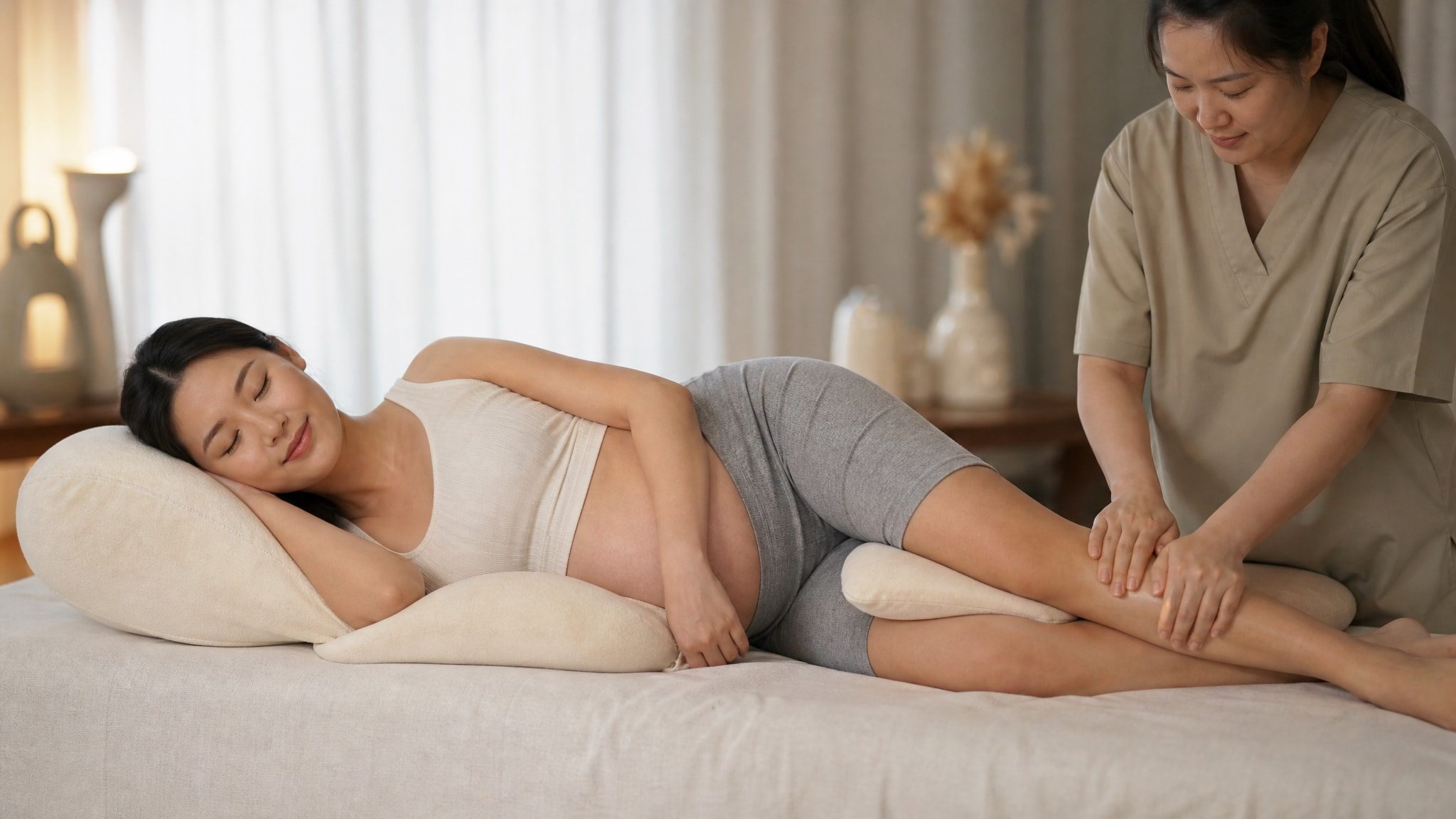
As the uterus grows, proper support and positioning directly determine the safety and comfort of the treatment. A professional therapist will use specialized pregnancy pillows and an adjustable treatment table to keep you safely positioned on your side or in a semi-reclined position. This keeps the spine neutral and relieves pressure on the abdomen. You can remain relaxed throughout the session without worrying about slipping or developing compensatory muscle tension.
Why Supine and Prone Positions Should Be Avoided
Lying face down can place direct pressure on the baby and strain the abdominal ligaments. Lying flat on the back may allow the enlarged uterus to compress the inferior vena cava, potentially causing low blood pressure, dizziness, and reduced blood flow to the placenta. Both positions present clear medical risks during the second and third trimesters. Any service provider who asks you to remain in these positions demonstrates a lack of basic prenatal safety training.
The Difference Between At-Home Comfort Measures and Professional Treatment
Gentle Touch at Home
Gentle touch from a partner or family member can provide emotional support and temporary psychological comfort. This type of interaction has unique value in strengthening family bonds and easing emotional tension. However, at-home touch is limited to superficial relaxation. It cannot address deep fascial adhesions, lymphatic congestion, or specific biomechanical imbalances, nor can it provide the clinical assessment needed to identify signs of underlying medical problems.
When to Seek In-Home or Clinic-Based Care
When discomfort persists or interferes with daily activities, you need professional intervention informed by clinical reasoning rather than simple comforting touch. Many expectant mothers in the Toronto area choose in-home prenatal massage to avoid the strain of traveling and receive professional relief in familiar surroundings. This model is especially suitable for mothers with limited mobility or other children to care for, allowing you to receive clinic-standard care without the burden of transportation.
Continuity Between Prenatal Massage and Postpartum Care
Transitioning From Prenatal Relief to Postpartum Recovery
The body awareness and trust you develop with your therapist during pregnancy can help you transition more smoothly into postpartum recovery because the therapist already understands your physical condition and history of pain. This continuity of care eliminates the time required to adjust to a new therapist after delivery and ensures that needs such as pelvic rehabilitation, scar care, and lactation support can be addressed promptly and precisely. For more information, see the complete guide to recommended postpartum lactation massage.
Combining Traditional Belly Binding With Modern Therapeutic Care
Postpartum recovery involves more than rebuilding muscle strength. It is also a process of supporting the organs as they return to their pre-pregnancy positions and reintegrating core function. Extending prenatal treatment into the postpartum period can significantly improve overall recovery. If you are interested in traditional belly binding, the guide to in-home postpartum belly binding provides detailed instructions on the principles, techniques, and indications. Professional prenatal massage is the first step in establishing this continuum of care. Book a free consultation to assess your current stage of pregnancy and individual needs.
#PrenatalMassage #PregnancyRelief #TorontoPrenatalMassage #RegisteredMassageTherapist #PrenatalAndPostpartumCare #Moonybebe