


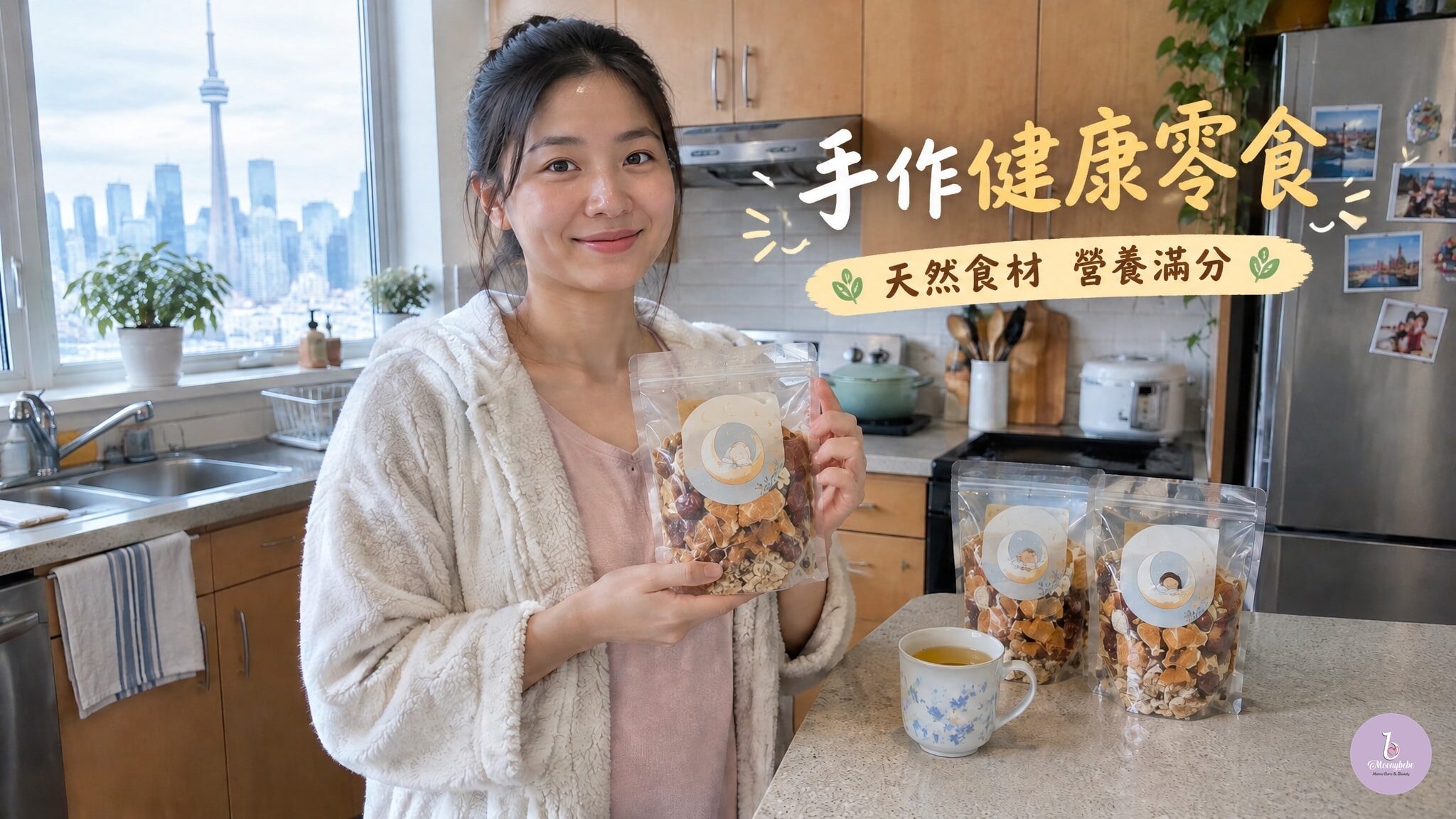
If you search for “fried rice tea” in Toronto, most of the results are either recipes for making it yourself or Chinese e-commerce sites that ship it from overseas. For you, who are recovering from childbirth in the Greater Toronto Area, neither option is very practical: recipes take time, and your body can’t handle the strain right after giving birth; ordering from overseas leaves you unsure about the ingredients and proper preparation methods. Moonybebe is a Toronto-based postpartum care brand that currently sells three varieties of fried rice tea in 56-pack boxes on its official website. This article answers just one question: Which variety should you choose based on your current stage of postpartum recovery? Blood-Nourishing Fried Rice Tea, Lactation-Boosting Fried Rice Tea, and Postpartum Fried Rice Tea: How to Choose the Right One Based on Your Postpartum Stage The three varieties have similar names, but they differ in their ingredient combinations and intended purposes. If you’d like to first determine where you are in your recovery, you can refer to the postpartum recovery timeline and then come back to compare it with the scenarios below. Let’s consider a mother who is observing the traditional postpartum confinement period in the Greater Toronto Area—whether she had a vaginal delivery or a C-section. She is currently in her first postpartum month, breastfeeding during the day, waking up at night for feedings, and beginning to consider returning to work. This scenario serves merely as a framework for interpretation; by following her timeline, the positioning of each of the three products becomes clear. First month postpartum: Start with the “Postpartum” formula. Traditional postpartum care principles generally advocate focusing on nourishing the spleen and stomach in the early postpartum period, gradually introducing tonics, and avoiding excessive tonic intake right from the start. The product page for “Postpartum Rice Tea for New Mothers (56-pack) – Herbal Supplies: Huichun Garden on 16th Street” is positioned based on this concept: whether the delivery was vaginal or by C-section, the focus during the first month is on regulating the spleen and stomach, replenishing vital energy, and not rushing into tonic supplements. The ingredients include three-color rice, dried tangerine peel, longan, southern red dates, northern astragalus, codonopsis, figs, and goji berries—a total of eight items. This is the variety with the most ingredients among the three options and follows a traditional Hong Kong-style postpartum recovery recipe. The product name specifies that the herbal ingredients are supplied by “16th Street Huichun Garden,” which is the clearest indication of its source. To view the full list of ingredients and preparation instructions, visit the product page for “Postpartum Fried Rice Tea for New Mothers.” If your breastfeeding routine is stable and you’re preparing to return to work: Switch to the “Milk-Boosting” variety. Once your breastfeeding routine has settled into a steady rhythm and you begin planning how to balance work and motherhood, the “Milk-Boosting” variety comes in handy. The “Postpartum Mom Milk-Boosting Roasted Rice Tea (56-Pack)” is designed based on Hong Kong’s postpartum dietary therapy principles. Its ingredients include tricolor rice, dried tangerine peel, black beans, longan, akebia, goji berries, and black sesame seeds. The product page positions it as a daily health tonic for breastfeeding mothers. It’s important to clarify that “milk-boosting” refers to the product name and design concept—it is not a guarantee of milk supply. Milk supply is influenced by sleep, diet, the baby’s suckling, and your physical condition; a single cup of tea cannot replace these factors. For complete details, please see the ingredients and recommended consumption methods for the Milk-Boosting Roasted Rice Tea. Read more. If you’re looking for a daily beverage with a simple ingredient list, check out the “Blood-Nourishing” version. If you don’t need too many herbal ingredients and just want a simple postpartum tea for daily consumption, the “Blood-Nourishing Roasted Rice Tea 56-Pack” is the simplest option: three types of rice, dried tangerine peel, longan, goji berries, and red dates—five ingredients in total. The product page explains that red dates, longan, and goji berries help supplement daily nutrition, while dried tangerine peel makes the tea’s flavor more fragrant and smooth. It comes in individual packets for convenient brewing. See the “Blood-Nourishing Roasted Rice Tea (56-Pack)” product page for more details. Simply put, choose the Postpartum Formula for the first month; opt for the Lactation Support Formula for daily care during breastfeeding and preparation to return to work; and select the Blood-Nourishing Formula if you prefer a simpler blend. None of these three are medicines—they are simply everyday beverages. How to Fit 56 Packets into Your Weekly Routine: Both the “Milk-Boosting” and “Blood-Nourishing” product pages recommend consuming 14 packets per week—2 packets per day. Dividing the entire box of 56 packets by 14 packets per week yields exactly 4 weeks, or 28…
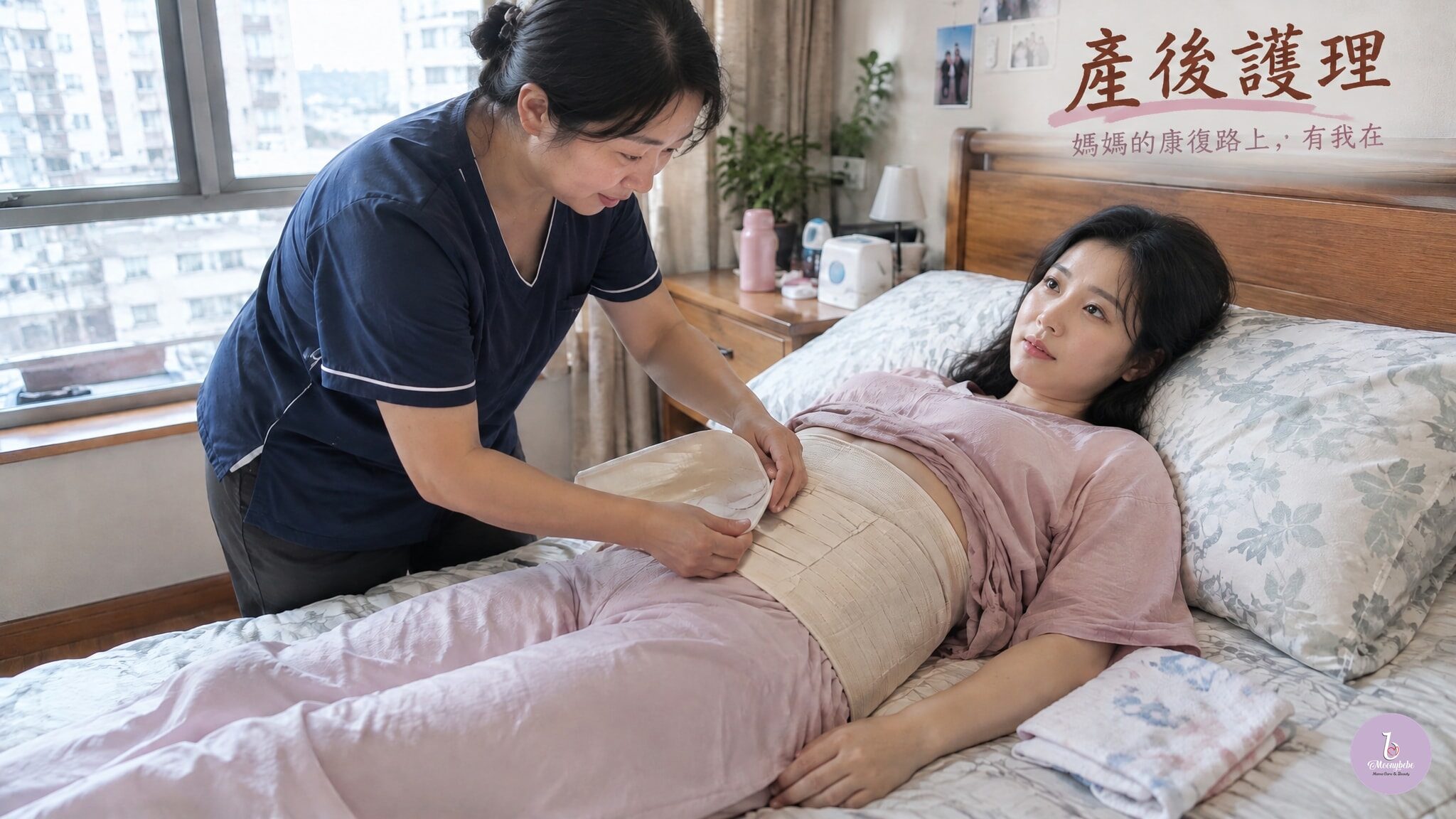
Richmond Hill Postpartum Care Home Visit Services: Moms Can Recover Comfortably at Home
In Chinese families, the first month after childbirth is called “Confinement”: staying indoors as much as possible, staying warm, and allowing the body to gradually recover. But in Toronto, there aren’t always elders around to help, and the cold winter temperatures make going out with a newborn a major undertaking. For new moms living in Richmond Hill, having professional postpartum care come to their home is the closest thing to the spirit of traditional “sitting the month.” This article walks you through the process of arranging in-home postpartum care in Richmond Hill step by step, from making the appointment to the first visit. How Do You Arrange In-Home Postpartum Care in Richmond Hill? From Booking to the First Visit Let’s first look at a hypothetical scenario—this is not a real client testimonial, but rather a typical experience a new mom might go through. She lives in Richmond Hill, is about two weeks postpartum, and is a first-time mom. Her husband works during the day, so she’s caring for the newborn on her own. Her lower back and pelvis are still sore from childbirth, and her abdomen feels loose and unsupported. She has to breastfeed every two to three hours at night and never gets a full night’s sleep. It’s the cold season in Toronto, and just the thought of dressing the baby in a coat and securing them in the car seat is enough to make her give up on the idea of going out. Mothers like her who search for “Richmond Hill Confinement services” aren’t looking for a luxury package—they want a way to receive professional care at home without having to leave the house. If you’d like to learn more about the overall arrangements for Confinement care at home, check out the Guide to In-Home Confinement Care. Step 1: Free Consultation—Explain Your Situation Clearly She first scheduled a free consultation and explained a few things to the team: approximately how many weeks postpartum she was, whether she had a natural birth or a C-section, her current breastfeeding status, and where she was experiencing the most discomfort in her lower back and pelvis. These details serve as the basis for the team to determine where to begin, so jotting down a few notes in your phone’s memo app before the consultation will make the call much smoother. For moms who had a C-section, there’s an extra step: Before treatment, a doctor must confirm that the incision has healed properly. This step cannot be skipped, because until the incision has fully healed, any abdominal treatment requires the doctor’s approval. Step 2: Recommendations on Where to Start and Scheduling a Home Visit After listening to her description, the team will recommend the best place to start based on her needs. In her case, the pelvis and areas related to abdominal binding will be prioritized. Every mother’s method of delivery, recovery progress, and breastfeeding situation is different, so the treatment plan should be tailored to the individual rather than following a one-size-fits-all approach. Next comes scheduling the appointment. She shared her baby’s recent routine with the team and asked them to schedule the session during a nap or right after a feeding whenever possible. This way, she doesn’t have to leave the house, wait for a bus in the cold, or bring a fussy newborn into an unfamiliar environment. The service area covers Richmond Hill, Markham, Toronto, and the Greater Toronto Area. On the Day of the Home Visit: Assessment, Treatment, and Coordination with the Baby’s Schedule Once the therapist arrived at the home, she didn’t begin treatment immediately. She first assessed the mother’s physical condition: her postpartum recovery progress, how her lower back and pelvis felt, and whether she was experiencing breast tenderness. After the assessment, the therapist explains the recommended plan and which areas will be addressed during this session; treatment begins only after the mother gives her consent. During the first session, the therapist focuses on the areas the mother is most concerned about—specifically the pelvis and areas related to the postpartum girdle. If breast tenderness is already significant, the therapist will incorporate a lactation massage immediately, rather than waiting until the next session. There isn’t much the mother needs to prepare: a quiet, warm room; a set of loose-fitting clothes that are easy to put on and take off; and baby supplies kept within reach so she can tend to the baby at any time. If the baby wakes up during the session and needs to be fed, the session can be paused until the mother has finished feeding, at which point it will resume. Before the session ends, the therapist will provide instructions for home care, such as proper resting positions, staying warm, and any physical reactions that may occur over the next few days. The schedule for the next in-home visit will be determined based on her recovery progress and how her body responds—it’s not a pre-scheduled series of sessions. There’s one important point to clarify: If you experience a fever, redness or swelling at the incision site, or abnormal bleeding, please see a doctor first to determine the cause before scheduling another treatment. In-home care is designed to support recovery; it cannot replace a doctor’s diagnosis, nor does it guarantee specific results. Receiving care at home offers practical benefits: you don’t have to travel with your newborn, you don’t have to disrupt feeding schedules to make it to appointments, and after treatment, you can lie back down and rest in your own familiar bed. Richmond Hill In-Home Treatment Program: Abdominal Binding, Pelvic Correction, Lactation Massage, and Postpartum Acupuncture. Many families are familiar with the practices of abdominal binding and the Confinement period. Modern in-home treatments build on this tradition by incorporating professional assessments and more refined techniques. The following four treatments can be performed individually or in combination, depending on your needs. Richmond Hill Abdominal Binding: Traditional Bengkung Abdominal Binding Combined with a professional assessment, this treatment uses traditional Bengkung techniques to wrap the abdomen, providing support for the abdomen and torso. The therapist will adjust the tightness based on your postpartum stage and body shape, and the wearing schedule will be tailored to fit your breastfeeding and bedtime routines. Read More: A Complete Guide to Safe Abdominal Binding at Home Richmond Hill Pelvic Correction: Addresses postpartum instability in the pelvis and lower back, helping to stabilize the pelvis and restore postural balance. These sessions are typically scheduled while your baby is asleep, and you can complete them while lying down. Read more: Postpartum Pelvic Correction and Postural Balance…
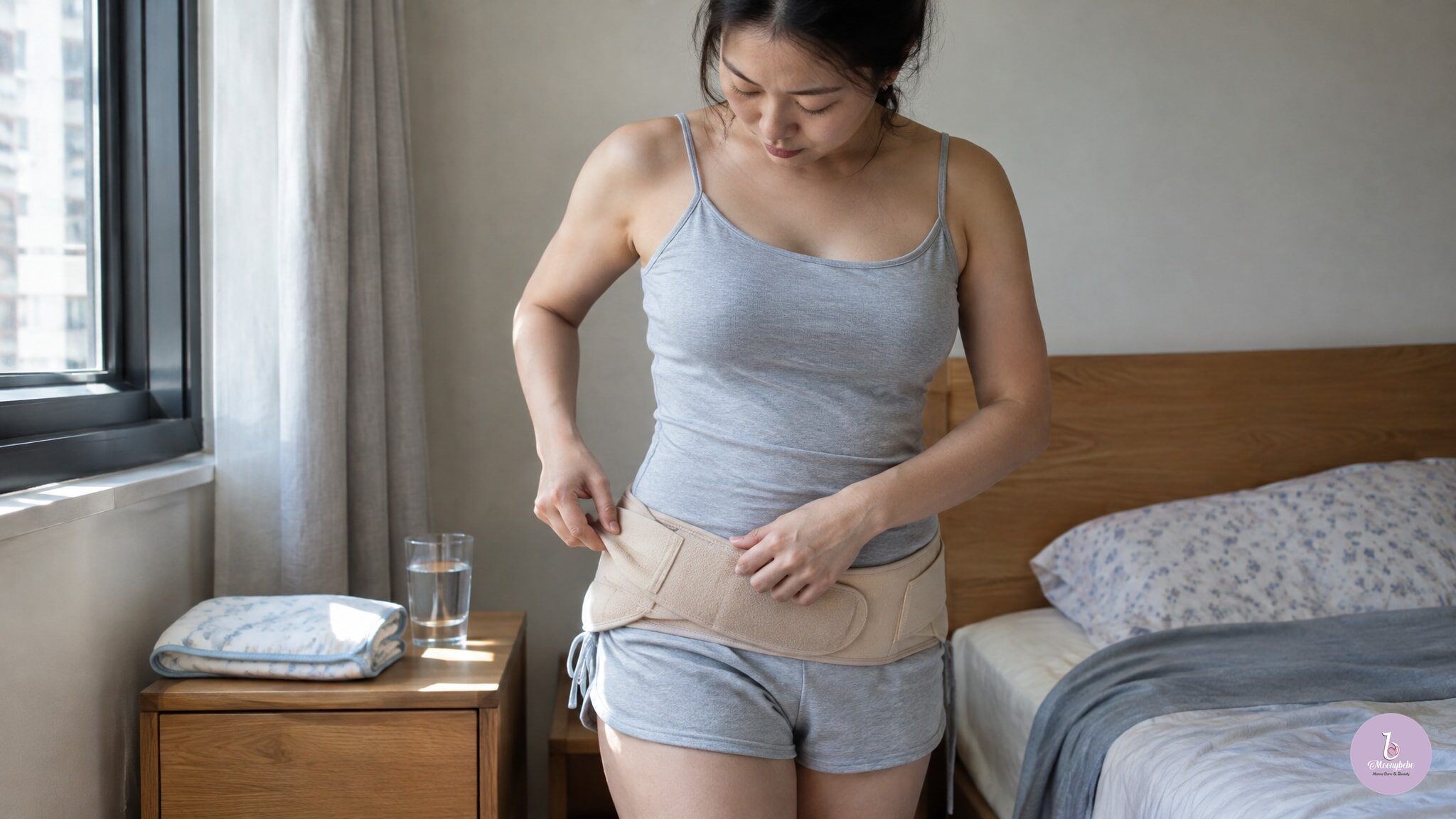
Do Postpartum Pelvic Belts Really Work? What Do Professional Therapists Say?
New mothers searching for information on postpartum recovery almost always encounter the same question: Do postpartum pelvic belts really work? Online forums are filled with all kinds of personal experiences—some say their pubic bone pain was immediately relieved after wearing one, while others complain that their hip width hasn’t changed at all after a month of use. These polarized reviews often leave new moms confused and may even lead them to anxiously purchase products out of fear of missing the “golden period” for recovery. Most discussions remain at the level of user experience, lacking professional analysis grounded in anatomy and biomechanics. A postpartum pelvic belt is neither a miracle cure nor a useless waste of money; its effectiveness depends on whether it is used for the correct indications and whether the user understands its true role in the overall postpartum recovery process. Are postpartum pelvic belts effective? Examining Real Effects and Limitations Through the Principles of Physical Support Imagine a mother who has just given birth—whether vaginally or via C-section—trying to get out of bed to breastfeed during her first postpartum week. She feels a distinct sensation of looseness deep within her pelvis, possibly accompanied by sharp pain at the pubic symphysis. She follows the instructions to fasten the pelvic belt and secure the Velcro straps; that unstable, wobbly sensation disappears instantly, replaced by a sense of security from being cradled, and the pain upon sitting up is significantly reduced. This is the core benefit of a pelvic support belt: it provides the external, passive support that is urgently needed during postpartum joint instability. According to an educational article on postpartum care by Inujirushi Honpo, during pregnancy, the pelvis widens due to the enlargement and anterior tilt of the uterus, as well as the effects of relaxin. Although the pressure subsides after childbirth, the pelvis may remain fixed in an anteriorly tilted position. At this point, the pelvic support belt provides the necessary external stability, allowing injured ligaments and joints the opportunity to rest and realign. However, this mother will soon discover a harsh reality: every time she unfastens the pelvic support belt to take a shower or change clothes, that feeling of looseness and pain returns. This does not mean the product is ineffective; rather, it reveals the inherent limitations of pelvic belts. Content reviewed by physical therapist Zhang Minxuan and Dr. Liu Yichen, a physical therapy specialist, indicates that while pelvic belts are indeed effective under specific circumstances, they are transitional aids and cannot replace active core and pelvic floor muscle training. It is like a cast after a fracture: it can prevent dislocation and relieve acute pain, but it cannot grow new muscles or rebuild neural control. If one mistakenly interprets “no pain when wearing it” as “already healed,” it will actually mask the warning signals the body is sending. Regarding frequency and timing of use, many mothers mistakenly believe that the longer they wear it, the better—some even wear it 24 hours a day for peace of mind. According to health education materials written by physical therapist Zhang Minxuan, research suggests that pelvic belts should be used for at least seven hours per week; the best results are achieved when use begins during pregnancy and continues through the postpartum period. The key here is “support,” not “dependence.” For new moms in the Toronto area who need more comprehensive guidance during Confinement care at home, you can refer to the Toronto Confinement Home Care Service Guide. With the help of professionals, you can establish correct usage habits and avoid blindly wearing the belt for long periods without proper guidance. What are the negative effects of long-term reliance on a pelvic support belt without exercise on pelvic recovery? This is a hidden risk that many mothers overlook. When external support replaces the work of internal muscle groups, the core muscles and pelvic floor muscles will undergo disuse atrophy due to prolonged inactivity. The deep muscles—which should be reactivated through breathing and movement—remain dormant due to external compensation. As a result, after removing the pelvic support belt, the body feels weaker than before wearing it, and the actual pelvic recovery process is indefinitely delayed. The effectiveness of a pelvic support belt has clear limitations. It is suitable for managing joint instability and pain in the early postpartum period, but it is not appropriate as a long-term tool for weight loss or posture correction. If you find that you cannot move normally without the pelvic support belt, or if your pain has not improved after wearing it for several weeks, this indicates that the passive support phase has ended, and you need to move on to the next stage of recovery. How to Use a Pelvic Belt and Its Side Effects: The Key to Avoiding Unhealthy Dependence The correct positioning is the primary factor in determining whether a pelvic belt will be effective without causing harm. Many mothers instinctively fasten the pelvic support belt at the narrowest part of their waist to achieve a visual slimming effect, but this not only fails to stabilize the pelvis but also increases abdominal pressure and pushes the internal organs downward. The standard position is at the greater trochanter of the hip—that is, wrap the belt around just below the most prominent bones on either side of your hips, which you can feel when you place your hands on your hips. Only at this position can the belt apply a direct inward stabilizing torque to the pelvic joints, truly alleviating the discomfort caused by symphysis pubis diastasis. Getting the tension just right is equally critical. A pelvic belt that is too tight will not accelerate healing; it will only pose risks. The appropriate tension is when you can barely fit one finger between the belt and your body after fastening it—it should provide sufficient support without impeding blood circulation or compressing nerves. If you experience skin irritation, a rash, difficulty breathing, numbness in the lower limbs, or increased pain while using the belt, stop using it immediately and consult a professional. These side effects typically indicate incorrect positioning or excessive tightness, rather than a normal reaction as your body adjusts. While using a pelvic support belt may seem simple, it actually requires a basic understanding of your own skeletal structure. This is why we recommend that mothers seek a professional evaluation before starting to use one, rather than trying to figure it out on their own based solely on online images and descriptions. When to Seek Professional Pelvic Rehabilitation Distinguishing between “home-based support” and “professional treatment” is the most critical decision point on the path to postpartum recovery. A pelvic support belt can address temporary mechanical instability, but it cannot resolve deeper issues such as muscular imbalances, fascial adhesions, or abnormalities in neural control. If you find that a pelvic support belt only relieves symptoms while you’re wearing it—and the pain returns immediately upon removal—or if you experience symptoms such as urinary incontinence, lumbosacral pain, leg length discrepancy, or pain during intercourse, this indicates that your body needs more than just external support—it requires targeted functional rehabilitation. You should seek the intervention of a registered therapist for a systematic assessment and treatment. Moonybebe’s Pelvic and Skeletal Recovery Program is specifically designed to bridge this gap between passive support and active stability. According to Moonybebe’s service description, this treatment is performed by internationally certified registered massage therapists who combine traditional techniques with modern anatomical assessment to provide personalized treatment plans for postpartum pelvic instability. Therapists do not simply advise you to keep wearing the belt; instead, they use palpation and movement tests to identify the true source of functional impairment, then guide the body toward regaining intrinsic stability through manual realignment and a personalized exercise regimen. This represents a fundamental difference from passive approaches that rely solely on devices; it is an active approach that addresses the root cause of the problem. Many mothers from Asian cultural backgrounds are familiar with the concept of traditional abdominal binding and may easily confuse modern pelvic belts with traditional binding methods. Understanding the comparison between traditional Bengkung and modern shapewear helps clarify the differences in materials, wrapping techniques, and physiological effects, preventing you from choosing a tool unsuitable for your current recovery stage due to cultural habits. Traditional Bengkung emphasizes gradual compression and full-body coverage, while modern pelvic belts focus on joint stabilization; each has its own appropriate applications. However, when dealing with functional impairments, neither can replace the manual therapy and exercise guidance provided by a professional therapist. For mothers living in the Greater Toronto Area, traveling to a clinic in the early postpartum period can be a burden in itself. Postpartum pelvic correction services in Toronto offer localized, professional options, allowing you to receive assessment and treatment in a familiar environment without having to travel between clinics while caring for a newborn. Professional intervention does not negate the value of pelvic belts; rather, it places them within the correct timeline for recovery, ensuring that every effort is directed toward true functional restoration—not merely a temporary masking of symptoms. When you’re ready to move from passive reliance to taking active control of your body, scheduling a free consultation is the best starting point to assess your individual recovery progress. #PostpartumPelvicBelt #PelvicRehabilitation #PostpartumCare #PostpartumConfinementInToronto #HowToUseAPelvicBelt #PostpartumRecovery #Moonybebe
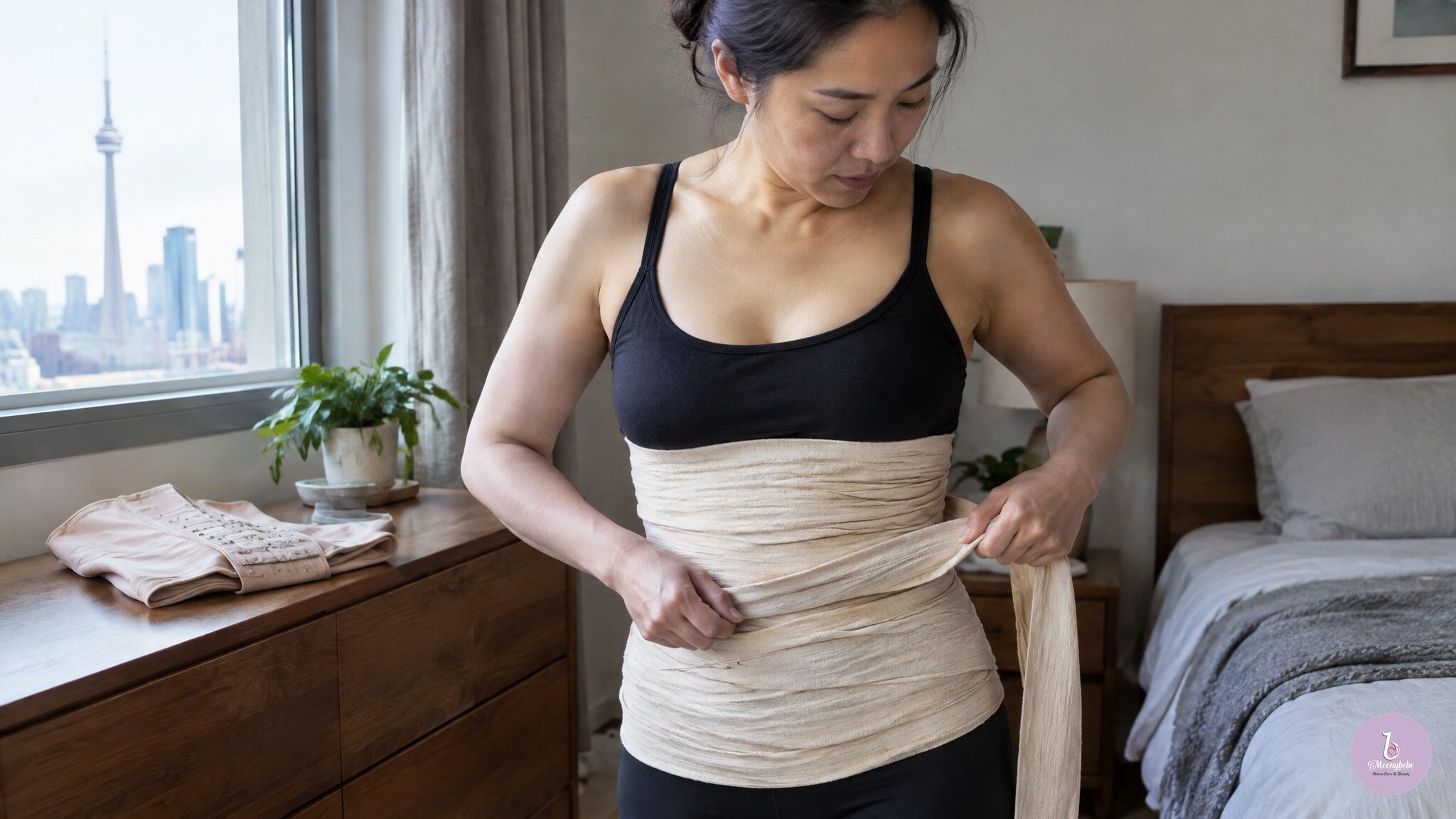
Traditional Bengkung Belly Binding vs. Modern Shaping Underwear: A Comparison of Effects and Principles
For new mothers in Toronto who gave birth just two weeks ago and are undergoing dramatic physical and emotional changes, the anxiety caused by seeing a sagging abdomen and prolapsed internal organs in the mirror often leaves them torn between traditional Confinement wisdom and modern body-shaping technology. This is not simply a matter of comparing brands or styles. It concerns whether the postpartum body can properly realign and maintain long-term health, because the wrong choice will not only fail to restore one’s figure but may also place irreversible strain on the pelvic floor muscles that have not yet healed. When discussing the differences between traditional postpartum binders and modern shapewear, the focus isn’t on cosmetic enhancement but on the essence of physiological recovery: these two tools play complementary roles at different stages of the postpartum period—they are not mutually exclusive alternatives. Core Differences and Selection Logic Between Traditional Bengkung Belts and Modern Postpartum Shapers Consider a new mother living in the Greater Toronto Area who gave birth vaginally just two weeks ago. She is currently in the critical window for postpartum abdominal care: her uterus is still recovering, the extent of her rectus abdominis diastasis is unclear, and her pelvic floor muscles remain extremely fragile. When she searches for “traditional Confinement belly binding,” she finds long strips of cloth wrapped around the abdomen to regulate qi and blood and realign internal organs; when she searches for “postpartum shapewear,” she finds elastic garments that emphasize static compression and immediate body contouring. This discrepancy in information makes it difficult for her to determine which type of support her body truly needs at this stage. According to expert advice in the Health Encyclopedia’s postpartum recovery guide, the choice between postpartum abdominal belts and shapewear should strictly distinguish between medical-grade recovery and everyday body-shaping scenarios; incorrect use of high-compression shapewear during the golden recovery period may damage the pelvic floor muscles and increase the risk of organ prolapse. This is why it is so urgent to clarify the differences in their underlying principles at this time. Traditional Bengkung abdominal binding is essentially a dynamic, medical-grade recovery method. Its focus is not on “tightness,” but rather on providing progressive, adjustable support pressure through professional, layered wrapping techniques. This technique, originating from Malay tradition, emphasizes wrapping from the bottom up—from the pelvis to the ribs— with the aim of helping the expanded ribs close in the early postpartum period, guiding displaced organs back to their original positions, and providing a stabilizing environment—similar to a natural splint—for the relaxed abdominal wall muscles, allowing the deep core muscles to begin self-repair in their correct anatomical positions. In contrast, the design logic of modern postpartum shapewear focuses on static compression and visual contouring; the pressure distribution is typically preset and fixed. They are suitable for daily postural management once bodily functions have partially recovered, wounds have healed well, and pelvic floor muscle strength has reached a certain standard—rather than as a therapeutic intervention in the early postpartum period. The fundamental difference in the principles of force application between the two determines their sequence and complementary relationship on the postpartum recovery timeline. The effectiveness of traditional abdominal binding relies heavily on the practitioner’s skill and real-time assessment of the individual’s physical condition: it can be fine-tuned daily based on the mother’s breathing rhythm, the degree of swelling reduction, and the status of wound healing. This “human” intervention ensures that the pressure consistently supports healing rather than causing compression. Modern shapewear, on the other hand, offers a convenient, self-administered experience, but its standardized fit struggles to adapt to the dramatic daily physiological changes of the postpartum body. If used too early—before tissue edema has subsided or lochia has cleared—it may actually impede blood circulation or compress nerves. Therefore, for this new mother with a two-week-old baby, the top priority at this stage should be to seek an assessment of traditional postpartum binding from a professional with anatomical expertise. Once the body has completed its initial realignment and healing, modern shapewear can then be used as a supplementary tool to maintain the results—this is the safe approach that aligns with the body’s natural healing timeline. Why Postpartum Abdominal Care Requires Professional Techniques Rather Than Relying Solely on Products After comparing and analyzing their options, many mothers may conclude that simply purchasing high-priced shapewear labeled “for postpartum use” will solve the problem. However, this line of thinking overlooks the highly individualized nature of postpartum physical recovery and underestimates the irreplaceable role of professional assessment in ensuring safety and effectiveness. Every mother’s degree of rectus abdominis diastasis, the healing progress of cesarean or perineal incisions, pelvic tilt angle, and overall condition of qi and blood—whether deficient or abundant—are unique. These variables cannot be accommodated by any single, standardized product on the market; they can only be accurately assessed through palpation and dynamic observation. According to real-world test data from cross-border collaboration clients cited by Sohu.com, after optimizing product designs and implementing quality control mechanisms, the return rate for body-shaping products due to fit issues can be reduced by 58 percent, This demonstrates that precise fit is crucial to the effectiveness of postpartum body-shaping products and indirectly confirms that standardized products cannot fully replace professional body-shaping services tailored to individual body types. When registered massage therapists or certified body-wrapping practitioners perform traditional Bengkung body-wrapping, the service they provide goes far beyond the physical function of a single strip of fabric; rather, it is a comprehensive assessment and intervention process that integrates anatomy, biomechanics, and traditional wisdom. Before applying the wrap, a professional will assess your abdominal wall tension, scar tissue adhesions, and pelvic floor muscle response. Based on this real-time feedback, they will determine the starting point, tension, and number of layers of the wrap, and may even make adjustments throughout the process to accommodate your breathing and ensure your comfort. This dynamic feedback mechanism is a core value that no static product can replicate. More importantly, professional abdominal binding services include ongoing monitoring of your overall recovery progress. Therapists can distinguish between symptoms that are part of the normal recovery process and those that signal potential complications, thereby preventing delays in seeking medical care or exacerbation of injuries caused by improper self-treatment. This “human” intervention is also crucial because it provides new mothers with the emotional support and sense of physical reconnection they need most. Amid the dual pressures of body image anxiety and newborn care, the care and reassurance conveyed through the hands of a warm, clinically trained therapist can effectively lower cortisol levels and promote oxytocin secretion. This, in itself, is a vital component of postpartum recovery—an experience that a cold, impersonal product manual can never provide. Therefore, when comparing the effectiveness of postpartum girdles, what we should really be comparing is not different brands of shapewear, but the difference between a “recovery program with professional guidance” and “self-directed attempts without assessment.” The former ensures safety and effectiveness, while the latter is fraught with uncertainty and potential risks. Access Professional Postpartum Belly-Binding and Recovery Support in Toronto For new moms in Toronto, Markham, Richmond Hill, and surrounding areas, there’s no need to blindly try out numerous uncertified service providers to find professional care that combines traditional wisdom with modern medical safety during the vulnerable postpartum period. According to the service description for the Moonybebe brand, the organization is staffed by internationally certified registered massage therapists and acupuncturists who combine traditional Bengkung belly-binding techniques with modern body-sculpting technology, ensuring that postpartum care balances cultural heritage with medical safety, This is precisely what ensures the implementation of the professional assessments and personalized approaches mentioned earlier. By scheduling a free consultation, you’ll receive recovery recommendations tailored to your specific stage of recovery, wound condition, and lifestyle—rather than a one-size-fits-all solution. This sense of personalized reassurance is the true starting point for rebuilding your confidence after childbirth. #TraditionalBengkungvsModernShapewear #Bengkung #PostpartumShapewear #BengkungEffectComparison #TraditionalConfinementBengkung #PostpartumAbdominalCare #TorontoPostpartumRecovery #Moonybebe
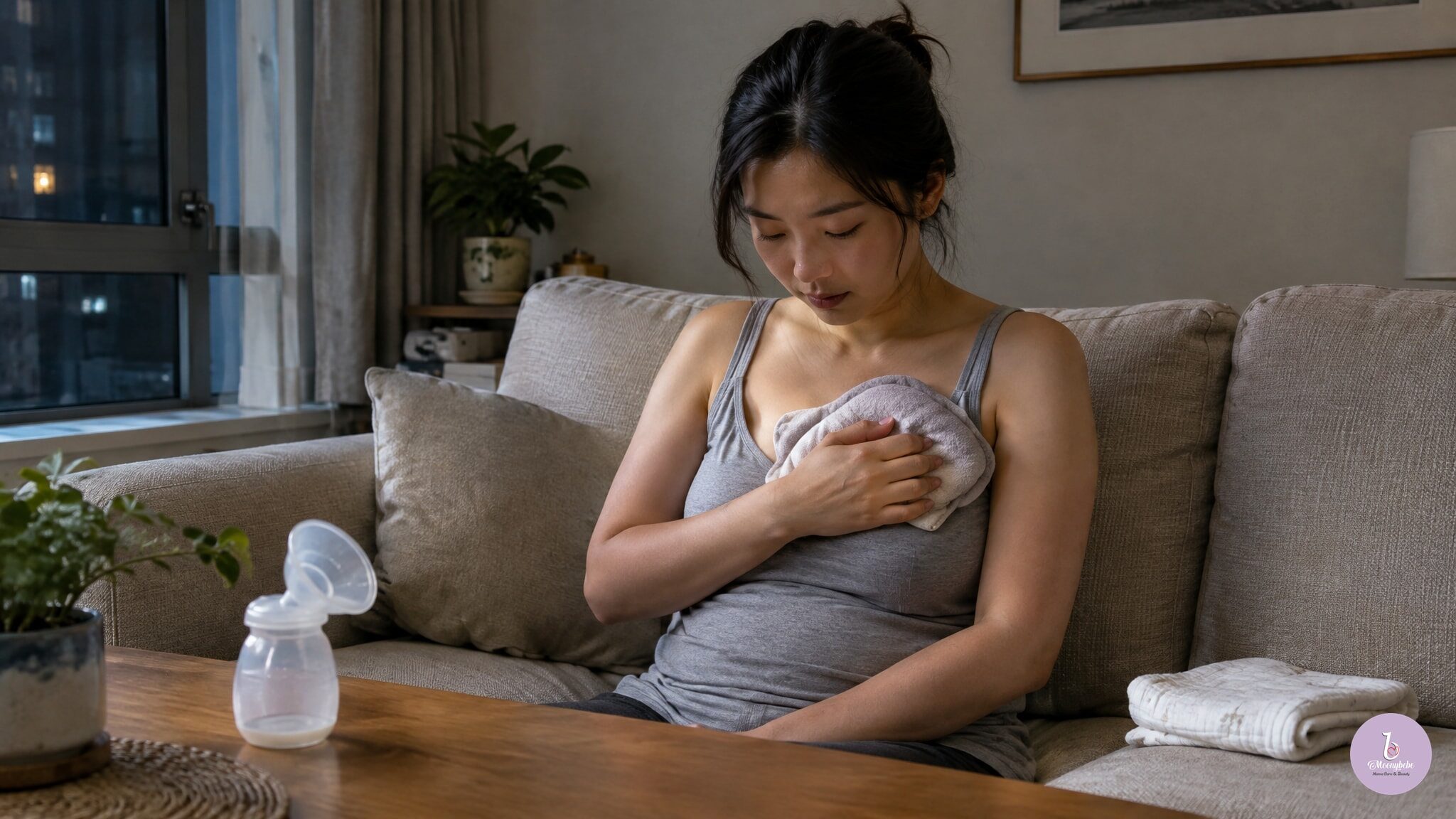
What’s the Difference Between Lactation Massage and a Lactation Consultant? How Should New Moms Choose?
In the third week after giving birth, late at night in Toronto, many new mothers are experiencing similar anxieties: a stinging sensation deep within their breasts, accompanied by a noticeable lump. Even after trying warm compresses and hand expression, the swelling hasn’t subsided—and may even be accompanied by slight redness and severe pain during feedings. At such a physically and mentally exhausting time, information found on search engines often leaves women even more confused, because while “postpartum lactation massage” and “lactation consultant” both seem like potential solutions, they actually represent entirely different approaches and professional scopes. For Chinese families living abroad—who are simultaneously grappling with traditional postpartum confinement beliefs and the pressures of modern parenting—clarifying the difference between these two options is not merely a matter of defining terms; it is a critical decision that determines whether they can safely relieve pain and prevent mastitis from worsening in the shortest possible time. This article does not aim to provide a list of vague definitions; rather, it takes you through a specific decision-making scenario to help you accurately determine—when your body sends warning signals—which pair of professional hands you need most at that moment. Significantly Different Approaches to Treating Breast Engorgement: The Core Differences Between Lactation Massage and a Lactation Consultant—Which Service Should You Prioritize When You Have a Lump in Your Breast? Imagine a new mother living in Markham or Richmond Hill who, three weeks postpartum, is experiencing recurring breast blockages. She has been treating the condition on her own for 24 hours, but the lump has not subsided, and the pain is gradually intensifying. The choice she faces at this point essentially comes down to a decision between “physical clearance” and “functional assessment.” If her problem stems from structural pressure caused by milk stasis—such as localized blockages resulting from prolonged failure to fully empty the breasts or compression from a bra—a lactation massage performed by a registered massage therapist is the targeted solution. This type of service focuses on gentle techniques targeting soft tissues and the lymphatic system, aiming to relieve deep-seated congestion through physical mechanisms rather than merely providing superficial relief. According to Catherine Chow Health’s definition of breastfeeding-related massage, this is a form of registered massage therapy tailored to individual needs, encompassing gentle techniques for the breast and chest soft tissues, lymphatic support, and the treatment of tension in the ribcage and upper back, with the core objective of restoring normal physiological mobility to the tissues. However, if the source of this mother’s blockage is not simply a physical obstruction—but rather the baby’s incorrect latch, inefficient swallowing, or a long-term mismatch between the mother’s feeding rhythm and the baby’s needs—massage alone can only provide temporary relief, and the lumps will quickly return. In such cases, a functional assessment by an internationally certified lactation consultant becomes an indispensable step. They examine the entire dynamic feeding system—from the baby’s oral structure to the details of the mother’s holding position—to identify the root cause preventing effective milk removal. Discussions on the BabyHome forum regarding the differences between the techniques used by lactation consultants and traditional breast massage practitioners have pointed out that traditional hard-kneading techniques may cause excessive compression of breast tissue, leading to injury or mastitis. Modern professional services should employ gentle, low-irritation soft-tissue techniques. This also highlights the importance of verifying whether a provider has a medical background or is registered when seeking services in Toronto. These two professions are not mutually exclusive but play complementary roles at different stages. An abstract from the Southern Medical University Academic Resource Library on the effects of postpartum breast massage and breastfeeding indicates that acupoint massage at different postpartum time points can stimulate the release of prolactin, promote milk secretion, and accelerate the early onset of lactation, illustrating the tangible physiological benefits of physical conditioning. However, if functional corrections are overlooked, physical improvements are unlikely to be sustained. Therefore, when assessing your own condition, be sure to honestly evaluate the nature of your symptoms. If you experience sudden, localized lumps and pain accompanied by shoulder and neck stiffness, a pain-free lactation massage treatment can immediately relieve physical pressure; if you experience chronic, recurring blockages, poor weight gain in your baby, or ongoing difficulties with breastfeeding, you should prioritize seeking a lactation consultant for a systematic assessment. In the Toronto area, many Chinese families are accustomed to combining traditional Confinement practices with modern nursing care. The true balance lies in understanding that “restoring physical health” and “establishing proper function” each have their own distinct and irreplaceable professional boundaries. Only by addressing the root cause can you truly break the vicious cycle of breast engorgement while ensuring the safety of your breast tissue. When to Seek Breastfeeding Counseling and Professional Boundaries Not all breastfeeding difficulties can be resolved through massage alone; recognizing this boundary is the most important safety net for both mother and baby. When nipple wounds show signs of suppuration, breast pain intensifies rapidly within a short period, or the baby’s diaper wetness decreases significantly and weight gain falls below standard levels—these are red flags requiring immediate evaluation by a lactation consultant or other qualified healthcare professional, rather than relying solely on massage. MoonyMama’s guidelines for lactation services targeting new Chinese families in Toronto specifically emphasize that such situations often involve potential infection risks or imbalances in overall feeding strategies, requiring systematic observation and documentation; a single session of physical therapy cannot replace clinical diagnosis and long-term follow-up. You may find yourself in a dilemma: you feel relief immediately after a massage, but within half a day, you’re back to square one—or worse, the tissue becomes even more sensitive and fragile due to repeated improper stimulation. This is your body’s way of telling you that the root of the problem isn’t “blockage,” but rather “incorrect technique.” The professional value of a lactation consultant lies in their ability to identify the structural or behavioral factors hidden behind the symptoms. For example, does the baby have a short frenulum causing ineffective sucking? Is the mother’s milk ejection reflex being inhibited by postpartum anxiety? Or is the current feeding frequency simply mismatched with the baby’s stomach capacity? These issues cannot be resolved through physical examination alone; they must be clarified through a detailed medical history, on-site observation of feeding, and analysis of growth charts. If you are seeking related support in Toronto, please be sure to verify that the service provider holds international certification or locally recognized professional credentials. Only fully trained consultants can provide safe, evidence-based medical advice while respecting your cultural background and personal preferences. This professional distinction is not meant to dismiss the value of lactation massage, but rather to ensure that every mother receives the assistance best suited to her current situation at the right time, thereby avoiding greater physical and emotional costs resulting from delayed medical care or overreliance on a single therapy. From Professional Intervention to Daily Maintenance: Building a Sustainable Breastfeeding Support System—Linking the Effects of Lactation Massage with Home Care Whether you ultimately choose lactation massage or breastfeeding counseling, the ultimate goal of professional intervention should be to help you regain the ability to care for yourself, rather than creating long-term dependence. An effective service should not merely provide temporary relief during treatment but should also include comprehensive health education—teaching you how to recognize early signs of blockages, master the correct timing for warm compresses and massage, and clearly understand when to seek help again. In a city as vast as Toronto, new families often need to consider transportation and physical strain when scheduling services. As a result, many professional teams offer in-home services, allowing mothers to receive care in a familiar environment while learning how to apply these techniques in their daily lives. If you’re comparing different providers, consider consulting this guide to recommended postpartum lactation massage services in Toronto to understand how local services actually operate and read customer reviews—this will help you make a confident decision far more effectively than simply comparing prices. Trust and professional transparency are the most crucial factors when choosing postpartum care services. Before booking an appointment, you should proactively verify whether the therapist is registered and holds international certifications. Also, observe whether they are willing to take the time to listen to your full situation, explain the rationale behind each step of the procedure, and tailor the treatment plan to your individual constitution. Choosing a certified professional team is not only about technical expertise but also about ensuring the entire care process complies with safety regulations and ethical standards. Postpartum recovery is a holistic journey, and breastfeeding issues are often intertwined with sleep deprivation, nutritional imbalances, or emotional stress. If you need more than just a single lactation massage or consultation—but rather more comprehensive professional Confinement care support at home—you should also factor this into your overall plan. True professionalism means that when you leave the treatment room, you continue on your journey armed with knowledge and confidence, rather than returning home with new anxieties. #PostpartumLactationMassage #LactationConsultant #TorontoConfinementCare…
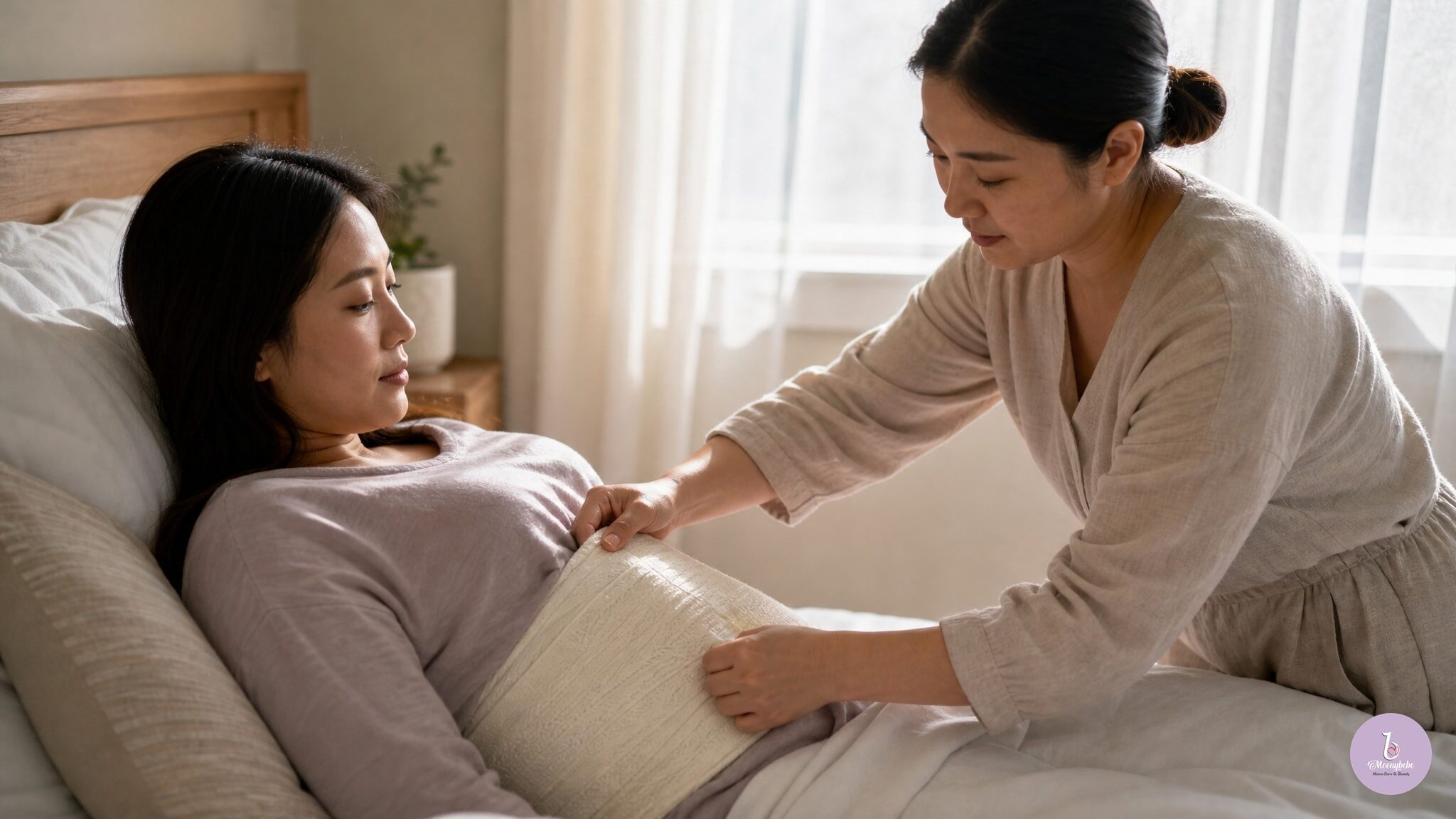
Belly Binding Prices in Toronto: Market Rates and Plan Comparisons
When searching for postpartum belly binding services in Toronto, many new mothers find that information about prices for “belly binding in Toronto” is extremely scarce online, often leaving them at a loss when comparing different providers. This lack of transparency is no accident. Professional postpartum belly binding is not a standardized service; pricing is heavily influenced by variables such as the therapist’s qualifications, the scope of in-home services, and the specifics of the treatment plan. For mothers who have just given birth and are in a critical recovery phase, focusing solely on the lowest price may cause them to overlook the professional costs associated with safety and effectiveness, potentially leading them to choose a service that is merely superficial and lacks substantive care. Understanding the logic behind pricing can help you find truly effective support within your budget. This article provides an evaluation framework to help you shift your focus from simply comparing prices to assessing the actual value of the service, and explains how to choose between a single session and a full treatment program. It also offers specific guidelines for requesting quotes to help you find a trustworthy professional partner during this important recovery phase. Key Factors Affecting the Cost of Postpartum Belly-Tightening in Toronto and How to Evaluate Value When a new mom living in Markham begins planning her postpartum recovery, she often faces a confusing market: some quotes are extremely low, while others are several times higher, yet websites rarely explain what accounts for these differences. As a result, the cost of postpartum belly binding has become an elusive concept, as it encompasses a wide range of services—from purely physical labor to highly specialized, medical-grade care. To break down this cost structure, one must first understand this: professional Bengkung belly binding is not simply wrapping the abdomen; it requires a trained therapist to dynamically adjust the technique based on the progress of postpartum uterine recovery and the degree of rectus diastasis. This explains why services provided by practitioners with RMT or international certifications cost more than standard cosmetic abdominal binding. This means that part of what you pay is for “safety judgment.” Practitioners without professional training in anatomy may be unable to assess the severity of rectus diastasis and could apply improper pressure during the wrapping process, which could be counterproductive to the recovery of the fragile postpartum pelvic floor muscles and the repositioning of internal organs. Therefore, when you see a quote that is significantly below market rates, you should be cautious—it may omit necessary assessment steps or be performed by unlicensed practitioners. The risks associated with such low prices often far outweigh the apparent savings. In addition to professional credentials, the service location also affects the final price. In Toronto and the GTA, pricing for in-home postpartum belly-binding services typically reflects the therapist’s commute time to and from locations such as Richmond Hill or Markham, as well as the cost of transporting professional equipment—these are key pricing components that distinguish studio-based services from in-home care options. For new mothers who have just given birth, are unable to leave the house, and must care for their newborns around the clock, in-home services offer irreplaceable convenience and peace of mind—but this convenience does come at the cost of the therapist’s time and transportation expenses. If you live in a remote area or your appointment falls during rush hour, a fee adjustment is a reasonable reflection of this additional effort. You should also note whether the treatment includes additional assessments and health education guidance, as this is often the dividing line between a “one-time service” and “comprehensive recovery support.” High-quality postpartum belly-binding services go beyond simply wrapping a cloth band; they also involve checking pelvic alignment, wound healing, and breastfeeding posture before and after each session, as well as teaching you how to maintain the binding’s effects at home and perform gentle core-strengthening exercises. Although this tacit knowledge transfer and individualized adjustments aren’t listed separately on the price list, they are the cornerstone of long-term recovery results. At Moonybebe, postpartum belly-binding treatments are performed by licensed massage therapists and acupuncturists who integrate traditional belly-binding techniques with modern anatomical assessments, ensuring the service balances cultural heritage with medical safety standards. This integrated care is specifically designed to address new mothers’ dual needs for professionalism and peace of mind. The most common issue with low-cost services isn’t the technique itself, but rather a lack of follow-up care and hygiene awareness. Professional establishments use dedicated or strictly sterilized abdominal binding equipment and record your physical changes after each session to adjust their approach—rather than mechanically repeating the same set of movements. When evaluating value for money, be sure to factor in these invisible details—they directly determine whether your recovery journey will be one of peace of mind or one fraught with anxiety. …
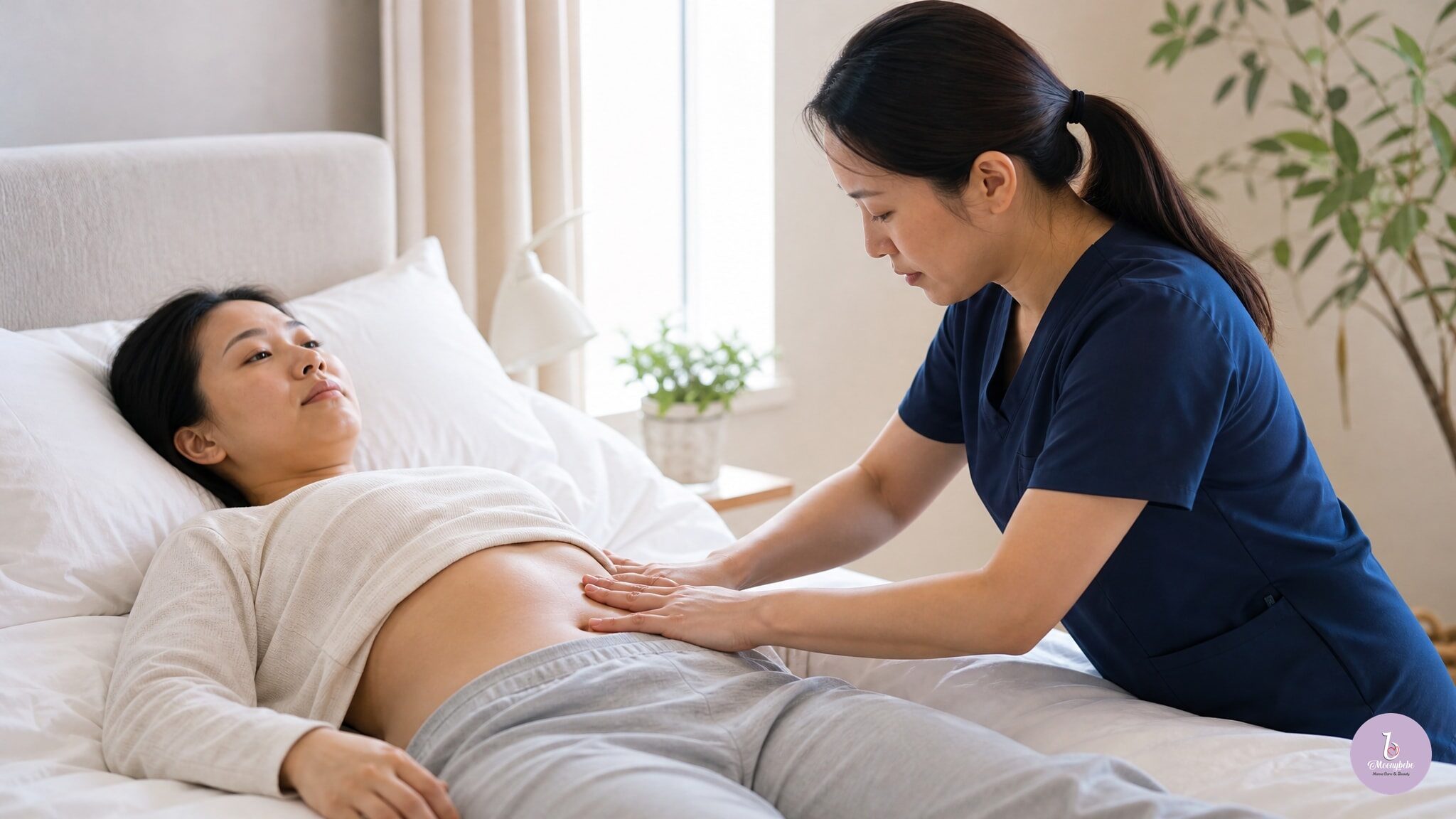
Recommended Postpartum Care Providers in Toronto: How to Choose a Certified Professional Team
Behind the joy of becoming a new mother, the body often endures unseen stress and pain. When searching for a list of recommended postpartum care providers in Toronto, many new mothers easily find themselves overwhelmed by information overload. While there are numerous service providers online, it can be difficult to determine who truly possesses the professional expertise to handle the complex physiological changes that occur after childbirth. This is not only about the speed of recovery but also directly impacts long-term physical and mental health, as well as the quality of parenting. Choosing the right care team isn’t simply a matter of comparing prices or years of experience; it requires an understanding of the certification standards within Ontario’s healthcare system and how these qualifications translate into tangible support for your physical recovery. True professional postpartum care is grounded in medical training, not merely traditional experience or word-of-mouth recommendations. As you evaluate different options, shift your focus from “who has cared for the most babies” to “who best understands the anatomical changes in the postpartum body.” This guide aims to help you cut through the marketing hype and identify a team of experts who truly combine modern medical certifications with Eastern wellness wisdom, ensuring your postpartum recovery journey is safe, scientifically grounded, and stress-free. Identifying Key Certifications and Qualifications on Toronto’s List of Recommended Postpartum Care Providers When seeking postpartum recovery services in Ontario, clarifying the distinction between medical-grade certifications and general care qualifications is the first step in protecting your rights. The “postpartum caregivers” or “postpartum attendants” commonly found in the market primarily provide support with daily living tasks such as newborn care, preparing Confinement Meals, and household chores. While they can alleviate a family’s daily burdens, their training background typically does not include human anatomy, pathology, or clinical treatment techniques. In contrast, Registered Massage Therapists (RMTs) must complete at least 2,000 hours of accredited coursework and pass a national certification exam to practice. Their scope of practice explicitly includes medical interventions such as soft tissue injury repair, improvement of joint range of motion, and nervous system regulation. Based on the scope of practice for RMTs and clinical knowledge of postpartum rehabilitation, professional postpartum recovery differs from general household care and requires anatomical knowledge to address physiological changes such as pelvic misalignment and diastasis recti. This is also the key distinction between medical-grade care and standard postpartum care services. Differences in Roles Between Registered Massage Therapists and General Postpartum Care Providers Consider a first-time mother who has just undergone a cesarean section or vaginal delivery and is experiencing severe pelvic pain or recurring breast engorgement. If she relies solely on a traditional postpartum care provider at this time, she is likely to receive mostly heat therapy, dietary adjustments, or emotional support. While these measures can alleviate discomfort, they cannot provide structural correction for misaligned joints or blocked milk ducts. A nurse certified as a Registered Massage Therapist in Ontario can, based on a palpation assessment, determine whether the source of pain stems from symphysis pubis diastasis, sacroiliac joint dysfunction, or scar tissue adhesions, and intervene using manual therapy, lymphatic drainage, or specific exercise prescriptions. This biomechanics-based approach addresses the root cause of the problem rather than merely masking the symptoms. The Moonybebe team, composed of Ontario-registered massage therapists (RMTs) and registered acupuncturists, integrates traditional Bengkung abdominal binding techniques into a clinical care framework, ensuring that the care process complies with medical safety standards. This dual-certification model is particularly important in Toronto’s Chinese community, as it both respects the importance placed on “Confinement” and abdominal warmth in Chinese culture and validates, through modern medicine, the supportive role of abdominal binding in stabilizing core muscles and repositioning internal organs. When traditional wisdom is integrated into regulated medical practice, you gain not only a sense of cultural familiarity but also traceable, explainable therapeutic outcomes. Choosing a nurse with RMT certification also means your treatment may be eligible for reimbursement under extended health insurance plans. Many employers in Canada offer group benefit plans that cover registered massage therapy services, so high-quality postpartum recovery is no longer an expensive, out-of-pocket luxury but rather a legitimate medical expense that can be incorporated into your family’s health planning. When comparing massage therapists’ credentials, be sure to verify that they have a valid Ontario registration number and ask if they are familiar with specific postpartum contraindications, such as the risk of deep vein thrombosis or protocols for managing the healing phase of a cesarean section incision. Postpartum care certification should not merely be a certificate hanging on the wall; it should serve as a safety net you can fully trust during a vulnerable time. This type of medical-grade postpartum care is not a panacea, nor can it replace an obstetrician’s diagnosis and treatment of acute complications. If red flag symptoms such as fever, abnormal bleeding, or severe emotional distress arise, seek medical attention immediately rather than relying on massage or abdominal binding. Its core value lies in bridging the gap between the healthcare system and home recovery, providing professional support for functional issues that do not meet the criteria for a medical diagnosis but significantly impact quality of life. Indicators for Evaluating the Quality of In-Home Services and Authentic Postpartum Service Reviews After verifying a provider’s professional qualifications, the next step is to assess the actual quality of service and the specifics of their practice. When reviewing postpartum service evaluations, it’s advisable to look beyond the overall star rating and carefully read the descriptions of specific treatments in the reviews. A valuable review will mention how the nurse handled specific issues, such as “lower back pain was significantly reduced after the abdominal binding,” “the breast massage technique was gentle and effectively cleared lumps,” or “the care of the C-section scar was handled with great care.” These details better reflect a nurse’s clinical competence than simple statements like “friendly attitude” or “very punctual.” At the same time, pay attention to whether the reviews mention hygiene standards, such as hand sanitization before and after treatment, the frequency of sheet changes, and the cleanliness of any tools the nurse brings. These factors are particularly critical in a home setting, as your bedroom does not have the standardized infection control protocols found in a clinic. Trust in communication is also a crucial aspect of the evaluation. The postpartum body is extremely private and sensitive; whether the nurse can clearly explain the purpose of each step before touching you, respect your feedback on pain, and adjust the intensity of the treatment as needed directly determines the safety and comfort of the treatment. Moonybebe offers in-home services covering Toronto, Markham, and Richmond Hill, allowing new mothers to receive professional postpartum recovery treatments—which combine traditional methods with medical aesthetics—without having to leave home. This model reduces the physical strain of travel on your weakened body, while allowing the nurse to observe your natural posture and habits in the environment where you feel most relaxed, thereby providing health education advice that is better tailored to your daily life. If you still have concerns about the home care process, you can read our Guide to Confinement Home Care Services in Toronto, which details everything from scheduling appointments and preparing your home to post-treatment precautions. This guide will help you set realistic expectations and ensure both parties are on the same page regarding safety and privacy. High-quality in-home care isn’t simply about bringing the clinic into your home; it’s about maintaining clinical-level professional standards while giving you the dignity and sense of control to recover comfortably in your own home. Starting with Your Needs: Finding the Right Postpartum Recovery Specialist for You Every mother’s postpartum journey is unique, so there is no one-size-fits-all solution. Before contacting the care team, please take a few minutes to identify your most pressing needs at this time. Is it persistent stinging pain caused by poor wound healing? Anxiety and exhaustion resulting from breastfeeding difficulties? Or low self-esteem triggered by postpartum body changes? Clearly identifying your concerns will help you communicate more effectively during the consultation and allow the nurse to prepare the appropriate assessment tools and treatment plan in advance. For example, if your main concern is a feeling of instability in the pelvic area, you can proactively ask the nurse if she has experience with postpartum pelvic realignment services and ask her to explain the specific rationale behind her assessment and intervention. Preparation Before Scheduling a Consultation and Recommendations for Finding the Right Practitioner The consultation is a key opportunity for you to determine whether the nurse is truly the right fit for you. In addition to verifying basic qualifications and insurance coverage, we recommend that you proactively ask the following questions: How many cases similar to your current condition has she handled in the past? If you feel discomfort during treatment, how will she adjust the approach? Will she provide guidance on self-care at home to prolong the therapeutic effects? These questions not only provide information but also allow you to gauge whether the practitioner’s professional attitude and communication style put you at ease. If special therapies such as acupuncture or skin repair are involved, you may also refer to the safety guidelines for prenatal massage mentioned in the safety guidelines as a basis for discussion. …

Postpartum Skin Recovery Treatments: Professional Skincare Services in Toronto
Becoming a mother is a journey filled with joy but also marked by dramatic physical changes. When you finally have a moment to take a close look at yourself in the mirror, you may notice a significant difference between the condition of your skin and how you remember it. These changes aren’t simply due to superficial dryness or fatigue; rather, they are structural traces left by deep tissues that have been stretched over the course of a long pregnancy, requiring a more targeted repair strategy to effectively improve. Many new mothers in Toronto try various at-home skincare routines in the early postpartum period, but often feel frustrated due to a lack of comprehensive understanding of postpartum physiological mechanisms—this is precisely the critical moment for professional postpartum skin repair and care. Why is it difficult for at-home skincare to improve postpartum skin laxity and stretch marks? From pregnancy to childbirth, the body undergoes ten months of expansion and hormonal changes, resulting in deep structural issues such as skin laxity and stretch marks. This is a physiological reality that no topical skincare product can reverse on its own. According to an analysis by Taixin Traditional Chinese Medicine Clinic, these changes involve the breakdown of collagen in the dermis and damage to elastic fibers in the fascia—issues that occur far deeper than what ordinary moisturizing products can reach. Imagine a new mom living in Markham who, starting in the sixth week postpartum, diligently follows a skincare regimen recommended by a friend, applying expensive pregnancy cream and firming lotion morning and night, hoping her belly will gradually regain its pre-pregnancy smoothness and radiance. Real-life cases show that some new mothers have used skincare products continuously for nearly twelve days yet still feel no noticeable change in their skin. This sense of disappointment—putting in the effort but seeing no results—often causes more anxiety than physical discomfort. User experience shares from Tai Xin Chinese Medicine Clinic indicate that this plateau period is a turning point for many mothers to give up on self-care, as they mistakenly believe their products aren’t good enough or their application techniques are incorrect, rather than realizing that the skincare regimen itself is simply not appropriate for their needs. Most commercially available topical products focus primarily on moisturizing and hydration. For existing tears and sagging in the dermis, such products offer only limited improvement; deeper repair methods are required. An article on Youhuo Health explains that stretch marks are essentially scar tissue deep within the skin, while postpartum skin laxity stems from mechanical damage to the supporting structures; both require intervention that goes beyond the stratum corneum to activate true repair mechanisms. When you find that no matter how much serum you apply, your belly still feels loose and the stretch marks remain clearly visible, this does not mean your skincare routine is flawed—rather, there is a fundamental difference between postpartum skin repair and general daily skincare. Postpartum skin is in a unique physiological state characterized by extreme sensitivity and metabolic disruption. Hormone levels have not yet stabilized, and safety considerations during breastfeeding limit the use of many highly effective ingredients, making at-home self-care particularly difficult and inefficient. The value of professional treatments lies in their ability to precisely identify these deep-seated needs and provide restorative conditions that cannot be replicated at home. Moonybebe’s Tribella Comprehensive Skin Repair Treatment is a program specifically designed to address these structural issues. Performed by licensed massage therapists and acupuncturists, it does not rely on superficial moisturization but instead uses professional techniques to directly target damaged tissue. This advanced approach is not meant to replace your daily care and nurturing, but rather to serve as a bridge to tangible improvement when your at-home skincare routine hits a plateau. Once you understand that the root cause of postpartum skin issues lies in structural rather than superficial factors, you’ll be better equipped to choose the right recovery path for yourself. You’ll no longer be misled by the overwhelming array of product advertisements on the market, nor will you dismiss your efforts as a mother simply because of short-term ineffectiveness. How Toronto Postpartum Beauty Treatments Targetedly Address Skin Issues When seeking postpartum skin care services in Toronto, the first priority is to ensure the provider holds professional certifications related to maternal and infant safety, as the fragility of the postpartum body is far beyond what a typical spa can properly address. Moonybebe’s service team consists of registered massage therapists and acupuncturists. These licensed professionals have received clinical training in addressing the unique physiological needs of the postpartum body and can perform deep-restorative treatments while ensuring safety. Their Tribella Comprehensive Skin Restoration Treatment is specifically designed to address postpartum skin structural issues, combining traditional wellness wisdom with modern technological equipment. This integrated approach sets it apart from mainstream treatments that focus solely on relaxation or superficial beauty; it views postpartum skin restoration as part of the body’s overall recovery, rather than an isolated beauty treatment. While caring for your newborn, you shouldn’t have to go through the hassle of traveling for your own recovery. This is why a localized and convenient service model is so important to Toronto moms. Moonybebe serves the Toronto, Markham, and Richmond Hill areas and offers in-home service options, bringing professional postpartum care directly to the comfort of your own home. Imagine a typical afternoon: your baby has just finished feeding and fallen into a deep sleep. Instead of rushing to pack your diaper bag and breast pump to head to a clinic, you can relax in the comfort of your own bedroom while a certified therapist provides you with personalized skin care. This arrangement eliminates the time pressure and mental stress of commuting, allowing the recovery process to truly integrate into your parenting routine rather than becoming just another item on your to-do list. For new mothers experiencing postpartum skin laxity and emotional fluctuations, this sense of being understood and supported is, in itself, a vital part of the healing process. When it comes to postpartum abdominal sagging and stretch marks, the main difference between professional treatments and at-home care lies in the depth and precision of the intervention. The traditional Bengkung technique has been reinterpreted in Moonybebe’s treatments; it serves not only as physical support but also helps the abdominal skin maintain proper tension and positioning during the recovery process, laying the foundation for subsequent technological treatments. If you’re also focused on overall body restoration, our Toronto postpartum body contouring treatments offer options that complement skin repair, allowing for simultaneous skin firming and body sculpting. This multidimensional approach to care is the core value of professional postpartum beauty treatments: it looks beyond the surface texture of the skin to the systematic reconstruction the entire body requires after nurturing new life. Safety Guidelines for Skincare During the Postpartum Sensitivity Period “How soon after childbirth can I begin professional skin restoration treatments?” and “Is it safe during breastfeeding?” are questions every cautious mother asks. The answers must be based on individual assessments rather than general recommendations. The ingredients and equipment used by Moonybebe have been carefully screened to deliberately avoid high-risk substances such as retinol, focusing instead on barrier reconstruction and soothing repair to ensure there are no potential risks to mother or baby during breastfeeding. During your initial consultation, a professional therapist will thoroughly review your delivery method, breastfeeding status, wound healing progress, and history of skin sensitivity to adjust the intensity and pace of your treatment plan accordingly. No two recovery plans are exactly alike; each session is a precise response tailored to your current physical condition. If your skin is experiencing severe inflammation, infection, or has unhealed wounds, you should consult a medical professional first rather than attempting any high-intensity products or treatments on your own. The goal of postpartum skin restoration and care is to support your body’s natural healing abilities, not to forcefully accelerate or mask the process. When done safely, timely professional intervention can effectively shorten the period during which your skin remains vulnerable and reduce the emotional toll caused by prolonged discomfort. When you decide to take this step, scheduling a free postpartum skin consultation is the best starting point for understanding your needs and available options. Let a professional help you navigate the abundance of information and find a restoration path that is both reassuring and effective. This sense of peace of mind is a space you, as a mother, deserve to reserve for yourself while caring for others. #PostpartumSkinRepair #PostpartumCare #PostpartumConfinementInToronto #StretchMarkRepair #PostpartumSkinCare #Moonybebe #PostpartumConfinementInToronto #PostpartumBeautyTreatments

Postpartum Body Contouring Treatments in Toronto: Combining Tradition and Technology to Sculpt the Body
Toronto moms who have just finished their postpartum recovery period often feel conflicted when they look in the mirror: they long to regain their pre-pregnancy figure, yet worry that strenuous exercise might harm their bodies, which haven’t fully healed yet.This internal conflict is very common in the early postpartum period, especially when concerns about diastasis recti and organ prolapse remain unresolved; blindly pursuing weight loss may actually exacerbate the damage. Moonybebe’s MaMa’s Sculpt and Glow Pro treatment combines the physical support of the Bengkung abdominal wrap with deep tissue stimulation from modern equipment in a single in-home session. A registered therapist will dynamically adjust the treatment parameters based on the number of weeks since childbirth.This is not a typical gym-based weight-loss class, but rather a recovery program designed specifically for the postpartum body, allowing you to regain physical stability and confidence with peace of mind while caring for your newborn. The Principle of Dual-Action Collaboration Between Traditional Abdominal Binding and High-Tech Body-Sculpting Devices The core of postpartum body sculpting lies in prioritizing recovery over weight loss—this is what distinguishes Toronto’s postpartum body-sculpting treatments from ordinary beauty or fitness services.Many new mothers believe that abdominal binding is merely for aesthetic purposes, overlooking its fundamental role in postpartum physiological recovery; conversely, relying solely on technological devices without physical support often fails to achieve deep restorative results. Traditional Bengkung abdominal binding techniques serve as an indispensable foundation in the treatment, providing continuous and gentle physical compression through the wrapping of long strips of fabric.This technique aids in uterine involution and the expulsion of lochia; more importantly, it provides external support for the relaxed abdominal wall muscles and displaced internal organs, preventing further sagging due to gravity. Only when your abdomen feels securely supported can the deep core muscles reconnect in a safe environment.This is a passive protective mechanism that no high-tech device can replace on its own. If you’d like to learn more about this technique, please refer to the comprehensive guide to traditional postpartum belly-binding home services, which details the multiple benefits of belly-binding for postpartum recovery. Only after traditional abdominal binding has established a solid physical foundation can modern technological body-shaping devices deliver precise, deep-tissue restoration, targeting tissues that are difficult to reach with manual massage.These devices typically utilize radiofrequency or electromagnetic pulse technology to penetrate the epidermis and reach deep muscle and fascia layers, promoting collagen regeneration and activating dormant muscle fibers.For the rectus abdominis muscles that have been stretched during pregnancy, this non-invasive energy stimulation accelerates the process of closing the gap while simultaneously improving skin laxity and cellulite caused by hormonal changes during pregnancy.Technological devices overcome the limitations of traditional manual techniques in terms of depth and longevity, ensuring that postpartum body contouring treatments go beyond superficial firming to achieve true, deep structural functional recovery. These two approaches do not operate independently within the same treatment but rather work in a complementary and symbiotic dual-action synergy.Postpartum body contouring should prioritize tissue repair and functional recovery over mere fat reduction; this is why the involvement of registered massage therapists and acupuncturists ensures the safety of treatments during breastfeeding and the postpartum lochia period.They will conduct a detailed assessment before treatment and select tools based on your specific condition. The therapist will first stabilize the core area with an abdominal wrap, then adjust the energy intensity of the devices according to your body’s real-time response to avoid discomfort caused by overstimulation.This integrated approach, combining Eastern and Western practices, is particularly suited to the physiological needs of Asian mothers. It preserves the emphasis on warmth and wrapping found in the Confinement tradition while incorporating modern medical understanding of anatomical structures.If pelvic stability is also a priority for you, postpartum pelvic correction and postural balance services can complement body-shaping treatments, enhancing the restorative effects from a holistic perspective. What specific restorative benefits do these combined treatments offer for diastasis recti and pelvic stability?They simultaneously address two common postpartum issues: “insufficient support” and “difficulty in activation.” The abdominal binder provides immediate external support to reduce strain on the ligaments, while the equipment stimulates the active contraction of deep muscles; performing both simultaneously enhances the efficiency of recovery.When combined with postpartum acupuncture to regulate qi and blood and relieve aches and pains, it also helps regulate qi and blood circulation from within, further optimizing the microenvironment for tissue repair. In-Home Services and Customized Treatment Protocols Mothers raising newborns in Toronto, Markham, and Richmond Hill often find it difficult to be away from home for extended periods.This is precisely why Moonybebe offers in-home services in Toronto, Markham, and Richmond Hill—so mothers can receive professional abdominal binding and tech-assisted body contouring treatments without having to leave their babies.Postpartum emotional relaxation is closely linked to treatment effectiveness, and receiving care in the comfort of your own bedroom can significantly reduce the stress associated with traveling to and from a clinic. You won’t have to navigate the cold wind or sweltering heat while pushing a stroller to and from the clinic, nor will you have to worry about your baby’s crying disturbing others.This sense of security in your own environment is, in itself, part of the healing process. The entire in-home service process is designed to accommodate the rhythm of a new mother’s life. During the initial consultation, the therapist will ask about your method of delivery, the status of your incision healing, breastfeeding frequency, and current sleep quality—information that forms the foundation for creating a personalized plan.Everyone’s postpartum recovery process is different; there is no one-size-fits-all standard. The therapist will bring sterilized portable equipment to your home and lay out professional treatment pads in the spot where you feel most comfortable, ensuring both hygiene and privacy.If your baby needs to be fed or soothed during the session, the treatment will naturally pause to accommodate this, so you won’t face the dilemma of choosing between “continuing the treatment or tending to your child.” The essence of customization is further reflected in the dynamic adjustments made during the session.A registered therapist will constantly monitor your facial expressions and physical reactions. If tenderness in a specific area or abnormal milk secretion is detected, the therapist will immediately reduce the device’s intensity or adjust the tightness of the abdominal wrap. This real-time feedback is something a machine with a fixed program cannot provide—and it is precisely what makes in-home professional services so valuable.For example, mothers who have had a cesarean section may have sensitive nerve areas around their scars. The therapist will avoid that area or treat it with lower energy levels, stimulating the surrounding tissue without interfering with wound healing.Similarly, if you’re experiencing heavier lochia flow, the treatment will be adjusted to a gentler lymphatic drainage mode rather than intense deep tissue stimulation. Choosing in-home services also means you’ll benefit from a continuous care relationship.Regular visits from the same therapist or a consistent treatment team help build trust: they remember the exact location of the lower back pain you mentioned last time and understand your baby’s daily routine. This sense of being remembered and understood provides immeasurable emotional support for new mothers, who often feel isolated and helpless after childbirth.Knowing that a professional comes to your home at a set time each week, dedicated to helping you recover, provides a sense of security that gradually eases your tension and enhances the overall quality of your recovery. This is not merely a physical treatment; it is a period of gentle support and companionship during this transitional phase. Safe Timing and Expected Results for Postpartum Body Contouring The timing for starting a postpartum body contouring regimen must be carefully assessed, as the safe window differs between mothers who had a vaginal birth and those who had a cesarean section.Generally speaking, mothers who had a vaginal delivery can begin mild abdominal binding and low-intensity device treatments approximately four to six weeks postpartum, once lochia has turned pale and there are no signs of infection at the incision site; mothers who had a cesarean section, however, must wait at least eight to twelve weeks and receive confirmation from an OB-GYN that internal wounds have healed properly before proceeding.These timeframes are for reference only; a face-to-face assessment by a registered therapist is essential before proceeding, as tissue repair rates vary significantly from person to person, and starting treatment too early may actually delay the healing process. When performed correctly and at the appropriate time, treatments that combine traditional methods with technology are highly safe for breastfeeding, uterine recovery, and pelvic stabilization.Therapists are professionally trained to avoid areas of dense mammary tissue and sensitive acupoints, ensuring that the device’s energy does not affect milk production or quality. On the contrary, appropriate relaxation of the back, shoulders, and neck can alleviate muscle tension caused by breastfeeding positions, indirectly promoting smooth milk flow.As for uterine recovery, gentle abdominal compression and deep heat therapy help promote uterine contractions and the expulsion of lochia; provided the acute inflammatory phase is avoided, this poses no risk.Regarding the pelvis, the stable support provided by the abdominal binder can reduce misalignment pressure on the sacroiliac joints, creating favorable conditions for subsequent pelvic realignment. Please set reasonable expectations for your recovery. These treatments are not magic; they will not return you to your pre-pregnancy weight in just a few sessions.Its true value lies in the improvement of functional indicators: you’ll notice a significant reduction in lower back pain, feel more core strength when holding your baby, and experience the sagging, hollow sensation in your abdomen gradually replaced by a firm sense of support. If your pants won’t button, it’s no longer due to fat, but because your pelvis hasn’t yet returned to its proper alignment.These subtle yet tangible changes are the true signs of successful postpartum body sculpting. …
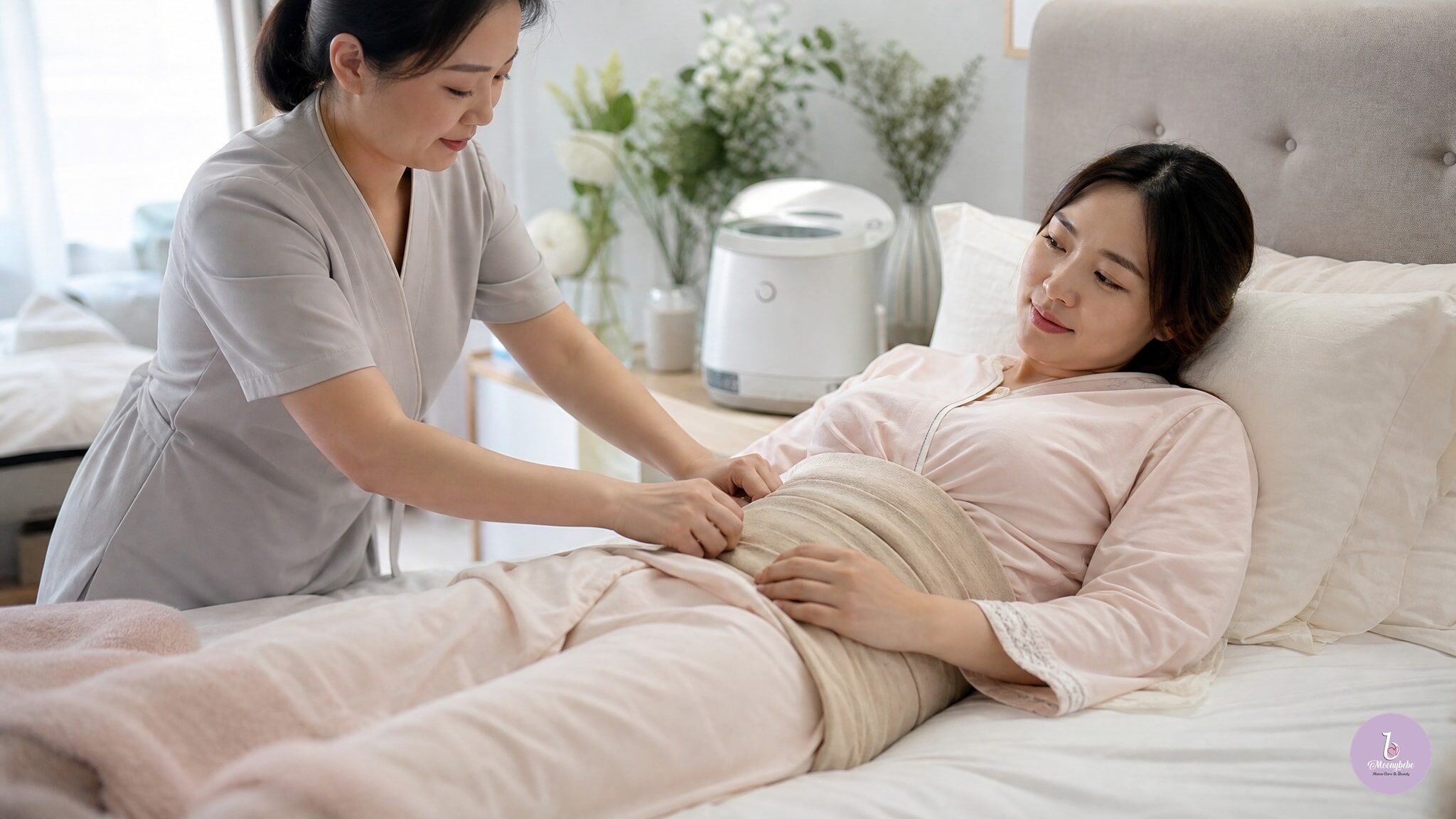
Toronto Postpartum Confinement Home Services: A Guide to Professional At-Home Postpartum Care
For Toronto mothers who have just welcomed a new baby, postpartum recovery often involves balancing reality with tradition. Many Asian families understand the importance of postpartum confinement for
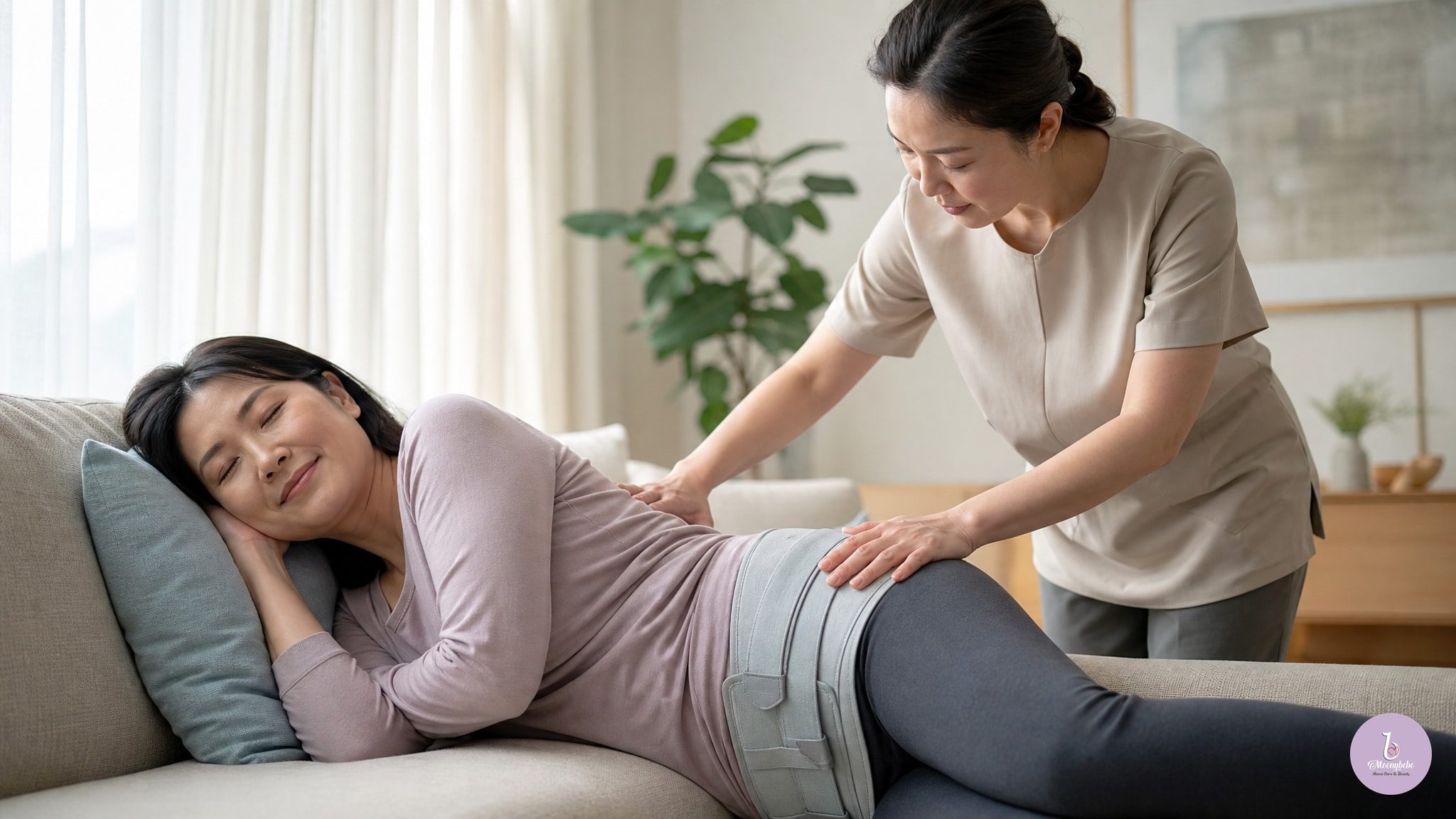
Postpartum Pelvic Alignment Services in Toronto: Restore Pelvic Stability and Postural Balance
The changes pregnancy and childbirth bring to a woman’s body are comprehensive and far-reaching. Toronto has a unique climate and pace of life, so postpartum mothers need targeted support to restore b
Pregnancy Massage Safety Guide: Professional Tips for Relieving Back Pain and Swelling
Pregnancy is a joyful journey, but it also brings significant physical changes. As the baby grows and hormone levels fluctuate, many expectant mothers experience discomfort such as lower back pain, sw