


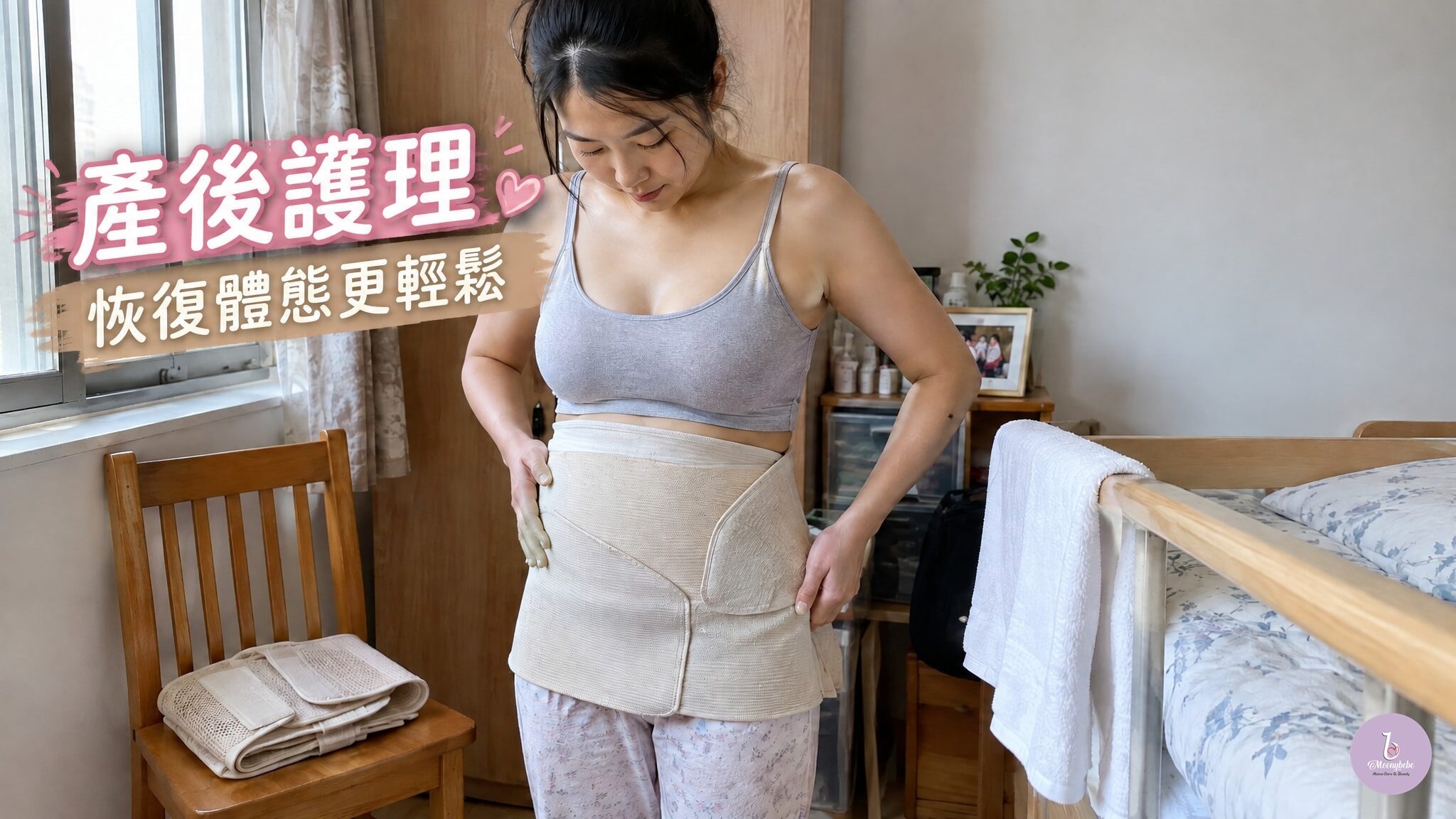
When to start wearing a postpartum belly band is one of the most frequently asked questions during the postpartum recovery period. Older generations may say to start right after giving birth, while online articles suggest waiting a while—leaving new moms caught in the middle, unsure of what to do. From a therapist’s clinical perspective, the starting point for postpartum abdominal binding isn’t determined by the number of days on the calendar, but rather by the method of delivery, the condition of the incision and abdominal muscles, and whether medical professionals have confirmed that it’s safe to begin. When to Start Postpartum Belly Binding: Key Considerations Differ Between Vaginal and Cesarean Deliveries Opinions vary widely: some advocate for immediate use after a cesarean section, while others recommend waiting for a while. Both views are overly simplistic; the key factors are whether your doctor approves and the condition of your incision. In traditional postpartum confinement customs, abdominal binding is often regarded as a routine practice, but the timing and intensity vary from family to family. Let’s consider a typical scenario: A first-time mother who gave birth vaginally has just returned home. Although she is still experiencing heavy lochia, she wants to start wearing a postpartum girdle before her first outing, as she feels more at ease that way. A therapist wouldn’t give her a specific number of days, because everyone’s uterus heals at a different rate—even among women who’ve had vaginal births, the pace of recovery varies. There are three criteria for making this judgment: whether the uterus is gradually recovering, whether lochia has noticeably decreased, and whether the perineal incision (if any) and the lower abdomen feel stable. If lochia is still heavy, it means the body is still expelling waste and healing; there’s no need to rush into wearing a postpartum girdle at this stage. In the early stages of recovery, comfortable support is far more important than shaping the waistline. The reason lies in intra-abdominal pressure. The appropriate fit for a postpartum girdle is one that allows you to breathe normally, bend over, and move freely without causing pain from constriction. In the early stages of recovery, a tighter fit does not necessarily mean it is more effective. If the girdle is tied too tightly, intra-abdominal pressure will rise, and this pressure may be transmitted downward to the pelvic floor—which is still healing—placing an additional burden on an area that already needs rest. If you want to incorporate the girdle into your overall recovery routine, refer to the timeline for various aspects of postpartum physical recovery—don’t base your decision on a single point in time. Professional assessments follow a set sequence. First, a doctor or midwife during a postpartum follow-up visit confirms the body’s basic recovery status; second, a Registered Massage Therapist (RMT) assesses the support needs of the abdominal midline and pelvis, and demonstrates the correct positioning and tightness. For vaginal births, light support is typically introduced only after the body has initially stabilized and a healthcare professional has given approval. If the same mother switches to a cesarean section, the incision becomes the top priority. Pain, redness, swelling, and discharge must be monitored first; the abdominal binder must avoid the incision site, and use may not begin until the doctor gives explicit approval. Therefore, for vaginal births, the timing of postpartum binding depends on how the uterus, lochia, and pelvis feel, while for cesarean sections, it depends first on whether the incision is stable and whether the doctor has given the go-ahead. This isn’t about making you wait—it’s about letting your body get ready first. Once the initial postpartum period has passed and both your body’s signals and professional approval are in place, it’s not too late to start. How to Tie a Postpartum Belly Binder: Correct Principles and Precautions There are several principles for tying the binder; you don’t need to memorize specific steps. The core of the correct method is to focus support on the lower abdomen and pelvic area, with the lower edge resting near the hip bones—not tightening upward around the waist or chest. The principles apply equally to fabric and Velcro styles: adjust the tightness so you can breathe normally, bend over, and move freely without feeling any pain from constriction. To compare the design differences between traditional and modern styles, check out the differences between the traditional Bengkung abdominal binder and shapewear. It is not recommended to wear it all day. Please remove it before sleeping at night, during prolonged bed rest, or before using the restroom, and re-fasten it afterward to allow the abdomen and pelvis time to relax. The garment simply needs to be breathable and adjustable so that the tightness can be modified as your body changes. There are two additional points to note regarding abdominal binders. They provide supplementary support and cannot replace exercise or pelvic floor exercises; they are also not suitable for those seeking immediate waist-slimming results. If you’re hoping a binder will solve all your postpartum recovery issues at once, you’ll need to adjust your expectations. A more comprehensive explanation of the benefits and limitations of postpartum pelvic belts is available. If you’d like to know how to use it at home, check out our comprehensive guide on how to safely wear a postpartum belly band at home. When Should You Stop? When to Seek Professional Help: During the use of a postpartum belly wrap, if any of the following conditions occur, please stop using it immediately and contact a healthcare professional: redness, swelling, or oozing from the incision; increased pain; a sudden increase in lochia; or an unusual odor; fever; urinary leakage when coughing or straining; a sensation of heaviness in the lower abdomen; dizziness or difficulty breathing after applying the wrap. Issues related to the wound or pelvic floor should be addressed by a doctor, midwife, or physical therapist. Different professionals have different scopes of practice; the postpartum recovery options in Traditional Chinese Medicine (TCM) and Western medicine can help you determine who to consult. Please consult a healthcare professional before beginning. If you simply want to confirm the placement and tightness of your postpartum girdle, Moonybebe’s postpartum girdle treatment is provided by Registered Massage Therapists (RMTs) and internationally certified acupuncturists, combining traditional…
“Everyone’s been through this”? Postpartum struggles are real—you deserve to be well taken care of.
“We went through the same thing back then.” This phrase is usually said out of concern, but it often makes a new mom swallow her “I’m so tired” before she can say it. From the perspective of a licensed massage therapist and acupuncturist, this article explains what’s actually happening to a woman’s body and emotions after childbirth and offers a few phrases you can say directly to your family. There’s a reason you’re tired. Why is giving birth so exhausting? Just because “everyone goes through this” doesn’t mean it’s not hard. Let’s start with a hypothetical scenario—it’s not a real case, but it represents a very common day in a postpartum household. A new mother is in Confinement at home after giving birth. In the first few weeks postpartum, she has to get up several times a night to breastfeed, and her sleep is broken into short, fragmented stretches. When she holds the baby or stands up from the bed, she feels a sharp ache in her lower back and pelvis. Her milk supply hasn’t stabilized yet, and her breasts feel swollen and hard. During the day, she often forgets things and experiences sudden mood swings. Her mother-in-law remarks, “We went through the same thing back in our day.” Hearing this, she finds it even harder to admit just how exhausted she really is. “Everyone goes through this” implies that this experience is very common. It does not mean that every mother experiences the same level of discomfort or recovers at the same pace, nor does it mean that postpartum discomfort does not exist or does not need to be addressed. If we break down this mother’s day, every symptom has a physiological cause. During pregnancy, hormones cause the pelvis and surrounding ligaments to loosen, preparing the body for childbirth. After giving birth, these structures do not snap back into place overnight, so the instability of the pelvis as it recovers is particularly noticeable when walking, standing up, or turning over in bed. The abdomen is also adjusting. As the uterus enlarges, the rectus abdominis muscles may separate along the midline, reducing abdominal support after childbirth and forcing the lower back to compensate. Then there’s breastfeeding and holding the baby. Throughout the day, you’re looking down to feed, bending over to change diapers, and repeatedly standing up while holding your baby—all of these movements place additional strain on your already overworked lower back, which is how postpartum lower back pain builds up. Blocked milk ducts are another source of pain. While milk supply is still adjusting, breasts tend to become engorged and hard, and this soreness and swelling can make it even harder to get proper rest. Lack of sleep, in turn, increases sensitivity to pain and makes you more prone to fatigue. As a result, issues with the breasts, lower back, and sleep often occur simultaneously and exacerbate one another. From a clinical perspective, an assessment should take a holistic view rather than focusing on just one area. Finally, there are emotional factors. With dramatic postpartum hormonal fluctuations combined with fragmented sleep, it’s no surprise that concentration wanes and tears come easily. These challenges have a physiological basis; they aren’t due to a lack of willpower or a fragile personality. If you’d like to know how these discomforts typically improve step by step, you can refer to the recovery rhythms of various parts of the body after childbirth. For the pelvis and lower back, you can explore how professional therapists view the postpartum pelvic girdle to understand the role and limitations of support devices. When experiencing breast tenderness, understanding the difference between lactation massage and a lactation consultant can help you determine which type of assistance to seek. Low Mood vs. Postpartum Depression: How to Tell the Difference and When to Seek Help. Postpartum low mood usually appears briefly in the early postpartum period and may manifest as unexplained crying, irritability, or feelings of inadequacy; it typically subsides gradually with rest and support. Postpartum depression, however, lasts longer and affects your ability to care for yourself, your baby, and manage daily life. If you find that your low mood persists, you’ve lost interest in things you usually enjoy, or you feel unable to care for yourself or your baby, please don’t try to tough it out. If you have thoughts of harming yourself or your baby, contact a doctor or seek professional help immediately. There are also several physical warning signs that require immediate attention: fever, red, swollen, and severely painful breasts, heavy bleeding, swelling and pain in one calf, or chest tightness and difficulty breathing. If you experience any of these, seek medical attention immediately. Massage, acupuncture, and abdominal binding cannot replace a medical evaluation—this is a boundary that must be upheld in any postpartum care. How to Communicate Your Need for Rest to Family Members When older family members say, “It was the same for us back then,” they’re usually not dismissing you. They’re trying to comfort you with their own experiences, but “we got through it” doesn’t mean “we didn’t need help back then”—and this is something many family members don’t realize. So when you feel your family doesn’t understand, rather than waiting for them to figure it out, it’s better to voice your needs directly. Starting with “I need” makes it easier for them to listen than saying “None of you understand.” You can try these phrases: “I know everyone got through it this way, but I’m really exhausted right now. Could you please watch the baby for me tonight so I can get a good night’s sleep?” “I need someone to help with cooking and laundry these next few days so I can lie down when I’m not breastfeeding.” “I need to go for a follow-up appointment and would like you to come with me.” What these phrases have in common is that they first acknowledge the other person’s experience and then ask for a specific, achievable task. Family members often want to help but don’t know where to start, so asking them to take on specific tasks is more effective than simply saying, “Help me out a little more.” The three most practical ways to help are: taking over soothing and putting the baby to sleep after one nighttime feeding, sharing the burden of cooking and housework, and accompanying her to doctor’s appointments or follow-up visits. If you’re a family member and hear a new mom say she’s tired, don’t rush to compare by saying, “It was harder for me back then.” Just ask her, “What do you need me to do right now?” That’s enough. Only when you turn “I’ll help you” into a specific time and task will the new mom truly be able to get some sleep. The Importance of the Postpartum Confinement Period: Balancing Traditional Wisdom and Modern Care The core of the postpartum confinement period is to set aside a period of recovery—both physical and emotional—during which the mother is cared for. This is precisely why it’s so important: it ensures that after giving birth, you don’t have to struggle to take care of yourself while also caring for your newborn all on your own.…
How to Choose a Postpartum Care Center? 5 Essential Tips for New Moms
Welcoming a new life is a joyful moment, but for new mothers in Toronto, Markham, or Richmond Hill, planning for the postpartum recovery period is often accompanied by anxiety and uncertainty. With so many options on the market, many families discover when researching that existing review articles mostly compare the physical facilities of brick-and-mortar postpartum care centers, yet rarely discuss how to comprehensively evaluate in-home services, professional certifications, and the scope of services. This makes it difficult for mothers to find comprehensive information that aligns with their lifestyle and recovery needs when considering how to choose a postpartum care provider. The right choice for postpartum care should not be limited to a matter of location; it also involves verifying professional credentials and developing a personalized recovery plan. How to Choose a Postpartum Care Provider: A Comprehensive Assessment from Legal Certification to Service Models The first step in comparing postpartum care providers is to clarify the legal definitions and the fundamental differences in service models, as these directly impact the baseline standards for maternal and infant safety and the quality of care. According to the Taichung City Government’s Department of Health, “postpartum care homes” established with approval from the competent health authority are the legally designated term; while “postpartum care centers” or “postpartum care facilities”—commonly found in the market—may not use this name unless approved. Taking Taichung City as an example, the Health Bureau conducts annual supervisory evaluations of the 34 registered postpartum care homes to safeguard consumer rights and ensure care quality. This regulation highlights a crucial fact: only facilities that have passed rigorous reviews and are subject to ongoing oversight can provide postpartum care services backed by medical support—rather than merely serving as general commercial establishments offering accommodation and meals. For Chinese mothers living overseas in the Toronto area, although the local regulatory system differs, this logic of “legitimacy” and “regulatory standards” remains the core criterion for selecting high-quality services. Decision-Making Analysis: In-Home Postpartum Care vs. Brick-and-Mortar Facilities When we shift our focus back to real-life scenarios in the Toronto area, the complexity of the decision-making process becomes apparent. Consider a new mother living in Markham who already has an older child at home to care for; she faces a dilemma when evaluating her postpartum care options. If she chooses to stay at a brick-and-mortar facility, the biggest advantage is the 24-hour baby monitoring system and immediate support from professional caregivers. As is commonly advised when selecting a postpartum care center, asking in advance whether the facility has a baby monitoring system—allowing the mother to see her baby around the clock—not only puts parents’ minds at ease but also meets certain safety monitoring standards. This round-the-clock care and monitoring system serves as an irreplaceable safety net for mothers who lack parenting experience or are severely physically drained after childbirth. However, for families hoping to address the emotional needs of their older child, avoid the risk of cross-infection with the newborn, or simply wish to recuperate in a familiar environment, in-home postpartum care services offer a uniquely suitable option. This model allows new mothers to spend their Confinement period in the comfort of their own homes while receiving professional in-home support. However, there is a risk here that must be addressed: once removed from the real-time oversight of an institutional system, verifying the qualifications of service providers becomes even more critical—and more challenging. When choosing in-home services, one cannot rely solely on word-of-mouth or a referral; it is essential to strictly verify that service providers hold internationally recognized professional certifications, such as Registered Massage Therapist (RMT) or Registered Acupuncturist. Without the immediate supervision of a nursing station in a home setting, the independent professional judgment and professional ethics of each in-home service provider are the only line of defense for the safety of the mother and baby. If you are unsure about the screening criteria in this area, “How to Choose a Certified Professional Team” can help you create a specific verification checklist to ensure that the team you select has a substantive medical or therapeutic background—not just a short-term postpartum care training certificate. Timing your booking is also a crucial aspect of the evaluation process that should not be overlooked. Industry experts recommend that mothers begin searching for a suitable postpartum care center as soon as they learn they are pregnant. Around 12 weeks of pregnancy—when you receive the baby’s ultrasound image, pick up your prenatal health handbook, or learn your due date—you should make a reservation to avoid missing your preferred time slot. In other words, even during the early stages of pregnancy, as you’re still adjusting to the changes, you should simultaneously begin the process of securing postpartum care resources. In areas like Toronto, where high-quality Chinese-language postpartum care services are relatively scarce, planning ahead is essential to ensuring you can select a service that meets certification standards and fits your schedule. Postpartum Care Comparison: Planning Your Stay Duration and Reviewing Professional Care Services Once you’ve established the service model and verified its legitimacy, the next step in comparing postpartum care options involves a thorough review of both quantitative metrics and qualitative content. Many first-time mothers, when evaluating options, are easily drawn to luxurious decor or exquisite meals, yet overlook the physiological recovery timeline and the depth of professional intervention required for postpartum recovery. It is recommended that postpartum care last at least 14 days so that the baby has sufficient time to receive care from professional caregivers, and the mother can rest, recuperate, and learn about postpartum health education; if the budget allows, options such as 21 days, 28 days, or even 40 days can be chosen to ensure the most thorough postpartum rest. This timeframe is not arbitrary but is based on the biological timeline required for uterine involution, wound healing, and the establishment of lactation. A stay shorter than 14 days often provides only superficial relief for the body; it is insufficient for deep tissue repair and the internalization of newborn care skills, making it easier to experience secondary issues such as physical and mental breakdowns or breastfeeding difficulties after returning home. Beyond the duration of the stay, the quality of professional care is what truly distinguishes high-quality postpartum care from ordinary lodging services. When evaluating a facility, focus should shift from physical facilities to professional expertise to confirm whether the institution or service team has a comprehensive medical staff. This includes whether there are regular rounds by obstetricians or pediatricians, whether certified lactation consultants are on staff, and whether nursing personnel hold valid professional licenses. These professional roles exist to address potential postpartum medical emergencies, breastfeeding difficulties, or newborn health abnormalities—not merely to provide routine daily care. Particularly when it comes to breastfeeding support, many mothers fail to distinguish between lactation massage and medical-grade breastfeeding guidance, mistakenly believing that simply having someone help with a massage will resolve all feeding issues. In fact, the difference between a lactation massage and a lactation consultant lies in the fact that the former focuses on physical unblocking and relief, while the latter involves feeding strategies, correction of latch positions, and medical assessment of milk supply; the two complement each other but serve distinctly different functions. If your postpartum care options lack this level of specialized support, even a full 28-day stay may simply prolong an ineffective recovery process. For families considering Confinement at home or a combination of in-home services, this professional checklist is equally applicable—and may even require more rigorous scrutiny. In postpartum care facilities, these professional resources are typically bundled into care packages; however, when recovering at home, you must proactively verify whether the in-home care team can provide the same level of care. Moonybebe’s guide to Toronto’s in-home Confinement care services details how to implement professional treatments—such as traditional abdominal binding, pelvic floor rehabilitation, and lactation massage—in a home setting, ensuring that mothers unable to stay at a facility can still receive evidence-based recovery support. This ability to break down facility-level expertise and adapt it for the home setting is a crucial factor in evaluating the flexibility and depth of services when comparing modern postpartum care options. The Final Step in Choosing Postpartum Care: Contract Review and Alignment with Personal Needs After completing the screening and comparison process described above, the final decision must be based on your specific needs and a thorough review of the contract details. This step is often viewed as an administrative formality, but it is actually the final line of defense for safeguarding your rights and ensuring the service meets your needs. Before signing any postpartum care contract, be sure to review each clause to confirm that the fee structure is transparent, the refund policy is reasonable, and infection control measures comply with current public health standards. Having these terms clearly spelled out in writing can effectively prevent future disputes arising from misunderstandings, sparing you the distraction of resolving conflicts during the vulnerable postpartum period. More importantly, be honest about your physical condition and specific needs, and use these as the ultimate basis for selecting the right service. Every mother’s postpartum recovery journey is unique: Mothers who have had a cesarean section may require a longer period of wound care and scar repair; mothers who have experienced a difficult delivery may urgently need pelvic realignment and pelvic floor muscle rehabilitation; and mothers experiencing breastfeeding difficulties may require frequent in-home lactation consultations and breastfeeding guidance. These highly personalized needs often cannot be fully addressed by a single, standardized institutional package. In such cases, it is particularly crucial to find a team that holds international certifications and can provide modular services. Whether you ultimately choose to stay at a facility during Confinement or recover at home, you should ensure that your postpartum care options truly address these individualized recovery processes—rather than relying solely on generic rating lists. If you find that you have the specific recovery needs mentioned above but are unsure whether existing options are sufficient to support them, consider scheduling a free consultation on postpartum recovery plans to receive a professional assessment tailored to your situation. This will transform your postpartum care selection from a blind comparison into a targeted investment in your recovery. #PostpartumCare #ConfinementInToronto #PostpartumRecovery #ChoosingAConfinementCenter #In-HomeConfinementCare #PelvicRehabilitation #Breastfeeding #NewMoms…

Do Postpartum Pelvic Belts Really Work? What Do Professional Therapists Say?
New mothers searching for information on postpartum recovery almost always encounter the same question: Do postpartum pelvic belts really work? Online forums are filled with all kinds of personal experiences—some say their pubic bone pain was immediately relieved after wearing one, while others complain that their hip width hasn’t changed at all after a month of use. These polarized reviews often leave new moms confused and may even lead them to anxiously purchase products out of fear of missing the “golden period” for recovery. Most discussions remain at the level of user experience, lacking professional analysis grounded in anatomy and biomechanics. A postpartum pelvic belt is neither a miracle cure nor a useless waste of money; its effectiveness depends on whether it is used for the correct indications and whether the user understands its true role in the overall postpartum recovery process. Are postpartum pelvic belts effective? Examining Real Effects and Limitations Through the Principles of Physical Support Imagine a mother who has just given birth—whether vaginally or via C-section—trying to get out of bed to breastfeed during her first postpartum week. She feels a distinct sensation of looseness deep within her pelvis, possibly accompanied by sharp pain at the pubic symphysis. She follows the instructions to fasten the pelvic belt and secure the Velcro straps; that unstable, wobbly sensation disappears instantly, replaced by a sense of security from being cradled, and the pain upon sitting up is significantly reduced. This is the core benefit of a pelvic support belt: it provides the external, passive support that is urgently needed during postpartum joint instability. According to an educational article on postpartum care by Inujirushi Honpo, during pregnancy, the pelvis widens due to the enlargement and anterior tilt of the uterus, as well as the effects of relaxin. Although the pressure subsides after childbirth, the pelvis may remain fixed in an anteriorly tilted position. At this point, the pelvic support belt provides the necessary external stability, allowing injured ligaments and joints the opportunity to rest and realign. However, this mother will soon discover a harsh reality: every time she unfastens the pelvic support belt to take a shower or change clothes, that feeling of looseness and pain returns. This does not mean the product is ineffective; rather, it reveals the inherent limitations of pelvic belts. Content reviewed by physical therapist Zhang Minxuan and Dr. Liu Yichen, a physical therapy specialist, indicates that while pelvic belts are indeed effective under specific circumstances, they are transitional aids and cannot replace active core and pelvic floor muscle training. It is like a cast after a fracture: it can prevent dislocation and relieve acute pain, but it cannot grow new muscles or rebuild neural control. If one mistakenly interprets “no pain when wearing it” as “already healed,” it will actually mask the warning signals the body is sending. Regarding frequency and timing of use, many mothers mistakenly believe that the longer they wear it, the better—some even wear it 24 hours a day for peace of mind. According to health education materials written by physical therapist Zhang Minxuan, research suggests that pelvic belts should be used for at least seven hours per week; the best results are achieved when use begins during pregnancy and continues through the postpartum period. The key here is “support,” not “dependence.” For new moms in the Toronto area who need more comprehensive guidance during Confinement care at home, you can refer to the Toronto Confinement Home Care Service Guide. With the help of professionals, you can establish correct usage habits and avoid blindly wearing the belt for long periods without proper guidance. What are the negative effects of long-term reliance on a pelvic support belt without exercise on pelvic recovery? This is a hidden risk that many mothers overlook. When external support replaces the work of internal muscle groups, the core muscles and pelvic floor muscles will undergo disuse atrophy due to prolonged inactivity. The deep muscles—which should be reactivated through breathing and movement—remain dormant due to external compensation. As a result, after removing the pelvic support belt, the body feels weaker than before wearing it, and the actual pelvic recovery process is indefinitely delayed. The effectiveness of a pelvic support belt has clear limitations. It is suitable for managing joint instability and pain in the early postpartum period, but it is not appropriate as a long-term tool for weight loss or posture correction. If you find that you cannot move normally without the pelvic support belt, or if your pain has not improved after wearing it for several weeks, this indicates that the passive support phase has ended, and you need to move on to the next stage of recovery. How to Use a Pelvic Belt and Its Side Effects: The Key to Avoiding Unhealthy Dependence The correct positioning is the primary factor in determining whether a pelvic belt will be effective without causing harm. Many mothers instinctively fasten the pelvic support belt at the narrowest part of their waist to achieve a visual slimming effect, but this not only fails to stabilize the pelvis but also increases abdominal pressure and pushes the internal organs downward. The standard position is at the greater trochanter of the hip—that is, wrap the belt around just below the most prominent bones on either side of your hips, which you can feel when you place your hands on your hips. Only at this position can the belt apply a direct inward stabilizing torque to the pelvic joints, truly alleviating the discomfort caused by symphysis pubis diastasis. Getting the tension just right is equally critical. A pelvic belt that is too tight will not accelerate healing; it will only pose risks. The appropriate tension is when you can barely fit one finger between the belt and your body after fastening it—it should provide sufficient support without impeding blood circulation or compressing nerves. If you experience skin irritation, a rash, difficulty breathing, numbness in the lower limbs, or increased pain while using the belt, stop using it immediately and consult a professional. These side effects typically indicate incorrect positioning or excessive tightness, rather than a normal reaction as your body adjusts. While using a pelvic support belt may seem simple, it actually requires a basic understanding of your own skeletal structure. This is why we recommend that mothers seek a professional evaluation before starting to use one, rather than trying to figure it out on their own based solely on online images and descriptions. When to Seek Professional Pelvic Rehabilitation Distinguishing between “home-based support” and “professional treatment” is the most critical decision point on the path to postpartum recovery. A pelvic support belt can address temporary mechanical instability, but it cannot resolve deeper issues such as muscular imbalances, fascial adhesions, or abnormalities in neural control. If you find that a pelvic support belt only relieves symptoms while you’re wearing it—and the pain returns immediately upon removal—or if you experience symptoms such as urinary incontinence, lumbosacral pain, leg length discrepancy, or pain during intercourse, this indicates that your body needs more than just external support—it requires targeted functional rehabilitation. You should seek the intervention of a registered therapist for a systematic assessment and treatment. Moonybebe’s Pelvic and Skeletal Recovery Program is specifically designed to bridge this gap between passive support and active stability. According to Moonybebe’s service description, this treatment is performed by internationally certified registered massage therapists who combine traditional techniques with modern anatomical assessment to provide personalized treatment plans for postpartum pelvic instability. Therapists do not simply advise you to keep wearing the belt; instead, they use palpation and movement tests to identify the true source of functional impairment, then guide the body toward regaining intrinsic stability through manual realignment and a personalized exercise regimen. This represents a fundamental difference from passive approaches that rely solely on devices; it is an active approach that addresses the root cause of the problem. Many mothers from Asian cultural backgrounds are familiar with the concept of traditional abdominal binding and may easily confuse modern pelvic belts with traditional binding methods. Understanding the comparison between traditional Bengkung and modern shapewear helps clarify the differences in materials, wrapping techniques, and physiological effects, preventing you from choosing a tool unsuitable for your current recovery stage due to cultural habits. Traditional Bengkung emphasizes gradual compression and full-body coverage, while modern pelvic belts focus on joint stabilization; each has its own appropriate applications. However, when dealing with functional impairments, neither can replace the manual therapy and exercise guidance provided by a professional therapist. For mothers living in the Greater Toronto Area, traveling to a clinic in the early postpartum period can be a burden in itself. Postpartum pelvic correction services in Toronto offer localized, professional options, allowing you to receive assessment and treatment in a familiar environment without having to travel between clinics while caring for a newborn. Professional intervention does not negate the value of pelvic belts; rather, it places them within the correct timeline for recovery, ensuring that every effort is directed toward true functional restoration—not merely a temporary masking of symptoms. When you’re ready to move from passive reliance to taking active control of your body, scheduling a free consultation is the best starting point to assess your individual recovery progress. #PostpartumPelvicBelt #PelvicRehabilitation #PostpartumCare #PostpartumConfinementInToronto #HowToUseAPelvicBelt #PostpartumRecovery #Moonybebe

What’s the Difference Between Lactation Massage and a Lactation Consultant? How Should New Moms Choose?
In the third week after giving birth, late at night in Toronto, many new mothers are experiencing similar anxieties: a stinging sensation deep within their breasts, accompanied by a noticeable lump. Even after trying warm compresses and hand expression, the swelling hasn’t subsided—and may even be accompanied by slight redness and severe pain during feedings. At such a physically and mentally exhausting time, information found on search engines often leaves women even more confused, because while “postpartum lactation massage” and “lactation consultant” both seem like potential solutions, they actually represent entirely different approaches and professional scopes. For Chinese families living abroad—who are simultaneously grappling with traditional postpartum confinement beliefs and the pressures of modern parenting—clarifying the difference between these two options is not merely a matter of defining terms; it is a critical decision that determines whether they can safely relieve pain and prevent mastitis from worsening in the shortest possible time. This article does not aim to provide a list of vague definitions; rather, it takes you through a specific decision-making scenario to help you accurately determine—when your body sends warning signals—which pair of professional hands you need most at that moment. Significantly Different Approaches to Treating Breast Engorgement: The Core Differences Between Lactation Massage and a Lactation Consultant—Which Service Should You Prioritize When You Have a Lump in Your Breast? Imagine a new mother living in Markham or Richmond Hill who, three weeks postpartum, is experiencing recurring breast blockages. She has been treating the condition on her own for 24 hours, but the lump has not subsided, and the pain is gradually intensifying. The choice she faces at this point essentially comes down to a decision between “physical clearance” and “functional assessment.” If her problem stems from structural pressure caused by milk stasis—such as localized blockages resulting from prolonged failure to fully empty the breasts or compression from a bra—a lactation massage performed by a registered massage therapist is the targeted solution. This type of service focuses on gentle techniques targeting soft tissues and the lymphatic system, aiming to relieve deep-seated congestion through physical mechanisms rather than merely providing superficial relief. According to Catherine Chow Health’s definition of breastfeeding-related massage, this is a form of registered massage therapy tailored to individual needs, encompassing gentle techniques for the breast and chest soft tissues, lymphatic support, and the treatment of tension in the ribcage and upper back, with the core objective of restoring normal physiological mobility to the tissues. However, if the source of this mother’s blockage is not simply a physical obstruction—but rather the baby’s incorrect latch, inefficient swallowing, or a long-term mismatch between the mother’s feeding rhythm and the baby’s needs—massage alone can only provide temporary relief, and the lumps will quickly return. In such cases, a functional assessment by an internationally certified lactation consultant becomes an indispensable step. They examine the entire dynamic feeding system—from the baby’s oral structure to the details of the mother’s holding position—to identify the root cause preventing effective milk removal. Discussions on the BabyHome forum regarding the differences between the techniques used by lactation consultants and traditional breast massage practitioners have pointed out that traditional hard-kneading techniques may cause excessive compression of breast tissue, leading to injury or mastitis. Modern professional services should employ gentle, low-irritation soft-tissue techniques. This also highlights the importance of verifying whether a provider has a medical background or is registered when seeking services in Toronto. These two professions are not mutually exclusive but play complementary roles at different stages. An abstract from the Southern Medical University Academic Resource Library on the effects of postpartum breast massage and breastfeeding indicates that acupoint massage at different postpartum time points can stimulate the release of prolactin, promote milk secretion, and accelerate the early onset of lactation, illustrating the tangible physiological benefits of physical conditioning. However, if functional corrections are overlooked, physical improvements are unlikely to be sustained. Therefore, when assessing your own condition, be sure to honestly evaluate the nature of your symptoms. If you experience sudden, localized lumps and pain accompanied by shoulder and neck stiffness, a pain-free lactation massage treatment can immediately relieve physical pressure; if you experience chronic, recurring blockages, poor weight gain in your baby, or ongoing difficulties with breastfeeding, you should prioritize seeking a lactation consultant for a systematic assessment. In the Toronto area, many Chinese families are accustomed to combining traditional Confinement practices with modern nursing care. The true balance lies in understanding that “restoring physical health” and “establishing proper function” each have their own distinct and irreplaceable professional boundaries. Only by addressing the root cause can you truly break the vicious cycle of breast engorgement while ensuring the safety of your breast tissue. When to Seek Breastfeeding Counseling and Professional Boundaries Not all breastfeeding difficulties can be resolved through massage alone; recognizing this boundary is the most important safety net for both mother and baby. When nipple wounds show signs of suppuration, breast pain intensifies rapidly within a short period, or the baby’s diaper wetness decreases significantly and weight gain falls below standard levels—these are red flags requiring immediate evaluation by a lactation consultant or other qualified healthcare professional, rather than relying solely on massage. MoonyMama’s guidelines for lactation services targeting new Chinese families in Toronto specifically emphasize that such situations often involve potential infection risks or imbalances in overall feeding strategies, requiring systematic observation and documentation; a single session of physical therapy cannot replace clinical diagnosis and long-term follow-up. You may find yourself in a dilemma: you feel relief immediately after a massage, but within half a day, you’re back to square one—or worse, the tissue becomes even more sensitive and fragile due to repeated improper stimulation. This is your body’s way of telling you that the root of the problem isn’t “blockage,” but rather “incorrect technique.” The professional value of a lactation consultant lies in their ability to identify the structural or behavioral factors hidden behind the symptoms. For example, does the baby have a short frenulum causing ineffective sucking? Is the mother’s milk ejection reflex being inhibited by postpartum anxiety? Or is the current feeding frequency simply mismatched with the baby’s stomach capacity? These issues cannot be resolved through physical examination alone; they must be clarified through a detailed medical history, on-site observation of feeding, and analysis of growth charts. If you are seeking related support in Toronto, please be sure to verify that the service provider holds international certification or locally recognized professional credentials. Only fully trained consultants can provide safe, evidence-based medical advice while respecting your cultural background and personal preferences. This professional distinction is not meant to dismiss the value of lactation massage, but rather to ensure that every mother receives the assistance best suited to her current situation at the right time, thereby avoiding greater physical and emotional costs resulting from delayed medical care or overreliance on a single therapy. From Professional Intervention to Daily Maintenance: Building a Sustainable Breastfeeding Support System—Linking the Effects of Lactation Massage with Home Care Whether you ultimately choose lactation massage or breastfeeding counseling, the ultimate goal of professional intervention should be to help you regain the ability to care for yourself, rather than creating long-term dependence. An effective service should not merely provide temporary relief during treatment but should also include comprehensive health education—teaching you how to recognize early signs of blockages, master the correct timing for warm compresses and massage, and clearly understand when to seek help again. In a city as vast as Toronto, new families often need to consider transportation and physical strain when scheduling services. As a result, many professional teams offer in-home services, allowing mothers to receive care in a familiar environment while learning how to apply these techniques in their daily lives. If you’re comparing different providers, consider consulting this guide to recommended postpartum lactation massage services in Toronto to understand how local services actually operate and read customer reviews—this will help you make a confident decision far more effectively than simply comparing prices. Trust and professional transparency are the most crucial factors when choosing postpartum care services. Before booking an appointment, you should proactively verify whether the therapist is registered and holds international certifications. Also, observe whether they are willing to take the time to listen to your full situation, explain the rationale behind each step of the procedure, and tailor the treatment plan to your individual constitution. Choosing a certified professional team is not only about technical expertise but also about ensuring the entire care process complies with safety regulations and ethical standards. Postpartum recovery is a holistic journey, and breastfeeding issues are often intertwined with sleep deprivation, nutritional imbalances, or emotional stress. If you need more than just a single lactation massage or consultation—but rather more comprehensive professional Confinement care support at home—you should also factor this into your overall plan. True professionalism means that when you leave the treatment room, you continue on your journey armed with knowledge and confidence, rather than returning home with new anxieties. #PostpartumLactationMassage #LactationConsultant #TorontoConfinementCare…
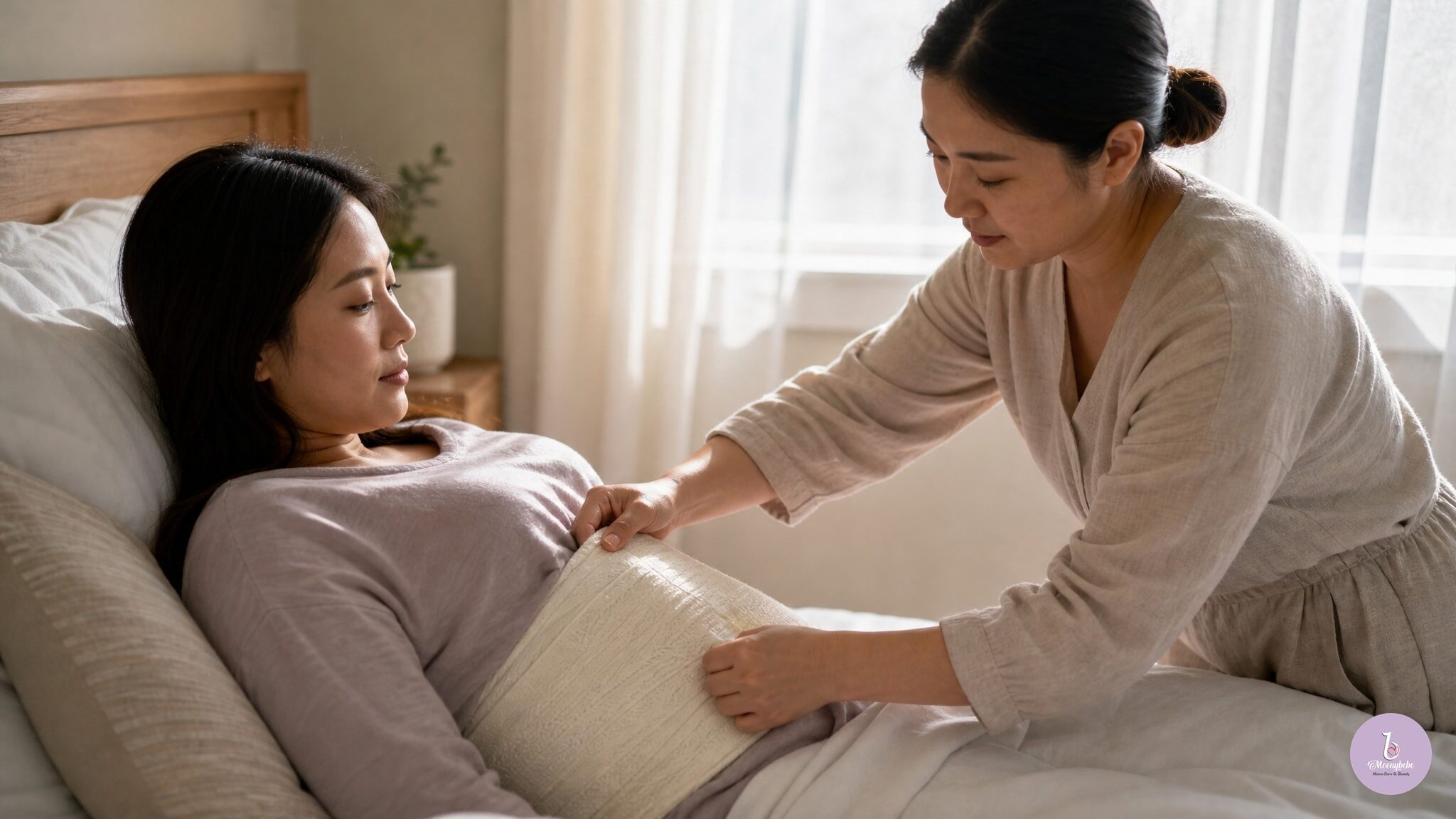
Belly Binding Prices in Toronto: Market Rates and Plan Comparisons
When searching for postpartum belly binding services in Toronto, many new mothers find that information about prices for “belly binding in Toronto” is extremely scarce online, often leaving them at a loss when comparing different providers. This lack of transparency is no accident. Professional postpartum belly binding is not a standardized service; pricing is heavily influenced by variables such as the therapist’s qualifications, the scope of in-home services, and the specifics of the treatment plan. For mothers who have just given birth and are in a critical recovery phase, focusing solely on the lowest price may cause them to overlook the professional costs associated with safety and effectiveness, potentially leading them to choose a service that is merely superficial and lacks substantive care. Understanding the logic behind pricing can help you find truly effective support within your budget. This article provides an evaluation framework to help you shift your focus from simply comparing prices to assessing the actual value of the service, and explains how to choose between a single session and a full treatment program. It also offers specific guidelines for requesting quotes to help you find a trustworthy professional partner during this important recovery phase. Key Factors Affecting the Cost of Postpartum Belly-Tightening in Toronto and How to Evaluate Value When a new mom living in Markham begins planning her postpartum recovery, she often faces a confusing market: some quotes are extremely low, while others are several times higher, yet websites rarely explain what accounts for these differences. As a result, the cost of postpartum belly binding has become an elusive concept, as it encompasses a wide range of services—from purely physical labor to highly specialized, medical-grade care. To break down this cost structure, one must first understand this: professional Bengkung belly binding is not simply wrapping the abdomen; it requires a trained therapist to dynamically adjust the technique based on the progress of postpartum uterine recovery and the degree of rectus diastasis. This explains why services provided by practitioners with RMT or international certifications cost more than standard cosmetic abdominal binding. This means that part of what you pay is for “safety judgment.” Practitioners without professional training in anatomy may be unable to assess the severity of rectus diastasis and could apply improper pressure during the wrapping process, which could be counterproductive to the recovery of the fragile postpartum pelvic floor muscles and the repositioning of internal organs. Therefore, when you see a quote that is significantly below market rates, you should be cautious—it may omit necessary assessment steps or be performed by unlicensed practitioners. The risks associated with such low prices often far outweigh the apparent savings. In addition to professional credentials, the service location also affects the final price. In Toronto and the GTA, pricing for in-home postpartum belly-binding services typically reflects the therapist’s commute time to and from locations such as Richmond Hill or Markham, as well as the cost of transporting professional equipment—these are key pricing components that distinguish studio-based services from in-home care options. For new mothers who have just given birth, are unable to leave the house, and must care for their newborns around the clock, in-home services offer irreplaceable convenience and peace of mind—but this convenience does come at the cost of the therapist’s time and transportation expenses. If you live in a remote area or your appointment falls during rush hour, a fee adjustment is a reasonable reflection of this additional effort. You should also note whether the treatment includes additional assessments and health education guidance, as this is often the dividing line between a “one-time service” and “comprehensive recovery support.” High-quality postpartum belly-binding services go beyond simply wrapping a cloth band; they also involve checking pelvic alignment, wound healing, and breastfeeding posture before and after each session, as well as teaching you how to maintain the binding’s effects at home and perform gentle core-strengthening exercises. Although this tacit knowledge transfer and individualized adjustments aren’t listed separately on the price list, they are the cornerstone of long-term recovery results. At Moonybebe, postpartum belly-binding treatments are performed by licensed massage therapists and acupuncturists who integrate traditional belly-binding techniques with modern anatomical assessments, ensuring the service balances cultural heritage with medical safety standards. This integrated care is specifically designed to address new mothers’ dual needs for professionalism and peace of mind. The most common issue with low-cost services isn’t the technique itself, but rather a lack of follow-up care and hygiene awareness. Professional establishments use dedicated or strictly sterilized abdominal binding equipment and record your physical changes after each session to adjust their approach—rather than mechanically repeating the same set of movements. When evaluating value for money, be sure to factor in these invisible details—they directly determine whether your recovery journey will be one of peace of mind or one fraught with anxiety. …

Postpartum Skin Recovery Treatments: Professional Skincare Services in Toronto
Becoming a mother is a journey filled with joy but also marked by dramatic physical changes. When you finally have a moment to take a close look at yourself in the mirror, you may notice a significant difference between the condition of your skin and how you remember it. These changes aren’t simply due to superficial dryness or fatigue; rather, they are structural traces left by deep tissues that have been stretched over the course of a long pregnancy, requiring a more targeted repair strategy to effectively improve. Many new mothers in Toronto try various at-home skincare routines in the early postpartum period, but often feel frustrated due to a lack of comprehensive understanding of postpartum physiological mechanisms—this is precisely the critical moment for professional postpartum skin repair and care. Why is it difficult for at-home skincare to improve postpartum skin laxity and stretch marks? From pregnancy to childbirth, the body undergoes ten months of expansion and hormonal changes, resulting in deep structural issues such as skin laxity and stretch marks. This is a physiological reality that no topical skincare product can reverse on its own. According to an analysis by Taixin Traditional Chinese Medicine Clinic, these changes involve the breakdown of collagen in the dermis and damage to elastic fibers in the fascia—issues that occur far deeper than what ordinary moisturizing products can reach. Imagine a new mom living in Markham who, starting in the sixth week postpartum, diligently follows a skincare regimen recommended by a friend, applying expensive pregnancy cream and firming lotion morning and night, hoping her belly will gradually regain its pre-pregnancy smoothness and radiance. Real-life cases show that some new mothers have used skincare products continuously for nearly twelve days yet still feel no noticeable change in their skin. This sense of disappointment—putting in the effort but seeing no results—often causes more anxiety than physical discomfort. User experience shares from Tai Xin Chinese Medicine Clinic indicate that this plateau period is a turning point for many mothers to give up on self-care, as they mistakenly believe their products aren’t good enough or their application techniques are incorrect, rather than realizing that the skincare regimen itself is simply not appropriate for their needs. Most commercially available topical products focus primarily on moisturizing and hydration. For existing tears and sagging in the dermis, such products offer only limited improvement; deeper repair methods are required. An article on Youhuo Health explains that stretch marks are essentially scar tissue deep within the skin, while postpartum skin laxity stems from mechanical damage to the supporting structures; both require intervention that goes beyond the stratum corneum to activate true repair mechanisms. When you find that no matter how much serum you apply, your belly still feels loose and the stretch marks remain clearly visible, this does not mean your skincare routine is flawed—rather, there is a fundamental difference between postpartum skin repair and general daily skincare. Postpartum skin is in a unique physiological state characterized by extreme sensitivity and metabolic disruption. Hormone levels have not yet stabilized, and safety considerations during breastfeeding limit the use of many highly effective ingredients, making at-home self-care particularly difficult and inefficient. The value of professional treatments lies in their ability to precisely identify these deep-seated needs and provide restorative conditions that cannot be replicated at home. Moonybebe’s Tribella Comprehensive Skin Repair Treatment is a program specifically designed to address these structural issues. Performed by licensed massage therapists and acupuncturists, it does not rely on superficial moisturization but instead uses professional techniques to directly target damaged tissue. This advanced approach is not meant to replace your daily care and nurturing, but rather to serve as a bridge to tangible improvement when your at-home skincare routine hits a plateau. Once you understand that the root cause of postpartum skin issues lies in structural rather than superficial factors, you’ll be better equipped to choose the right recovery path for yourself. You’ll no longer be misled by the overwhelming array of product advertisements on the market, nor will you dismiss your efforts as a mother simply because of short-term ineffectiveness. How Toronto Postpartum Beauty Treatments Targetedly Address Skin Issues When seeking postpartum skin care services in Toronto, the first priority is to ensure the provider holds professional certifications related to maternal and infant safety, as the fragility of the postpartum body is far beyond what a typical spa can properly address. Moonybebe’s service team consists of registered massage therapists and acupuncturists. These licensed professionals have received clinical training in addressing the unique physiological needs of the postpartum body and can perform deep-restorative treatments while ensuring safety. Their Tribella Comprehensive Skin Restoration Treatment is specifically designed to address postpartum skin structural issues, combining traditional wellness wisdom with modern technological equipment. This integrated approach sets it apart from mainstream treatments that focus solely on relaxation or superficial beauty; it views postpartum skin restoration as part of the body’s overall recovery, rather than an isolated beauty treatment. While caring for your newborn, you shouldn’t have to go through the hassle of traveling for your own recovery. This is why a localized and convenient service model is so important to Toronto moms. Moonybebe serves the Toronto, Markham, and Richmond Hill areas and offers in-home service options, bringing professional postpartum care directly to the comfort of your own home. Imagine a typical afternoon: your baby has just finished feeding and fallen into a deep sleep. Instead of rushing to pack your diaper bag and breast pump to head to a clinic, you can relax in the comfort of your own bedroom while a certified therapist provides you with personalized skin care. This arrangement eliminates the time pressure and mental stress of commuting, allowing the recovery process to truly integrate into your parenting routine rather than becoming just another item on your to-do list. For new mothers experiencing postpartum skin laxity and emotional fluctuations, this sense of being understood and supported is, in itself, a vital part of the healing process. When it comes to postpartum abdominal sagging and stretch marks, the main difference between professional treatments and at-home care lies in the depth and precision of the intervention. The traditional Bengkung technique has been reinterpreted in Moonybebe’s treatments; it serves not only as physical support but also helps the abdominal skin maintain proper tension and positioning during the recovery process, laying the foundation for subsequent technological treatments. If you’re also focused on overall body restoration, our Toronto postpartum body contouring treatments offer options that complement skin repair, allowing for simultaneous skin firming and body sculpting. This multidimensional approach to care is the core value of professional postpartum beauty treatments: it looks beyond the surface texture of the skin to the systematic reconstruction the entire body requires after nurturing new life. Safety Guidelines for Skincare During the Postpartum Sensitivity Period “How soon after childbirth can I begin professional skin restoration treatments?” and “Is it safe during breastfeeding?” are questions every cautious mother asks. The answers must be based on individual assessments rather than general recommendations. The ingredients and equipment used by Moonybebe have been carefully screened to deliberately avoid high-risk substances such as retinol, focusing instead on barrier reconstruction and soothing repair to ensure there are no potential risks to mother or baby during breastfeeding. During your initial consultation, a professional therapist will thoroughly review your delivery method, breastfeeding status, wound healing progress, and history of skin sensitivity to adjust the intensity and pace of your treatment plan accordingly. No two recovery plans are exactly alike; each session is a precise response tailored to your current physical condition. If your skin is experiencing severe inflammation, infection, or has unhealed wounds, you should consult a medical professional first rather than attempting any high-intensity products or treatments on your own. The goal of postpartum skin restoration and care is to support your body’s natural healing abilities, not to forcefully accelerate or mask the process. When done safely, timely professional intervention can effectively shorten the period during which your skin remains vulnerable and reduce the emotional toll caused by prolonged discomfort. When you decide to take this step, scheduling a free postpartum skin consultation is the best starting point for understanding your needs and available options. Let a professional help you navigate the abundance of information and find a restoration path that is both reassuring and effective. This sense of peace of mind is a space you, as a mother, deserve to reserve for yourself while caring for others. #PostpartumSkinRepair #PostpartumCare #PostpartumConfinementInToronto #StretchMarkRepair #PostpartumSkinCare #Moonybebe #PostpartumConfinementInToronto #PostpartumBeautyTreatments
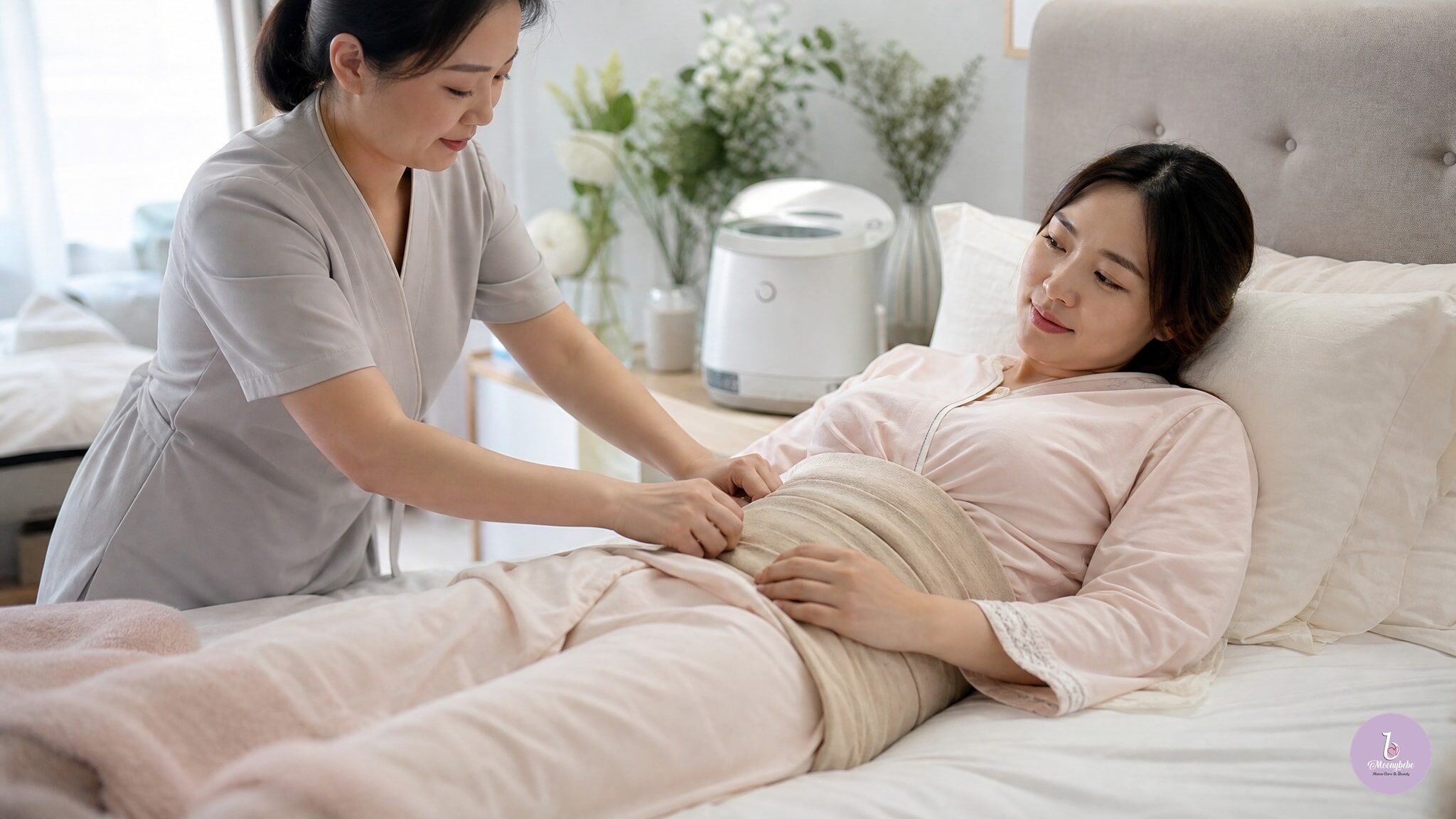
Toronto Postpartum Confinement Home Services: A Guide to Professional At-Home Postpartum Care
For Toronto mothers who have just welcomed a new baby, postpartum recovery often involves balancing reality with tradition. Many Asian families understand the importance of postpartum confinement for