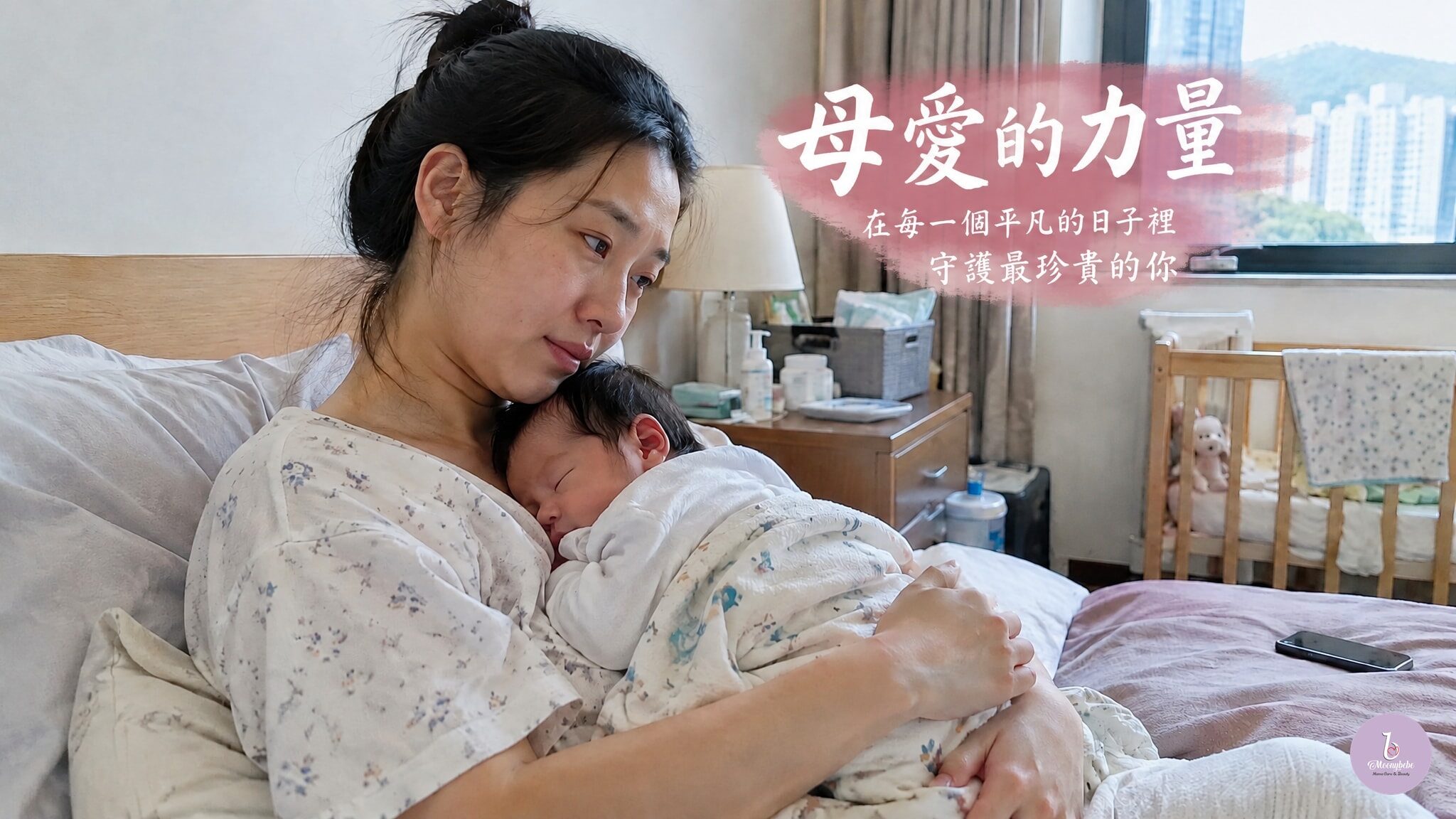
“We went through the same thing back then.” This phrase is usually said out of concern, but it often makes a new mom swallow her “I’m so tired” before she can say it. From the perspective of a licensed massage therapist and acupuncturist, this article explains what’s actually happening to a woman’s body and emotions after childbirth and offers a few phrases you can say directly to your family. There’s a reason you’re tired. Why is giving birth so exhausting? Just because “everyone goes through this” doesn’t mean it’s not hard. Let’s start with a hypothetical scenario—it’s not a real case, but it represents a very common day in a postpartum household. A new mother is in Confinement at home after giving birth. In the first few weeks postpartum, she has to get up several times a night to breastfeed, and her sleep is broken into short, fragmented stretches. When she holds the baby or stands up from the bed, she feels a sharp ache in her lower back and pelvis. Her milk supply hasn’t stabilized yet, and her breasts feel swollen and hard. During the day, she often forgets things and experiences sudden mood swings. Her mother-in-law remarks, “We went through the same thing back in our day.” Hearing this, she finds it even harder to admit just how exhausted she really is. “Everyone goes through this” implies that this experience is very common. It does not mean that every mother experiences the same level of discomfort or recovers at the same pace, nor does it mean that postpartum discomfort does not exist or does not need to be addressed. If we break down this mother’s day, every symptom has a physiological cause. During pregnancy, hormones cause the pelvis and surrounding ligaments to loosen, preparing the body for childbirth. After giving birth, these structures do not snap back into place overnight, so the instability of the pelvis as it recovers is particularly noticeable when walking, standing up, or turning over in bed. The abdomen is also adjusting. As the uterus enlarges, the rectus abdominis muscles may separate along the midline, reducing abdominal support after childbirth and forcing the lower back to compensate. Then there’s breastfeeding and holding the baby. Throughout the day, you’re looking down to feed, bending over to change diapers, and repeatedly standing up while holding your baby—all of these movements place additional strain on your already overworked lower back, which is how postpartum lower back pain builds up. Blocked milk ducts are another source of pain. While milk supply is still adjusting, breasts tend to become engorged and hard, and this soreness and swelling can make it even harder to get proper rest. Lack of sleep, in turn, increases sensitivity to pain and makes you more prone to fatigue. As a result, issues with the breasts, lower back, and sleep often occur simultaneously and exacerbate one another. From a clinical perspective, an assessment should take a holistic view rather than focusing on just one area. Finally, there are emotional factors. With dramatic postpartum hormonal fluctuations combined with fragmented sleep, it’s no surprise that concentration wanes and tears come easily. These challenges have a physiological basis; they aren’t due to a lack of willpower or a fragile personality. If you’d like to know how these discomforts typically improve step by step, you can refer to the recovery rhythms of various parts of the body after childbirth. For the pelvis and lower back, you can explore how professional therapists view the postpartum pelvic girdle to understand the role and limitations of support devices. When experiencing breast tenderness, understanding the difference between lactation massage and a lactation consultant can help you determine which type of assistance to seek. Low Mood vs. Postpartum Depression: How to Tell the Difference and When to Seek Help. Postpartum low mood usually appears briefly in the early postpartum period and may manifest as unexplained crying, irritability, or feelings of inadequacy; it typically subsides gradually with rest and support. Postpartum depression, however, lasts longer and affects your ability to care for yourself, your baby, and manage daily life. If you find that your low mood persists, you’ve lost interest in things you usually enjoy, or you feel unable to care for yourself or your baby, please don’t try to tough it out. If you have thoughts of harming yourself or your baby, contact a doctor or seek professional help immediately. There are also several physical warning signs that require immediate attention: fever, red, swollen, and severely painful breasts, heavy bleeding, swelling and pain in one calf, or chest tightness and difficulty breathing. If you experience any of these, seek medical attention immediately. Massage, acupuncture, and abdominal binding cannot replace a medical evaluation—this is a boundary that must be upheld in any postpartum care. How to Communicate Your Need for Rest to Family Members When older family members say, “It was the same for us back then,” they’re usually not dismissing you. They’re trying to comfort you with their own experiences, but “we got through it” doesn’t mean “we didn’t need help back then”—and this is something many family members don’t realize. So when you feel your family doesn’t understand, rather than waiting for them to figure it out, it’s better to voice your needs directly. Starting with “I need” makes it easier for them to listen than saying “None of you understand.” You can try these phrases: “I know everyone got through it this way, but I’m really exhausted right now. Could you please watch the baby for me tonight so I can get a good night’s sleep?” “I need someone to help with cooking and laundry these next few days so I can lie down when I’m not breastfeeding.” “I need to go for a follow-up appointment and would like you to come with me.” What these phrases have in common is that they first acknowledge the other person’s experience and then ask for a specific, achievable task. Family members often want to help but don’t know where to start, so asking them to take on specific tasks is more effective than simply saying, “Help me out a little more.” The three most practical ways to help are: taking over soothing and putting the baby to sleep after one nighttime feeding, sharing the burden of cooking and housework, and accompanying her to doctor’s appointments or follow-up visits. If you’re a family member and hear a new mom say she’s tired, don’t rush to compare by saying, “It was harder for me back then.” Just ask her, “What do you need me to do right now?” That’s enough. Only when you turn “I’ll help you” into a specific time and task will the new mom truly be able to get some sleep. The Importance of the Postpartum Confinement Period: Balancing Traditional Wisdom and Modern Care The core of the postpartum confinement period is to set aside a period of recovery—both physical and emotional—during which the mother is cared for. This is precisely why it’s so important: it ensures that after giving birth, you don’t have to struggle to take care of yourself while also caring for your newborn all on your own.…

Cart: 0 - $0
No products in the cart.


- Home
- About us
- Moonybebe Service
- Services Details
- Prenatal and Postnatal Care
- Postnatal Natural Belly Binding Treatment
- MaMa’s Sculpt and Glow Pro
- Pelvic Bone Treatment
- Health and Muscle Building Body Sculpting Treatment
- Pregnancy Massage(RMT optional)
- Painless Lactation / Lactation Massage Treatment(RMT optional)
- Postpartum Acupuncture Treatment
- Postpartum Acupoint Drainage Therapy
- Postpartum Stretch Marks & Scar Repair
- Postpartum Hand Therapy
- Infant and Toddler Massage
- Uterus-warming Massage Therapy
- Bust Lift Care Beauty Treatment
- Targeted Care Treatments by Chinese Medicine Practitioners
- Body Care and Fitness
- Postpartum Stretch Marks & Scar Repair
- Health and Muscle Building Body Sculpting Treatment
- Comprehensive Pain Relief Treatment
- Uterus-warming Massage Therapy
- Bust Lift Care Beauty Treatment
- Ice-free and Painless Hair Removal Treatment
- Lymphatic Drainage Massage
- Full-Body Massage for Moms & Dads
- Postpartum Acupuncture Treatment
- Targeted Care Treatments by Chinese Medicine Practitioners
- Beauty Care
- Postpartum Confinement Meal Plan Delivery Service
- Postpartum Care Store
- Testimonies
- Blog
- Client Manager
- Contact us