


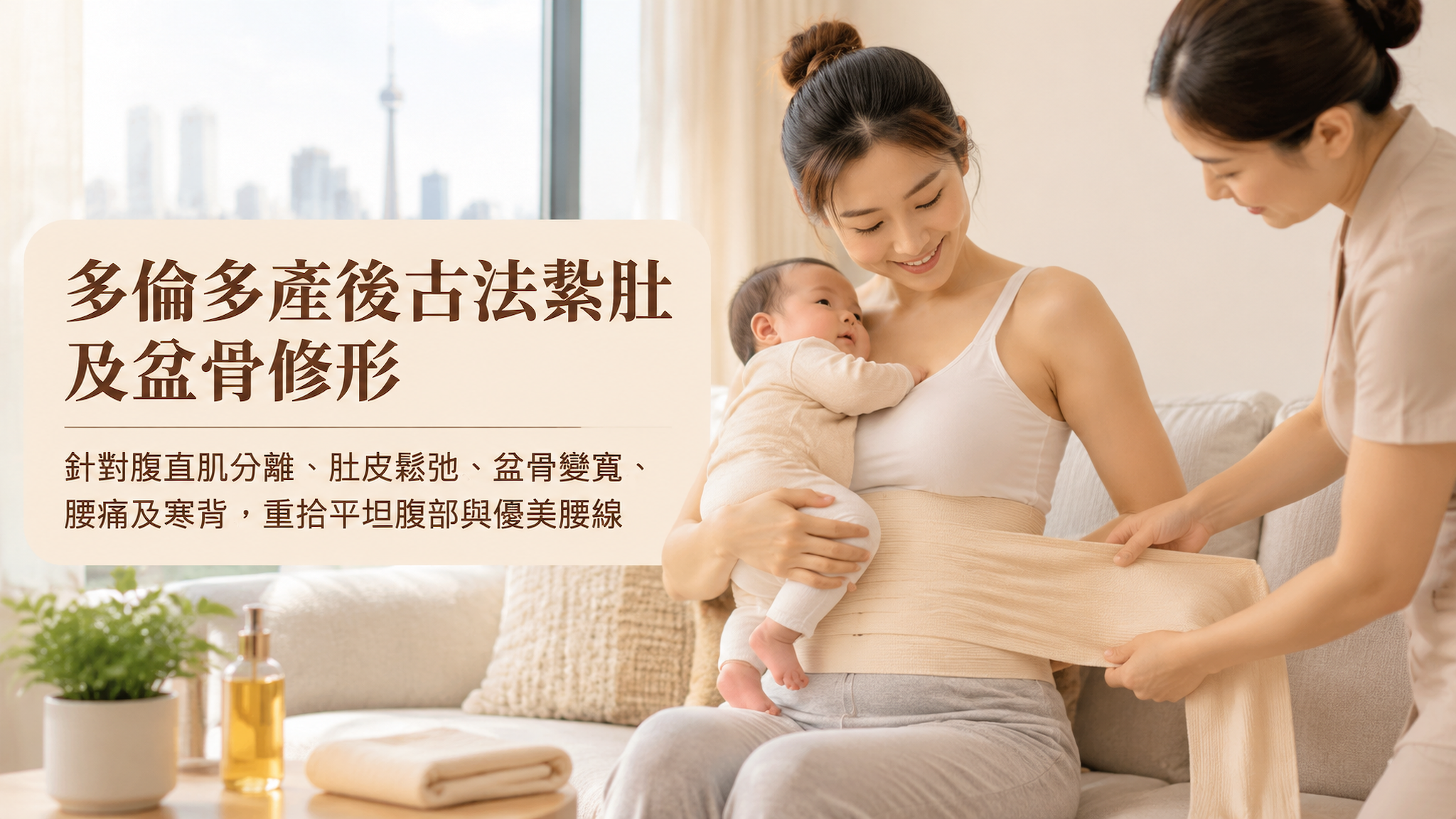
After giving birth, many mothers find that their abdomen remains bloated, their waistline has become less defined, their skin is loose, and they may even notice a bulge in the center of their abdomen
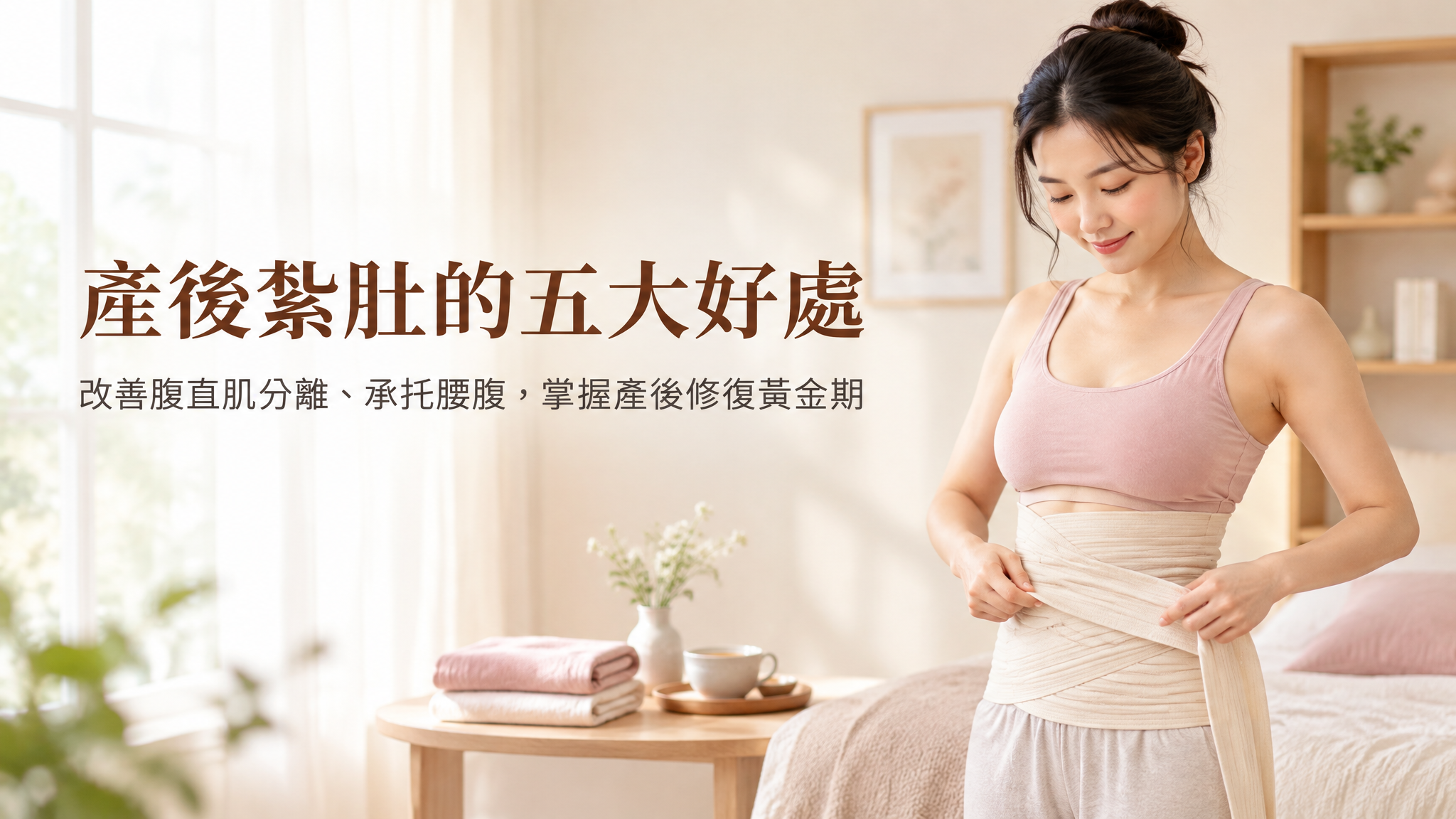
The Five Main Benefits of Postpartum Belly Binding
The primary benefit of postpartum belly binding is that, through physical wrapping and massage techniques, it helps correct diastasis recti, narrow a widened pelvis, and support sagging internal organ
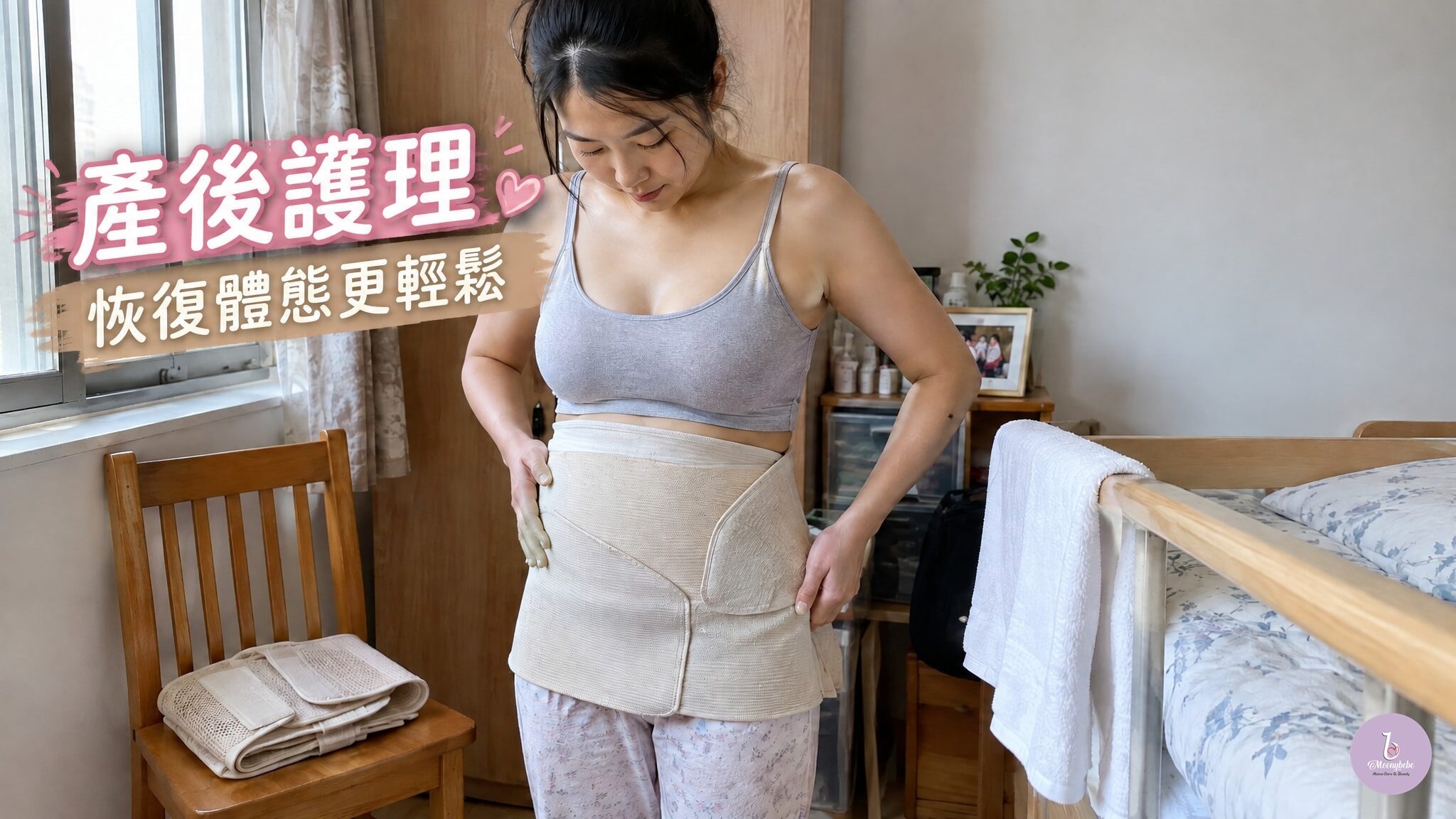
When Is the Best Time to Start Wearing a Postpartum Belly Band? Timing and Precautions
When to start wearing a postpartum belly band is one of the most frequently asked questions during the postpartum recovery period. Older generations may say to start right after giving birth, while online articles suggest waiting a while—leaving new moms caught in the middle, unsure of what to do. From a therapist’s clinical perspective, the starting point for postpartum abdominal binding isn’t determined by the number of days on the calendar, but rather by the method of delivery, the condition of the incision and abdominal muscles, and whether medical professionals have confirmed that it’s safe to begin. When to Start Postpartum Belly Binding: Key Considerations Differ Between Vaginal and Cesarean Deliveries Opinions vary widely: some advocate for immediate use after a cesarean section, while others recommend waiting for a while. Both views are overly simplistic; the key factors are whether your doctor approves and the condition of your incision. In traditional postpartum confinement customs, abdominal binding is often regarded as a routine practice, but the timing and intensity vary from family to family. Let’s consider a typical scenario: A first-time mother who gave birth vaginally has just returned home. Although she is still experiencing heavy lochia, she wants to start wearing a postpartum girdle before her first outing, as she feels more at ease that way. A therapist wouldn’t give her a specific number of days, because everyone’s uterus heals at a different rate—even among women who’ve had vaginal births, the pace of recovery varies. There are three criteria for making this judgment: whether the uterus is gradually recovering, whether lochia has noticeably decreased, and whether the perineal incision (if any) and the lower abdomen feel stable. If lochia is still heavy, it means the body is still expelling waste and healing; there’s no need to rush into wearing a postpartum girdle at this stage. In the early stages of recovery, comfortable support is far more important than shaping the waistline. The reason lies in intra-abdominal pressure. The appropriate fit for a postpartum girdle is one that allows you to breathe normally, bend over, and move freely without causing pain from constriction. In the early stages of recovery, a tighter fit does not necessarily mean it is more effective. If the girdle is tied too tightly, intra-abdominal pressure will rise, and this pressure may be transmitted downward to the pelvic floor—which is still healing—placing an additional burden on an area that already needs rest. If you want to incorporate the girdle into your overall recovery routine, refer to the timeline for various aspects of postpartum physical recovery—don’t base your decision on a single point in time. Professional assessments follow a set sequence. First, a doctor or midwife during a postpartum follow-up visit confirms the body’s basic recovery status; second, a Registered Massage Therapist (RMT) assesses the support needs of the abdominal midline and pelvis, and demonstrates the correct positioning and tightness. For vaginal births, light support is typically introduced only after the body has initially stabilized and a healthcare professional has given approval. If the same mother switches to a cesarean section, the incision becomes the top priority. Pain, redness, swelling, and discharge must be monitored first; the abdominal binder must avoid the incision site, and use may not begin until the doctor gives explicit approval. Therefore, for vaginal births, the timing of postpartum binding depends on how the uterus, lochia, and pelvis feel, while for cesarean sections, it depends first on whether the incision is stable and whether the doctor has given the go-ahead. This isn’t about making you wait—it’s about letting your body get ready first. Once the initial postpartum period has passed and both your body’s signals and professional approval are in place, it’s not too late to start. How to Tie a Postpartum Belly Binder: Correct Principles and Precautions There are several principles for tying the binder; you don’t need to memorize specific steps. The core of the correct method is to focus support on the lower abdomen and pelvic area, with the lower edge resting near the hip bones—not tightening upward around the waist or chest. The principles apply equally to fabric and Velcro styles: adjust the tightness so you can breathe normally, bend over, and move freely without feeling any pain from constriction. To compare the design differences between traditional and modern styles, check out the differences between the traditional Bengkung abdominal binder and shapewear. It is not recommended to wear it all day. Please remove it before sleeping at night, during prolonged bed rest, or before using the restroom, and re-fasten it afterward to allow the abdomen and pelvis time to relax. The garment simply needs to be breathable and adjustable so that the tightness can be modified as your body changes. There are two additional points to note regarding abdominal binders. They provide supplementary support and cannot replace exercise or pelvic floor exercises; they are also not suitable for those seeking immediate waist-slimming results. If you’re hoping a binder will solve all your postpartum recovery issues at once, you’ll need to adjust your expectations. A more comprehensive explanation of the benefits and limitations of postpartum pelvic belts is available. If you’d like to know how to use it at home, check out our comprehensive guide on how to safely wear a postpartum belly band at home. When Should You Stop? When to Seek Professional Help: During the use of a postpartum belly wrap, if any of the following conditions occur, please stop using it immediately and contact a healthcare professional: redness, swelling, or oozing from the incision; increased pain; a sudden increase in lochia; or an unusual odor; fever; urinary leakage when coughing or straining; a sensation of heaviness in the lower abdomen; dizziness or difficulty breathing after applying the wrap. Issues related to the wound or pelvic floor should be addressed by a doctor, midwife, or physical therapist. Different professionals have different scopes of practice; the postpartum recovery options in Traditional Chinese Medicine (TCM) and Western medicine can help you determine who to consult. Please consult a healthcare professional before beginning. If you simply want to confirm the placement and tightness of your postpartum girdle, Moonybebe’s postpartum girdle treatment is provided by Registered Massage Therapists (RMTs) and internationally certified acupuncturists, combining traditional…
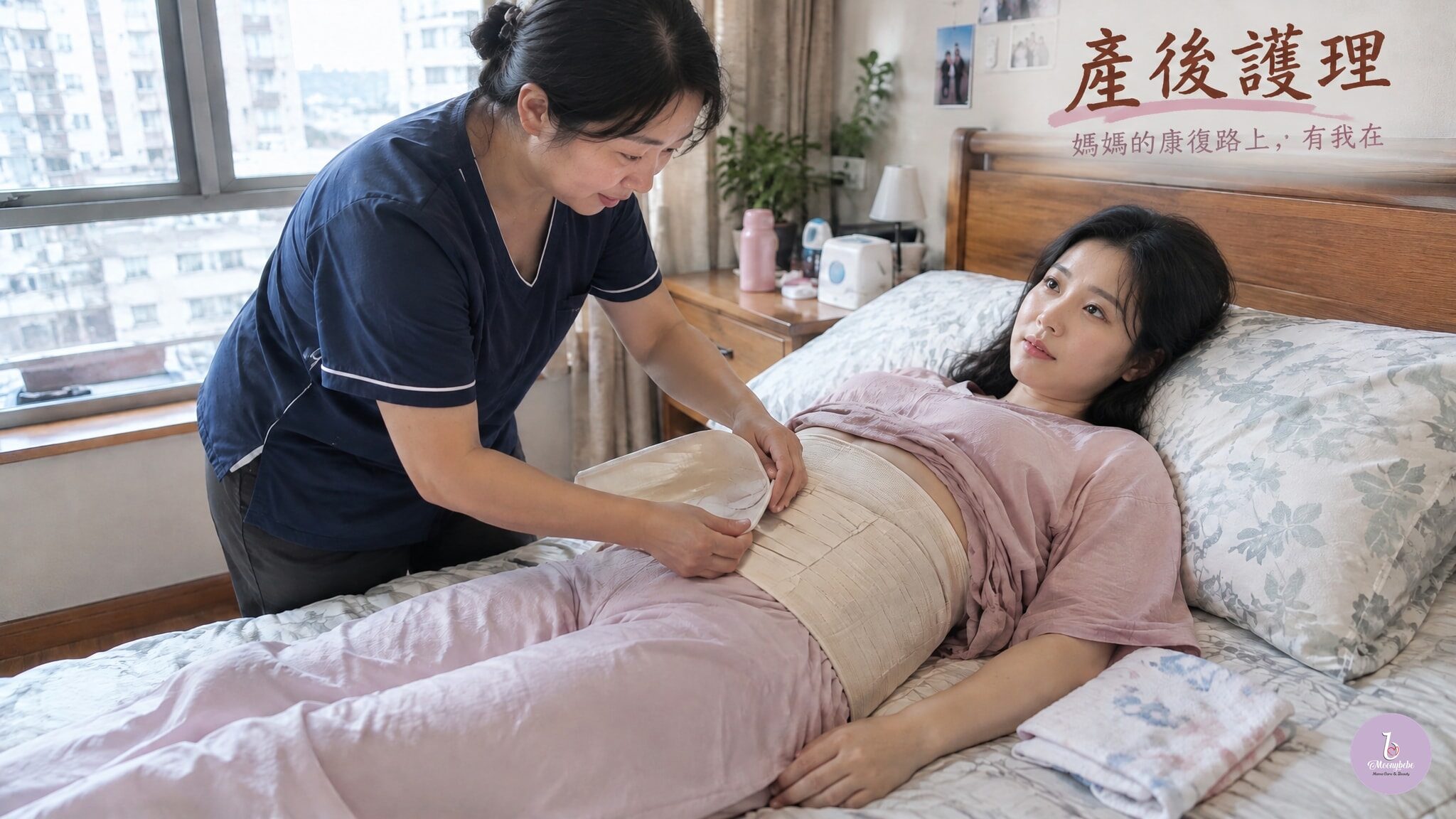
Richmond Hill Postpartum Care Home Visit Services: Moms Can Recover Comfortably at Home
In Chinese families, the first month after childbirth is called “Confinement”: staying indoors as much as possible, staying warm, and allowing the body to gradually recover. But in Toronto, there aren’t always elders around to help, and the cold winter temperatures make going out with a newborn a major undertaking. For new moms living in Richmond Hill, having professional postpartum care come to their home is the closest thing to the spirit of traditional “sitting the month.” This article walks you through the process of arranging in-home postpartum care in Richmond Hill step by step, from making the appointment to the first visit. How Do You Arrange In-Home Postpartum Care in Richmond Hill? From Booking to the First Visit Let’s first look at a hypothetical scenario—this is not a real client testimonial, but rather a typical experience a new mom might go through. She lives in Richmond Hill, is about two weeks postpartum, and is a first-time mom. Her husband works during the day, so she’s caring for the newborn on her own. Her lower back and pelvis are still sore from childbirth, and her abdomen feels loose and unsupported. She has to breastfeed every two to three hours at night and never gets a full night’s sleep. It’s the cold season in Toronto, and just the thought of dressing the baby in a coat and securing them in the car seat is enough to make her give up on the idea of going out. Mothers like her who search for “Richmond Hill Confinement services” aren’t looking for a luxury package—they want a way to receive professional care at home without having to leave the house. If you’d like to learn more about the overall arrangements for Confinement care at home, check out the Guide to In-Home Confinement Care. Step 1: Free Consultation—Explain Your Situation Clearly She first scheduled a free consultation and explained a few things to the team: approximately how many weeks postpartum she was, whether she had a natural birth or a C-section, her current breastfeeding status, and where she was experiencing the most discomfort in her lower back and pelvis. These details serve as the basis for the team to determine where to begin, so jotting down a few notes in your phone’s memo app before the consultation will make the call much smoother. For moms who had a C-section, there’s an extra step: Before treatment, a doctor must confirm that the incision has healed properly. This step cannot be skipped, because until the incision has fully healed, any abdominal treatment requires the doctor’s approval. Step 2: Recommendations on Where to Start and Scheduling a Home Visit After listening to her description, the team will recommend the best place to start based on her needs. In her case, the pelvis and areas related to abdominal binding will be prioritized. Every mother’s method of delivery, recovery progress, and breastfeeding situation is different, so the treatment plan should be tailored to the individual rather than following a one-size-fits-all approach. Next comes scheduling the appointment. She shared her baby’s recent routine with the team and asked them to schedule the session during a nap or right after a feeding whenever possible. This way, she doesn’t have to leave the house, wait for a bus in the cold, or bring a fussy newborn into an unfamiliar environment. The service area covers Richmond Hill, Markham, Toronto, and the Greater Toronto Area. On the Day of the Home Visit: Assessment, Treatment, and Coordination with the Baby’s Schedule Once the therapist arrived at the home, she didn’t begin treatment immediately. She first assessed the mother’s physical condition: her postpartum recovery progress, how her lower back and pelvis felt, and whether she was experiencing breast tenderness. After the assessment, the therapist explains the recommended plan and which areas will be addressed during this session; treatment begins only after the mother gives her consent. During the first session, the therapist focuses on the areas the mother is most concerned about—specifically the pelvis and areas related to the postpartum girdle. If breast tenderness is already significant, the therapist will incorporate a lactation massage immediately, rather than waiting until the next session. There isn’t much the mother needs to prepare: a quiet, warm room; a set of loose-fitting clothes that are easy to put on and take off; and baby supplies kept within reach so she can tend to the baby at any time. If the baby wakes up during the session and needs to be fed, the session can be paused until the mother has finished feeding, at which point it will resume. Before the session ends, the therapist will provide instructions for home care, such as proper resting positions, staying warm, and any physical reactions that may occur over the next few days. The schedule for the next in-home visit will be determined based on her recovery progress and how her body responds—it’s not a pre-scheduled series of sessions. There’s one important point to clarify: If you experience a fever, redness or swelling at the incision site, or abnormal bleeding, please see a doctor first to determine the cause before scheduling another treatment. In-home care is designed to support recovery; it cannot replace a doctor’s diagnosis, nor does it guarantee specific results. Receiving care at home offers practical benefits: you don’t have to travel with your newborn, you don’t have to disrupt feeding schedules to make it to appointments, and after treatment, you can lie back down and rest in your own familiar bed. Richmond Hill In-Home Treatment Program: Abdominal Binding, Pelvic Correction, Lactation Massage, and Postpartum Acupuncture. Many families are familiar with the practices of abdominal binding and the Confinement period. Modern in-home treatments build on this tradition by incorporating professional assessments and more refined techniques. The following four treatments can be performed individually or in combination, depending on your needs. Richmond Hill Abdominal Binding: Traditional Bengkung Abdominal Binding Combined with a professional assessment, this treatment uses traditional Bengkung techniques to wrap the abdomen, providing support for the abdomen and torso. The therapist will adjust the tightness based on your postpartum stage and body shape, and the wearing schedule will be tailored to fit your breastfeeding and bedtime routines. Read More: A Complete Guide to Safe Abdominal Binding at Home Richmond Hill Pelvic Correction: Addresses postpartum instability in the pelvis and lower back, helping to stabilize the pelvis and restore postural balance. These sessions are typically scheduled while your baby is asleep, and you can complete them while lying down. Read more: Postpartum Pelvic Correction and Postural Balance…

Belly Binding Prices in Toronto: Market Rates and Plan Comparisons
When searching for postpartum belly binding services in Toronto, many new mothers find that information about prices for “belly binding in Toronto” is extremely scarce online, often leaving them at a loss when comparing different providers. This lack of transparency is no accident. Professional postpartum belly binding is not a standardized service; pricing is heavily influenced by variables such as the therapist’s qualifications, the scope of in-home services, and the specifics of the treatment plan. For mothers who have just given birth and are in a critical recovery phase, focusing solely on the lowest price may cause them to overlook the professional costs associated with safety and effectiveness, potentially leading them to choose a service that is merely superficial and lacks substantive care. Understanding the logic behind pricing can help you find truly effective support within your budget. This article provides an evaluation framework to help you shift your focus from simply comparing prices to assessing the actual value of the service, and explains how to choose between a single session and a full treatment program. It also offers specific guidelines for requesting quotes to help you find a trustworthy professional partner during this important recovery phase. Key Factors Affecting the Cost of Postpartum Belly-Tightening in Toronto and How to Evaluate Value When a new mom living in Markham begins planning her postpartum recovery, she often faces a confusing market: some quotes are extremely low, while others are several times higher, yet websites rarely explain what accounts for these differences. As a result, the cost of postpartum belly binding has become an elusive concept, as it encompasses a wide range of services—from purely physical labor to highly specialized, medical-grade care. To break down this cost structure, one must first understand this: professional Bengkung belly binding is not simply wrapping the abdomen; it requires a trained therapist to dynamically adjust the technique based on the progress of postpartum uterine recovery and the degree of rectus diastasis. This explains why services provided by practitioners with RMT or international certifications cost more than standard cosmetic abdominal binding. This means that part of what you pay is for “safety judgment.” Practitioners without professional training in anatomy may be unable to assess the severity of rectus diastasis and could apply improper pressure during the wrapping process, which could be counterproductive to the recovery of the fragile postpartum pelvic floor muscles and the repositioning of internal organs. Therefore, when you see a quote that is significantly below market rates, you should be cautious—it may omit necessary assessment steps or be performed by unlicensed practitioners. The risks associated with such low prices often far outweigh the apparent savings. In addition to professional credentials, the service location also affects the final price. In Toronto and the GTA, pricing for in-home postpartum belly-binding services typically reflects the therapist’s commute time to and from locations such as Richmond Hill or Markham, as well as the cost of transporting professional equipment—these are key pricing components that distinguish studio-based services from in-home care options. For new mothers who have just given birth, are unable to leave the house, and must care for their newborns around the clock, in-home services offer irreplaceable convenience and peace of mind—but this convenience does come at the cost of the therapist’s time and transportation expenses. If you live in a remote area or your appointment falls during rush hour, a fee adjustment is a reasonable reflection of this additional effort. You should also note whether the treatment includes additional assessments and health education guidance, as this is often the dividing line between a “one-time service” and “comprehensive recovery support.” High-quality postpartum belly-binding services go beyond simply wrapping a cloth band; they also involve checking pelvic alignment, wound healing, and breastfeeding posture before and after each session, as well as teaching you how to maintain the binding’s effects at home and perform gentle core-strengthening exercises. Although this tacit knowledge transfer and individualized adjustments aren’t listed separately on the price list, they are the cornerstone of long-term recovery results. At Moonybebe, postpartum belly-binding treatments are performed by licensed massage therapists and acupuncturists who integrate traditional belly-binding techniques with modern anatomical assessments, ensuring the service balances cultural heritage with medical safety standards. This integrated care is specifically designed to address new mothers’ dual needs for professionalism and peace of mind. The most common issue with low-cost services isn’t the technique itself, but rather a lack of follow-up care and hygiene awareness. Professional establishments use dedicated or strictly sterilized abdominal binding equipment and record your physical changes after each session to adjust their approach—rather than mechanically repeating the same set of movements. When evaluating value for money, be sure to factor in these invisible details—they directly determine whether your recovery journey will be one of peace of mind or one fraught with anxiety. …

I Missed the Golden Period for Postpartum Recovery—Is It Still Worth Starting Now?
This is a question we often hear from mothers at Moonybebe: “I gave birth a long time ago. Is it still worthwhile to start postpartum recovery now?” We understand that life after becoming a mother oft

What Is the Difference Between Indonesian Jamu Belly Binding and Malaysian Bengkung Belly Binding?
At Moonybebe, mothers often ask us, “What is the difference between Indonesian belly binding and Malaysian belly binding?” and “Which one provides faster results—Jamu or Bengkung?” In reality, both tr

When Can You Start Belly Binding After a Vaginal or Caesarean Delivery
At Moonybebe, we often hear mothers ask, “How soon after giving birth can I start belly binding?” and “Is the recommended start time the same for a vaginal birth and a C-section?” There is no single f

What Is Traditional Natural Belly Binding? A Complete Beginner’s Guide for New Mothers
At Moonybebe, we often hear postpartum mothers ask, “My tummy feels loose after giving birth, and my waist and abdomen feel unsupported. What exactly is traditional natural belly binding, and is it su