
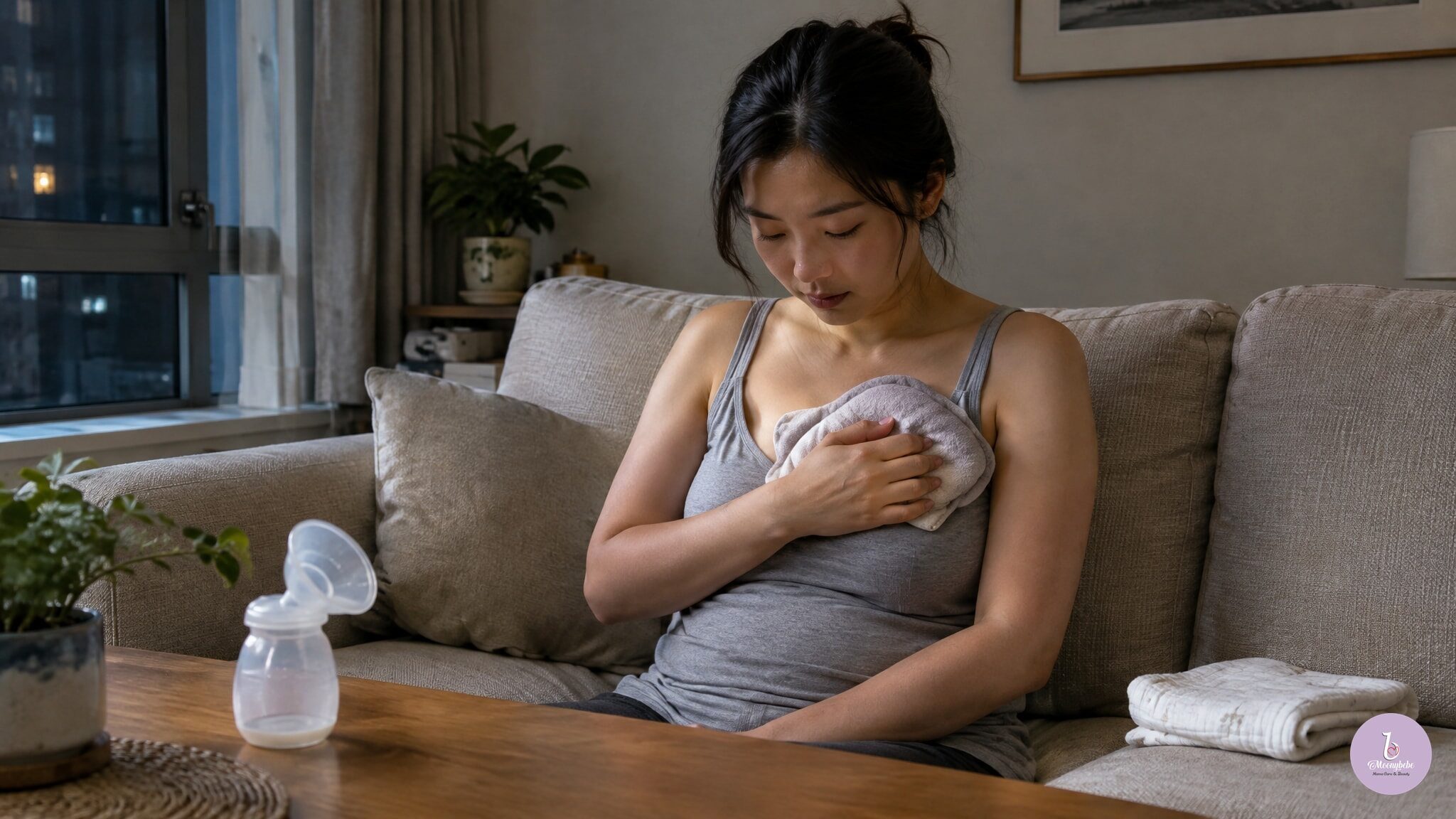
In the third week after giving birth, late at night in Toronto, many new mothers are experiencing similar anxieties: a stinging sensation deep within their breasts, accompanied by a noticeable lump. Even after trying warm compresses and hand expression, the swelling hasn’t subsided—and may even be accompanied by slight redness and severe pain during feedings. At such a physically and mentally exhausting time, information found on search engines often leaves women even more confused, because while “postpartum lactation massage” and “lactation consultant” both seem like potential solutions, they actually represent entirely different approaches and professional scopes. For Chinese families living abroad—who are simultaneously grappling with traditional postpartum confinement beliefs and the pressures of modern parenting—clarifying the difference between these two options is not merely a matter of defining terms; it is a critical decision that determines whether they can safely relieve pain and prevent mastitis from worsening in the shortest possible time. This article does not aim to provide a list of vague definitions; rather, it takes you through a specific decision-making scenario to help you accurately determine—when your body sends warning signals—which pair of professional hands you need most at that moment. Significantly Different Approaches to Treating Breast Engorgement: The Core Differences Between Lactation Massage and a Lactation Consultant—Which Service Should You Prioritize When You Have a Lump in Your Breast? Imagine a new mother living in Markham or Richmond Hill who, three weeks postpartum, is experiencing recurring breast blockages. She has been treating the condition on her own for 24 hours, but the lump has not subsided, and the pain is gradually intensifying. The choice she faces at this point essentially comes down to a decision between “physical clearance” and “functional assessment.” If her problem stems from structural pressure caused by milk stasis—such as localized blockages resulting from prolonged failure to fully empty the breasts or compression from a bra—a lactation massage performed by a registered massage therapist is the targeted solution. This type of service focuses on gentle techniques targeting soft tissues and the lymphatic system, aiming to relieve deep-seated congestion through physical mechanisms rather than merely providing superficial relief. According to Catherine Chow Health’s definition of breastfeeding-related massage, this is a form of registered massage therapy tailored to individual needs, encompassing gentle techniques for the breast and chest soft tissues, lymphatic support, and the treatment of tension in the ribcage and upper back, with the core objective of restoring normal physiological mobility to the tissues. However, if the source of this mother’s blockage is not simply a physical obstruction—but rather the baby’s incorrect latch, inefficient swallowing, or a long-term mismatch between the mother’s feeding rhythm and the baby’s needs—massage alone can only provide temporary relief, and the lumps will quickly return. In such cases, a functional assessment by an internationally certified lactation consultant becomes an indispensable step. They examine the entire dynamic feeding system—from the baby’s oral structure to the details of the mother’s holding position—to identify the root cause preventing effective milk removal. Discussions on the BabyHome forum regarding the differences between the techniques used by lactation consultants and traditional breast massage practitioners have pointed out that traditional hard-kneading techniques may cause excessive compression of breast tissue, leading to injury or mastitis. Modern professional services should employ gentle, low-irritation soft-tissue techniques. This also highlights the importance of verifying whether a provider has a medical background or is registered when seeking services in Toronto. These two professions are not mutually exclusive but play complementary roles at different stages. An abstract from the Southern Medical University Academic Resource Library on the effects of postpartum breast massage and breastfeeding indicates that acupoint massage at different postpartum time points can stimulate the release of prolactin, promote milk secretion, and accelerate the early onset of lactation, illustrating the tangible physiological benefits of physical conditioning. However, if functional corrections are overlooked, physical improvements are unlikely to be sustained. Therefore, when assessing your own condition, be sure to honestly evaluate the nature of your symptoms. If you experience sudden, localized lumps and pain accompanied by shoulder and neck stiffness, a pain-free lactation massage treatment can immediately relieve physical pressure; if you experience chronic, recurring blockages, poor weight gain in your baby, or ongoing difficulties with breastfeeding, you should prioritize seeking a lactation consultant for a systematic assessment. In the Toronto area, many Chinese families are accustomed to combining traditional Confinement practices with modern nursing care. The true balance lies in understanding that “restoring physical health” and “establishing proper function” each have their own distinct and irreplaceable professional boundaries. Only by addressing the root cause can you truly break the vicious cycle of breast engorgement while ensuring the safety of your breast tissue. When to Seek Breastfeeding Counseling and Professional Boundaries Not all breastfeeding difficulties can be resolved through massage alone; recognizing this boundary is the most important safety net for both mother and baby. When nipple wounds show signs of suppuration, breast pain intensifies rapidly within a short period, or the baby’s diaper wetness decreases significantly and weight gain falls below standard levels—these are red flags requiring immediate evaluation by a lactation consultant or other qualified healthcare professional, rather than relying solely on massage. MoonyMama’s guidelines for lactation services targeting new Chinese families in Toronto specifically emphasize that such situations often involve potential infection risks or imbalances in overall feeding strategies, requiring systematic observation and documentation; a single session of physical therapy cannot replace clinical diagnosis and long-term follow-up. You may find yourself in a dilemma: you feel relief immediately after a massage, but within half a day, you’re back to square one—or worse, the tissue becomes even more sensitive and fragile due to repeated improper stimulation. This is your body’s way of telling you that the root of the problem isn’t “blockage,” but rather “incorrect technique.” The professional value of a lactation consultant lies in their ability to identify the structural or behavioral factors hidden behind the symptoms. For example, does the baby have a short frenulum causing ineffective sucking? Is the mother’s milk ejection reflex being inhibited by postpartum anxiety? Or is the current feeding frequency simply mismatched with the baby’s stomach capacity? These issues cannot be resolved through physical examination alone; they must be clarified through a detailed medical history, on-site observation of feeding, and analysis of growth charts. If you are seeking related support in Toronto, please be sure to verify that the service provider holds international certification or locally recognized professional credentials. Only fully trained consultants can provide safe, evidence-based medical advice while respecting your cultural background and personal preferences. This professional distinction is not meant to dismiss the value of lactation massage, but rather to ensure that every mother receives the assistance best suited to her current situation at the right time, thereby avoiding greater physical and emotional costs resulting from delayed medical care or overreliance on a single therapy. From Professional Intervention to Daily Maintenance: Building a Sustainable Breastfeeding Support System—Linking the Effects of Lactation Massage with Home Care Whether you ultimately choose lactation massage or breastfeeding counseling, the ultimate goal of professional intervention should be to help you regain the ability to care for yourself, rather than creating long-term dependence. An effective service should not merely provide temporary relief during treatment but should also include comprehensive health education—teaching you how to recognize early signs of blockages, master the correct timing for warm compresses and massage, and clearly understand when to seek help again. In a city as vast as Toronto, new families often need to consider transportation and physical strain when scheduling services. As a result, many professional teams offer in-home services, allowing mothers to receive care in a familiar environment while learning how to apply these techniques in their daily lives. If you’re comparing different providers, consider consulting this guide to recommended postpartum lactation massage services in Toronto to understand how local services actually operate and read customer reviews—this will help you make a confident decision far more effectively than simply comparing prices. Trust and professional transparency are the most crucial factors when choosing postpartum care services. Before booking an appointment, you should proactively verify whether the therapist is registered and holds international certifications. Also, observe whether they are willing to take the time to listen to your full situation, explain the rationale behind each step of the procedure, and tailor the treatment plan to your individual constitution. Choosing a certified professional team is not only about technical expertise but also about ensuring the entire care process complies with safety regulations and ethical standards. Postpartum recovery is a holistic journey, and breastfeeding issues are often intertwined with sleep deprivation, nutritional imbalances, or emotional stress. If you need more than just a single lactation massage or consultation—but rather more comprehensive professional Confinement care support at home—you should also factor this into your overall plan. True professionalism means that when you leave the treatment room, you continue on your journey armed with knowledge and confidence, rather than returning home with new anxieties. #PostpartumLactationMassage #LactationConsultant #TorontoConfinementCare…

Cart: 0 - $0
No products in the cart.


- Home
- About us
- Moonybebe Service
- Prenatal and Postnatal Care
- Postnatal Natural Belly Binding Treatment
- MaMa’s Sculpt and Glow Pro
- Pelvic Bone Treatment
- Health and Muscle Building Body Sculpting Treatment
- Pregnancy Massage(RMT optional)
- Painless Lactation / Lactation Massage Treatment(RMT optional)
- Postpartum Acupuncture Treatment
- Postpartum Acupoint Drainage Therapy
- Postpartum Stretch Marks & Scar Repair
- Postpartum Hand Therapy
- Infant and Toddler Massage
- Uterus-warming Massage Therapy
- Bust Lift Care Beauty Treatment
- Targeted Care Treatments by Chinese Medicine Practitioners
- Body Care and Fitness
- Postpartum Stretch Marks & Scar Repair
- Health and Muscle Building Body Sculpting Treatment
- Comprehensive Pain Relief Treatment
- Uterus-warming Massage Therapy
- Bust Lift Care Beauty Treatment
- Ice-free and Painless Hair Removal Treatment
- Lymphatic Drainage Massage
- Full-Body Massage for Moms & Dads
- Postpartum Acupuncture Treatment
- Targeted Care Treatments by Chinese Medicine Practitioners
- Beauty Care
- Postpartum Confinement Meal Plan Delivery Service
- Prenatal and Postnatal Care
- Postpartum Care Store
- Testimonies
- Blog
- Client Manager
- Contact us
 English