
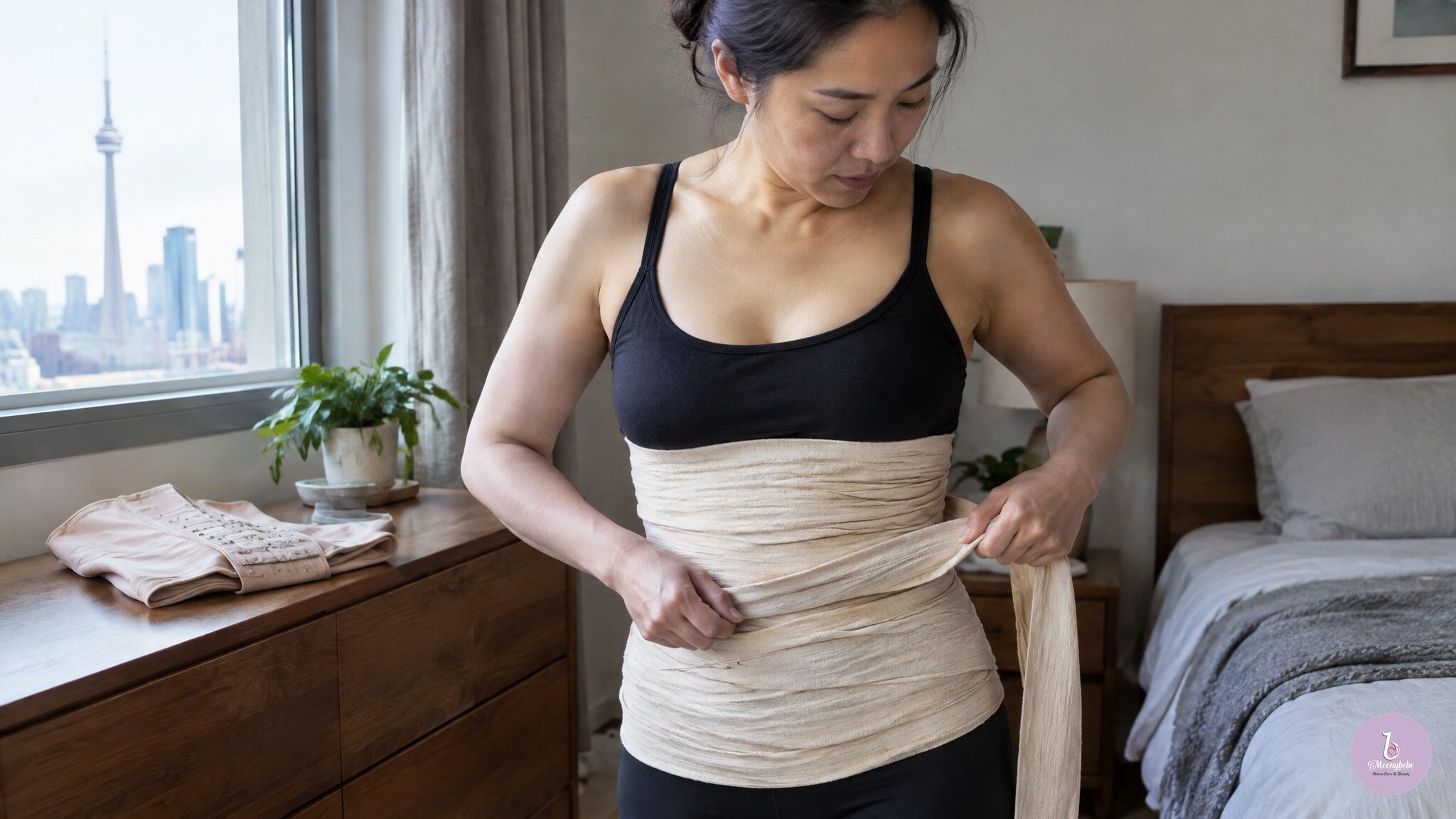
For new mothers in Toronto who gave birth just two weeks ago and are undergoing dramatic physical and emotional changes, the anxiety caused by seeing a sagging abdomen and prolapsed internal organs in the mirror often leaves them torn between traditional Confinement wisdom and modern body-shaping technology. This is not simply a matter of comparing brands or styles. It concerns whether the postpartum body can properly realign and maintain long-term health, because the wrong choice will not only fail to restore one’s figure but may also place irreversible strain on the pelvic floor muscles that have not yet healed. When discussing the differences between traditional postpartum binders and modern shapewear, the focus isn’t on cosmetic enhancement but on the essence of physiological recovery: these two tools play complementary roles at different stages of the postpartum period—they are not mutually exclusive alternatives. Core Differences and Selection Logic Between Traditional Bengkung Belts and Modern Postpartum Shapers Consider a new mother living in the Greater Toronto Area who gave birth vaginally just two weeks ago. She is currently in the critical window for postpartum abdominal care: her uterus is still recovering, the extent of her rectus abdominis diastasis is unclear, and her pelvic floor muscles remain extremely fragile. When she searches for “traditional Confinement belly binding,” she finds long strips of cloth wrapped around the abdomen to regulate qi and blood and realign internal organs; when she searches for “postpartum shapewear,” she finds elastic garments that emphasize static compression and immediate body contouring. This discrepancy in information makes it difficult for her to determine which type of support her body truly needs at this stage. According to expert advice in the Health Encyclopedia’s postpartum recovery guide, the choice between postpartum abdominal belts and shapewear should strictly distinguish between medical-grade recovery and everyday body-shaping scenarios; incorrect use of high-compression shapewear during the golden recovery period may damage the pelvic floor muscles and increase the risk of organ prolapse. This is why it is so urgent to clarify the differences in their underlying principles at this time. Traditional Bengkung abdominal binding is essentially a dynamic, medical-grade recovery method. Its focus is not on “tightness,” but rather on providing progressive, adjustable support pressure through professional, layered wrapping techniques. This technique, originating from Malay tradition, emphasizes wrapping from the bottom up—from the pelvis to the ribs— with the aim of helping the expanded ribs close in the early postpartum period, guiding displaced organs back to their original positions, and providing a stabilizing environment—similar to a natural splint—for the relaxed abdominal wall muscles, allowing the deep core muscles to begin self-repair in their correct anatomical positions. In contrast, the design logic of modern postpartum shapewear focuses on static compression and visual contouring; the pressure distribution is typically preset and fixed. They are suitable for daily postural management once bodily functions have partially recovered, wounds have healed well, and pelvic floor muscle strength has reached a certain standard—rather than as a therapeutic intervention in the early postpartum period. The fundamental difference in the principles of force application between the two determines their sequence and complementary relationship on the postpartum recovery timeline. The effectiveness of traditional abdominal binding relies heavily on the practitioner’s skill and real-time assessment of the individual’s physical condition: it can be fine-tuned daily based on the mother’s breathing rhythm, the degree of swelling reduction, and the status of wound healing. This “human” intervention ensures that the pressure consistently supports healing rather than causing compression. Modern shapewear, on the other hand, offers a convenient, self-administered experience, but its standardized fit struggles to adapt to the dramatic daily physiological changes of the postpartum body. If used too early—before tissue edema has subsided or lochia has cleared—it may actually impede blood circulation or compress nerves. Therefore, for this new mother with a two-week-old baby, the top priority at this stage should be to seek an assessment of traditional postpartum binding from a professional with anatomical expertise. Once the body has completed its initial realignment and healing, modern shapewear can then be used as a supplementary tool to maintain the results—this is the safe approach that aligns with the body’s natural healing timeline. Why Postpartum Abdominal Care Requires Professional Techniques Rather Than Relying Solely on Products After comparing and analyzing their options, many mothers may conclude that simply purchasing high-priced shapewear labeled “for postpartum use” will solve the problem. However, this line of thinking overlooks the highly individualized nature of postpartum physical recovery and underestimates the irreplaceable role of professional assessment in ensuring safety and effectiveness. Every mother’s degree of rectus abdominis diastasis, the healing progress of cesarean or perineal incisions, pelvic tilt angle, and overall condition of qi and blood—whether deficient or abundant—are unique. These variables cannot be accommodated by any single, standardized product on the market; they can only be accurately assessed through palpation and dynamic observation. According to real-world test data from cross-border collaboration clients cited by Sohu.com, after optimizing product designs and implementing quality control mechanisms, the return rate for body-shaping products due to fit issues can be reduced by 58 percent, This demonstrates that precise fit is crucial to the effectiveness of postpartum body-shaping products and indirectly confirms that standardized products cannot fully replace professional body-shaping services tailored to individual body types. When registered massage therapists or certified body-wrapping practitioners perform traditional Bengkung body-wrapping, the service they provide goes far beyond the physical function of a single strip of fabric; rather, it is a comprehensive assessment and intervention process that integrates anatomy, biomechanics, and traditional wisdom. Before applying the wrap, a professional will assess your abdominal wall tension, scar tissue adhesions, and pelvic floor muscle response. Based on this real-time feedback, they will determine the starting point, tension, and number of layers of the wrap, and may even make adjustments throughout the process to accommodate your breathing and ensure your comfort. This dynamic feedback mechanism is a core value that no static product can replicate. More importantly, professional abdominal binding services include ongoing monitoring of your overall recovery progress. Therapists can distinguish between symptoms that are part of the normal recovery process and those that signal potential complications, thereby preventing delays in seeking medical care or exacerbation of injuries caused by improper self-treatment. This “human” intervention is also crucial because it provides new mothers with the emotional support and sense of physical reconnection they need most. Amid the dual pressures of body image anxiety and newborn care, the care and reassurance conveyed through the hands of a warm, clinically trained therapist can effectively lower cortisol levels and promote oxytocin secretion. This, in itself, is a vital component of postpartum recovery—an experience that a cold, impersonal product manual can never provide. Therefore, when comparing the effectiveness of postpartum girdles, what we should really be comparing is not different brands of shapewear, but the difference between a “recovery program with professional guidance” and “self-directed attempts without assessment.” The former ensures safety and effectiveness, while the latter is fraught with uncertainty and potential risks. Access Professional Postpartum Belly-Binding and Recovery Support in Toronto For new moms in Toronto, Markham, Richmond Hill, and surrounding areas, there’s no need to blindly try out numerous uncertified service providers to find professional care that combines traditional wisdom with modern medical safety during the vulnerable postpartum period. According to the service description for the Moonybebe brand, the organization is staffed by internationally certified registered massage therapists and acupuncturists who combine traditional Bengkung belly-binding techniques with modern body-sculpting technology, ensuring that postpartum care balances cultural heritage with medical safety, This is precisely what ensures the implementation of the professional assessments and personalized approaches mentioned earlier. By scheduling a free consultation, you’ll receive recovery recommendations tailored to your specific stage of recovery, wound condition, and lifestyle—rather than a one-size-fits-all solution. This sense of personalized reassurance is the true starting point for rebuilding your confidence after childbirth. #TraditionalBengkungvsModernShapewear #Bengkung #PostpartumShapewear #BengkungEffectComparison #TraditionalConfinementBengkung #PostpartumAbdominalCare #TorontoPostpartumRecovery #Moonybebe

Cart: 0 - $0
No products in the cart.


- Home
- About us
- Moonybebe Service
- Prenatal and Postnatal Care
- Postnatal Natural Belly Binding Treatment
- MaMa’s Sculpt and Glow Pro
- Pelvic Bone Treatment
- Health and Muscle Building Body Sculpting Treatment
- Pregnancy Massage(RMT optional)
- Painless Lactation / Lactation Massage Treatment(RMT optional)
- Postpartum Acupuncture Treatment
- Postpartum Acupoint Drainage Therapy
- Postpartum Stretch Marks & Scar Repair
- Postpartum Hand Therapy
- Infant and Toddler Massage
- Uterus-warming Massage Therapy
- Bust Lift Care Beauty Treatment
- Targeted Care Treatments by Chinese Medicine Practitioners
- Body Care and Fitness
- Postpartum Stretch Marks & Scar Repair
- Health and Muscle Building Body Sculpting Treatment
- Comprehensive Pain Relief Treatment
- Uterus-warming Massage Therapy
- Bust Lift Care Beauty Treatment
- Ice-free and Painless Hair Removal Treatment
- Lymphatic Drainage Massage
- Full-Body Massage for Moms & Dads
- Postpartum Acupuncture Treatment
- Targeted Care Treatments by Chinese Medicine Practitioners
- Beauty Care
- Postpartum Confinement Meal Plan Delivery Service
- Prenatal and Postnatal Care
- Postpartum Care Store
- Testimonies
- Blog
- Client Manager
- Contact us
 English