


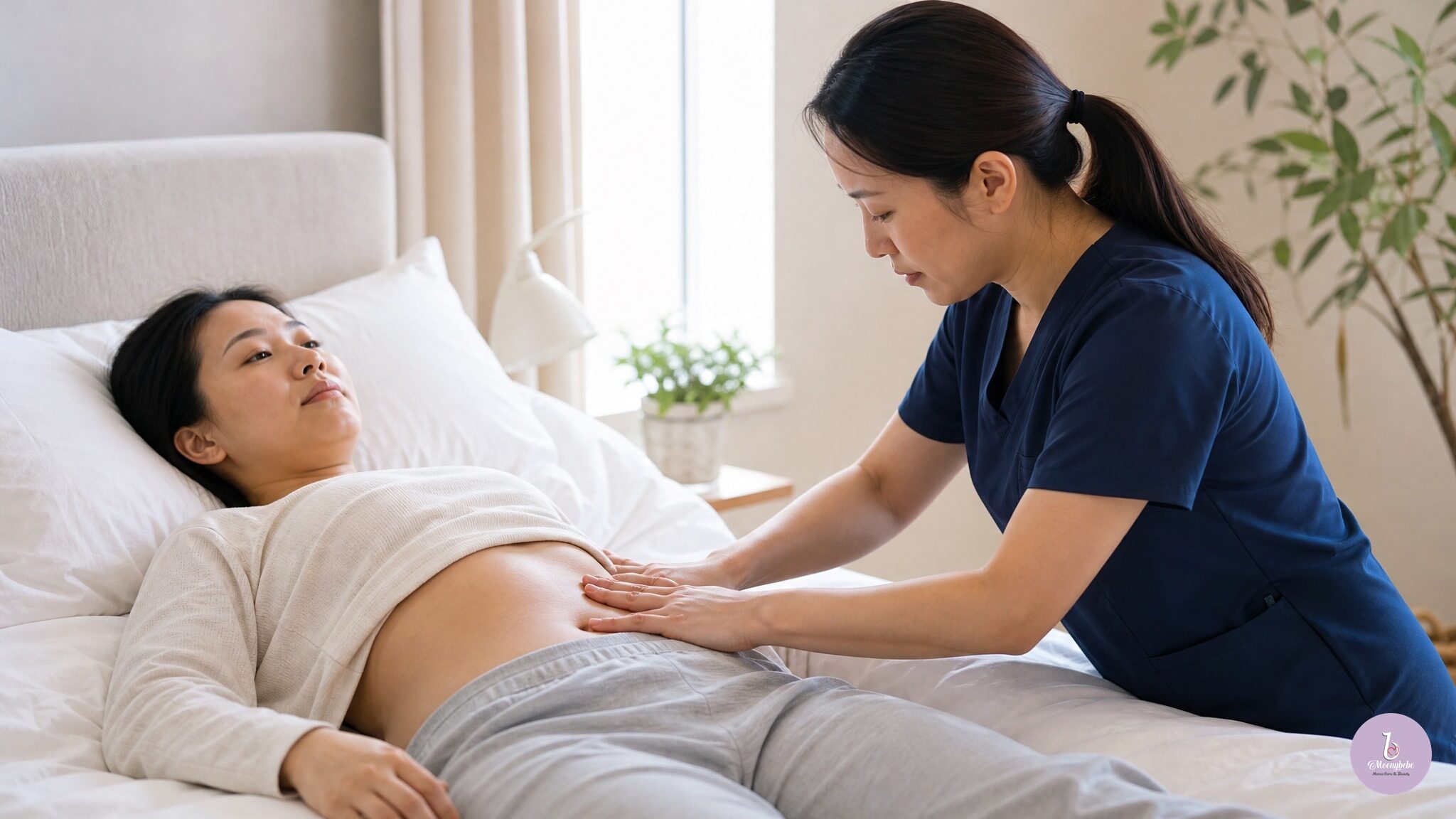
Behind the joy of becoming a new mother, the body often endures unseen stress and pain. When searching for a list of recommended postpartum care providers in Toronto, many new mothers easily find themselves overwhelmed by information overload. While there are numerous service providers online, it can be difficult to determine who truly possesses the professional expertise to handle the complex physiological changes that occur after childbirth. This is not only about the speed of recovery but also directly impacts long-term physical and mental health, as well as the quality of parenting. Choosing the right care team isn’t simply a matter of comparing prices or years of experience; it requires an understanding of the certification standards within Ontario’s healthcare system and how these qualifications translate into tangible support for your physical recovery. True professional postpartum care is grounded in medical training, not merely traditional experience or word-of-mouth recommendations. As you evaluate different options, shift your focus from “who has cared for the most babies” to “who best understands the anatomical changes in the postpartum body.” This guide aims to help you cut through the marketing hype and identify a team of experts who truly combine modern medical certifications with Eastern wellness wisdom, ensuring your postpartum recovery journey is safe, scientifically grounded, and stress-free. Identifying Key Certifications and Qualifications on Toronto’s List of Recommended Postpartum Care Providers When seeking postpartum recovery services in Ontario, clarifying the distinction between medical-grade certifications and general care qualifications is the first step in protecting your rights. The “postpartum caregivers” or “postpartum attendants” commonly found in the market primarily provide support with daily living tasks such as newborn care, preparing Confinement Meals, and household chores. While they can alleviate a family’s daily burdens, their training background typically does not include human anatomy, pathology, or clinical treatment techniques. In contrast, Registered Massage Therapists (RMTs) must complete at least 2,000 hours of accredited coursework and pass a national certification exam to practice. Their scope of practice explicitly includes medical interventions such as soft tissue injury repair, improvement of joint range of motion, and nervous system regulation. Based on the scope of practice for RMTs and clinical knowledge of postpartum rehabilitation, professional postpartum recovery differs from general household care and requires anatomical knowledge to address physiological changes such as pelvic misalignment and diastasis recti. This is also the key distinction between medical-grade care and standard postpartum care services. Differences in Roles Between Registered Massage Therapists and General Postpartum Care Providers Consider a first-time mother who has just undergone a cesarean section or vaginal delivery and is experiencing severe pelvic pain or recurring breast engorgement. If she relies solely on a traditional postpartum care provider at this time, she is likely to receive mostly heat therapy, dietary adjustments, or emotional support. While these measures can alleviate discomfort, they cannot provide structural correction for misaligned joints or blocked milk ducts. A nurse certified as a Registered Massage Therapist in Ontario can, based on a palpation assessment, determine whether the source of pain stems from symphysis pubis diastasis, sacroiliac joint dysfunction, or scar tissue adhesions, and intervene using manual therapy, lymphatic drainage, or specific exercise prescriptions. This biomechanics-based approach addresses the root cause of the problem rather than merely masking the symptoms. The Moonybebe team, composed of Ontario-registered massage therapists (RMTs) and registered acupuncturists, integrates traditional Bengkung abdominal binding techniques into a clinical care framework, ensuring that the care process complies with medical safety standards. This dual-certification model is particularly important in Toronto’s Chinese community, as it both respects the importance placed on “Confinement” and abdominal warmth in Chinese culture and validates, through modern medicine, the supportive role of abdominal binding in stabilizing core muscles and repositioning internal organs. When traditional wisdom is integrated into regulated medical practice, you gain not only a sense of cultural familiarity but also traceable, explainable therapeutic outcomes. Choosing a nurse with RMT certification also means your treatment may be eligible for reimbursement under extended health insurance plans. Many employers in Canada offer group benefit plans that cover registered massage therapy services, so high-quality postpartum recovery is no longer an expensive, out-of-pocket luxury but rather a legitimate medical expense that can be incorporated into your family’s health planning. When comparing massage therapists’ credentials, be sure to verify that they have a valid Ontario registration number and ask if they are familiar with specific postpartum contraindications, such as the risk of deep vein thrombosis or protocols for managing the healing phase of a cesarean section incision. Postpartum care certification should not merely be a certificate hanging on the wall; it should serve as a safety net you can fully trust during a vulnerable time. This type of medical-grade postpartum care is not a panacea, nor can it replace an obstetrician’s diagnosis and treatment of acute complications. If red flag symptoms such as fever, abnormal bleeding, or severe emotional distress arise, seek medical attention immediately rather than relying on massage or abdominal binding. Its core value lies in bridging the gap between the healthcare system and home recovery, providing professional support for functional issues that do not meet the criteria for a medical diagnosis but significantly impact quality of life. Indicators for Evaluating the Quality of In-Home Services and Authentic Postpartum Service Reviews After verifying a provider’s professional qualifications, the next step is to assess the actual quality of service and the specifics of their practice. When reviewing postpartum service evaluations, it’s advisable to look beyond the overall star rating and carefully read the descriptions of specific treatments in the reviews. A valuable review will mention how the nurse handled specific issues, such as “lower back pain was significantly reduced after the abdominal binding,” “the breast massage technique was gentle and effectively cleared lumps,” or “the care of the C-section scar was handled with great care.” These details better reflect a nurse’s clinical competence than simple statements like “friendly attitude” or “very punctual.” At the same time, pay attention to whether the reviews mention hygiene standards, such as hand sanitization before and after treatment, the frequency of sheet changes, and the cleanliness of any tools the nurse brings. These factors are particularly critical in a home setting, as your bedroom does not have the standardized infection control protocols found in a clinic. Trust in communication is also a crucial aspect of the evaluation. The postpartum body is extremely private and sensitive; whether the nurse can clearly explain the purpose of each step before touching you, respect your feedback on pain, and adjust the intensity of the treatment as needed directly determines the safety and comfort of the treatment. Moonybebe offers in-home services covering Toronto, Markham, and Richmond Hill, allowing new mothers to receive professional postpartum recovery treatments—which combine traditional methods with medical aesthetics—without having to leave home. This model reduces the physical strain of travel on your weakened body, while allowing the nurse to observe your natural posture and habits in the environment where you feel most relaxed, thereby providing health education advice that is better tailored to your daily life. If you still have concerns about the home care process, you can read our Guide to Confinement Home Care Services in Toronto, which details everything from scheduling appointments and preparing your home to post-treatment precautions. This guide will help you set realistic expectations and ensure both parties are on the same page regarding safety and privacy. High-quality in-home care isn’t simply about bringing the clinic into your home; it’s about maintaining clinical-level professional standards while giving you the dignity and sense of control to recover comfortably in your own home. Starting with Your Needs: Finding the Right Postpartum Recovery Specialist for You Every mother’s postpartum journey is unique, so there is no one-size-fits-all solution. Before contacting the care team, please take a few minutes to identify your most pressing needs at this time. Is it persistent stinging pain caused by poor wound healing? Anxiety and exhaustion resulting from breastfeeding difficulties? Or low self-esteem triggered by postpartum body changes? Clearly identifying your concerns will help you communicate more effectively during the consultation and allow the nurse to prepare the appropriate assessment tools and treatment plan in advance. For example, if your main concern is a feeling of instability in the pelvic area, you can proactively ask the nurse if she has experience with postpartum pelvic realignment services and ask her to explain the specific rationale behind her assessment and intervention. Preparation Before Scheduling a Consultation and Recommendations for Finding the Right Practitioner The consultation is a key opportunity for you to determine whether the nurse is truly the right fit for you. In addition to verifying basic qualifications and insurance coverage, we recommend that you proactively ask the following questions: How many cases similar to your current condition has she handled in the past? If you feel discomfort during treatment, how will she adjust the approach? Will she provide guidance on self-care at home to prolong the therapeutic effects? These questions not only provide information but also allow you to gauge whether the practitioner’s professional attitude and communication style put you at ease. If special therapies such as acupuncture or skin repair are involved, you may also refer to the safety guidelines for prenatal massage mentioned in the safety guidelines as a basis for discussion. …
Blog post, bengkung, Bengkung (Abdominal Binding), bengkung绑腹, breastfeedingsupport, moonybebe, ontariormt, Postpartum Pelvic Correction, postpartumpelviccorrection, postpartumphysicalandmentalrecovery, postpartumrecovery, registeredmassagetherapist, torontopostpartumcare, torontopostpartumcareprovider, オンタリオ州rmt, トロント産後ケア, トロント産後ケアスタッフ, 产后修复, 产后身心恢复, 产后骨盆矫正, 多伦多产后护理, 多伦多月嫂, 多倫多月嫂推薦, 多倫多產後護理, 安省rmt, 按摩師資格比較, 母乳喂养支持, 注册按摩治疗师, 產後修復, 產後服務評價, 產後護理認證, 産後の心身回復, 産後回復, 産後骨盤矯正, 登録マッサージセラピスト, 註冊按摩治療師, 공인마사지치료사, 모유수유지원, 벵쿵, 산후골반교정, 산후심신회복, 산후회복, 온타리오주rmt, 토론토산후관리, 토론토산후조리사