
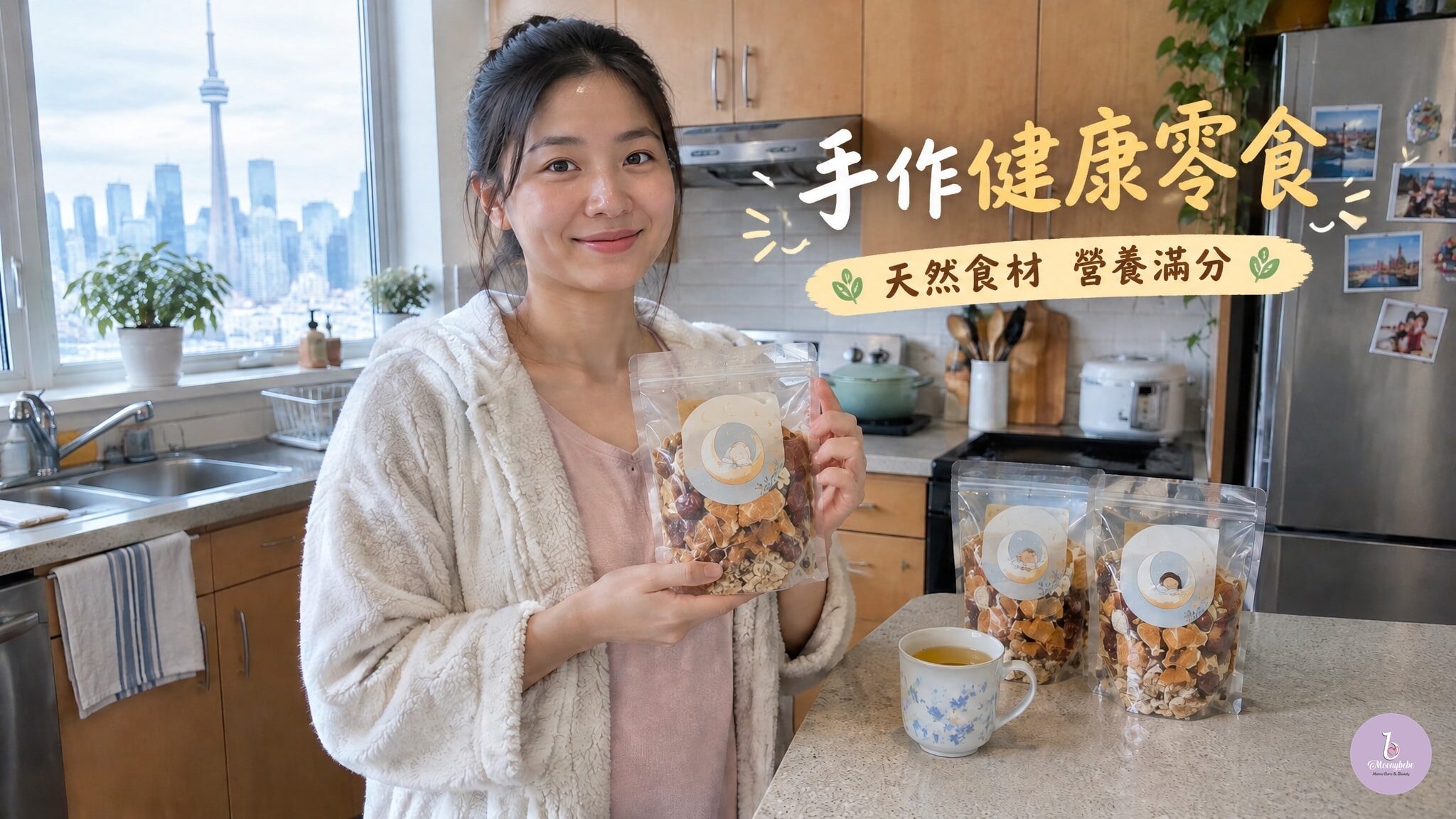
If you search for “fried rice tea” in Toronto, most of the results are either recipes for making it yourself or Chinese e-commerce sites that ship it from overseas. For you, who are recovering from childbirth in the Greater Toronto Area, neither option is very practical: recipes take time, and your body can’t handle the strain right after giving birth; ordering from overseas leaves you unsure about the ingredients and proper preparation methods. Moonybebe is a Toronto-based postpartum care brand that currently sells three varieties of fried rice tea in 56-pack boxes on its official website. This article answers just one question: Which variety should you choose based on your current stage of postpartum recovery? Blood-Nourishing Fried Rice Tea, Lactation-Boosting Fried Rice Tea, and Postpartum Fried Rice Tea: How to Choose the Right One Based on Your Postpartum Stage The three varieties have similar names, but they differ in their ingredient combinations and intended purposes. If you’d like to first determine where you are in your recovery, you can refer to the postpartum recovery timeline and then come back to compare it with the scenarios below. Let’s consider a mother who is observing the traditional postpartum confinement period in the Greater Toronto Area—whether she had a vaginal delivery or a C-section. She is currently in her first postpartum month, breastfeeding during the day, waking up at night for feedings, and beginning to consider returning to work. This scenario serves merely as a framework for interpretation; by following her timeline, the positioning of each of the three products becomes clear. First month postpartum: Start with the “Postpartum” formula. Traditional postpartum care principles generally advocate focusing on nourishing the spleen and stomach in the early postpartum period, gradually introducing tonics, and avoiding excessive tonic intake right from the start. The product page for “Postpartum Rice Tea for New Mothers (56-pack) – Herbal Supplies: Huichun Garden on 16th Street” is positioned based on this concept: whether the delivery was vaginal or by C-section, the focus during the first month is on regulating the spleen and stomach, replenishing vital energy, and not rushing into tonic supplements. The ingredients include three-color rice, dried tangerine peel, longan, southern red dates, northern astragalus, codonopsis, figs, and goji berries—a total of eight items. This is the variety with the most ingredients among the three options and follows a traditional Hong Kong-style postpartum recovery recipe. The product name specifies that the herbal ingredients are supplied by “16th Street Huichun Garden,” which is the clearest indication of its source. To view the full list of ingredients and preparation instructions, visit the product page for “Postpartum Fried Rice Tea for New Mothers.” If your breastfeeding routine is stable and you’re preparing to return to work: Switch to the “Milk-Boosting” variety. Once your breastfeeding routine has settled into a steady rhythm and you begin planning how to balance work and motherhood, the “Milk-Boosting” variety comes in handy. The “Postpartum Mom Milk-Boosting Roasted Rice Tea (56-Pack)” is designed based on Hong Kong’s postpartum dietary therapy principles. Its ingredients include tricolor rice, dried tangerine peel, black beans, longan, akebia, goji berries, and black sesame seeds. The product page positions it as a daily health tonic for breastfeeding mothers. It’s important to clarify that “milk-boosting” refers to the product name and design concept—it is not a guarantee of milk supply. Milk supply is influenced by sleep, diet, the baby’s suckling, and your physical condition; a single cup of tea cannot replace these factors. For complete details, please see the ingredients and recommended consumption methods for the Milk-Boosting Roasted Rice Tea. Read more. If you’re looking for a daily beverage with a simple ingredient list, check out the “Blood-Nourishing” version. If you don’t need too many herbal ingredients and just want a simple postpartum tea for daily consumption, the “Blood-Nourishing Roasted Rice Tea 56-Pack” is the simplest option: three types of rice, dried tangerine peel, longan, goji berries, and red dates—five ingredients in total. The product page explains that red dates, longan, and goji berries help supplement daily nutrition, while dried tangerine peel makes the tea’s flavor more fragrant and smooth. It comes in individual packets for convenient brewing. See the “Blood-Nourishing Roasted Rice Tea (56-Pack)” product page for more details. Simply put, choose the Postpartum Formula for the first month; opt for the Lactation Support Formula for daily care during breastfeeding and preparation to return to work; and select the Blood-Nourishing Formula if you prefer a simpler blend. None of these three are medicines—they are simply everyday beverages. How to Fit 56 Packets into Your Weekly Routine: Both the “Milk-Boosting” and “Blood-Nourishing” product pages recommend consuming 14 packets per week—2 packets per day. Dividing the entire box of 56 packets by 14 packets per week yields exactly 4 weeks, or 28…

Cart: 0 - $0
No products in the cart.


- Home
- About us
- Moonybebe Service
- Services Details
- Prenatal and Postnatal Care
- Postnatal Natural Belly Binding Treatment
- MaMa’s Sculpt and Glow Pro
- Pelvic Bone Treatment
- Health and Muscle Building Body Sculpting Treatment
- Pregnancy Massage(RMT optional)
- Painless Lactation / Lactation Massage Treatment(RMT optional)
- Postpartum Acupuncture Treatment
- Postpartum Acupoint Drainage Therapy
- Postpartum Stretch Marks & Scar Repair
- Postpartum Hand Therapy
- Infant and Toddler Massage
- Uterus-warming Massage Therapy
- Bust Lift Care Beauty Treatment
- Targeted Care Treatments by Chinese Medicine Practitioners
- Body Care and Fitness
- Postpartum Stretch Marks & Scar Repair
- Health and Muscle Building Body Sculpting Treatment
- Comprehensive Pain Relief Treatment
- Uterus-warming Massage Therapy
- Bust Lift Care Beauty Treatment
- Ice-free and Painless Hair Removal Treatment
- Lymphatic Drainage Massage
- Full-Body Massage for Moms & Dads
- Postpartum Acupuncture Treatment
- Targeted Care Treatments by Chinese Medicine Practitioners
- Beauty Care
- Postpartum Confinement Meal Plan Delivery Service
- Postpartum Care Store
- Testimonies
- Blog
- Client Manager
- Contact us
 English