After giving birth, many new moms are most eager to know when to start drinking blood-nourishing fried rice tea postpartum and how much to drink each day. Opinions online vary, and there are few clear guidelines. This article breaks it down by the timeline from the first week to the end of the first month, so you can confidently plan your own recovery while caring for your newborn.
When to Drink Blood-Nourishing Roasted Rice Tea at Each Stage, from the First Week After Childbirth to the Full Moon
When it comes to blood-nourishing tea during the postpartum recovery period, the key is to proceed gradually rather than increasing the dosage right from the start. Here’s a typical example: a first-time mom who had a natural birth in Toronto began drinking it on the first day after giving birth.
Week 1: Start with a small amount. She began with a dose lower than the recommended amount—one packet per day. At the same time, she monitored her digestive comfort, lochia, sleep quality, and whether breastfeeding was going smoothly. If the hospital or doctor had already provided dietary instructions, she followed those guidelines strictly; the tea was merely a complementary supplement.
Starting in the second week: Increase the dosage as appropriate. Once her body had stabilized and she was free of bloating or discomfort, she switched to the product page’s recommended dosage of 2 packets per day—that is, 14 packets per week. If you have a sensitive stomach, it’s best to wait a few more days before increasing the dosage; there’s no need to rush to keep up with the schedule.
Calculate the pace for finishing the entire box. Based on the recommended dosage on the product page, 56 packets at 2 packets per day will last approximately 28 days, which roughly corresponds to the baby’s first month. However, since she only consumed half the amount during the first week, this mother will actually finish the entire box three or four days after the baby’s first month.
Whether to continue after the full moon depends on individual circumstances and the advice of a healthcare professional; finishing the entire box is not the goal.
This example is for illustrative purposes only and is not a clinical treatment regimen. It should not be used as a substitute for a doctor’s instructions; for example, for mothers who had a C-section, have complications, or are taking medication, the timing and dosage may vary. If you’d like to track physical changes week by week, refer to the postpartum recovery timeline to determine your own pace for each stage.
How many packets of Fried Rice Tea to drink per day: Follow the recommended dosage and number of servings listed on the product page
The answer to “how many packets per day” is based on the information listed on the product page for the 56-pack Blood-Nourishing Fried Rice Tea: 2 packets daily, 14 packets weekly, with approximately 500–600 milliliters of hot water added to each packet.
Since the tea comes in individual packets, you can divide the two packets into two servings—for example, one in the morning and one in the afternoon. Avoid drinking too much at once before bed to prevent frequent nighttime trips to the bathroom, which can disrupt your already fragmented sleep. It is not recommended to exceed the suggested amount; drinking more will not speed up your recovery.
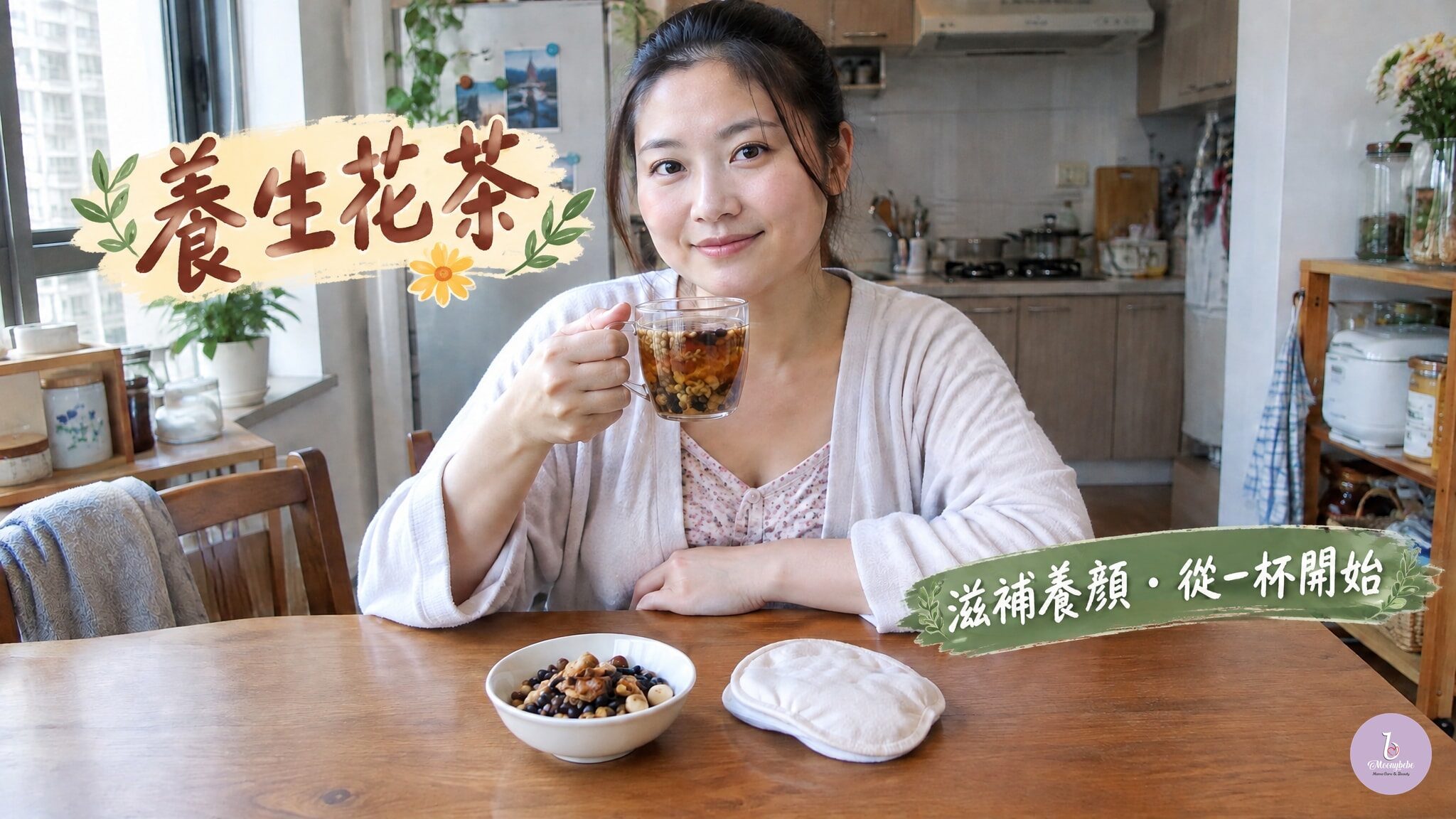
The ingredients are tricolor rice, dried tangerine peel, longan, goji berries, and red dates. The product page indicates that this product is caffeine-free.The product page includes an asterisked note regarding breastfeeding mothers; please refer to the original page for details. Blood-nourishing and milk production are two separate matters; to understand the difference, please review the correct concepts regarding lactation promotion and milk flow regulation.
Everyone’s constitution is different. If you have questions about dosage or timing, please consult a professional first; do not rely solely on figures found online.
Combine this with a balanced diet and adequate rest, and know when to seek medical attention
Herbal teas are merely one part of daily health maintenance; a balanced diet and adequate rest are what truly support recovery. If you’d like to plan your daily soups, consider the Golden 30 Days postpartum soup packet selection.
Common signs of qi and blood deficiency after childbirth include persistent fatigue, dizziness, palpitations, and a pale complexion. However, the general clinical consensus is that anemia must be confirmed by a doctor through blood tests; therefore, blood-nourishing roasted rice tea should not be used as a treatment for postpartum anemia.
If you experience any of the following symptoms, please seek medical attention immediately—do not wait to see if drinking the tea helps:
- Abnormally heavy bleeding
- Chest pain or difficulty breathing
- Fever
- Persistent low mood
Dizziness, palpitations, and pallor If these symptoms do not improve, you should also have a doctor evaluate you as soon as possible.
Mothers who have had a cesarean section should follow their doctor’s dietary instructions; if you are taking medication or have a chronic condition (such as diabetes), consult your doctor or pharmacist before drinking this tea. If you are also receiving postpartum acupuncture, please inform your therapist of the timing and amount of tea you consume.Moonybebe’s postpartum care is provided by registered massage therapists and acupuncturists; our team holds internationally recognized professional certifications, and you may direct any questions regarding your constitution to them.
To learn about the ingredients and brewing instructions for the 56-pack of Blood-Nourishing Roasted Rice Tea, please visit the product page mentioned above; for personal dosage and constitution-related inquiries, please consult a doctor or healthcare professional first. This article contains affiliate links; we may earn a commission when you make a purchase through these links, which does not affect your purchase price.
#BloodNourishingRoastedRiceTea #PostpartumConfinement #PostpartumRecovery #PostpartumTea #PostpartumBloodNourishment