For new mothers who have recently given birth and are in the postpartum confinement or recovery period, physical aches and dramatic hormonal changes can be overwhelming. At the same time, caring for a newborn can make it difficult to leave home for clinic appointments. Across Toronto and the GTA, more postpartum mothers are choosing in-home acupuncture services. Internationally certified registered acupuncturists bring professional sanitization supplies directly to the home, allowing mothers to receive care comfortably in a familiar environment without travelling to a clinic. This approach addresses transportation and childcare challenges, integrating postpartum recovery into the daily rhythm of caring for a baby instead of making it another source of stress.
How Toronto Postpartum Acupuncture Treatments Provide Personalized In-Home Care
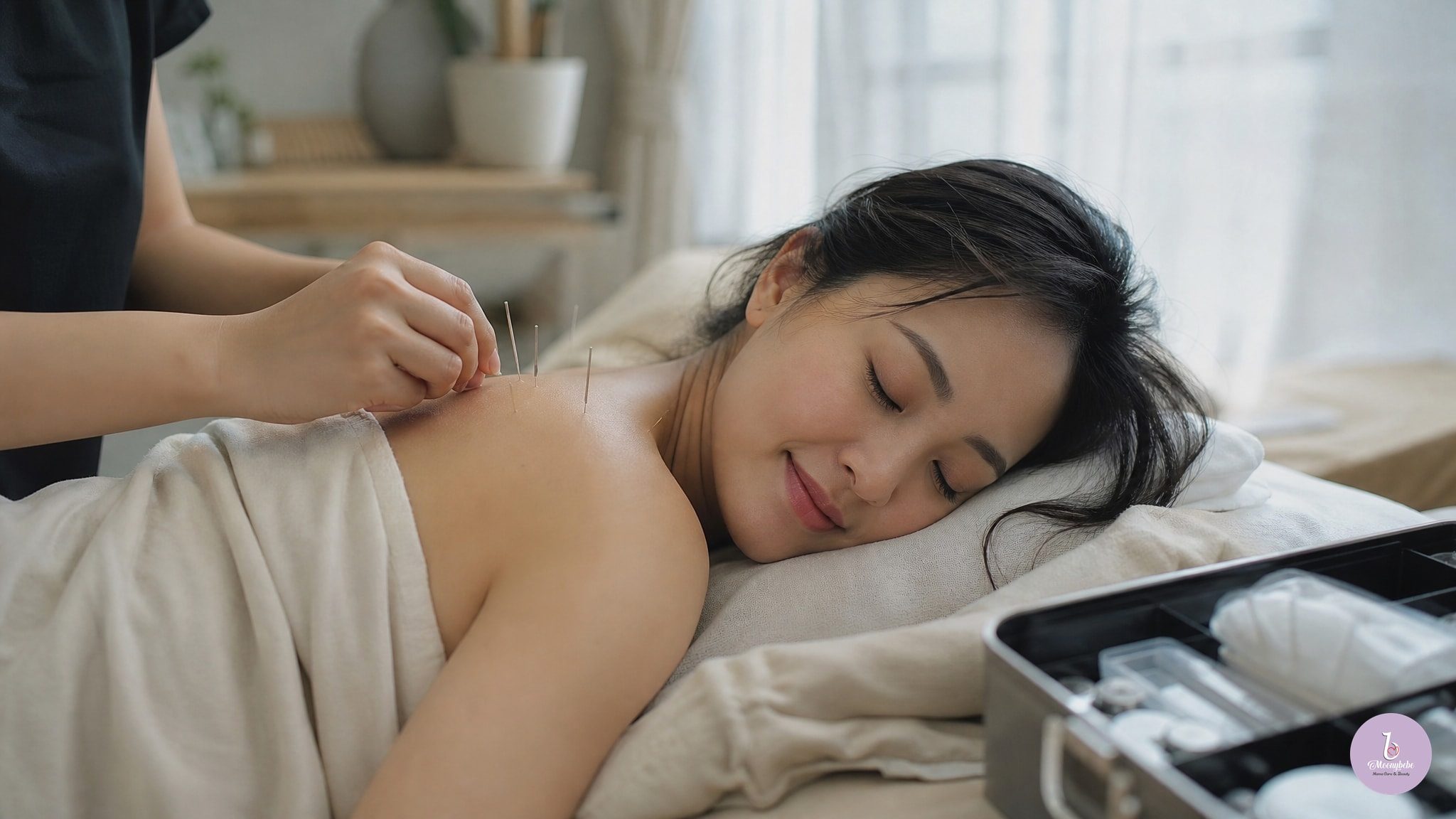
Consider a first-time mother living in Markham who is three weeks postpartum and struggling with an unstable milk supply, extreme fatigue, and low mood. Professional in-home acupuncture can be especially valuable in this situation. When a Moonybebe registered acupuncturist arrives with a complete set of medical-grade sanitization supplies, treatment does not begin with needle insertion. It starts with observing the mother’s home environment and interactions. This is a practical application of traditional Chinese medicine’s pattern-based diagnosis and treatment within modern home care. Postpartum acupuncture is tailored to each person’s constitution. Acupoint selection and techniques vary depending on whether the mother presents with qi and blood deficiency, liver qi stagnation, or another pattern. In-home care also allows the acupuncturist to observe the mother’s actual living environment and offer dietary and lifestyle recommendations suited to her circumstances.
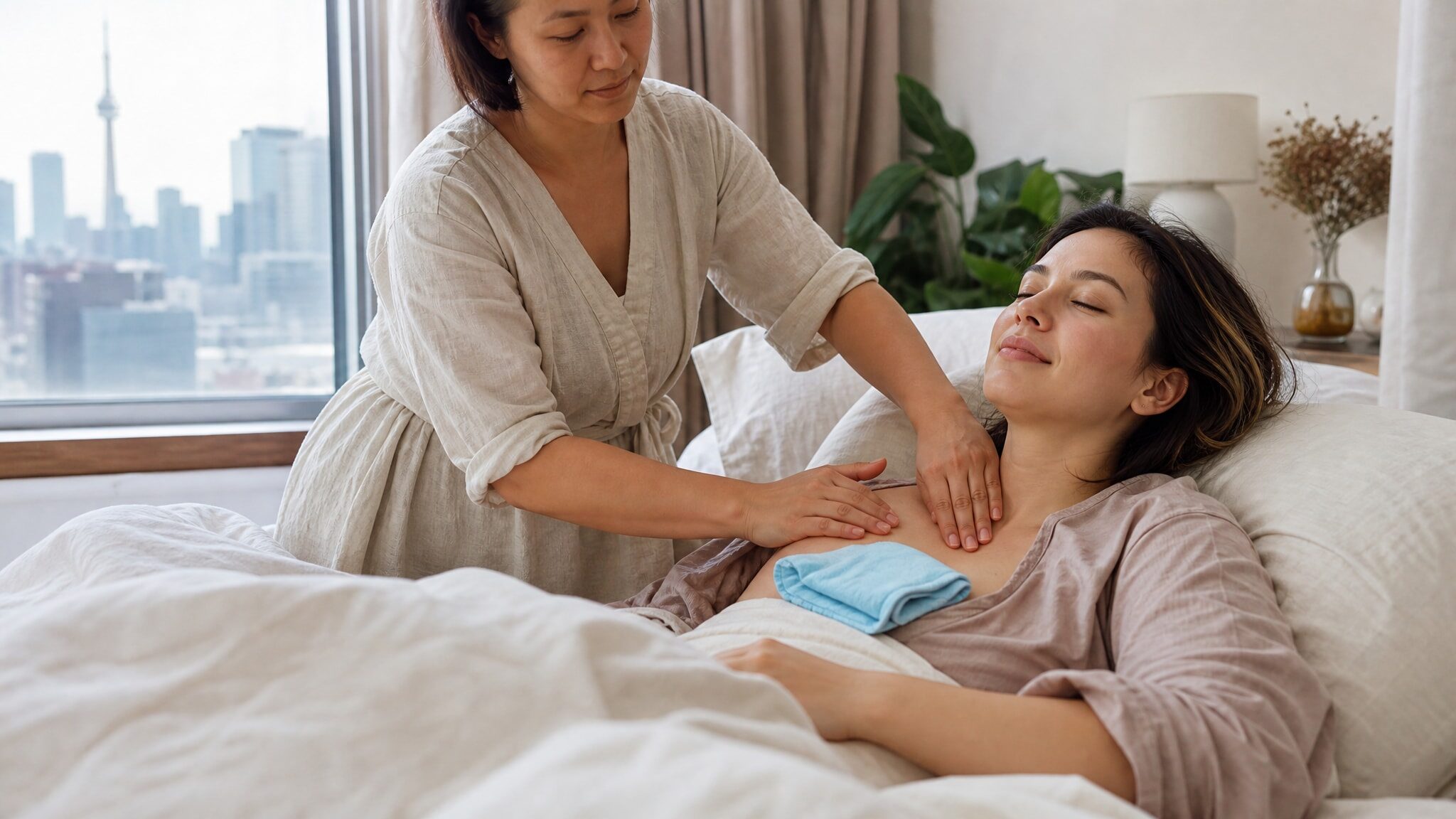
In this particular case, pulse diagnosis reveals that although the mother is fatigued, she also experiences fullness and tightness in the chest and rib area. The acupuncturist identifies a typical pattern of “liver qi stagnation” combined with mild qi and blood deficiency, rather than a straightforward deficiency pattern. Relying solely on traditional nourishing soups and tonics could worsen clogged milk ducts and irritability. The treatment strategy therefore focuses primarily on soothing the liver and relieving stagnation, supported by strengthening the spleen and nourishing the blood. During a quiet interval after the baby has been breastfed, the acupuncturist performs the treatment in a peaceful corner of the bedroom. The mother does not have to worry about being unable to care for her baby if the baby cries. This sense of psychological security is itself part of the therapeutic experience. Once circulation through the meridians improves, the mother may notice not only less tension in her neck and shoulders but also a smoother milk flow. This reflects acupuncture’s practical role in regulating the autonomic nervous and endocrine systems.
Many mothers worry that a home environment cannot meet medical standards. Every member of Moonybebe’s acupuncture team holds internationally recognized credentials and specializes in prenatal and postpartum care. This ensures that each mother benefits from both modern hygiene standards and the knowledge of traditional medicine. The acupuncturist brings disposable bed sheets, alcohol-based sanitizing supplies, and a dedicated sharps container, transforming an ordinary bed into a temporary professional treatment area. After treatment, all medical waste is removed from the home, leaving no trace behind. This attention to detail allows mothers to place their full trust in the practitioner during their most vulnerable stage of recovery without being distracted by concerns about hygiene.
More importantly, in-home acupuncture removes the perceived divide between “treatment” and “childcare.” At a clinic, a mother may have to leave her baby for an hour or two despite her discomfort, and the resulting anxiety can undermine the benefits of relaxation. At home, the baby can remain in the next room or be cared for by a family member, allowing the mother to receive treatment in a fully relaxed state. For mothers whose low milk supply is associated with qi and blood deficiency, the acupuncturist can also provide on-site guidance on proper breastfeeding positions and acupressure techniques, extending treatment into sustainable self-care skills. This service model, which combines physical care, emotional support, and health education, is the core value that distinguishes Toronto postpartum acupuncture from general acupuncture services.
Acupuncture is not a cure-all and cannot replace necessary medical examinations or treatment for acute infections. However, it offers a gentle, non-pharmaceutical option for addressing functional imbalances and supporting physical and emotional recovery.
How Acupuncture Complements Other Postpartum Recovery Services
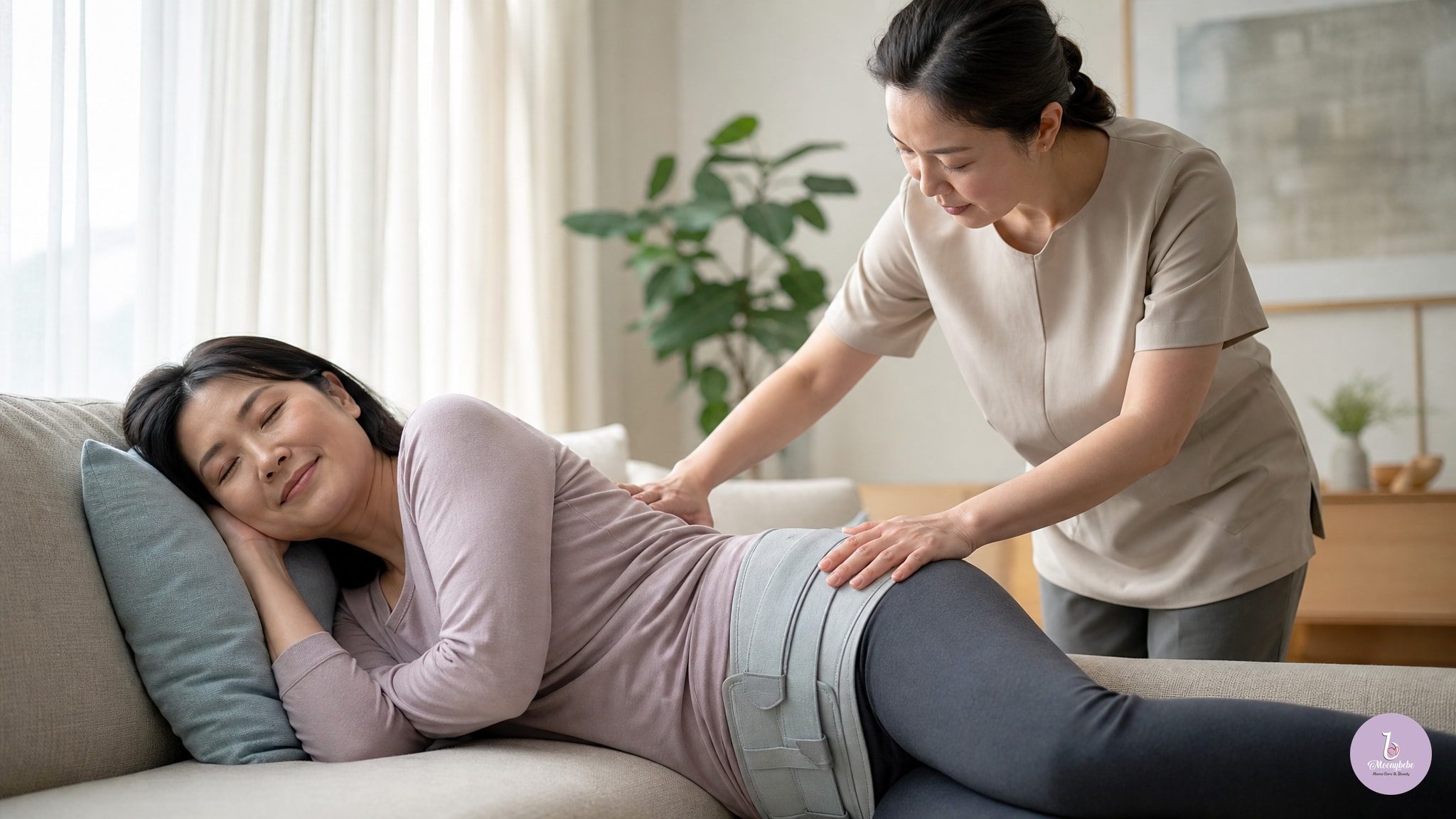
Postpartum recovery is a whole-body process, and a single therapy often cannot address every aspect. This is why many mothers in Toronto prefer combined care plans. Within a comprehensive recovery program, acupuncture helps improve circulation and regulate the body, creating better conditions for subsequent physical therapies. For example, receiving acupuncture before postpartum pelvic correction services can relax tight muscles and ligaments in the lower back and hips. This may make pelvic adjustment more comfortable, reduce discomfort, and help its effects last longer. By promoting local blood flow and soft-tissue flexibility, acupuncture can also help manual therapies work more deeply and effectively.
Acupuncture and traditional belly binding can also complement each other. As explained in the complete guide to in-home belly binding, belly binding primarily provides physical support and helps the organs return to their proper position. However, if qi and blood are not circulating smoothly, external compression alone may cause overheating or digestive discomfort. Combining belly binding with acupuncture to regulate the spleen, stomach, and girdling vessel may improve the body’s ability to adapt to the binding and support the active recovery of the abdominal core muscles. This “internal regulation and external support” approach avoids reducing postpartum recovery to a single technique and better addresses mothers’ complex and changing physical needs.
When planning your recovery, consider acupuncture a connecting element among different services rather than an isolated treatment. When the meridians flow freely and qi and blood are replenished, the body may respond more effectively to pelvic rehabilitation, skin care, and lactation support. This complementary effect is reflected in feedback from many Toronto mothers who have experienced combined services, and it forms the basis of Moonybebe’s integrated postpartum care plans.
Preparing for an In-Home Acupuncture Appointment
Once you decide to try in-home acupuncture, proper preparation can make your first session more comfortable and reassuring. It is generally best to begin acupuncture after lochia has become lighter in colour and noticeably decreased in volume, usually around two to three weeks after delivery. However, the appropriate timing depends on your individual recovery. Prepare a relatively quiet, well-ventilated space at a comfortable temperature, with a firm, flat bed or massage table available for treatment. Avoid receiving treatment on an overly soft sofa, as it may affect the precision of needle placement.
Wear loose clothing with sleeves and pant legs that can be rolled up easily. This gives the acupuncturist convenient access to the relevant points while keeping you comfortable. Drink a moderate amount of warm water before and after treatment, and avoid receiving acupuncture on an empty stomach or immediately after a large meal. Afterward, plan to rest for at least 30 minutes so your body has time to respond fully to the treatment. During the initial assessment, a Moonybebe acupuncturist will ask detailed questions about your delivery method, breastfeeding status, and medical history, then adapt the treatment plan to your current condition. If you have any concerns about whether acupuncture is appropriate for you, consider booking a free consultation first. This allows you to determine whether the service fits your current needs without pressure.
#TorontoPostpartumAcupuncture #InHomePostpartumCare #PostpartumQiAndBloodRecovery #NewMotherWellness #MoonybebePostpartumCare
Frequently Asked Questions
How is the safety of in-home acupuncture ensured, and what sanitization supplies does the acupuncturist provide?
All Moonybebe registered acupuncturists hold internationally recognized credentials and strictly follow medical-grade hygiene standards. For each home visit, they bring disposable bed sheets, 75% alcohol, a dedicated sharps container, and a medical waste container. All contact surfaces are thoroughly disinfected before and after treatment. Every needle is sterile and single-use, and all used supplies are removed immediately after the session to prevent contamination of the home environment.
How soon after giving birth can I begin acupuncture? Is the timing different for a C-section and a vaginal delivery?
Acupuncture is generally recommended after lochia has significantly decreased and the wound has begun to heal. This is usually around two weeks after a vaginal delivery and three to four weeks after a C-section, although the exact timing should be confirmed through an individual assessment by the acupuncturist. For mothers who have had a C-section, the acupuncturist will avoid placing needles near the scar and will focus on restoring qi and blood and regulating digestive function. Treatment is gentler and will not interfere with the healing process.
How many acupuncture sessions are needed before I notice an improvement in low milk supply?
Many mothers notice less breast fullness and smoother milk flow after the first treatment, but achieving a stable improvement generally requires three to five consecutive sessions. The acupuncturist will adjust acupoint selection and techniques as your condition changes while also providing guidance on breastfeeding frequency and diet. If there is no noticeable improvement after three sessions, the acupuncturist will recommend consulting a lactation specialist or physician for further assessment.
What happens if my baby cries or needs to be fed during treatment?
One of the main advantages of in-home acupuncture is its flexibility around your baby’s routine. The acupuncturist allows extra time so you can pause treatment at any point to feed or comfort your baby, then continue once things have settled. Most needles are placed in the limbs and head rather than the chest or abdomen, so limited movement during a brief interruption is less likely to affect the treatment. You do not need to ignore your baby’s needs out of concern that you might disrupt the session.