In the first few weeks after giving birth, while the body is still slowly recovering, new mothers have to get up time and time again at night to breastfeed. With stiff shoulders and neck, aching lower back, and sleep broken up into short, fragmented intervals, many new mothers begin to wonder: Can acupuncture help?
When looking for postpartum acupuncture in Toronto, there are plenty of options, but few providers clearly explain how they combine the principles of Traditional Chinese Medicine with verifiable Western certifications.This article uses a new mother’s consultation experience as a starting point to explain the principles of postpartum acupuncture, the best time to begin treatment, and how to verify an acupuncturist’s credentials before making an appointment.
How Acupuncture Helps Regulate Qi and Blood After Childbirth: The Case of a New Mother
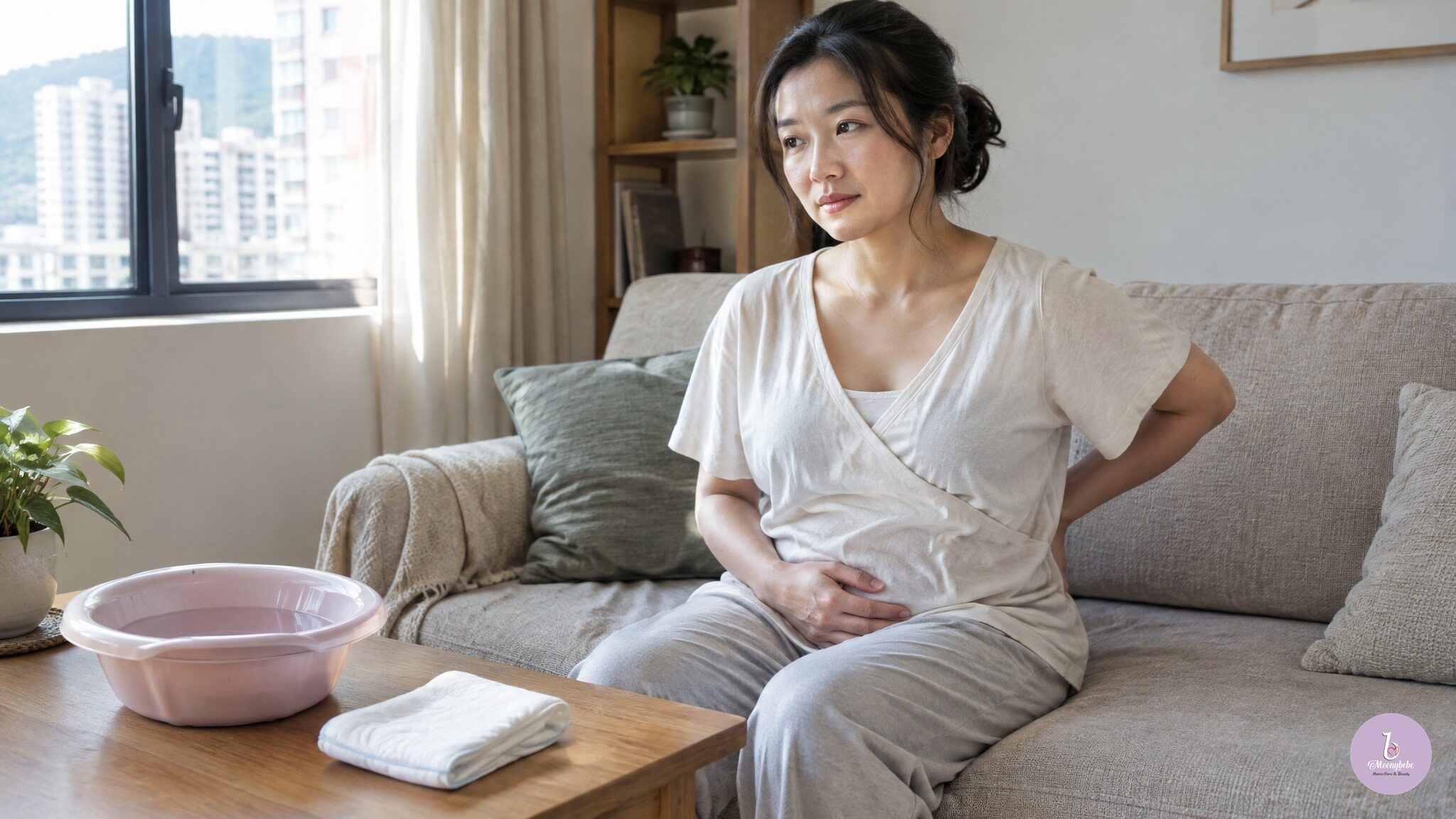
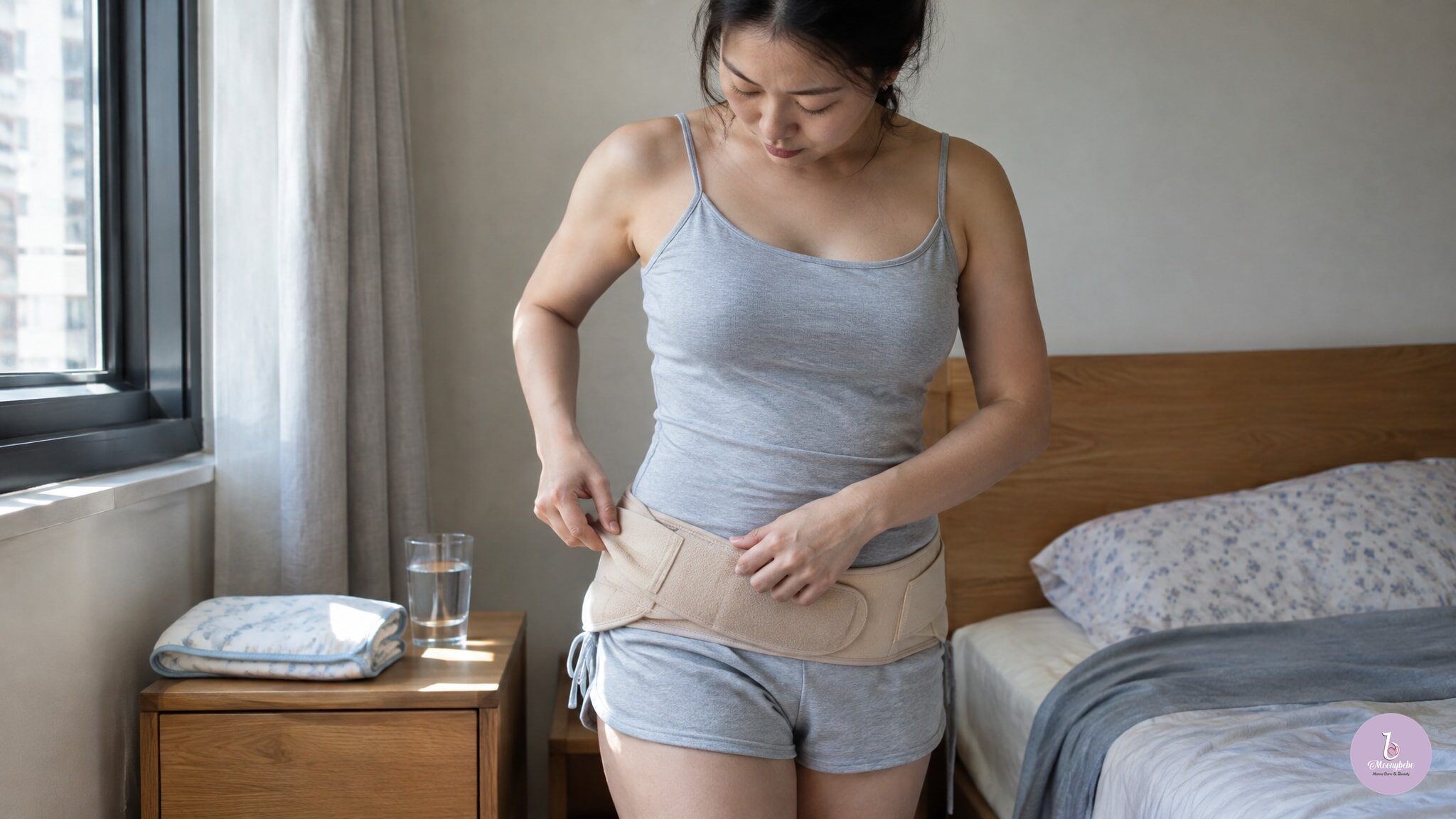
Here’s a common scenario.A new mother in the early postpartum period is undergoing Confinement at home. She breastfeeds frequently at night and experiences significant soreness in her shoulders, neck, and lower back. During the day, she tries to catch up on sleep but is often interrupted by her baby’s schedule. She had heard about acupuncture from her elders and wanted to know if it would be right for her, so she scheduled a consultation.
Traditional Chinese medicine holds that childbirth depletes qi and blood, and that postpartum recovery requires time for the body to gradually return to balance. Acupuncture primarily involves stimulating meridians and acupoints to help the body relax, relieve aches and pains, and support recovery by harmonizing qi and blood—a process commonly referred to as postpartum qi and blood regulation.
This is a complementary traditional treatment that is not intended to address specific medical conditions, nor does it replace postpartum follow-up visits with a doctor or midwife. Acupuncturists do not promise specific results, as every mother’s constitution, birthing experience, and lifestyle are unique, and the changes she experiences will vary accordingly.
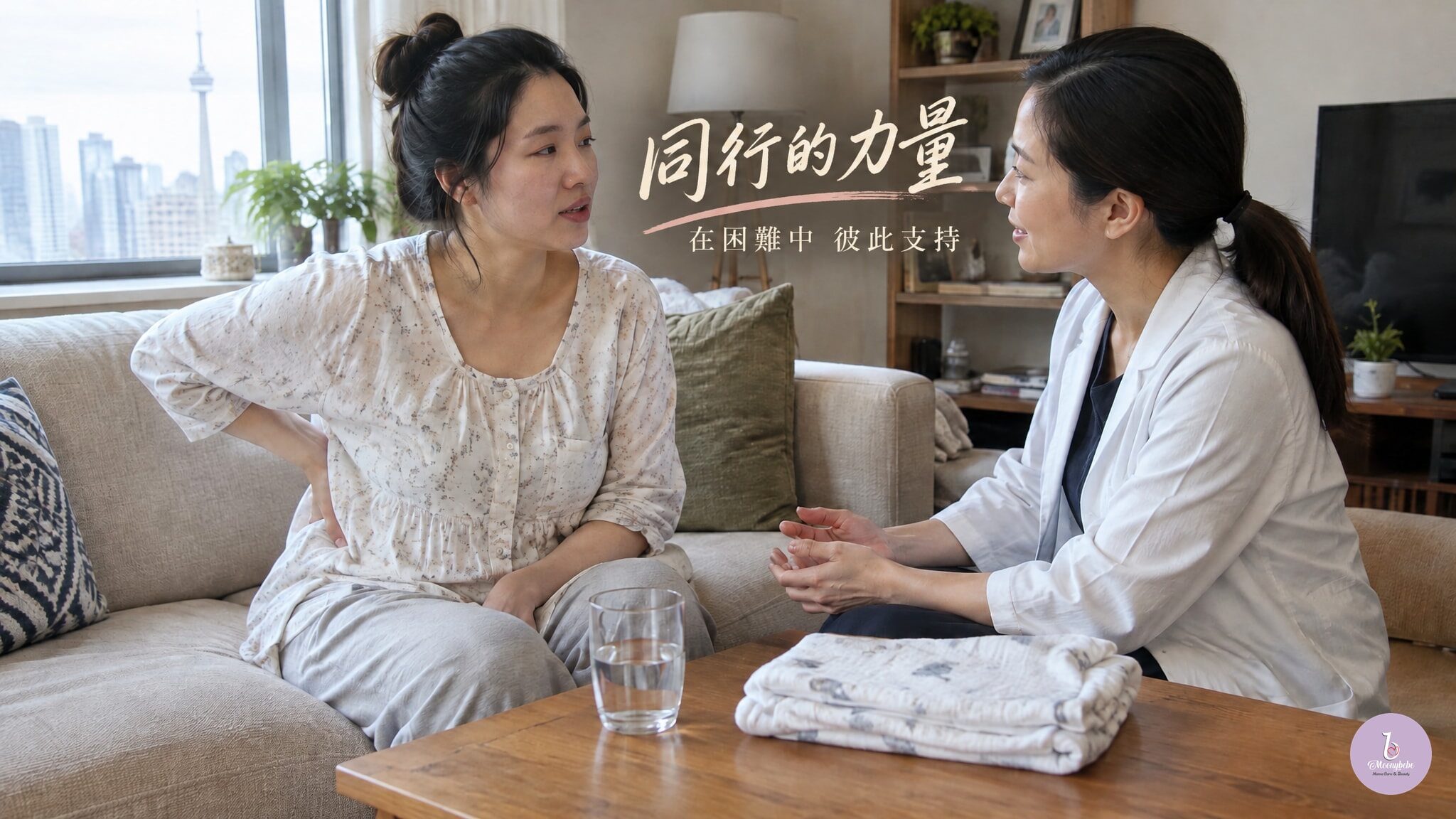
During a consultation, the first step for an acupuncturist is not to insert needles, but to assess the patient’s medical condition. This includes the method of delivery, whether there were any complications, whether the wound has healed properly, and whether there is any abnormal lochia or bleeding. If there are any concerns, the acupuncturist will advise the patient to consult her doctor first before deciding whether to proceed.
Only after ruling out any medical concerns does the consultation begin.The acupuncturist will ask her how many hours she sleeps per day and how fragmented her sleep is. They will also inquire about her dietary habits, appetite, whether her hands and feet tend to feel cold, and how her energy levels fluctuate throughout the day. This information, combined with the location and severity of her shoulder, neck, lower back, and back pain, will serve as the basis for determining the focus of the initial treatment phase.
For this mother, the initial focus may be on relieving the tension in her shoulders, neck, lower back, and waist that has built up from prolonged breastfeeding, while also addressing her sleep and energy levels.Comfort is the guiding principle throughout the entire process. Before beginning the treatment, the acupuncturist will explain the procedure so she understands each step, feels at ease, and can relax more easily.
If your situation is similar to hers, this is generally what the consultation process will look like: first, we’ll ensure your safety; next, we’ll learn about your daily routine; and finally, we’ll discuss your postpartum recovery plan. This type of postpartum recovery acupuncture isn’t a one-size-fits-all approach—it’s tailored to your current condition.
How to Determine the Best Time and Number of Treatment Sessions
The appropriate time to begin is after your physical condition has stabilized, you have completed your postpartum follow-up visit with your doctor or midwife, and there are no abnormalities with your incision or bleeding. If you have any complications or other medical concerns, please consult your doctor first before discussing this with an acupuncturist.To understand the general pace of recovery at each stage, you can refer to the timeline for postpartum physical recovery.
There is no standard number of treatment sessions.
After the initial assessment, the acupuncturist will develop a phased treatment plan based on the severity of your pain, your sleep patterns, your breastfeeding status, and changes in your physical condition. The frequency and intervals of your treatments will then be adjusted as your condition improves, rather than setting a fixed number of sessions from the start.
This also means that acupuncture isn’t suitable for people who want “immediate results” or a “fixed, package-style treatment plan”; it’s more like a process of guiding your body through adjustments one step at a time, and you’ll need to share your true feelings with the acupuncturist so the treatment can be tailored to your needs.
How to Verify the Licensing Status of an Acupuncturist in Toronto
Acupuncture is an invasive treatment, so you shouldn’t base your decision on a practitioner’s qualifications solely on word of mouth or advertising. When looking for an acupuncturist in Toronto, you can ask the following questions directly before making an appointment; reputable professionals are usually willing to provide clear answers.
- License or Registration Status: Ask the other party to explain their current registration status and confirm whether it is still valid. This is the most basic and easiest item to verify.
- Source of internationally recognized qualifications: You should be able to provide specific answers regarding which organization issued the qualification, in which country it was issued, and whether it is internationally recognized—rather than simply stating, “I have a certificate.”
- Explanation of Traditional Chinese Medicine Theory and Its Application in the Postpartum Period: A skilled acupuncturist can explain the concepts of qi, blood, and meridians in plain language and will also be candid about what acupuncture can and cannot do during the postpartum period.
- Willingness to Collaborate with the Medical Team: In the event of abnormal bleeding, a fever, or other conditions requiring medical attention, will the acupuncturist recommend that you return for a follow-up visit and be willing to communicate with your doctor or midwife?
Moonybebe’s postpartum acupuncture is performed by internationally certified acupuncturists. When you schedule a consultation, you can directly ask about the practitioner’s professional background and the source of their certification.This way, you can verify both the traditional Chinese medicine approach to postpartum recovery and the Western-certified, verifiable professional credentials during the same consultation.
For more information on how to verify qualifications—including how to compare the professional backgrounds of different teams—please see our article on how to identify certified postpartum care teams.
It’s important to note that a practitioner’s certification only allows you to verify whether they are qualified; it does not predict the outcome of the treatment. Whether acupuncture is right for you ultimately depends on an individual assessment.
How to Combine Confinement Acupuncture with Traditional Convalescence Practices
According to traditional Confinement practices, Confinement recovery relies on a combination of several factors: ample rest, a mild diet, and the patience to allow the body to recover gradually. Acupuncture during the Confinement period can be an optional addition to this regimen, complementing rest and diet rather than replacing either of them.
For new mothers, the most practical challenges are often time and energy. Since babies need constant care, your postpartum recovery routine must fit into your daily schedule at home—for example, scheduling activities for times when your baby has just finished feeding and family members are available to help watch the baby.For an overview of Confinement recovery at home, please refer to the “Confinement Care at Home” guide, which discusses how to incorporate various care routines into your daily schedule.
Acupuncture is no substitute for medical follow-up.
Regardless of which traditional Confinement method you choose, you should still attend your scheduled postpartum follow-up appointments as usual; it is safest for acupuncturists and doctors to each fulfill their respective roles and complement one another.
Moonybebe’s services cover Toronto, Markham, Richmond Hill, and the Greater Toronto Area. You can choose between in-home visits or in-clinic sessions, allowing you to schedule treatments around your baby’s daily routine.If you’d like to learn more about in-home sessions, please read “Postpartum Acupuncture Treatments at Home”; we won’t repeat that information here.
Before making an appointment, start with a consultation.
If you’re considering postpartum acupuncture, why not schedule a free consultation first? The purpose of the consultation is to clarify a few things before starting treatment:
- Assess your current medical condition to determine whether it is appropriate to begin;
- Assess your individual circumstances, such as your sleep, breastfeeding, aches and pains, and energy levels;
- Describe the acupuncturist’s qualifications and professional background;
- We’ll provide a preliminary treatment plan so you know what to expect during the first phase.
A consultation doesn’t mean you have to undergo treatment. You can come in with your questions, or discuss it with your family before making a decision. If you’d like to feel more at ease during this postpartum period, book a free consultation now and talk to an acupuncturist about your situation.
#PostpartumAcupunctureinToronto #PostpartumQiandBloodRegulation #PostpartumConfinementAcupuncture #PostpartumRecoveryAcupuncture #TraditionalPostpartumConfinementTherapies #AcupuncturistsinToronto