
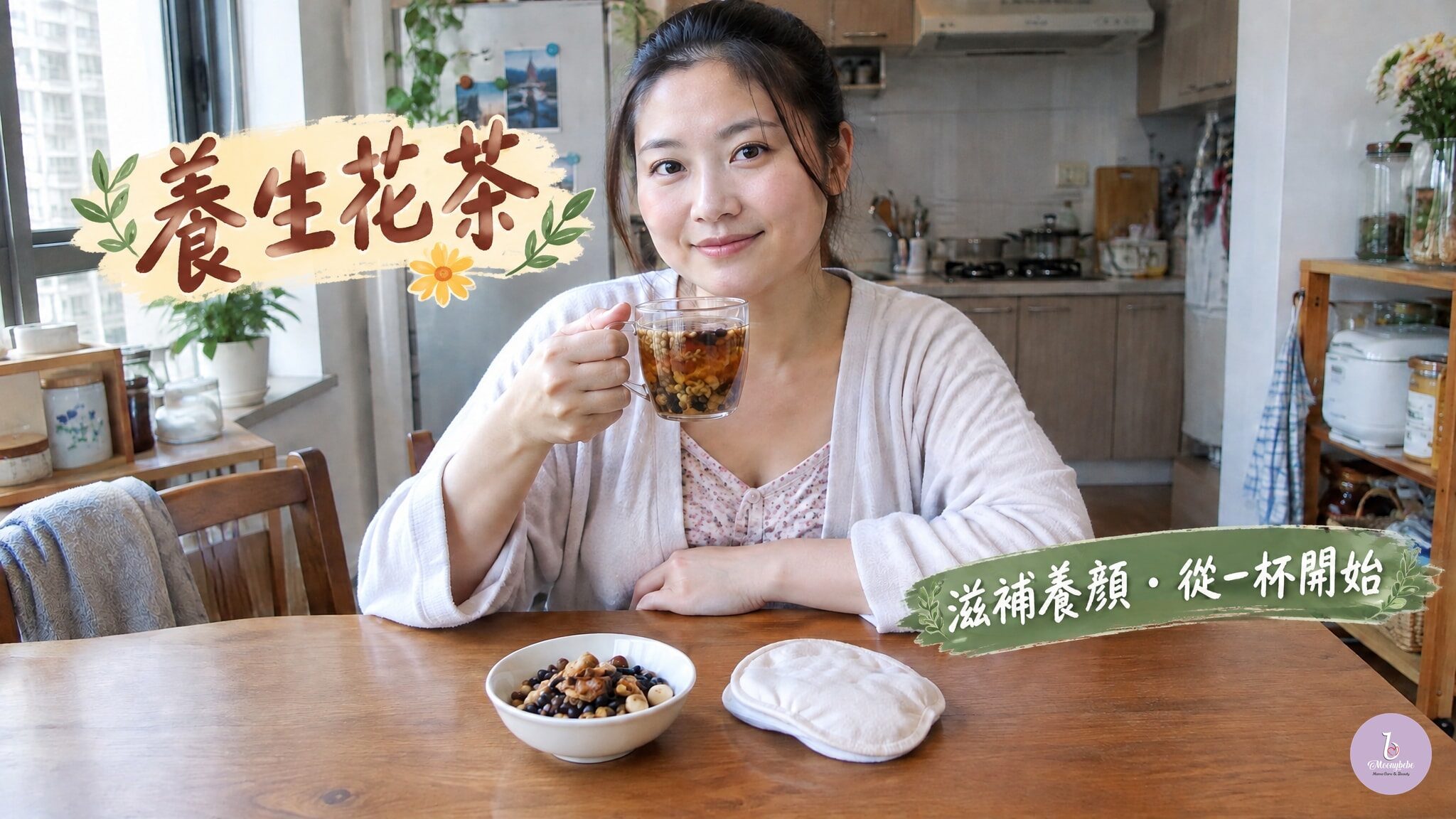
When mothers experience low milk supply after giving birth, many of the first things that come to mind is making a cup of roasted rice tea. Does roasted rice tea help increase milk supply? The answer isn’t a simple yes or no—it depends on the specific situation you’re facing. How Can Roasted Rice Tea Help with Lactation? Tea and Lactation Massage Each Play Their Own Role. In the second week after giving birth, a mother noticed a hard lump in her left breast that was painful to the touch and had slightly reddened skin. Worried that her milk supply was insufficient, she drank several cups of roasted rice tea a day, hoping to make the lump “softened” by drinking it away. This line of thinking is common, but the approach needs adjustment. Fried rice tea is a common herbal tea substitute in the Chinese postpartum confinement tradition. It is often associated with hydration, regulating the spleen and stomach, and promoting milk production; there is nothing wrong with incorporating it as part of daily health maintenance. However, the lump is caused by a localized blockage in the breast’s milk ducts. The general principle of lactation care is that milk supply is primarily regulated by the frequency and efficiency of milk ejection; therefore, the key is to ensure a continuous and smooth flow of milk. Relying solely on increasing fluid intake is unlikely to resolve a localized blockage. Moonybebe’s services are provided by Registered Massage Therapists (RMTs) and internationally certified acupuncturists, and lactation massage is included in our service offerings. From this professional perspective, trained practitioners use gentle techniques to facilitate milk flow rather than applying forceful pressure; for more information, please refer to the guidelines on managing engorgement and milk duct blockages. Some mothers feel that drinking fluids helps, but this is mostly due to increased hydration and the opportunity to finally sit down and rest for a while—the effects vary from person to person. High-quality research on herbal teas is also limited; the claim that “drinking it clears the blockage” should not be taken as fact, and roasted rice tea is not a suitable substitute for expressing milk or massage. Herbal teas are meant to be supplementary; when experiencing a milk blockage, they should be used in conjunction with professional lactation massage. What should you do if your milk supply is insufficient during the postpartum period? First, determine whether the issue is low milk supply or a breast blockage. Low milk supply is often related to insufficient pumping frequency or ineffective suckling, and may also be influenced by fatigue or stress; a breast blockage, on the other hand, is a localized issue characterized by hardness and tenderness in a specific area of the breast—teas cannot replace professional treatment for this condition. The causes and treatment approaches for these two conditions differ, so you should first distinguish between them clearly before deciding which aspect to address. If a breast engorgement persists, when should you seek professional help? Common symptoms of breast engorgement include localized hardness, tenderness, and occasionally slight redness or warmth. If any of the following situations occur, please seek medical attention or consult a lactation consultant as soon as possible; do not rely solely on herbal teas or massage while monitoring the condition yourself: Lumps or redness and swelling persist or spread Fever or chills, which may be related to mastitis Cracked nipples or significant pain during breastfeeding Concerns about your baby’s feeding or weight gain If you’re unsure who to consult, first review the differences between lactation massage and a lactation consultant. When to Drink Milk Tea During the Postpartum Period and Precautions for Breastfeeding Many sources recommend waiting until the early postpartum period has passed and your milk supply has stabilized before starting to drink milk tea. This is based on experience and varies from person to person; you can adjust accordingly based on your physical condition and the advice of healthcare professionals. Moonybebe’s Milk-Boosting Roasted Rice Tea—specifically the 56-pack “Postpartum Milk-Boosting Roasted Rice Tea for New Mothers”—is made by roasting a blend of three-color rice, dried tangerine peel, black beans, longan, Tongcao, goji berries, and black sesame seeds. It is caffeine-free and suitable for breastfeeding mothers as part of their daily health regimen. Simply follow the recommended intake on the packaging; there’s no need to increase the amount in an effort to “boost milk supply faster.” Since the formula contains Chinese herbal ingredients such as Tongcao, mothers who are currently taking medication or have chronic health conditions should consult a doctor or pharmacist first. If you experience any discomfort after consumption, stop use immediately and consult a healthcare professional. If lumps, redness, swelling, or pain persist, please consult a doctor or lactation consultant for an evaluation first, and then inquire about lactation massage services as needed. Services are available both at home and at our studio; appointments can be scheduled for consultations. #Milk-Boosting Fried Rice Tea #Postpartum Tea #Lactation Massage #Clogged Ducts #Postpartum Breastfeeding #Duolun Postpartum Care

Cart: 0 - $0
No products in the cart.


- Home
- About us
- Moonybebe Service
- Services Details
- Prenatal and Postnatal Care
- Postnatal Natural Belly Binding Treatment
- MaMa’s Sculpt and Glow Pro
- Pelvic Bone Treatment
- Health and Muscle Building Body Sculpting Treatment
- Pregnancy Massage(RMT optional)
- Painless Lactation / Lactation Massage Treatment(RMT optional)
- Postpartum Acupuncture Treatment
- Postpartum Acupoint Drainage Therapy
- Postpartum Stretch Marks & Scar Repair
- Postpartum Hand Therapy
- Infant and Toddler Massage
- Uterus-warming Massage Therapy
- Bust Lift Care Beauty Treatment
- Targeted Care Treatments by Chinese Medicine Practitioners
- Body Care and Fitness
- Postpartum Stretch Marks & Scar Repair
- Health and Muscle Building Body Sculpting Treatment
- Comprehensive Pain Relief Treatment
- Uterus-warming Massage Therapy
- Bust Lift Care Beauty Treatment
- Ice-free and Painless Hair Removal Treatment
- Lymphatic Drainage Massage
- Full-Body Massage for Moms & Dads
- Postpartum Acupuncture Treatment
- Targeted Care Treatments by Chinese Medicine Practitioners
- Beauty Care
- Postpartum Confinement Meal Plan Delivery Service
- Postpartum Care Store
- Testimonies
- Blog
- Client Manager
- Contact us
 English