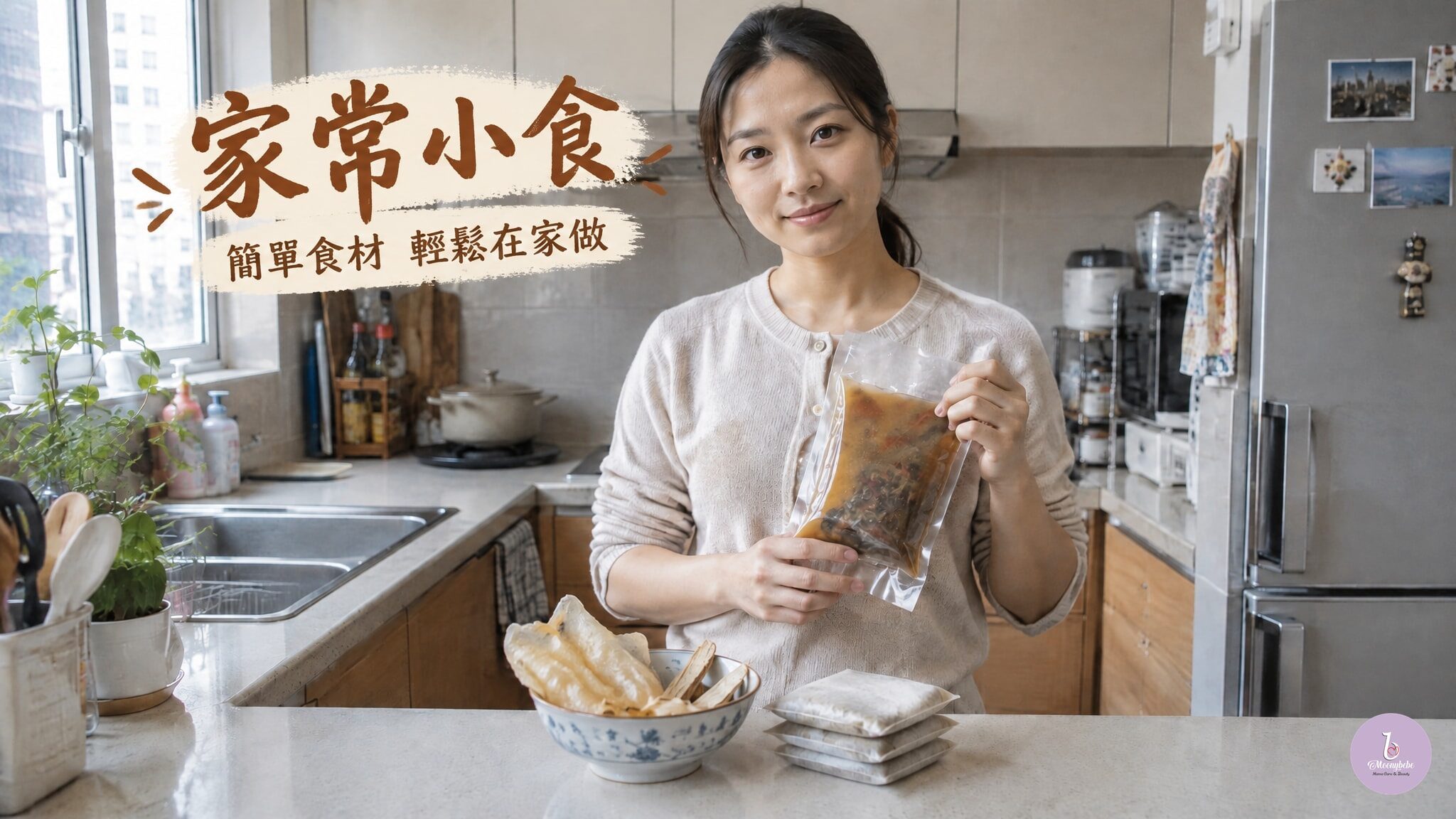
When you open the instructions for a postpartum soup packet, you’ll see a long list of ingredients like fish maw, dendrobium, astragalus, and angelica—and you might not know where to start. Most articles simply list these ingredients but fail to mention one crucial point: the ingredients are just the raw materials; it’s the sequence of use that matters. When looking for recommendations on postpartum soup packs, what you should really check is whether they’ve been arranged in the correct order for the 30-day period. The key to postpartum soup packs lies in the sequence: the phased arrangement for the “Golden 30 Days.” Let’s say there’s a first-time mom living in the Greater Toronto Area who is going through her postpartum recovery without a postpartum care provider (this is a hypothetical scenario for illustrative purposes, not a real-life account). She chose a set featuring a complete 30-day postpartum soup package—a collaboration with Huichun Garden on 16th Street in Richmond Hill. She doesn’t have to blend herbs herself or figure out the correct sequence; she simply prepares fresh meat and vegetables each day and simmers them with a packet of soup mix. According to the product description, this 30-day postpartum soup kit was jointly developed by experienced postpartum care providers and a TCM physician (the physician’s name is not disclosed). The program is divided into three phases: the initial phase focuses on gentle nourishment to strengthen the spleen and stomach; the middle phase focuses on replenishing qi and nourishing blood; and the final phase focuses on tonifying and strengthening the body. Each day features a corresponding soup recipe. Why not go all out with tonics right away? After childbirth, the spleen and stomach are still weak, so it’s essential to prioritize digestion and absorption first; only then can the subsequent steps of tonifying qi and nourishing blood be effectively utilized. This approach aligns with the TCM philosophy of gradual, step-by-step postpartum recovery. The product description also states that balanced and gradual recovery during the postpartum period is more important than simply consuming tonics indiscriminately. Regarding ingredients, the product description lists fish maw, dendrobium, five-fingered peach, Astragalus membranaceus, Angelica sinensis, Cordyceps flowers, among other precious ingredients and medicinal herbs. However, you don’t need to memorize each one individually; simply follow the order listed and use this postpartum medicinal soup packet as your daily postpartum soup here in Canada. How do you pair the postpartum soup packets with roasted rice tea? Daily consumption and storage: The soup packets provide your daily soup, while roasted rice tea is a beverage to keep on hand for everyday use. The product description for postpartum fried rice tea for new mothers states, “Nurturing mothers from day one,” positioning it as a daily beverage for the first month. It also notes that mild fried rice tea is more suitable than consuming tonics or soups with strong lactation-promoting properties too early. Another product, the 56-pack of Blood-Nourishing Fried Rice Tea, recommends consuming 14 packets per week (2 packets per day), with each packet brewed in approximately 500–600 ml of hot water. To compare different varieties, refer to the Fried Rice Tea Buying Guide. Just one thing to remember about storage: Prepare the ingredients on the same day, simmer them for that meal, refrigerate any leftover soup as soon as possible, and reheat thoroughly before consuming. Which mothers are suitable for these soup packets? When should you consult a doctor or TCM practitioner first? This set of soup packets is suitable for new mothers who want to follow a systematic regimen but have limited help available, including overseas mothers recovering postpartum in Canada. However, it is not suitable for those who wish to rely on the soups as a substitute for a medical evaluation. If you have a chronic illness, are taking Western or other TCM medications, are allergic to any herbs, or need to be cautious about medication use while breastfeeding, please consult a physician or TCM practitioner first. If you experience abnormal bleeding, fever, or redness and swelling at the wound site after childbirth, you should also seek medical attention immediately—do not wait for the soup to “restore your health.” The soup packets already contain Angelica sinensis and prepared Rehmannia root; if you also take Siwu Decoction or Shenghua Decoction, you may end up taking duplicate supplements, so be sure to consult a TCM practitioner before adding them. The soup packets are not a substitute for personalized postpartum care; if needed, please refer to the Guide to Postpartum Care at Home. To see the daily soup schedule, visit the “Golden 30 Days Postpartum Soup Pack” product page for full details; if you still have health concerns, consult a professional before making a decision. #PostpartumSoupPacks #PostpartumConvalescence #Golden30DaysPostpartumSoupPacks #PostpartumMeals #PostpartumMedicinalDishes #GreaterTorontoArea #16thStreet Huichun Garden

Cart: 0 - $0
No products in the cart.


- Home
- About us
- Moonybebe Service
- Services Details
- Prenatal and Postnatal Care
- Postnatal Natural Belly Binding Treatment
- MaMa’s Sculpt and Glow Pro
- Pelvic Bone Treatment
- Health and Muscle Building Body Sculpting Treatment
- Pregnancy Massage(RMT optional)
- Painless Lactation / Lactation Massage Treatment(RMT optional)
- Postpartum Acupuncture Treatment
- Postpartum Acupoint Drainage Therapy
- Postpartum Stretch Marks & Scar Repair
- Postpartum Hand Therapy
- Infant and Toddler Massage
- Uterus-warming Massage Therapy
- Bust Lift Care Beauty Treatment
- Targeted Care Treatments by Chinese Medicine Practitioners
- Body Care and Fitness
- Postpartum Stretch Marks & Scar Repair
- Health and Muscle Building Body Sculpting Treatment
- Comprehensive Pain Relief Treatment
- Uterus-warming Massage Therapy
- Bust Lift Care Beauty Treatment
- Ice-free and Painless Hair Removal Treatment
- Lymphatic Drainage Massage
- Full-Body Massage for Moms & Dads
- Postpartum Acupuncture Treatment
- Targeted Care Treatments by Chinese Medicine Practitioners
- Beauty Care
- Postpartum Confinement Meal Plan Delivery Service
- Postpartum Care Store
- Testimonies
- Blog
- Client Manager
- Contact us