
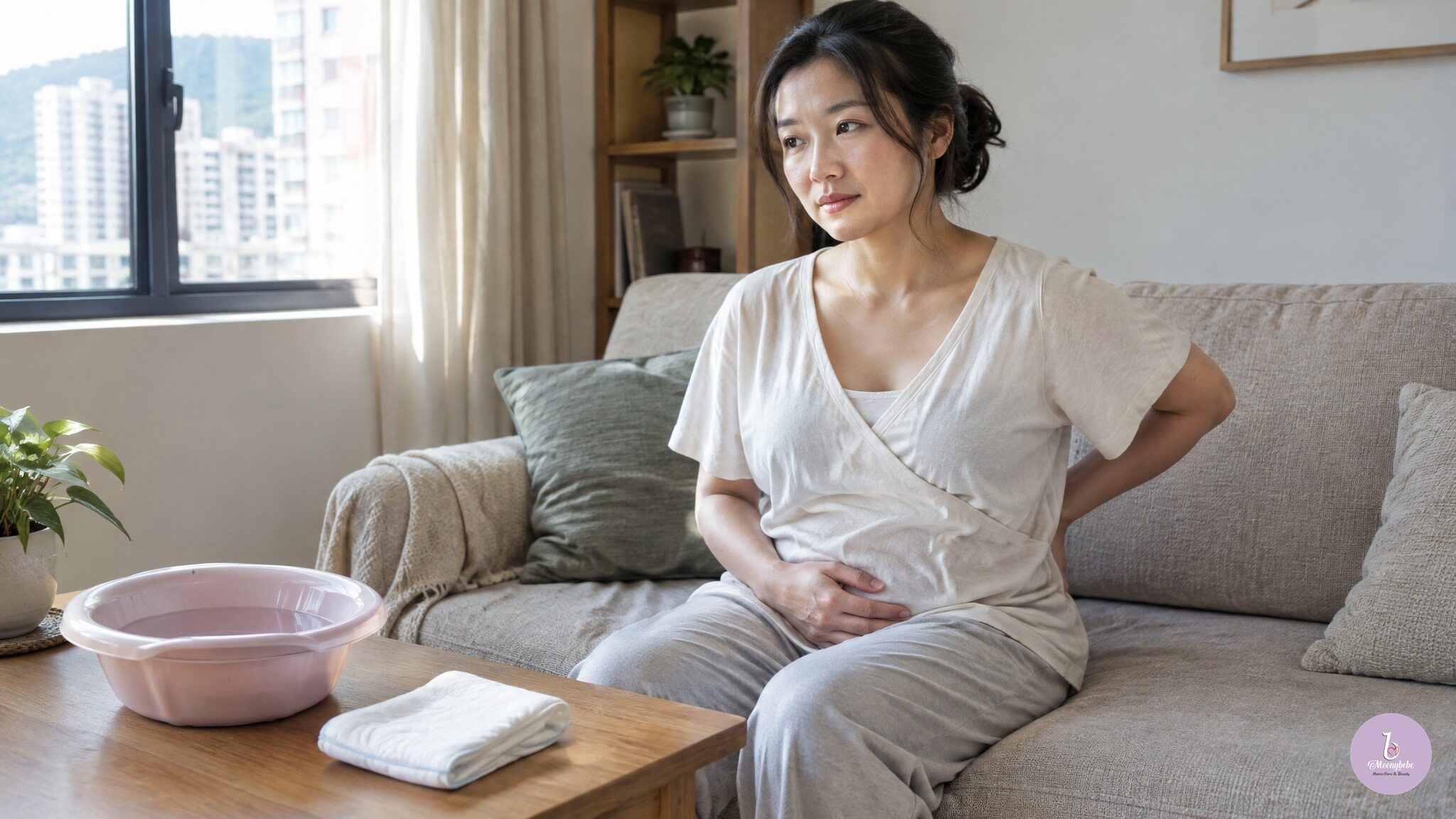
There’s no one-size-fits-all answer when it comes to postpartum recovery, because different parts of the body heal at different rates. The acute healing of the uterus and delivery incisions typically occurs within the postpartum period (approximately 42 days), while the recovery of the pelvic floor, abdomen, and skin takes several months. If you’re wondering, “Will I be fully recovered once the postpartum Confinement period is over?” this article aims to reassure you: 42 days is a reasonable reference point, but it’s not the finish line. Below, we’ll break down the recovery process by body part and explain when it’s worth seeking professional help. How Long Does Postpartum Recovery Take? Follow a Mom Who Had a Vaginal Birth to See the Sequence of Recovery for Each Body Part To make the timeline more concrete, let’s imagine a first-time mom who had a vaginal birth with an episiotomy—let’s call her Xiaoya. Xiao Ya is a fictional scenario created for editorial purposes; she is not a real case or client testimonial, but is used solely to illustrate how different body parts progress through the postpartum recovery stages step by step. The postpartum recovery period can be divided into three phases: the initial observation period, the postpartum period, and the period following the postpartum period. The focus of each phase is different. Phase One: The Initial Observation Period. After giving birth, Xiaoya remains at the medical facility, where healthcare providers monitor her heart rate, blood oxygen levels, and blood pressure every 15 to 20 minutes, while also checking the firmness of her uterus. During this time, her body temperature rises to about 37°C to 37.5°C, which makes her a little anxious. This is a common change that occurs when inflammatory tissue remains in the body after childbirth, and in most cases, it will gradually return to normal; however, if a fever actually develops, you should inform the medical staff immediately. Wound care also begins to differ at this point. Mothers who have had a vaginal delivery may take a bath 24 hours after giving birth, which helps the perineal wound heal; for cesarean sections, you must wait 24 hours before changing the dressing or performing further wound cleansing. Even though it’s the “first day postpartum,” the care schedules for vaginal and cesarean deliveries differ; you can check directly with the medical staff to confirm which category you fall into. Section 2: The postpartum period (approximately 42 days). During this time, Xiaoya’s uterus gradually contracts, lochia slowly decreases, and the perineal wound gradually heals. Although she looks better day by day, her abdomen and pelvic floor remain relaxed, and daily activities such as holding the baby, breastfeeding, standing up, and squatting place additional strain on her body; her skin is also still adjusting to the changes brought on by pregnancy. When comparing the three stages side by side, the differences become clear: Area Initial Observation Period Postpartum Period (approx. 42 days) After the Postpartum Period Uterus Medical staff monitor firmness Gradually contracts; lochia gradually decreases Based on medical examination results Perineal or surgical incision Depending on vaginal delivery or cesarean section Care begins Gradual healing Continue to monitor for abnormalities Pelvic floor Has just been stretched Still relaxed and under significant strain Gradually returns to a supportive state over the course of months Abdomen Still changing Still relaxed…

Cart: 0 - $0
No products in the cart.


- Home
- About us
- Moonybebe Service
- Services Details
- Prenatal and Postnatal Care
- Postnatal Natural Belly Binding Treatment
- MaMa’s Sculpt and Glow Pro
- Pelvic Bone Treatment
- Health and Muscle Building Body Sculpting Treatment
- Pregnancy Massage(RMT optional)
- Painless Lactation / Lactation Massage Treatment(RMT optional)
- Postpartum Acupuncture Treatment
- Postpartum Acupoint Drainage Therapy
- Postpartum Stretch Marks & Scar Repair
- Postpartum Hand Therapy
- Infant and Toddler Massage
- Uterus-warming Massage Therapy
- Bust Lift Care Beauty Treatment
- Targeted Care Treatments by Chinese Medicine Practitioners
- Body Care and Fitness
- Postpartum Stretch Marks & Scar Repair
- Health and Muscle Building Body Sculpting Treatment
- Comprehensive Pain Relief Treatment
- Uterus-warming Massage Therapy
- Bust Lift Care Beauty Treatment
- Ice-free and Painless Hair Removal Treatment
- Lymphatic Drainage Massage
- Full-Body Massage for Moms & Dads
- Postpartum Acupuncture Treatment
- Targeted Care Treatments by Chinese Medicine Practitioners
- Beauty Care
- Postpartum Confinement Meal Plan Delivery Service
- Postpartum Care Store
- Testimonies
- Blog
- Client Manager
- Contact us
 English