
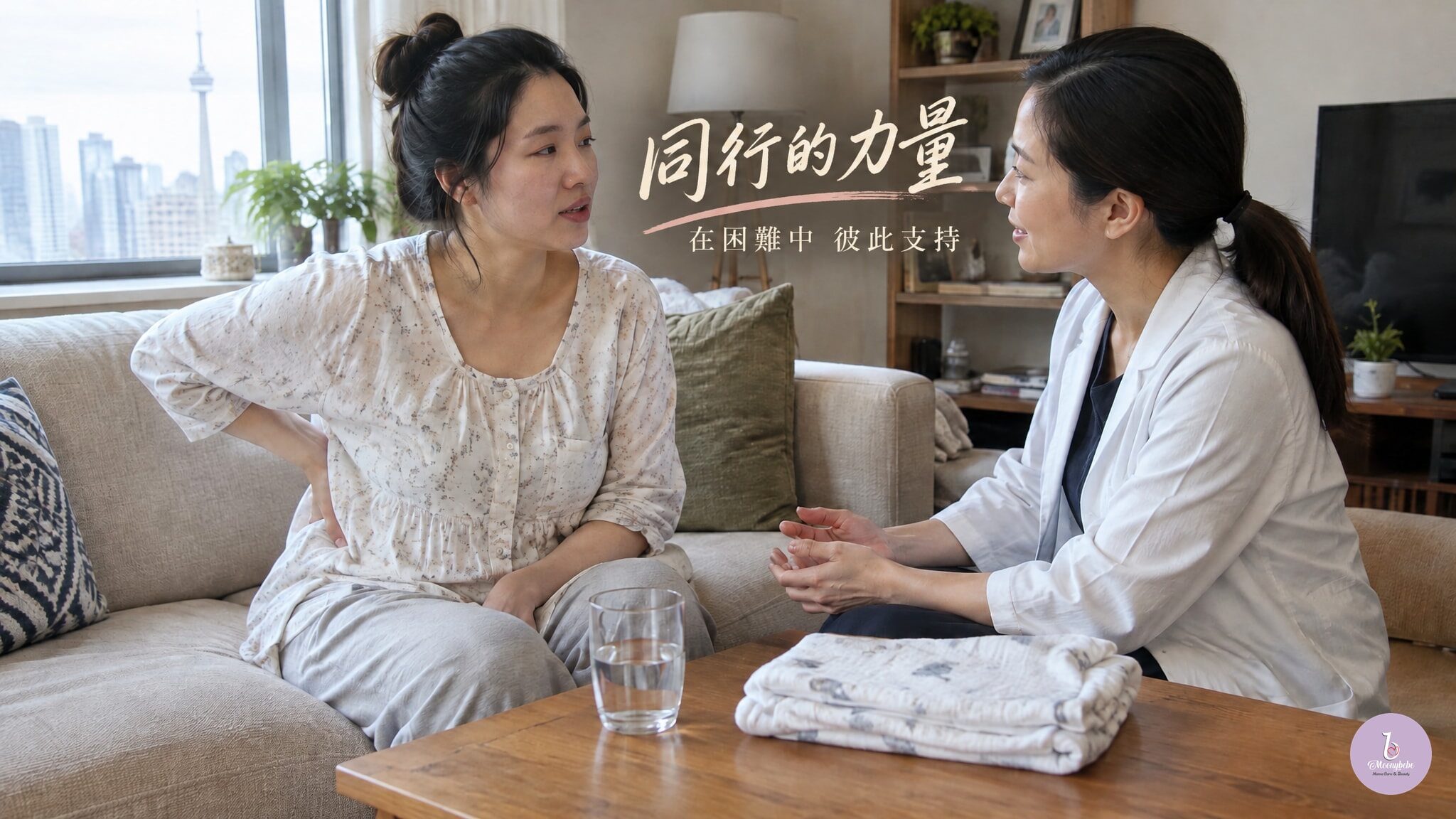
In the first few weeks after giving birth, your body is still slowly recovering, yet you have to get up again and again at night to breastfeed. With stiff shoulders and neck, aching lower back, and sleep fragmented into short bursts, many new moms begin to wonder: Can acupuncture help? There are plenty of options for postpartum acupuncture in Toronto, but few clearly explain how traditional Chinese medicine principles align with verifiable Western certifications. This article uses a new mom’s consultation process as a starting point to explain the principles of postpartum acupuncture, the best time to begin treatment, and how to verify an acupuncturist’s credentials before booking an appointment. How Acupuncture Supports Postpartum Qi and Blood Regulation: A New Mom’s Story Here’s a common scenario. A new mother in the early postpartum period is undergoing Confinement at home. She breastfeeds frequently at night and experiences significant soreness in her shoulders, neck, lower back, and waist. During the day, she tries to catch up on sleep but is often interrupted by her baby’s schedule. She had heard about acupuncture from her elders and wanted to know if it was right for her, so she scheduled a consultation. Traditional Chinese medicine holds that childbirth depletes qi and blood, and that the postpartum period requires time for gradual recuperation so the body can slowly return to balance. Acupuncture primarily involves stimulating meridians and acupoints to help the body relax, relieve aches and pains, and support recovery by harmonizing qi and blood—this is commonly referred to as postpartum qi and blood regulation. This is a complementary traditional form of care; it is not intended to treat specific diseases, nor does it replace postpartum follow-up visits with a doctor or midwife. Acupuncturists do not promise specific results, as every mother’s constitution, birth experience, and lifestyle are unique, and the changes she experiences will vary accordingly. During the consultation, the acupuncturist’s first step is not to insert needles, but to assess the patient’s medical condition. This includes the method of delivery, whether there were any complications, whether the incision has healed properly, and whether there is any abnormal lochia or bleeding. If there are any concerns, the acupuncturist will advise the patient to consult her physician first before deciding whether to proceed. Only after confirming there are no medical concerns will the consultation proceed. The acupuncturist will ask how many hours she sleeps per day and how fragmented her sleep is, as well as inquire about her dietary habits, appetite, whether her hands and feet tend to feel cold, and how her energy levels fluctuate throughout the day. This information, combined with the location and severity of her shoulder, neck, lower back, and back pain, will serve as the basis for determining the focus of the initial treatment phase. For this mother, the initial phase may focus on relieving the tension in her shoulders, neck, lower back, and back that has built up from prolonged breastfeeding postures, while also addressing her sleep and energy levels. Comfort is the guiding principle throughout the entire process. Before beginning treatment, the acupuncturist will explain the procedure, ensuring she understands each step so she feels at ease and her body can relax more easily. If your situation is similar to hers, this is generally what the consultation process will look like: first, confirming safety; then understanding your daily routine; and finally, discussing the treatment plan. This type of postpartum acupuncture treatment isn’t a one-size-fits-all approach—it’s tailored to your current condition. When to Start and How Many Sessions to Schedule The appropriate time to begin is after your physical condition has stabilized, you’ve completed your postpartum follow-up visits with your doctor or midwife, and there are no abnormalities with your incision or bleeding. If you have complications or other medical concerns, please consult your doctor first before discussing them with the acupuncturist. To understand the general pace of recovery at each stage, you can refer to the timeline for postpartum physical recovery. There is no standard number of sessions. After the initial assessment, the acupuncturist will develop a phased treatment plan based on the severity of your aches and pains, sleep patterns, breastfeeding status, and changes in your energy levels. The frequency and intervals of your sessions will then be adjusted as your condition improves, rather than being set to a fixed number of sessions from the start. This also means that acupuncture isn’t suitable for those seeking “instant results” or a “fixed, package-style” process; it’s more like accompanying your body through a step-by-step adjustment process, which requires you to share your honest feelings with the acupuncturist so the treatment pace can be fine-tuned accurately. How to Verify the Qualifications of an Acupuncturist in Toronto Acupuncture is an invasive treatment, so a practitioner’s qualifications should not be judged solely by word of mouth or advertisements. When looking for an acupuncturist in Toronto, you can ask the following questions directly before making an appointment; reputable professionals are usually willing to provide clear answers. License or Registration Status: Ask the practitioner to explain their current registration status and confirm that it is valid. This is the most basic and easiest requirement to verify. Source of Internationally Recognized Qualifications: The practitioner should be able to provide specific details about which organization issued the qualification, in which country, and whether it is internationally recognized—rather than simply stating “I have a certificate.” Explanation of Traditional Chinese Medicine Theory and Postpartum Applications: A good acupuncturist can explain concepts like qi, blood, and meridians in plain language and will candidly explain what acupuncture can and cannot do in the postpartum period. Willingness to collaborate with the medical team: In the event of abnormal bleeding, fever, or other situations requiring medical attention, will the acupuncturist recommend that you return for a follow-up visit and be willing to communicate with your doctor or midwife? Moonybebe’s postpartum acupuncture is performed by acupuncturists with internationally recognized certifications. When you book a consultation, you can directly ask about the practitioner’s professional background and the source of their credentials. This way, you can clearly verify both the traditional TCM approach to postpartum recovery and Western-certified, verifiable professional qualifications during the same consultation. For more information on verifying qualifications—including how to compare the professional backgrounds of different teams—please read our guide on how to identify a certified postpartum care team. It’s important to note that qualifications only confirm whether the practitioner is competent; they do not predict treatment outcomes. Whether acupuncture is right for you ultimately depends on an individual assessment. How to combine Confinement acupuncture with traditional recuperation methods…

Cart: 0 - $0
No products in the cart.


- Home
- About us
- Moonybebe Service
- Services Details
- Prenatal and Postnatal Care
- Postnatal Natural Belly Binding Treatment
- MaMa’s Sculpt and Glow Pro
- Pelvic Bone Treatment
- Health and Muscle Building Body Sculpting Treatment
- Pregnancy Massage(RMT optional)
- Painless Lactation / Lactation Massage Treatment(RMT optional)
- Postpartum Acupuncture Treatment
- Postpartum Acupoint Drainage Therapy
- Postpartum Stretch Marks & Scar Repair
- Postpartum Hand Therapy
- Infant and Toddler Massage
- Uterus-warming Massage Therapy
- Bust Lift Care Beauty Treatment
- Targeted Care Treatments by Chinese Medicine Practitioners
- Body Care and Fitness
- Postpartum Stretch Marks & Scar Repair
- Health and Muscle Building Body Sculpting Treatment
- Comprehensive Pain Relief Treatment
- Uterus-warming Massage Therapy
- Bust Lift Care Beauty Treatment
- Ice-free and Painless Hair Removal Treatment
- Lymphatic Drainage Massage
- Full-Body Massage for Moms & Dads
- Postpartum Acupuncture Treatment
- Targeted Care Treatments by Chinese Medicine Practitioners
- Beauty Care
- Postpartum Confinement Meal Plan Delivery Service
- Postpartum Care Store
- Testimonies
- Blog
- Client Manager
- Contact us
 English