Without any older relatives around, many new mothers in Canada face the initial challenge of having to manage their own postpartum care—including preparing soups, handling household chores, and caring for their babies—all on their own. Below is a weekly schedule that integrates postpartum belly binding, in-home care sessions, postpartum beverages, and the baby’s daily routine into a single plan.
How to Plan Your 30-Day Postpartum Recovery Stay Abroad in Toronto, Week by Week
The following is a hypothetical scenario and not a real case: A Taiwanese mother living in Markham had a natural childbirth; her husband works during the day, and no elderly relatives live with them.
The first week should focus on rest and warm meals. Get up only when the baby wakes up, and try to lie down and catch up on sleep the rest of the time. Before your husband leaves for work, have him prepare some warm porridge and soup kept in a thermos.This week, please have your doctor check the healing of your incision and the discharge. Decide whether to start wearing a postpartum girdle based on your doctor’s advice; there’s no set number of days for this. For details, see “When Is the Best Time to Start Wearing a Postpartum Girdle?”
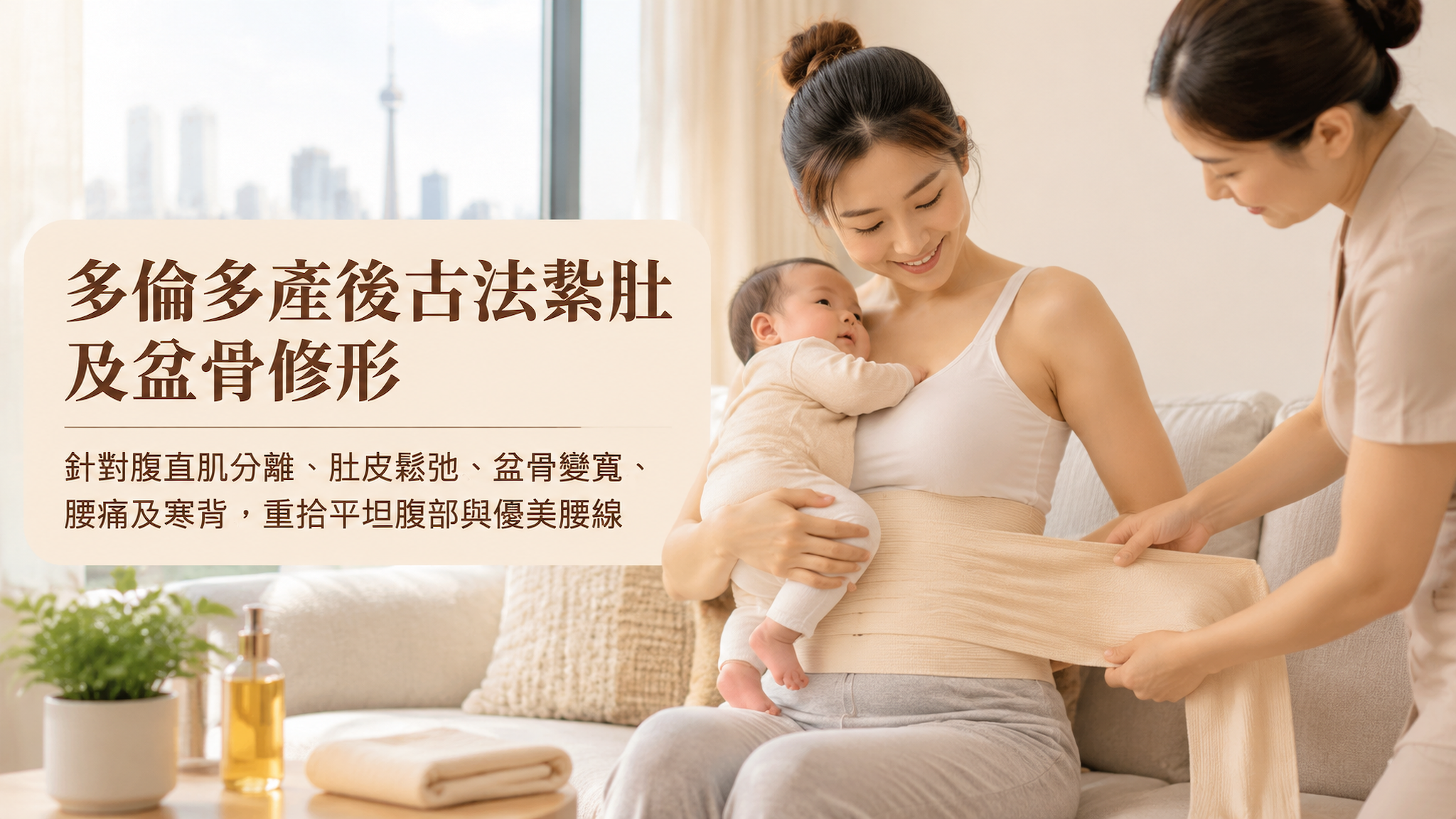
Around the second week, if your condition has stabilized, a therapist will assess whether to schedule your first in-home treatment, such as acupuncture or lactation massage.Moonybebe’s treatments are provided by Registered Massage Therapists (RMTs) and internationally certified acupuncturists. The in-home service allows mothers to stay at home with their newborns. The postpartum belly binding is based on traditional Bengkung techniques and combines them with modern body-shaping methods, making it ideal for those seeking a balance between tradition and modernity.
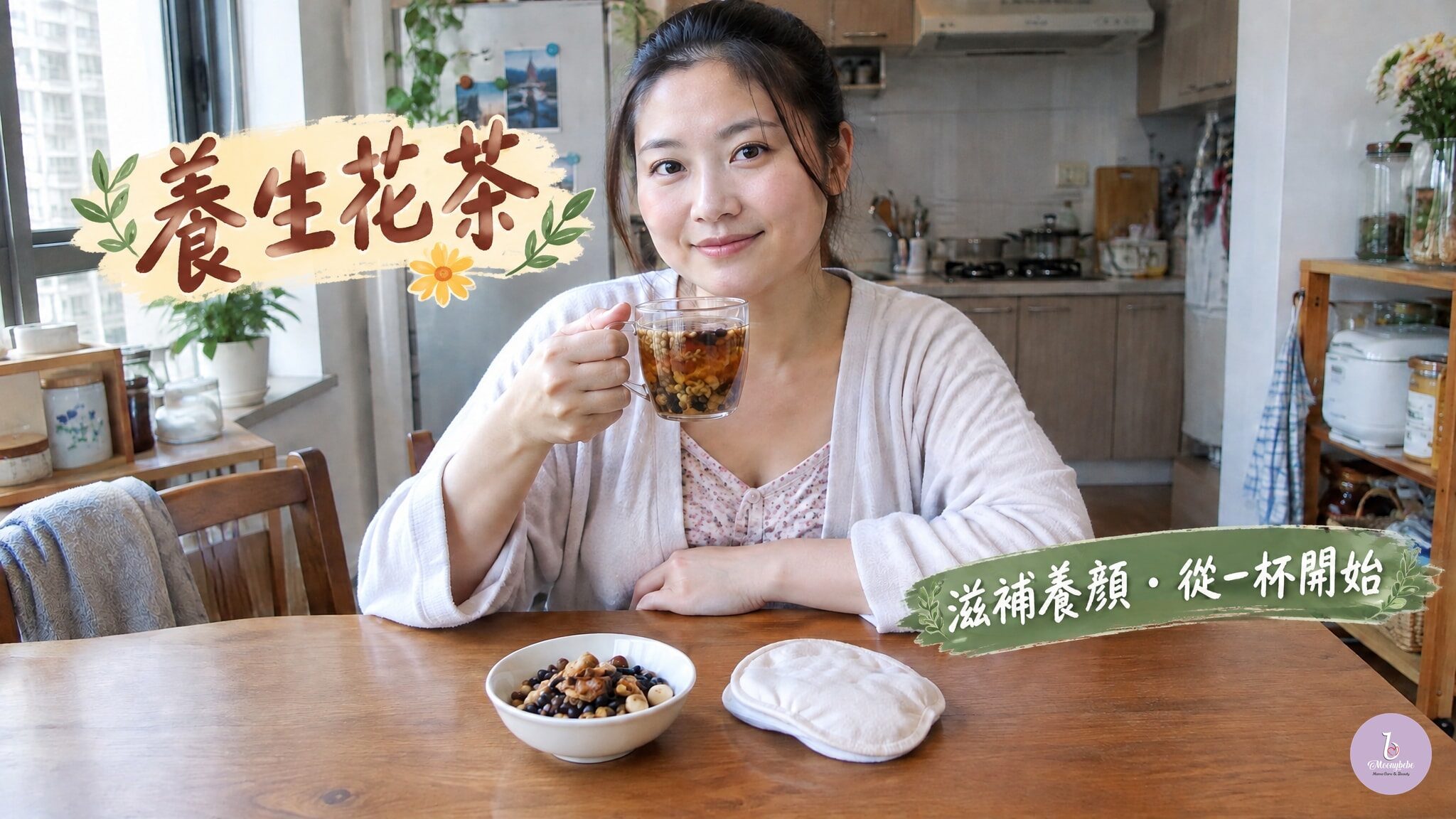
During the third and fourth weeks, the amount of time spent out of bed gradually increases, and the frequency of postpartum care is adjusted based on the therapist’s assessment.Postpartum herbal teas and soup packets should be incorporated into a fixed schedule based on personal habits—for example, a cup of roasted rice tea in the morning and soup packets with lunch and dinner, either prepared by her husband or purchased ready-made. For the timing and frequency of consumption, refer to the guidelines for the blood-nourishing roasted rice tea.Schedule home visits for the evenings or weekends when the husband is home, so that someone can look after the baby while the therapist is treating her, allowing her to rest comfortably.
If you’re having a C-section, take a more conservative approach and follow your doctor’s instructions exactly. This plan is not a substitute for a doctor’s examination and is not suitable for everyone to follow exactly as written.
There’s a reason behind every arrangement, so you can break it down and adjust it based on your own recovery progress.
When There Are No Elders Around: How Should Family Members and Partners Divide Responsibilities During the Postpartum Confinement Period?
The most common challenge of postpartum recovery abroad is that there’s no one available to take over caring for the baby at any time, so it’s important to clearly define your roles in advance.After your partner gets home from work, they should take over the first half of the night—handling feedings, soothing the baby, and changing diapers—so you can get a solid stretch of sleep. Grocery shopping and meal prep can be handled by your partner or a friend all at once on the weekend, so on weekdays, you’ll just need to reheat the meals.
You don’t have to make small talk when friends come to visit; bringing a pot of soup or helping take out the trash is a practical way to show your support. For an overview of the arrangements, check out the guide to in-home postpartum care in Toronto.
Traditional Postpartum Confinement Taboos vs. Modern Practices: How to Strike a Balance
Traditional taboos don’t have to be accepted wholesale or discarded entirely; first, consider what they were originally intended to protect. Staying warm, avoiding excessive exertion too early, and not lifting heavy objects—these practices still serve a purpose in care and are worth preserving.
However, modern recommendations generally advise against avoiding shampooing altogether or staying in bed for long periods simply because of the cold: provided the room is kept warm, drying your hair and getting up to walk around moderately can actually make you feel more comfortable.
As for abdominal binding, herbal teas, and soup dumplings, these are traditional practices used to support postpartum recovery; they do not guarantee an increase in milk supply, nor are they a form of treatment. If you’re unsure which restrictions apply to you, consult your therapist first.
If you’d like to tailor this plan to your body and the people available at home, please schedule a free consultation, and a specialist will work with you to create a home-based schedule based on your recovery progress.
#PostpartumRecoveryinToronto #PostpartumRecoveryAbroad #PostpartumRecoveryatHome #PostpartumCare