
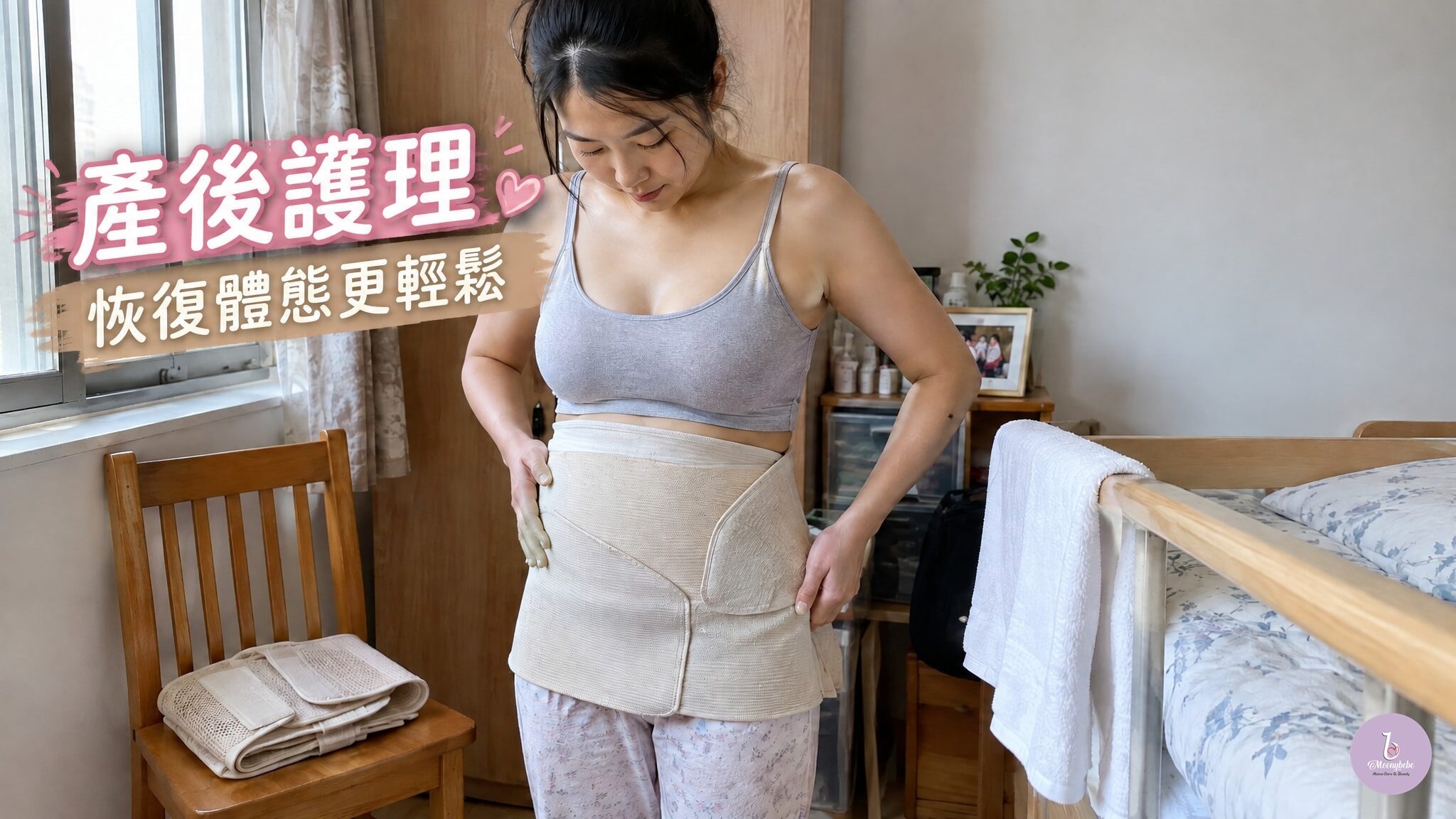
When to start wearing a postpartum belly band is one of the most frequently asked questions during the postpartum recovery period. Older generations may say to start right after giving birth, while online articles suggest waiting a while—leaving new moms caught in the middle, unsure of what to do. From a therapist’s clinical perspective, the starting point for postpartum abdominal binding isn’t determined by the number of days on the calendar, but rather by the method of delivery, the condition of the incision and abdominal muscles, and whether medical professionals have confirmed that it’s safe to begin. When to Start Postpartum Belly Binding: Key Considerations Differ Between Vaginal and Cesarean Deliveries Opinions vary widely: some advocate for immediate use after a cesarean section, while others recommend waiting for a while. Both views are overly simplistic; the key factors are whether your doctor approves and the condition of your incision. In traditional postpartum confinement customs, abdominal binding is often regarded as a routine practice, but the timing and intensity vary from family to family. Let’s consider a typical scenario: A first-time mother who gave birth vaginally has just returned home. Although she is still experiencing heavy lochia, she wants to start wearing a postpartum girdle before her first outing, as she feels more at ease that way. A therapist wouldn’t give her a specific number of days, because everyone’s uterus heals at a different rate—even among women who’ve had vaginal births, the pace of recovery varies. There are three criteria for making this judgment: whether the uterus is gradually recovering, whether lochia has noticeably decreased, and whether the perineal incision (if any) and the lower abdomen feel stable. If lochia is still heavy, it means the body is still expelling waste and healing; there’s no need to rush into wearing a postpartum girdle at this stage. In the early stages of recovery, comfortable support is far more important than shaping the waistline. The reason lies in intra-abdominal pressure. The appropriate fit for a postpartum girdle is one that allows you to breathe normally, bend over, and move freely without causing pain from constriction. In the early stages of recovery, a tighter fit does not necessarily mean it is more effective. If the girdle is tied too tightly, intra-abdominal pressure will rise, and this pressure may be transmitted downward to the pelvic floor—which is still healing—placing an additional burden on an area that already needs rest. If you want to incorporate the girdle into your overall recovery routine, refer to the timeline for various aspects of postpartum physical recovery—don’t base your decision on a single point in time. Professional assessments follow a set sequence. First, a doctor or midwife during a postpartum follow-up visit confirms the body’s basic recovery status; second, a Registered Massage Therapist (RMT) assesses the support needs of the abdominal midline and pelvis, and demonstrates the correct positioning and tightness. For vaginal births, light support is typically introduced only after the body has initially stabilized and a healthcare professional has given approval. If the same mother switches to a cesarean section, the incision becomes the top priority. Pain, redness, swelling, and discharge must be monitored first; the abdominal binder must avoid the incision site, and use may not begin until the doctor gives explicit approval. Therefore, for vaginal births, the timing of postpartum binding depends on how the uterus, lochia, and pelvis feel, while for cesarean sections, it depends first on whether the incision is stable and whether the doctor has given the go-ahead. This isn’t about making you wait—it’s about letting your body get ready first. Once the initial postpartum period has passed and both your body’s signals and professional approval are in place, it’s not too late to start. How to Tie a Postpartum Belly Binder: Correct Principles and Precautions There are several principles for tying the binder; you don’t need to memorize specific steps. The core of the correct method is to focus support on the lower abdomen and pelvic area, with the lower edge resting near the hip bones—not tightening upward around the waist or chest. The principles apply equally to fabric and Velcro styles: adjust the tightness so you can breathe normally, bend over, and move freely without feeling any pain from constriction. To compare the design differences between traditional and modern styles, check out the differences between the traditional Bengkung abdominal binder and shapewear. It is not recommended to wear it all day. Please remove it before sleeping at night, during prolonged bed rest, or before using the restroom, and re-fasten it afterward to allow the abdomen and pelvis time to relax. The garment simply needs to be breathable and adjustable so that the tightness can be modified as your body changes. There are two additional points to note regarding abdominal binders. They provide supplementary support and cannot replace exercise or pelvic floor exercises; they are also not suitable for those seeking immediate waist-slimming results. If you’re hoping a binder will solve all your postpartum recovery issues at once, you’ll need to adjust your expectations. A more comprehensive explanation of the benefits and limitations of postpartum pelvic belts is available. If you’d like to know how to use it at home, check out our comprehensive guide on how to safely wear a postpartum belly band at home. When Should You Stop? When to Seek Professional Help: During the use of a postpartum belly wrap, if any of the following conditions occur, please stop using it immediately and contact a healthcare professional: redness, swelling, or oozing from the incision; increased pain; a sudden increase in lochia; or an unusual odor; fever; urinary leakage when coughing or straining; a sensation of heaviness in the lower abdomen; dizziness or difficulty breathing after applying the wrap. Issues related to the wound or pelvic floor should be addressed by a doctor, midwife, or physical therapist. Different professionals have different scopes of practice; the postpartum recovery options in Traditional Chinese Medicine (TCM) and Western medicine can help you determine who to consult. Please consult a healthcare professional before beginning. If you simply want to confirm the placement and tightness of your postpartum girdle, Moonybebe’s postpartum girdle treatment is provided by Registered Massage Therapists (RMTs) and internationally certified acupuncturists, combining traditional…

Cart: 0 - $0
No products in the cart.


- Home
- About us
- Moonybebe Service
- Services Details
- Prenatal and Postnatal Care
- Postnatal Natural Belly Binding Treatment
- MaMa’s Sculpt and Glow Pro
- Pelvic Bone Treatment
- Health and Muscle Building Body Sculpting Treatment
- Pregnancy Massage(RMT optional)
- Painless Lactation / Lactation Massage Treatment(RMT optional)
- Postpartum Acupuncture Treatment
- Postpartum Acupoint Drainage Therapy
- Postpartum Stretch Marks & Scar Repair
- Postpartum Hand Therapy
- Infant and Toddler Massage
- Uterus-warming Massage Therapy
- Bust Lift Care Beauty Treatment
- Targeted Care Treatments by Chinese Medicine Practitioners
- Body Care and Fitness
- Postpartum Stretch Marks & Scar Repair
- Health and Muscle Building Body Sculpting Treatment
- Comprehensive Pain Relief Treatment
- Uterus-warming Massage Therapy
- Bust Lift Care Beauty Treatment
- Ice-free and Painless Hair Removal Treatment
- Lymphatic Drainage Massage
- Full-Body Massage for Moms & Dads
- Postpartum Acupuncture Treatment
- Targeted Care Treatments by Chinese Medicine Practitioners
- Beauty Care
- Postpartum Confinement Meal Plan Delivery Service
- Postpartum Care Store
- Testimonies
- Blog
- Client Manager
- Contact us
 English