👉 Your body cannot simply reset at the push of a button after childbirth—it needs time to recover.
“Your baby was born months ago. Why haven’t you lost the weight yet?”
It may sound like a harmless question, but to a postpartum mother, it can feel like a needle quietly piercing her heart. She may smile and reply, “I’ve just been too busy to lose weight.” In reality, she may have slept only two or three hours the night before. Her back may still ache, while feeding, changing diapers, and soothing her baby have drained all her energy. Even having a proper meal or taking an uninterrupted shower may feel like a rare luxury.
We often expect mothers to quickly “get back to normal” after childbirth: lose the weight, flatten their stomachs, fit into their old clothes, and regain the same energy they had before pregnancy. However, the physical changes caused by pregnancy and childbirth cannot simply be reset at the push of a button. Postpartum recovery is not a race or a weight-loss challenge—it is a healing journey that requires patience, understanding, and professional support.
A Postpartum Belly Is Not Necessarily Just Fat
When many mothers notice that their abdomen still protrudes after childbirth, their first thought is often: “Am I eating too much?” or “Am I not trying hard enough?” In fact, postpartum abdominal changes can be caused by several factors, including weakened core muscles, diastasis recti, changes in pelvic support, postural and balance changes, and the stretching of the skin and fascia during pregnancy.
As the uterus expands throughout pregnancy, the abdominal muscles and surrounding tissues must adapt to make room for the growing baby. These changes cannot completely reverse within a short period after delivery. Even after losing weight, the abdomen may continue to protrude because of reduced core support, an anterior pelvic tilt, or uneven weight distribution.
Not “bouncing back” quickly does not mean that a mother is lazy or lacks discipline. Sometimes, what the body needs is not stricter dieting or more intense exercise, but a proper understanding of the underlying issues and a recovery plan suited to the individual.
Every Mother Recovers at a Different Pace
Recovery after vaginal delivery is different from recovery after a C-section. Breastfeeding, sleep quality, wound healing, the number of pregnancies, age, and the daily pressure of caring for a baby can all influence how quickly the body recovers.
Some mothers feel well again after a few months, while others may continue to experience back pain, fatigue, or abdominal looseness a year later. This does not mean that one mother has done better than another. Every body follows its own timeline.
Instead of constantly comparing before-and-after photos or measuring yourself against mothers on social media, try asking: “Has my pain improved?” “Do I feel steadier when I walk?” or “Are my sleep and energy levels getting better?”
Meaningful progress is not defined only by a number on the scale. Physical comfort, mobility, and overall health matter just as much.
Do Not Rush Into Strict Dieting or Intense Exercise
During the early postpartum period, the body is still healing, and the mother may also be breastfeeding. Extreme dieting or returning to high-intensity exercise too soon can cause greater fatigue and place unnecessary strain on the core, pelvic floor, or healing wounds.
Before resuming exercise, make sure that postpartum bleeding, wounds, and overall health have been properly assessed. If you experience noticeable abdominal bulging, urinary leakage, pelvic pain, persistent back pain, or discomfort around a surgical wound, consult a doctor or another qualified healthcare professional first.
Beginning with walking, breathing exercises, gentle stretching, and basic core activation is generally more appropriate than immediately pursuing intense fat-burning workouts.
There is also no need to treat carbohydrates or fats as the enemy. A balanced diet that includes protein, vegetables, adequate hydration, and suitable portions of carbohydrates provides the energy needed for wound healing, baby care, and everyday activities.
Postpartum Care Should Be About Recovery, Not Punishment
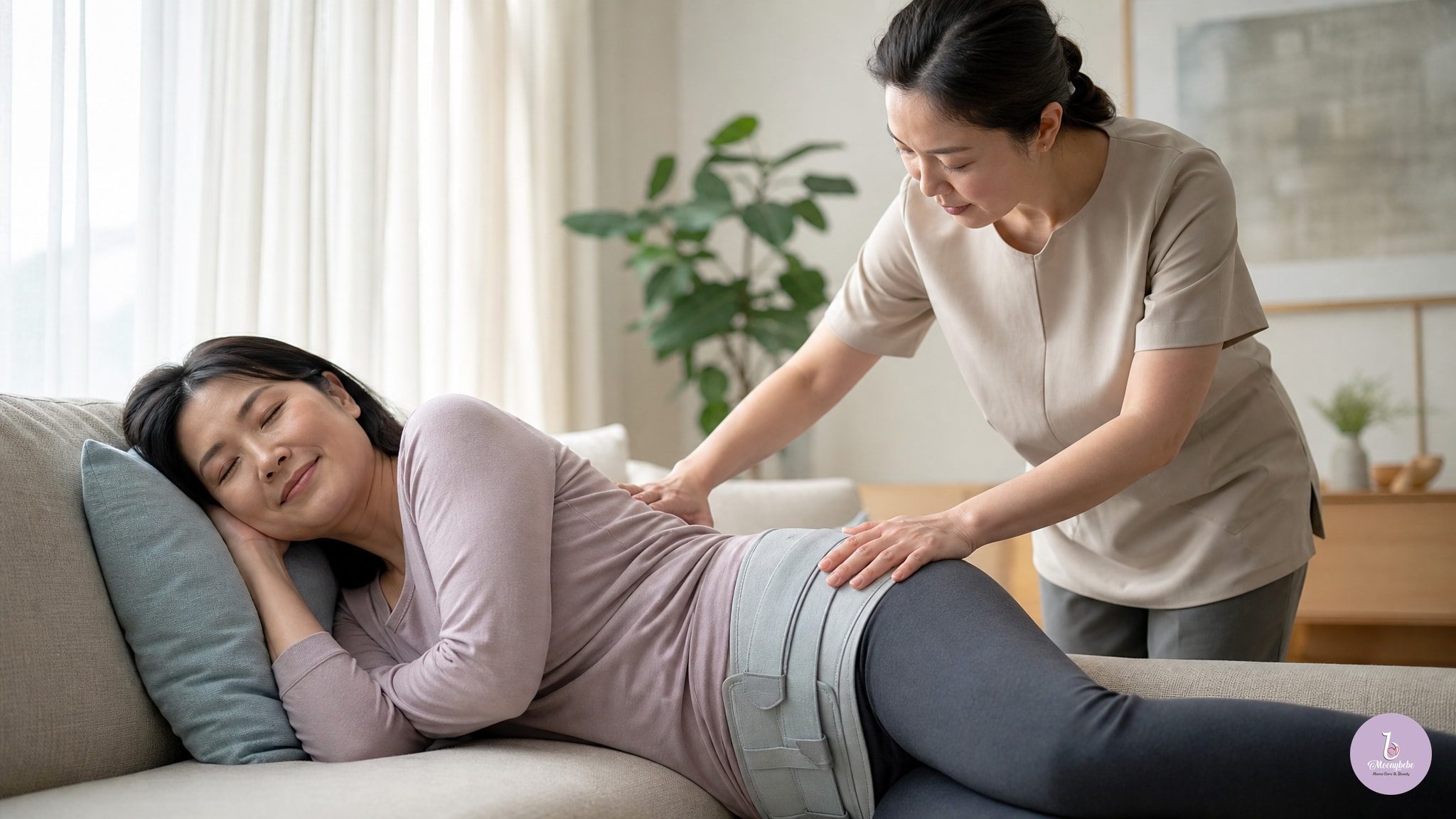
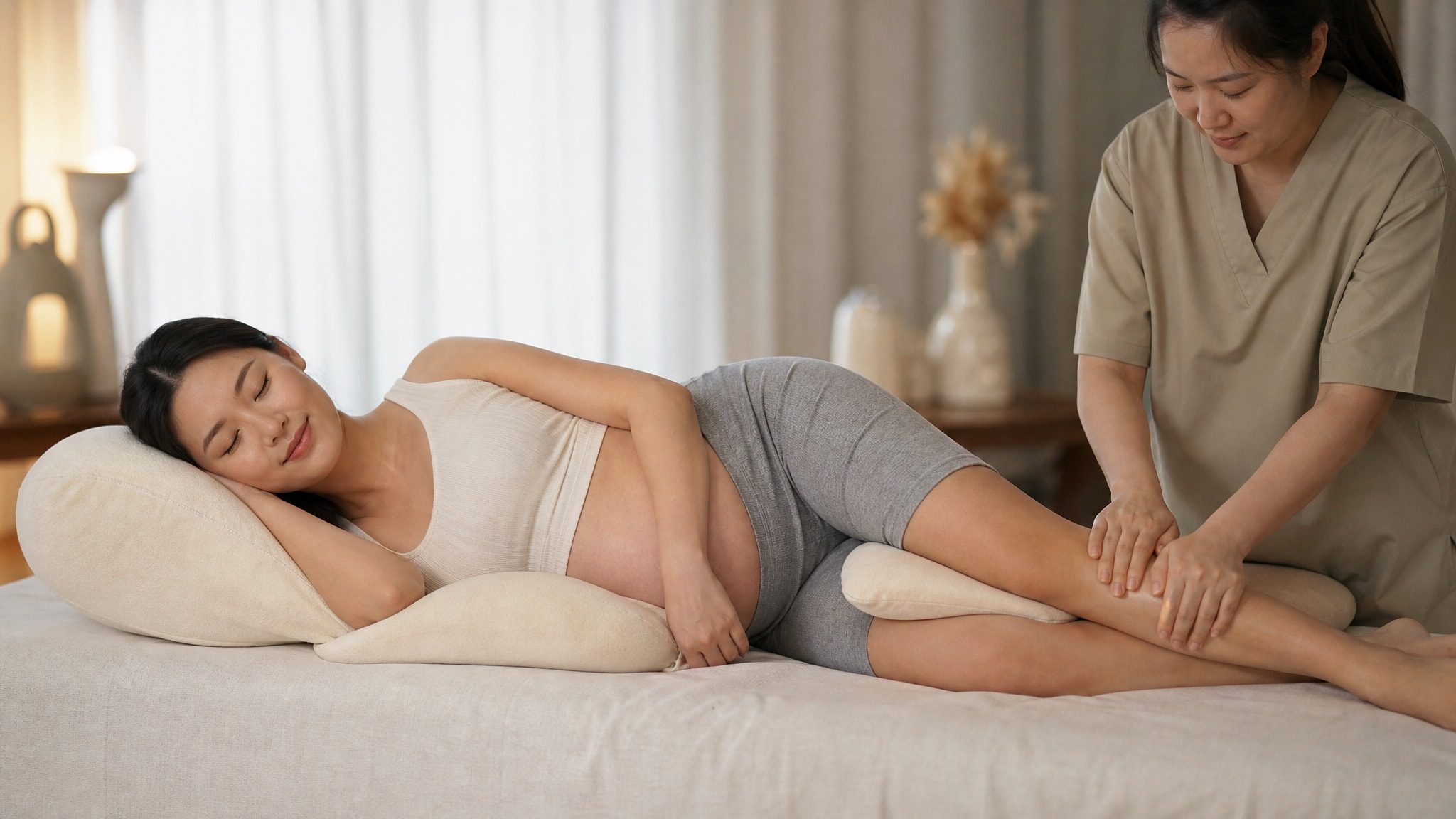
According to information on Moonybebe’s website, the Toronto-based brand offers in-store and in-home pregnancy and postpartum care services. These include traditional natural belly binding, pelvic recovery, prenatal massage, lactation massage, and postpartum body care. Its team also includes registered massage therapists and professional acupuncturists.
Traditional natural belly binding combines massage and wrapping techniques, with a focus on abdominal support, the waistline, and postpartum comfort. The appropriate method and starting time should be individually assessed according to factors such as the type of delivery, postpartum bleeding, and wound healing.
No treatment should be presented as a magical way to become instantly slimmer. Postpartum services are also not a substitute for medical assessment, balanced nutrition, sufficient rest, or gradual exercise.
The value of professional postpartum care lies in understanding each mother’s current needs and providing appropriate support—not in using body-image anxiety to pressure her into purchasing treatments. Results and recovery timelines will vary depending on each person’s body and skin condition.
Mothers Need Support, Not Criticism
The next time you feel tempted to ask a mother, “Why haven’t you lost the baby weight yet?” consider saying this instead:
“Have you been sleeping well lately?”
“Is your back still uncomfortable?”
“Is there anything I can help you with?”
“You’re already doing a wonderful job.”
What truly helps a mother recover—alongside professional care—is shared responsibility from her partner and family, adequate rest, and an environment that does not measure her worth by her appearance.
A mother’s body has nurtured and brought a new life into the world. It deserves gratitude, not pressure.
There is no universal deadline for postpartum recovery, and there is no single body shape that defines success. Do not rush to become your “old self” again, because the person you are now is not less worthy.
Give your body time and your emotions space. With safe, professional support, you can gradually rebuild your strength, comfort, and confidence. That is the true meaning of postpartum recovery.
PostpartumRecovery #PostpartumWeightLoss #PostpartumBelly #NewMoms #DiastasisRecti #PelvicRecovery #TraditionalBellyBinding #PostpartumCare #PostpartumExercise #BreastfeedingMoms #MaternalHealth #TorontoPostpartumCare #TorontoMoms #Moonybebe