


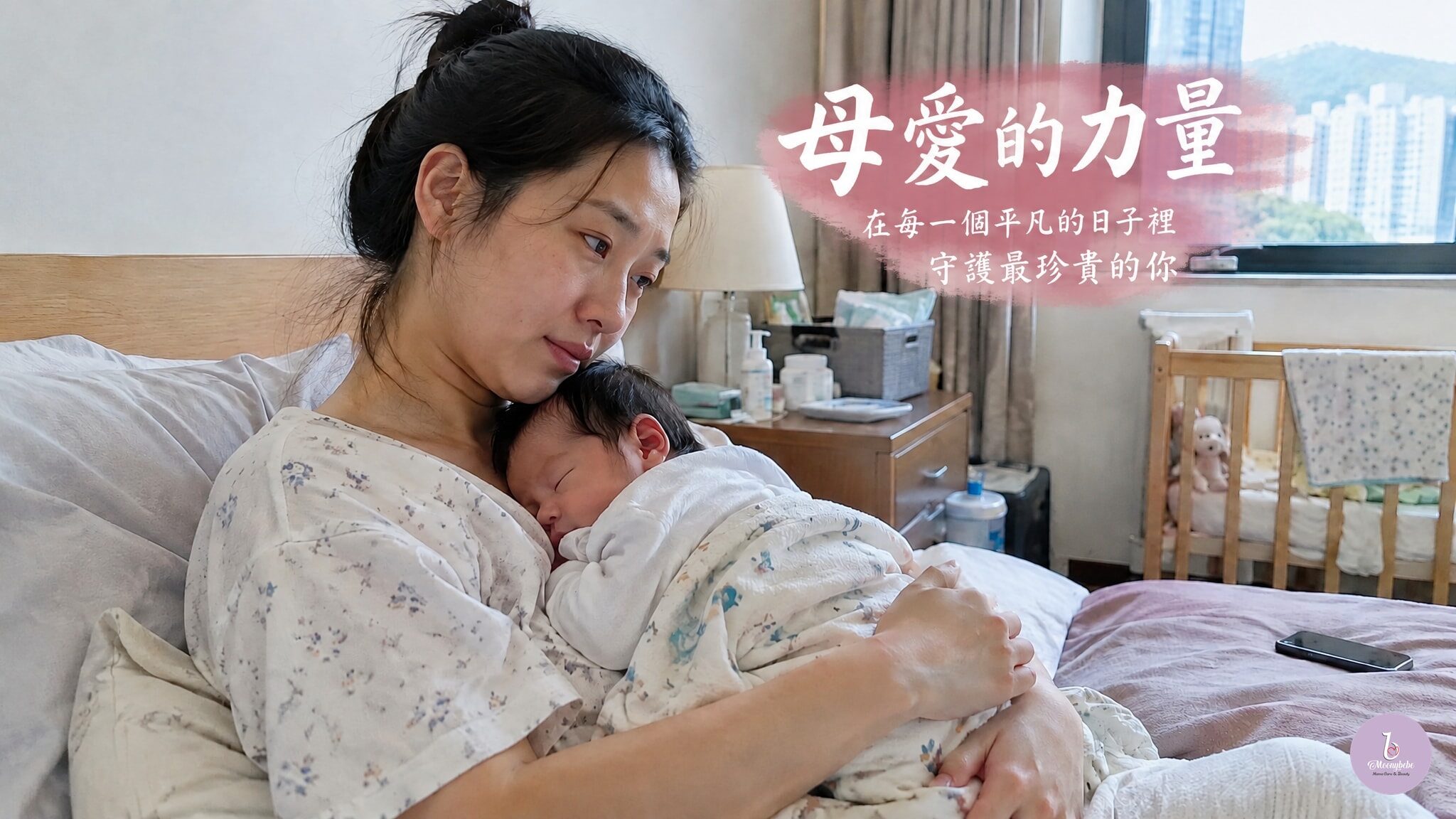
“We went through the same thing back then.” This phrase is usually said out of concern, but it often makes a new mom swallow her “I’m so tired” before she can say it. From the perspective of a licensed massage therapist and acupuncturist, this article explains what’s actually happening to a woman’s body and emotions after childbirth and offers a few phrases you can say directly to your family. There’s a reason you’re tired. Why is giving birth so exhausting? Just because “everyone goes through this” doesn’t mean it’s not hard. Let’s start with a hypothetical scenario—it’s not a real case, but it represents a very common day in a postpartum household. A new mother is in Confinement at home after giving birth. In the first few weeks postpartum, she has to get up several times a night to breastfeed, and her sleep is broken into short, fragmented stretches. When she holds the baby or stands up from the bed, she feels a sharp ache in her lower back and pelvis. Her milk supply hasn’t stabilized yet, and her breasts feel swollen and hard. During the day, she often forgets things and experiences sudden mood swings. Her mother-in-law remarks, “We went through the same thing back in our day.” Hearing this, she finds it even harder to admit just how exhausted she really is. “Everyone goes through this” implies that this experience is very common. It does not mean that every mother experiences the same level of discomfort or recovers at the same pace, nor does it mean that postpartum discomfort does not exist or does not need to be addressed. If we break down this mother’s day, every symptom has a physiological cause. During pregnancy, hormones cause the pelvis and surrounding ligaments to loosen, preparing the body for childbirth. After giving birth, these structures do not snap back into place overnight, so the instability of the pelvis as it recovers is particularly noticeable when walking, standing up, or turning over in bed. The abdomen is also adjusting. As the uterus enlarges, the rectus abdominis muscles may separate along the midline, reducing abdominal support after childbirth and forcing the lower back to compensate. Then there’s breastfeeding and holding the baby. Throughout the day, you’re looking down to feed, bending over to change diapers, and repeatedly standing up while holding your baby—all of these movements place additional strain on your already overworked lower back, which is how postpartum lower back pain builds up. Blocked milk ducts are another source of pain. While milk supply is still adjusting, breasts tend to become engorged and hard, and this soreness and swelling can make it even harder to get proper rest. Lack of sleep, in turn, increases sensitivity to pain and makes you more prone to fatigue. As a result, issues with the breasts, lower back, and sleep often occur simultaneously and exacerbate one another. From a clinical perspective, an assessment should take a holistic view rather than focusing on just one area. Finally, there are emotional factors. With dramatic postpartum hormonal fluctuations combined with fragmented sleep, it’s no surprise that concentration wanes and tears come easily. These challenges have a physiological basis; they aren’t due to a lack of willpower or a fragile personality. If you’d like to know how these discomforts typically improve step by step, you can refer to the recovery rhythms of various parts of the body after childbirth. For the pelvis and lower back, you can explore how professional therapists view the postpartum pelvic girdle to understand the role and limitations of support devices. When experiencing breast tenderness, understanding the difference between lactation massage and a lactation consultant can help you determine which type of assistance to seek. Low Mood vs. Postpartum Depression: How to Tell the Difference and When to Seek Help. Postpartum low mood usually appears briefly in the early postpartum period and may manifest as unexplained crying, irritability, or feelings of inadequacy; it typically subsides gradually with rest and support. Postpartum depression, however, lasts longer and affects your ability to care for yourself, your baby, and manage daily life. If you find that your low mood persists, you’ve lost interest in things you usually enjoy, or you feel unable to care for yourself or your baby, please don’t try to tough it out. If you have thoughts of harming yourself or your baby, contact a doctor or seek professional help immediately. There are also several physical warning signs that require immediate attention: fever, red, swollen, and severely painful breasts, heavy bleeding, swelling and pain in one calf, or chest tightness and difficulty breathing. If you experience any of these, seek medical attention immediately. Massage, acupuncture, and abdominal binding cannot replace a medical evaluation—this is a boundary that must be upheld in any postpartum care. How to Communicate Your Need for Rest to Family Members When older family members say, “It was the same for us back then,” they’re usually not dismissing you. They’re trying to comfort you with their own experiences, but “we got through it” doesn’t mean “we didn’t need help back then”—and this is something many family members don’t realize. So when you feel your family doesn’t understand, rather than waiting for them to figure it out, it’s better to voice your needs directly. Starting with “I need” makes it easier for them to listen than saying “None of you understand.” You can try these phrases: “I know everyone got through it this way, but I’m really exhausted right now. Could you please watch the baby for me tonight so I can get a good night’s sleep?” “I need someone to help with cooking and laundry these next few days so I can lie down when I’m not breastfeeding.” “I need to go for a follow-up appointment and would like you to come with me.” What these phrases have in common is that they first acknowledge the other person’s experience and then ask for a specific, achievable task. Family members often want to help but don’t know where to start, so asking them to take on specific tasks is more effective than simply saying, “Help me out a little more.” The three most practical ways to help are: taking over soothing and putting the baby to sleep after one nighttime feeding, sharing the burden of cooking and housework, and accompanying her to doctor’s appointments or follow-up visits. If you’re a family member and hear a new mom say she’s tired, don’t rush to compare by saying, “It was harder for me back then.” Just ask her, “What do you need me to do right now?” That’s enough. Only when you turn “I’ll help you” into a specific time and task will the new mom truly be able to get some sleep. The Importance of the Postpartum Confinement Period: Balancing Traditional Wisdom and Modern Care The core of the postpartum confinement period is to set aside a period of recovery—both physical and emotional—during which the mother is cared for. This is precisely why it’s so important: it ensures that after giving birth, you don’t have to struggle to take care of yourself while also caring for your newborn all on your own.…
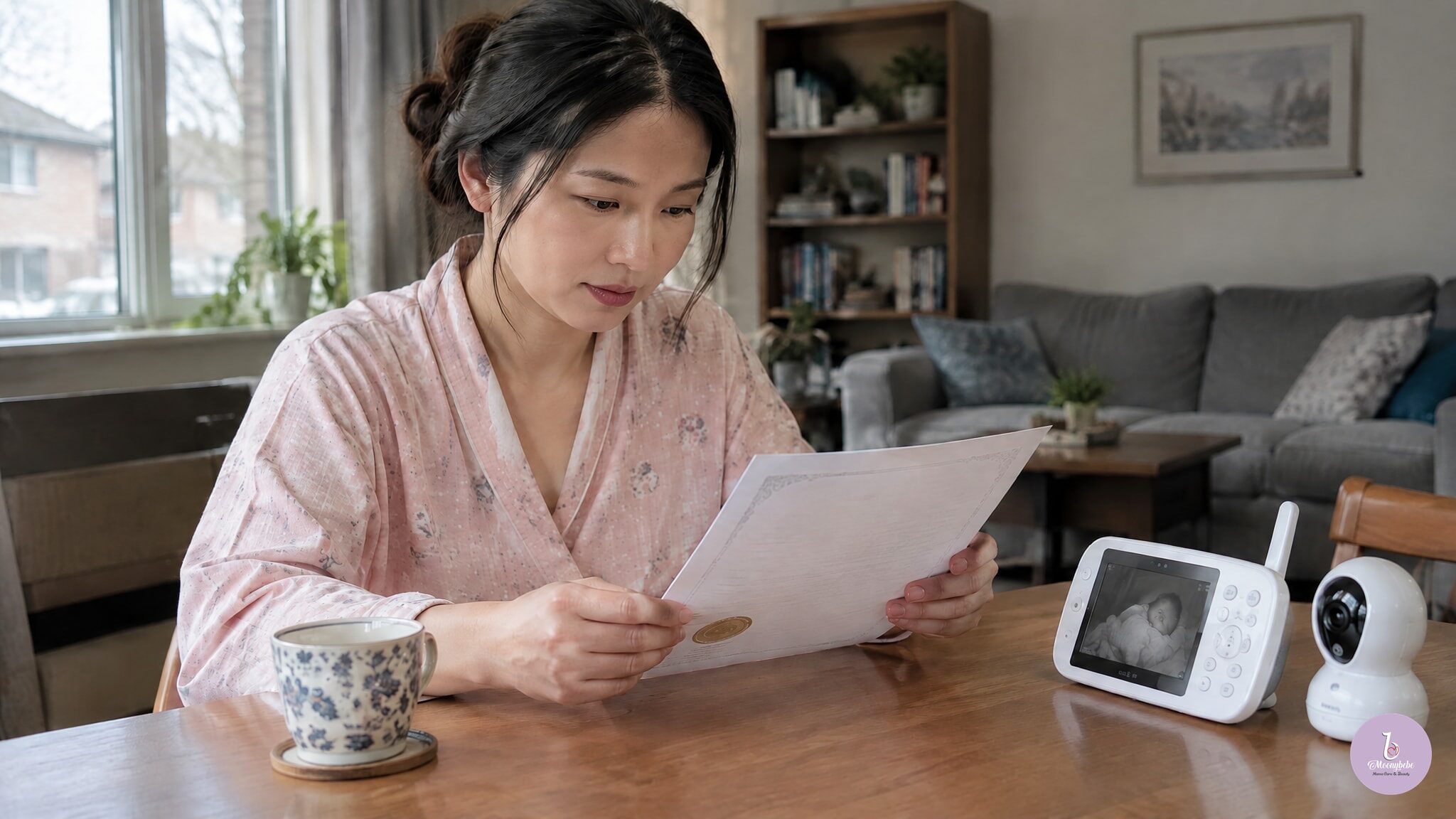
How to Choose a Postpartum Care Center? 5 Essential Tips for New Moms
Welcoming a new life is a joyful moment, but for new mothers in Toronto, Markham, or Richmond Hill, planning for the postpartum recovery period is often accompanied by anxiety and uncertainty. With so many options on the market, many families discover when researching that existing review articles mostly compare the physical facilities of brick-and-mortar postpartum care centers, yet rarely discuss how to comprehensively evaluate in-home services, professional certifications, and the scope of services. This makes it difficult for mothers to find comprehensive information that aligns with their lifestyle and recovery needs when considering how to choose a postpartum care provider. The right choice for postpartum care should not be limited to a matter of location; it also involves verifying professional credentials and developing a personalized recovery plan. How to Choose a Postpartum Care Provider: A Comprehensive Assessment from Legal Certification to Service Models The first step in comparing postpartum care providers is to clarify the legal definitions and the fundamental differences in service models, as these directly impact the baseline standards for maternal and infant safety and the quality of care. According to the Taichung City Government’s Department of Health, “postpartum care homes” established with approval from the competent health authority are the legally designated term; while “postpartum care centers” or “postpartum care facilities”—commonly found in the market—may not use this name unless approved. Taking Taichung City as an example, the Health Bureau conducts annual supervisory evaluations of the 34 registered postpartum care homes to safeguard consumer rights and ensure care quality. This regulation highlights a crucial fact: only facilities that have passed rigorous reviews and are subject to ongoing oversight can provide postpartum care services backed by medical support—rather than merely serving as general commercial establishments offering accommodation and meals. For Chinese mothers living overseas in the Toronto area, although the local regulatory system differs, this logic of “legitimacy” and “regulatory standards” remains the core criterion for selecting high-quality services. Decision-Making Analysis: In-Home Postpartum Care vs. Brick-and-Mortar Facilities When we shift our focus back to real-life scenarios in the Toronto area, the complexity of the decision-making process becomes apparent. Consider a new mother living in Markham who already has an older child at home to care for; she faces a dilemma when evaluating her postpartum care options. If she chooses to stay at a brick-and-mortar facility, the biggest advantage is the 24-hour baby monitoring system and immediate support from professional caregivers. As is commonly advised when selecting a postpartum care center, asking in advance whether the facility has a baby monitoring system—allowing the mother to see her baby around the clock—not only puts parents’ minds at ease but also meets certain safety monitoring standards. This round-the-clock care and monitoring system serves as an irreplaceable safety net for mothers who lack parenting experience or are severely physically drained after childbirth. However, for families hoping to address the emotional needs of their older child, avoid the risk of cross-infection with the newborn, or simply wish to recuperate in a familiar environment, in-home postpartum care services offer a uniquely suitable option. This model allows new mothers to spend their Confinement period in the comfort of their own homes while receiving professional in-home support. However, there is a risk here that must be addressed: once removed from the real-time oversight of an institutional system, verifying the qualifications of service providers becomes even more critical—and more challenging. When choosing in-home services, one cannot rely solely on word-of-mouth or a referral; it is essential to strictly verify that service providers hold internationally recognized professional certifications, such as Registered Massage Therapist (RMT) or Registered Acupuncturist. Without the immediate supervision of a nursing station in a home setting, the independent professional judgment and professional ethics of each in-home service provider are the only line of defense for the safety of the mother and baby. If you are unsure about the screening criteria in this area, “How to Choose a Certified Professional Team” can help you create a specific verification checklist to ensure that the team you select has a substantive medical or therapeutic background—not just a short-term postpartum care training certificate. Timing your booking is also a crucial aspect of the evaluation process that should not be overlooked. Industry experts recommend that mothers begin searching for a suitable postpartum care center as soon as they learn they are pregnant. Around 12 weeks of pregnancy—when you receive the baby’s ultrasound image, pick up your prenatal health handbook, or learn your due date—you should make a reservation to avoid missing your preferred time slot. In other words, even during the early stages of pregnancy, as you’re still adjusting to the changes, you should simultaneously begin the process of securing postpartum care resources. In areas like Toronto, where high-quality Chinese-language postpartum care services are relatively scarce, planning ahead is essential to ensuring you can select a service that meets certification standards and fits your schedule. Postpartum Care Comparison: Planning Your Stay Duration and Reviewing Professional Care Services Once you’ve established the service model and verified its legitimacy, the next step in comparing postpartum care options involves a thorough review of both quantitative metrics and qualitative content. Many first-time mothers, when evaluating options, are easily drawn to luxurious decor or exquisite meals, yet overlook the physiological recovery timeline and the depth of professional intervention required for postpartum recovery. It is recommended that postpartum care last at least 14 days so that the baby has sufficient time to receive care from professional caregivers, and the mother can rest, recuperate, and learn about postpartum health education; if the budget allows, options such as 21 days, 28 days, or even 40 days can be chosen to ensure the most thorough postpartum rest. This timeframe is not arbitrary but is based on the biological timeline required for uterine involution, wound healing, and the establishment of lactation. A stay shorter than 14 days often provides only superficial relief for the body; it is insufficient for deep tissue repair and the internalization of newborn care skills, making it easier to experience secondary issues such as physical and mental breakdowns or breastfeeding difficulties after returning home. Beyond the duration of the stay, the quality of professional care is what truly distinguishes high-quality postpartum care from ordinary lodging services. When evaluating a facility, focus should shift from physical facilities to professional expertise to confirm whether the institution or service team has a comprehensive medical staff. This includes whether there are regular rounds by obstetricians or pediatricians, whether certified lactation consultants are on staff, and whether nursing personnel hold valid professional licenses. These professional roles exist to address potential postpartum medical emergencies, breastfeeding difficulties, or newborn health abnormalities—not merely to provide routine daily care. Particularly when it comes to breastfeeding support, many mothers fail to distinguish between lactation massage and medical-grade breastfeeding guidance, mistakenly believing that simply having someone help with a massage will resolve all feeding issues. In fact, the difference between a lactation massage and a lactation consultant lies in the fact that the former focuses on physical unblocking and relief, while the latter involves feeding strategies, correction of latch positions, and medical assessment of milk supply; the two complement each other but serve distinctly different functions. If your postpartum care options lack this level of specialized support, even a full 28-day stay may simply prolong an ineffective recovery process. For families considering Confinement at home or a combination of in-home services, this professional checklist is equally applicable—and may even require more rigorous scrutiny. In postpartum care facilities, these professional resources are typically bundled into care packages; however, when recovering at home, you must proactively verify whether the in-home care team can provide the same level of care. Moonybebe’s guide to Toronto’s in-home Confinement care services details how to implement professional treatments—such as traditional abdominal binding, pelvic floor rehabilitation, and lactation massage—in a home setting, ensuring that mothers unable to stay at a facility can still receive evidence-based recovery support. This ability to break down facility-level expertise and adapt it for the home setting is a crucial factor in evaluating the flexibility and depth of services when comparing modern postpartum care options. The Final Step in Choosing Postpartum Care: Contract Review and Alignment with Personal Needs After completing the screening and comparison process described above, the final decision must be based on your specific needs and a thorough review of the contract details. This step is often viewed as an administrative formality, but it is actually the final line of defense for safeguarding your rights and ensuring the service meets your needs. Before signing any postpartum care contract, be sure to review each clause to confirm that the fee structure is transparent, the refund policy is reasonable, and infection control measures comply with current public health standards. Having these terms clearly spelled out in writing can effectively prevent future disputes arising from misunderstandings, sparing you the distraction of resolving conflicts during the vulnerable postpartum period. More importantly, be honest about your physical condition and specific needs, and use these as the ultimate basis for selecting the right service. Every mother’s postpartum recovery journey is unique: Mothers who have had a cesarean section may require a longer period of wound care and scar repair; mothers who have experienced a difficult delivery may urgently need pelvic realignment and pelvic floor muscle rehabilitation; and mothers experiencing breastfeeding difficulties may require frequent in-home lactation consultations and breastfeeding guidance. These highly personalized needs often cannot be fully addressed by a single, standardized institutional package. In such cases, it is particularly crucial to find a team that holds international certifications and can provide modular services. Whether you ultimately choose to stay at a facility during Confinement or recover at home, you should ensure that your postpartum care options truly address these individualized recovery processes—rather than relying solely on generic rating lists. If you find that you have the specific recovery needs mentioned above but are unsure whether existing options are sufficient to support them, consider scheduling a free consultation on postpartum recovery plans to receive a professional assessment tailored to your situation. This will transform your postpartum care selection from a blind comparison into a targeted investment in your recovery. #PostpartumCare #ConfinementInToronto #PostpartumRecovery #ChoosingAConfinementCenter #In-HomeConfinementCare #PelvicRehabilitation #Breastfeeding #NewMoms…

Postpartum Pelvic Alignment Services in Toronto: Restore Pelvic Stability and Postural Balance
The changes pregnancy and childbirth bring to a woman’s body are comprehensive and far-reaching. Toronto has a unique climate and pace of life, so postpartum mothers need targeted support to restore b

Are You Producing Enough Milk? Is Your Baby Getting Enough to Eat?
👉 Many new mothers are already anxious, and questions like these may make them doubt themselves even more. “Are you producing enough milk?”“Is your baby getting enough to eat?”“Why does your baby need

Every mother’s efforts deserve to be seen.
During the first pregnancy, because of the great changes in the body, I felt weak even when I got up. My husband was so careful and deliberately installed handrails at the bedside to facilitate daily