At Moonybebe, mothers often ask us, “My feet and ankles are still swollen after giving birth. Is this normal?” and “Why hasn’t the swelling completely gone away even after my postpartum recovery period?”
Postpartum swelling is very common, especially in the feet, ankles, calves, and hands. However, every mother recovers at a different pace, and swelling does not always disappear immediately after delivery. Some mothers gradually improve within several days or weeks, while others may experience swelling for longer due to their physical condition, activity level, and changes in circulation.
Why Does Postpartum Swelling Occur?
During pregnancy, the body produces more blood and fluids to support both the mother and baby. As the uterus grows, it may place pressure on the blood vessels in the pelvis and lower limbs, slowing the return of blood from the legs. This can make swelling in the feet and ankles more likely.
Receiving intravenous fluids during labour, having a C-section, or undergoing other medical procedures may also temporarily increase the amount of fluid in the body. After delivery, the body needs time to restore its fluid balance through urination and sweating, so swelling may not disappear immediately.
In addition, postpartum mothers generally need more rest and may be less active. Sitting for long periods while breastfeeding, holding the baby, or remaining in bed can slow circulation in the lower limbs. If the feet remain lowered for extended periods, or if the mother stays in the same position for too long, swelling may become more noticeable.
What Can You Do Gently at Home?
At Moonybebe, we first remind mothers that they do not need to excessively restrict their diet or deliberately reduce their water intake because of swelling. Drinking an appropriate amount of water helps the body maintain normal metabolism. Drinking too little may cause the body to retain more fluid.
Depending on your condition, you may try gentle activities such as walking slowly around the home, moving your ankles, stretching your calves, or doing postpartum exercises recommended by your doctor. Activity should always feel comfortable, and you should avoid increasing the intensity too quickly. If you have recently given birth, your wound is still painful, or movement causes discomfort, rest and consult a healthcare professional.
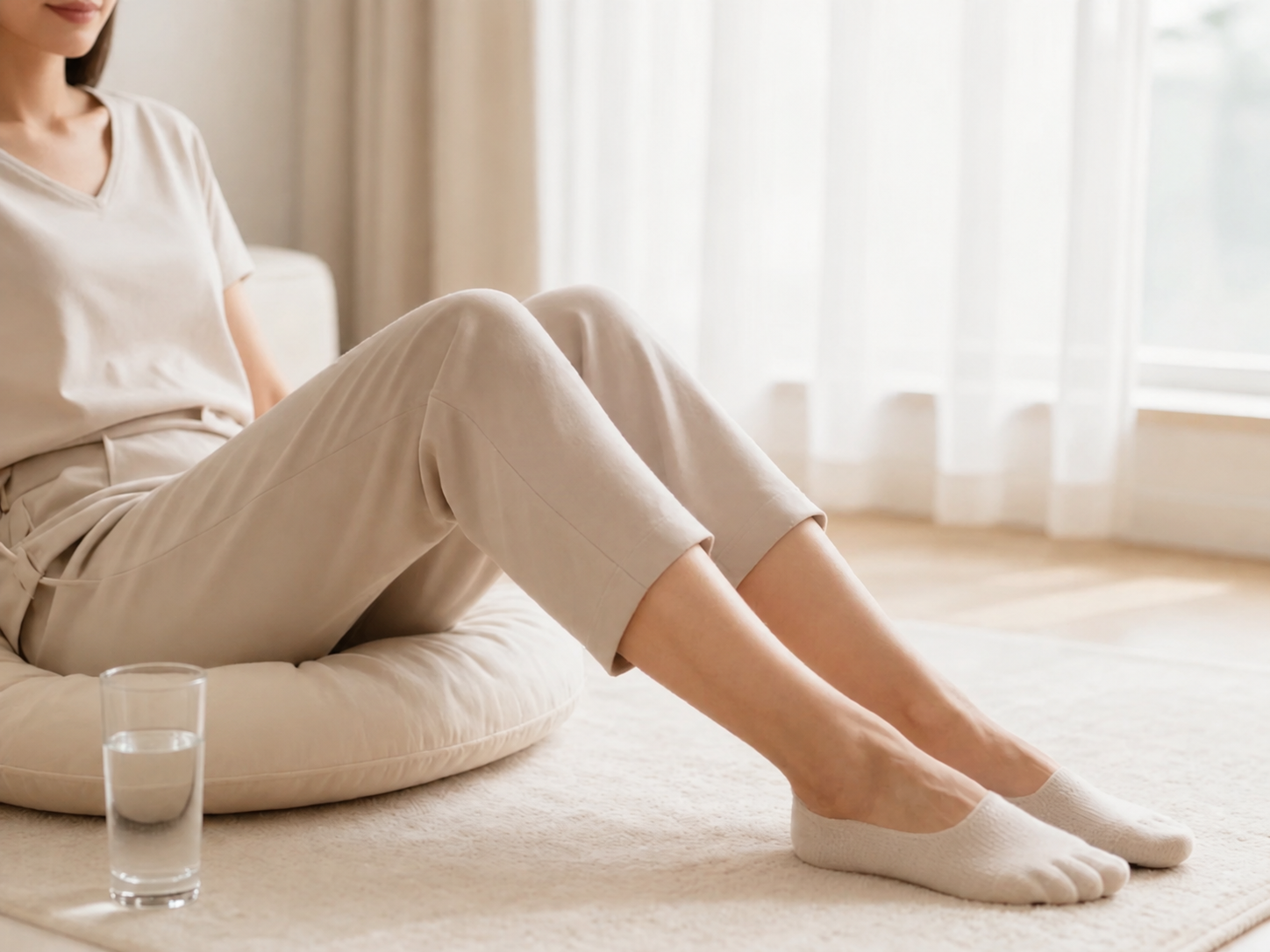
When resting, you can place a pillow under your legs to elevate them slightly, keeping your feet above the level of your heart for a period of time. While sitting to breastfeed or hold your baby, try not to let your feet hang down for too long. If you need to sit for an extended period, we recommend periodically moving your toes and ankles and standing up to walk around when it is safe and appropriate to do so.
Wearing comfortable clothing and shoes that do not place excessive pressure around the ankles may also help reduce localised compression. We do not recommend using overly tight compression socks or binding on your own to manage swelling. If you have vascular, blood-pressure, or other health concerns, seek professional advice first.
Moonybebe’s Approach to Postpartum Swelling Care
At Moonybebe, we offer acupoint-based drainage and lymphatic drainage massage. Our goal is to use gentle techniques to help postpartum mothers relax, improve comfort, and support the body’s natural circulation and fluid return. We do not describe massage as a quick way to “flush out” all excess fluid, nor do we promise that one treatment will eliminate all swelling.
Before providing care, we learn about the mother’s delivery method, time since childbirth, wound healing, location of the swelling, pain level, and overall health. We then adjust the techniques and treatment areas as needed. The massage should be gentle and comfortable. It should not cause severe pain, bruising, or significant discomfort.
However, if swelling occurs only on one side and is accompanied by significant pain, redness, or warmth, or if the swelling suddenly develops or rapidly worsens, you should not receive massage before seeking medical advice. You should also consult a doctor promptly if you experience chest pain, difficulty breathing, a severe headache, blurred vision, or abnormal blood pressure. Any concerning postpartum symptoms deserve timely assessment.
Postpartum swelling takes time to improve, and mothers should not blame themselves if their bodies do not immediately return to how they looked before pregnancy. Rest, hydration, gentle movement, and suitable postpartum care can all be introduced gradually according to your physical condition.
If you are searching for “postpartum swelling,” “postpartum swollen feet,” “lymphatic drainage,” or “postpartum massage in Toronto,” please contact Moonybebe and tell us about your delivery method and current recovery. We will first learn about your needs before recommending an appropriate care plan.
This article is for general informational purposes only and is not a substitute for diagnosis or advice from a doctor or qualified healthcare professional. If you experience sudden swelling on one side, severe pain, redness or warmth, chest pain, difficulty breathing, a severe headache, blurred vision, or abnormal blood pressure, seek medical attention immediately.
#PostpartumSwelling #PostpartumEdema #PostpartumSwollenFeet #LymphaticDrainage #PostpartumMassageToronto #PostpartumCare #PostpartumRecovery #PostpartumMassage #PostpartumWellness #Moonybebe