In Chinese families, the first month after childbirth is called “Confinement”: staying indoors as much as possible, staying warm, and allowing the body to gradually recover. But in Toronto, there aren’t always elders around to help, and the cold winter temperatures make going out with a newborn a major undertaking.
For new moms living in Richmond Hill, having professional postpartum care provided in the comfort of their own homes is the closest thing to the spirit of traditional postpartum confinement. This article explains the step-by-step process for in-home postpartum care in Richmond Hill, from making an appointment to the first visit.
How Do I Arrange In-Home Postpartum Care in Richmond Hill? From Making an Appointment to the First Visit
Let’s first look at a hypothetical scenario. This is not a real customer testimonial, but simply an example of what a typical mom might go through.
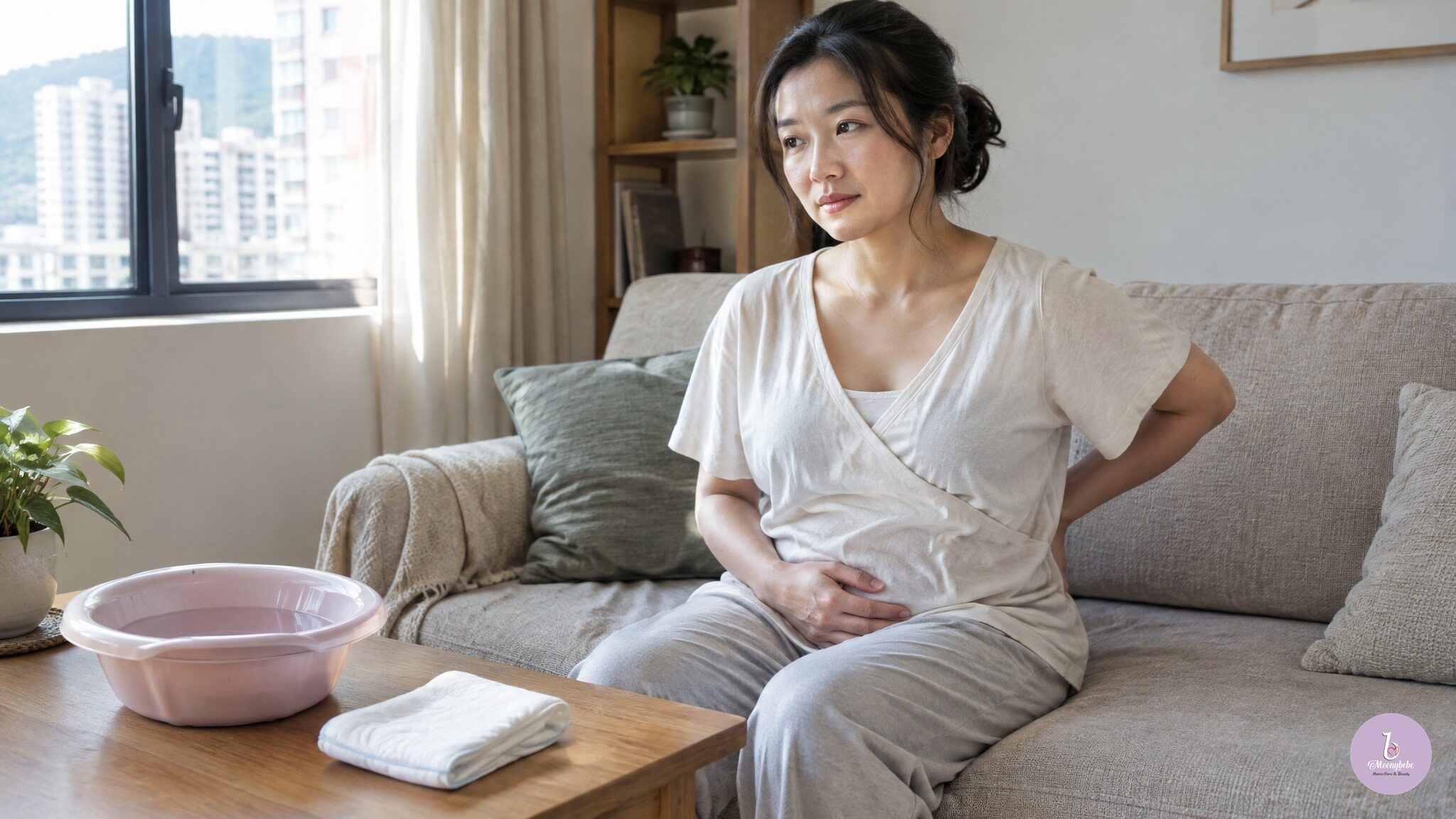
She lives in Richmond Hill and is a first-time mom, about two weeks postpartum. Her husband works during the day, so she’s caring for the newborn on her own. Since giving birth, her lower back and pelvis still ache, and her abdomen feels loose and unsupported.She had to breastfeed every two or three hours at night, so she never got a full night’s sleep. It was the coldest time of year in Toronto, and just the thought of getting the baby dressed in a coat and buckled into the car seat was enough to make her give up on the idea of going out.
Moms like her who search for “confinement services in Richmond Hill” aren’t looking for a luxurious package—they want a way to recover at home with professional care without having to leave the house. If you’d like to learn more about the overall arrangements for confining at home, check out the guide to in-home confining care.
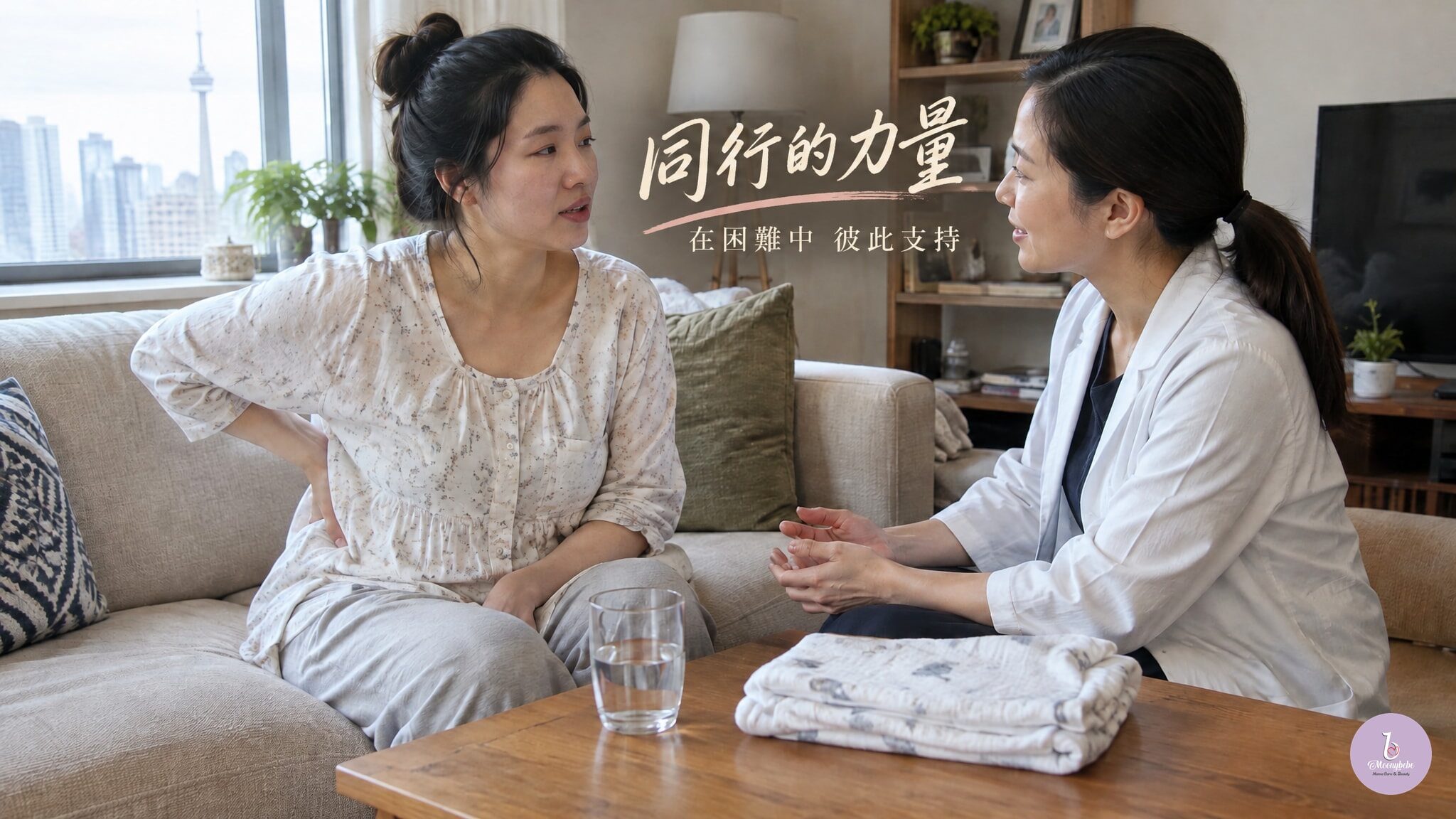
Step 1: Free consultation—explain your situation clearly
She first scheduled a free consultation and explained a few things to the team: approximately how many weeks postpartum she was, whether she had a vaginal delivery or a C-section, her current breastfeeding status, and where she was experiencing the most discomfort in her lower back and pelvis.These details help the team determine where to begin, so jotting down a few notes in your phone’s Notes app before the consultation will make the call go much more smoothly.
Mothers who have had a cesarean section need to take one additional step: Before treatment, a doctor must first assess the condition of the incision. This step cannot be skipped, because until the incision has fully healed, any procedure involving the abdomen must be approved by a doctor.
Step 2: Suggest which service to start with, then schedule a home visit time
After listening to her description, the team will recommend which area to start with based on her needs. In her case, the pelvis and areas related to the abdominal binder will be prioritized. Since every mother’s method of delivery, recovery progress, and breastfeeding situation are different, the treatment plan should be tailored to the individual rather than following a one-size-fits-all approach.
Next came scheduling the appointments. She shared her baby’s current routine with the team and asked them to schedule visits whenever possible during the baby’s naps or right after feedings. That way, she wouldn’t have to leave the house, wait for a ride in the cold, or bring a crying newborn into an unfamiliar environment.Service areas include Richmond Hill, Markham, Toronto, and the Greater Toronto Area.
On the Day of the Home Visit: Assessment, Treatment, and Aligning with Your Baby’s Schedule
When the therapist arrived at the home, she didn’t begin treatment right away. First, she assessed the mother’s physical condition: her postpartum recovery, how her lower back and pelvis felt, and whether her breasts were tender or swollen. After the assessment, the therapist explained the recommended treatment plan and which areas she intended to address during this session. She began only after the mother gave her consent.
During the first session, we’ll focus on the pelvic area and the areas around the abdominal binder—the areas she’s most concerned about. If breast tenderness is already noticeable, the therapist will incorporate a lactation massage right away; there’s no need to wait until the next session.There isn’t much a mother needs to prepare: a quiet, warm room; a set of loose-fitting clothes that are easy to put on and take off; and baby supplies kept within reach so she can tend to her baby at any time. If the baby wakes up during the session and needs to be fed, the treatment can be paused until the mother has finished feeding, and then resumed.
Before the session ends, the therapist will provide instructions on what to do at home, such as proper resting positions, keeping warm, and any physical reactions that may occur over the next few days. The schedule for the next in-home visit will be determined based on her recovery progress and how her body responds—it is not pre-scheduled in advance.
There is one important distinction that needs to be made. If you experience a fever, redness or swelling around a wound, or abnormal bleeding, please see a doctor first to determine the cause before arranging treatment. Home nursing care is designed to support recovery; it cannot replace a doctor’s diagnosis, nor does it guarantee treatment outcomes.
Receiving care at home offers practical benefits: you don’t have to travel with your newborn, you don’t have to disrupt feeding schedules to make it to appointments, and after treatment, you can lie right back down in your own familiar bed to rest.
Richmond Hill In-Home Treatments: Tummy Tuck, Pelvic Correction, Lactation Massage, and Postpartum Acupuncture
Many families are familiar with the practices of abdominal binding and Confinement. Modern in-home treatments build on this tradition of care through professional assessments and more refined techniques. The following four options can be performed individually or in combination, depending on your needs.
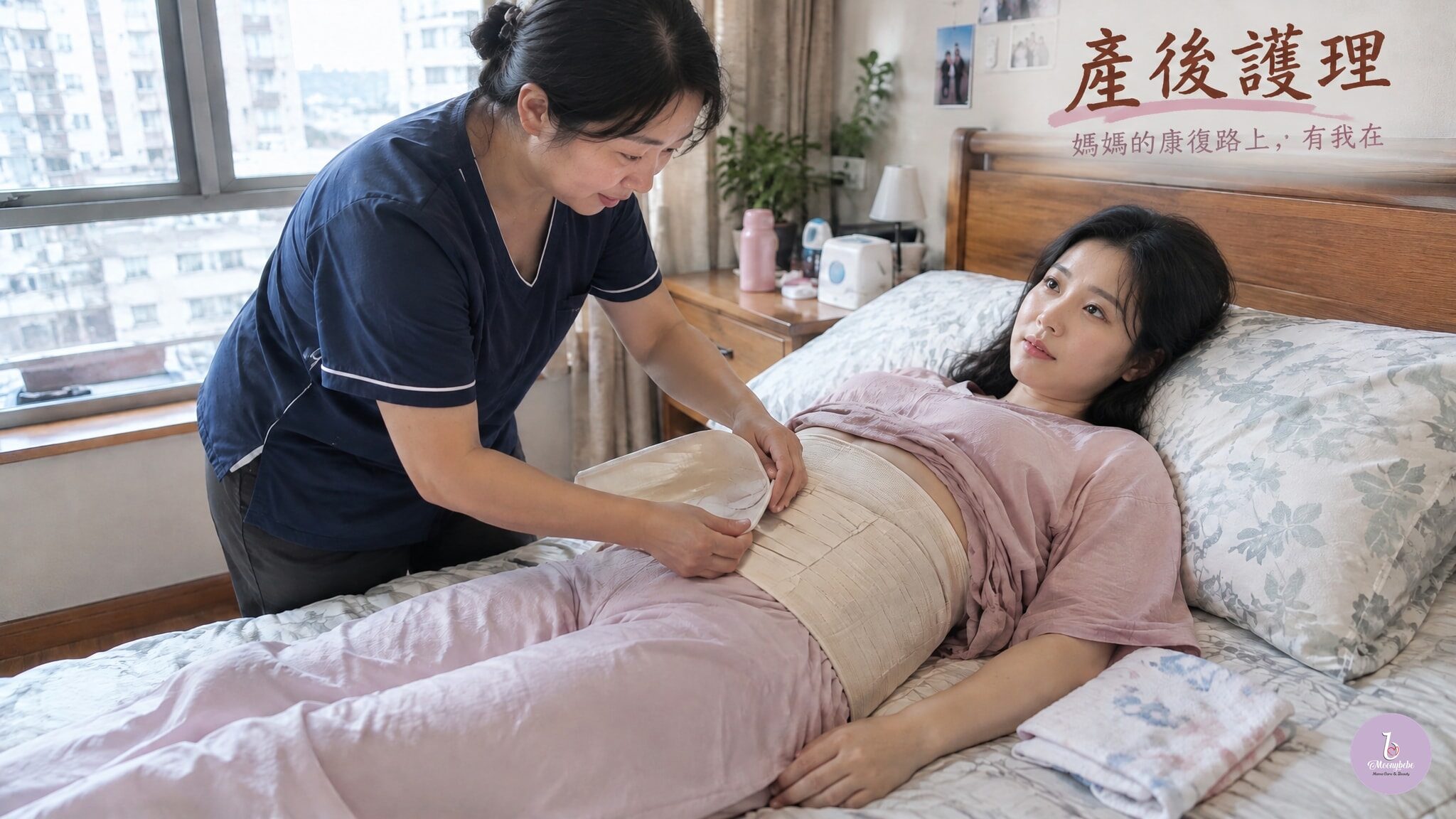
Richmond Hill Postpartum Belly Binding: Traditional Bengkung belly binding
combined with a professional assessment, using traditional Bengkung techniques to wrap the abdomen and provide support for the abdomen and torso.The therapist will adjust the tightness based on your postpartum stage and body shape, and the wearing schedule will be tailored to fit your breastfeeding and bedtime routines.
Read more: A Complete Guide to Safely Wearing a Postpartum Belly Binder at Home
Richmond Hill Pelvic Correction
addresses feelings of instability in the pelvis and lower back after childbirth, helping to stabilize the pelvis and restore postural balance. These sessions are typically scheduled during times when the baby is asleep, and mothers can complete them while lying down.
Read more: Postpartum Pelvic Correction and Postural Balance
Richmond Hill Lactation Massage
relieves the swelling and pain caused by engorgement and blocked milk ducts, helping to reduce discomfort during breastfeeding. If the swelling and pain occur suddenly, please mention this when contacting our team so that the therapist can determine whether to schedule an earlier visit.Lactation massage addresses breast discomfort and is not the same as breastfeeding technique coaching.
Read more: The Difference Between Lactation Massage and a Lactation Consultant
Postpartum acupuncture in Richmond Hill is provided by
acupuncturists who come to your home to regulate your qi and blood and relieve aches and pains. Acupuncture focuses on holistic healing and is often combined with other treatments to gradually restore your body to a state of balance during the period when you’re most exhausted and in greatest need of rest.
Read more: Postpartum Acupuncture at Home
Qualifications of In-Home Therapists and Things to Check Before Making an Appointment
Letting a stranger into your home—especially one with a newborn—means trust is the first hurdle. Moonybebe’s in-home treatments are performed by registered massage therapists (RMTs) and acupuncturists. Our team holds internationally recognized credentials and combines traditional techniques with modern technology.
Qualifications are one thing, but whether it’s right for you is another. Before making an appointment, you can ask the team directly:
- What is the therapist’s professional background?
- Before coming to your home, how will the team assess your postpartum condition?
- How is the treatment plan adjusted as the recovery progresses?
The actual answer will depend on the team’s explanation during the consultation; you can take notes while listening during the call. If you’d like another reference point for comparison, you can review the key points for selecting a postpartum care facility.
This service is not intended for people who wish to use it as a substitute for medical care. If you experience a fever, redness or swelling around a wound, or unusual bleeding, your first step should always be to see a doctor.
When you’re ready, just give us a call: Schedule a free consultation and let our team know that you live in Richmond Hill, how many weeks postpartum you are, and when your baby sleeps best. Based on your situation, they’ll schedule a time for your first in-home visit.
#RichmondHillPostpartumCare #InHomeConfinementCare #PostpartumBellyBinding #BreastMassage #PelvicCorrection #PostpartumAcupuncture #Moonybebe