


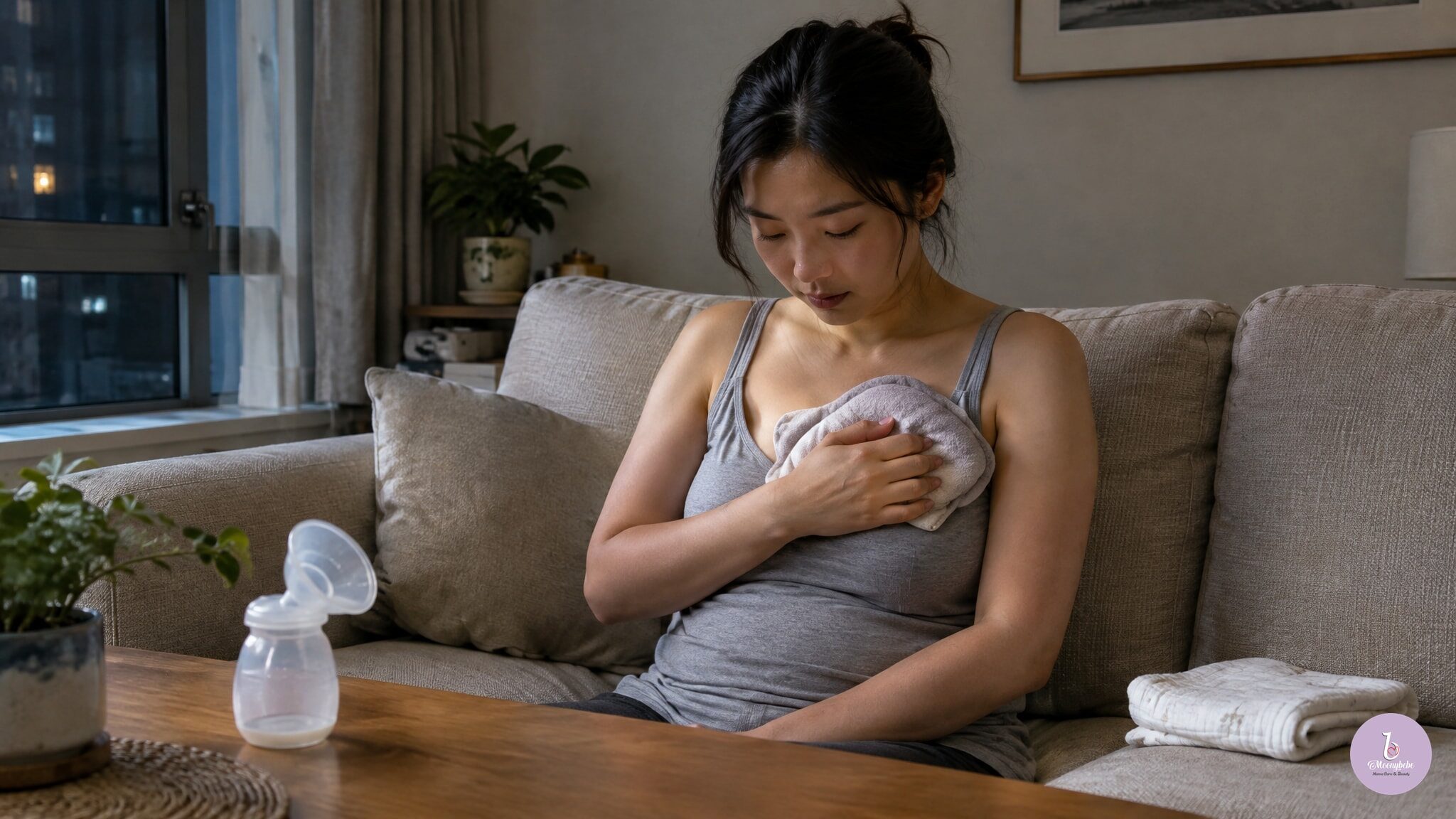
In the third week after giving birth, late at night in Toronto, many new mothers are experiencing similar anxieties: a stinging sensation deep within their breasts, accompanied by a noticeable lump. Even after trying warm compresses and hand expression, the swelling hasn’t subsided—and may even be accompanied by slight redness and severe pain during feedings. At such a physically and mentally exhausting time, information found on search engines often leaves women even more confused, because while “postpartum lactation massage” and “lactation consultant” both seem like potential solutions, they actually represent entirely different approaches and professional scopes. For Chinese families living abroad—who are simultaneously grappling with traditional postpartum confinement beliefs and the pressures of modern parenting—clarifying the difference between these two options is not merely a matter of defining terms; it is a critical decision that determines whether they can safely relieve pain and prevent mastitis from worsening in the shortest possible time. This article does not aim to provide a list of vague definitions; rather, it takes you through a specific decision-making scenario to help you accurately determine—when your body sends warning signals—which pair of professional hands you need most at that moment. Significantly Different Approaches to Treating Breast Engorgement: The Core Differences Between Lactation Massage and a Lactation Consultant—Which Service Should You Prioritize When You Have a Lump in Your Breast? Imagine a new mother living in Markham or Richmond Hill who, three weeks postpartum, is experiencing recurring breast blockages. She has been treating the condition on her own for 24 hours, but the lump has not subsided, and the pain is gradually intensifying. The choice she faces at this point essentially comes down to a decision between “physical clearance” and “functional assessment.” If her problem stems from structural pressure caused by milk stasis—such as localized blockages resulting from prolonged failure to fully empty the breasts or compression from a bra—a lactation massage performed by a registered massage therapist is the targeted solution. This type of service focuses on gentle techniques targeting soft tissues and the lymphatic system, aiming to relieve deep-seated congestion through physical mechanisms rather than merely providing superficial relief. According to Catherine Chow Health’s definition of breastfeeding-related massage, this is a form of registered massage therapy tailored to individual needs, encompassing gentle techniques for the breast and chest soft tissues, lymphatic support, and the treatment of tension in the ribcage and upper back, with the core objective of restoring normal physiological mobility to the tissues. However, if the source of this mother’s blockage is not simply a physical obstruction—but rather the baby’s incorrect latch, inefficient swallowing, or a long-term mismatch between the mother’s feeding rhythm and the baby’s needs—massage alone can only provide temporary relief, and the lumps will quickly return. In such cases, a functional assessment by an internationally certified lactation consultant becomes an indispensable step. They examine the entire dynamic feeding system—from the baby’s oral structure to the details of the mother’s holding position—to identify the root cause preventing effective milk removal. Discussions on the BabyHome forum regarding the differences between the techniques used by lactation consultants and traditional breast massage practitioners have pointed out that traditional hard-kneading techniques may cause excessive compression of breast tissue, leading to injury or mastitis. Modern professional services should employ gentle, low-irritation soft-tissue techniques. This also highlights the importance of verifying whether a provider has a medical background or is registered when seeking services in Toronto. These two professions are not mutually exclusive but play complementary roles at different stages. An abstract from the Southern Medical University Academic Resource Library on the effects of postpartum breast massage and breastfeeding indicates that acupoint massage at different postpartum time points can stimulate the release of prolactin, promote milk secretion, and accelerate the early onset of lactation, illustrating the tangible physiological benefits of physical conditioning. However, if functional corrections are overlooked, physical improvements are unlikely to be sustained. Therefore, when assessing your own condition, be sure to honestly evaluate the nature of your symptoms. If you experience sudden, localized lumps and pain accompanied by shoulder and neck stiffness, a pain-free lactation massage treatment can immediately relieve physical pressure; if you experience chronic, recurring blockages, poor weight gain in your baby, or ongoing difficulties with breastfeeding, you should prioritize seeking a lactation consultant for a systematic assessment. In the Toronto area, many Chinese families are accustomed to combining traditional Confinement practices with modern nursing care. The true balance lies in understanding that “restoring physical health” and “establishing proper function” each have their own distinct and irreplaceable professional boundaries. Only by addressing the root cause can you truly break the vicious cycle of breast engorgement while ensuring the safety of your breast tissue. When to Seek Breastfeeding Counseling and Professional Boundaries Not all breastfeeding difficulties can be resolved through massage alone; recognizing this boundary is the most important safety net for both mother and baby. When nipple wounds show signs of suppuration, breast pain intensifies rapidly within a short period, or the baby’s diaper wetness decreases significantly and weight gain falls below standard levels—these are red flags requiring immediate evaluation by a lactation consultant or other qualified healthcare professional, rather than relying solely on massage. MoonyMama’s guidelines for lactation services targeting new Chinese families in Toronto specifically emphasize that such situations often involve potential infection risks or imbalances in overall feeding strategies, requiring systematic observation and documentation; a single session of physical therapy cannot replace clinical diagnosis and long-term follow-up. You may find yourself in a dilemma: you feel relief immediately after a massage, but within half a day, you’re back to square one—or worse, the tissue becomes even more sensitive and fragile due to repeated improper stimulation. This is your body’s way of telling you that the root of the problem isn’t “blockage,” but rather “incorrect technique.” The professional value of a lactation consultant lies in their ability to identify the structural or behavioral factors hidden behind the symptoms. For example, does the baby have a short frenulum causing ineffective sucking? Is the mother’s milk ejection reflex being inhibited by postpartum anxiety? Or is the current feeding frequency simply mismatched with the baby’s stomach capacity? These issues cannot be resolved through physical examination alone; they must be clarified through a detailed medical history, on-site observation of feeding, and analysis of growth charts. If you are seeking related support in Toronto, please be sure to verify that the service provider holds international certification or locally recognized professional credentials. Only fully trained consultants can provide safe, evidence-based medical advice while respecting your cultural background and personal preferences. This professional distinction is not meant to dismiss the value of lactation massage, but rather to ensure that every mother receives the assistance best suited to her current situation at the right time, thereby avoiding greater physical and emotional costs resulting from delayed medical care or overreliance on a single therapy. From Professional Intervention to Daily Maintenance: Building a Sustainable Breastfeeding Support System—Linking the Effects of Lactation Massage with Home Care Whether you ultimately choose lactation massage or breastfeeding counseling, the ultimate goal of professional intervention should be to help you regain the ability to care for yourself, rather than creating long-term dependence. An effective service should not merely provide temporary relief during treatment but should also include comprehensive health education—teaching you how to recognize early signs of blockages, master the correct timing for warm compresses and massage, and clearly understand when to seek help again. In a city as vast as Toronto, new families often need to consider transportation and physical strain when scheduling services. As a result, many professional teams offer in-home services, allowing mothers to receive care in a familiar environment while learning how to apply these techniques in their daily lives. If you’re comparing different providers, consider consulting this guide to recommended postpartum lactation massage services in Toronto to understand how local services actually operate and read customer reviews—this will help you make a confident decision far more effectively than simply comparing prices. Trust and professional transparency are the most crucial factors when choosing postpartum care services. Before booking an appointment, you should proactively verify whether the therapist is registered and holds international certifications. Also, observe whether they are willing to take the time to listen to your full situation, explain the rationale behind each step of the procedure, and tailor the treatment plan to your individual constitution. Choosing a certified professional team is not only about technical expertise but also about ensuring the entire care process complies with safety regulations and ethical standards. Postpartum recovery is a holistic journey, and breastfeeding issues are often intertwined with sleep deprivation, nutritional imbalances, or emotional stress. If you need more than just a single lactation massage or consultation—but rather more comprehensive professional Confinement care support at home—you should also factor this into your overall plan. True professionalism means that when you leave the treatment room, you continue on your journey armed with knowledge and confidence, rather than returning home with new anxieties. #PostpartumLactationMassage #LactationConsultant #TorontoConfinementCare…
Belly Binding Prices in Toronto: Market Rates and Plan Comparisons
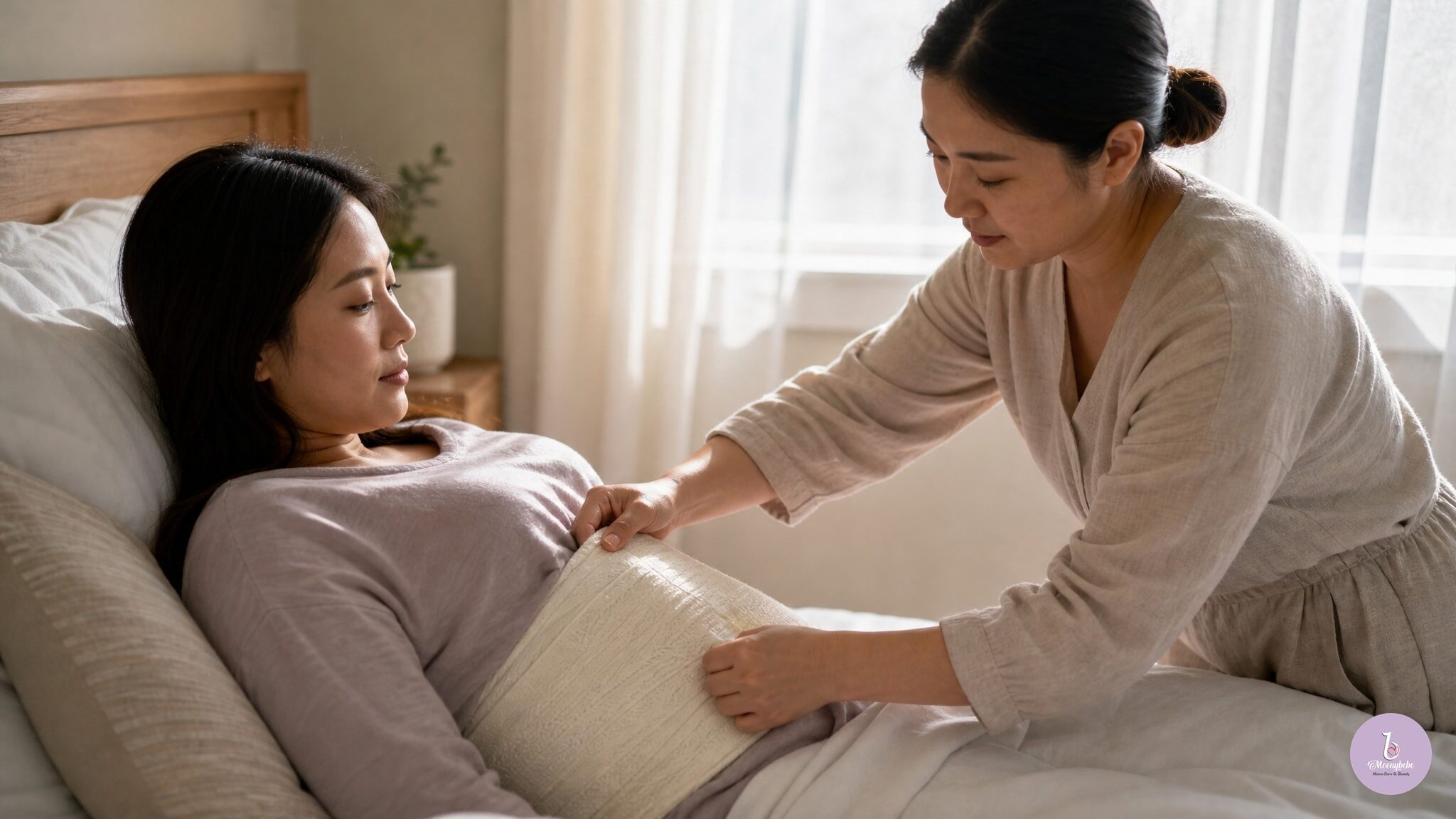
When searching for postpartum belly binding services in Toronto, many new mothers find that information about prices for “belly binding in Toronto” is extremely scarce online, often leaving them at a loss when comparing different providers. This lack of transparency is no accident. Professional postpartum belly binding is not a standardized service; pricing is heavily influenced by variables such as the therapist’s qualifications, the scope of in-home services, and the specifics of the treatment plan. For mothers who have just given birth and are in a critical recovery phase, focusing solely on the lowest price may cause them to overlook the professional costs associated with safety and effectiveness, potentially leading them to choose a service that is merely superficial and lacks substantive care. Understanding the logic behind pricing can help you find truly effective support within your budget. This article provides an evaluation framework to help you shift your focus from simply comparing prices to assessing the actual value of the service, and explains how to choose between a single session and a full treatment program. It also offers specific guidelines for requesting quotes to help you find a trustworthy professional partner during this important recovery phase. Key Factors Affecting the Cost of Postpartum Belly-Tightening in Toronto and How to Evaluate Value When a new mom living in Markham begins planning her postpartum recovery, she often faces a confusing market: some quotes are extremely low, while others are several times higher, yet websites rarely explain what accounts for these differences. As a result, the cost of postpartum belly binding has become an elusive concept, as it encompasses a wide range of services—from purely physical labor to highly specialized, medical-grade care. To break down this cost structure, one must first understand this: professional Bengkung belly binding is not simply wrapping the abdomen; it requires a trained therapist to dynamically adjust the technique based on the progress of postpartum uterine recovery and the degree of rectus diastasis. This explains why services provided by practitioners with RMT or international certifications cost more than standard cosmetic abdominal binding. This means that part of what you pay is for “safety judgment.” Practitioners without professional training in anatomy may be unable to assess the severity of rectus diastasis and could apply improper pressure during the wrapping process, which could be counterproductive to the recovery of the fragile postpartum pelvic floor muscles and the repositioning of internal organs. Therefore, when you see a quote that is significantly below market rates, you should be cautious—it may omit necessary assessment steps or be performed by unlicensed practitioners. The risks associated with such low prices often far outweigh the apparent savings. In addition to professional credentials, the service location also affects the final price. In Toronto and the GTA, pricing for in-home postpartum belly-binding services typically reflects the therapist’s commute time to and from locations such as Richmond Hill or Markham, as well as the cost of transporting professional equipment—these are key pricing components that distinguish studio-based services from in-home care options. For new mothers who have just given birth, are unable to leave the house, and must care for their newborns around the clock, in-home services offer irreplaceable convenience and peace of mind—but this convenience does come at the cost of the therapist’s time and transportation expenses. If you live in a remote area or your appointment falls during rush hour, a fee adjustment is a reasonable reflection of this additional effort. You should also note whether the treatment includes additional assessments and health education guidance, as this is often the dividing line between a “one-time service” and “comprehensive recovery support.” High-quality postpartum belly-binding services go beyond simply wrapping a cloth band; they also involve checking pelvic alignment, wound healing, and breastfeeding posture before and after each session, as well as teaching you how to maintain the binding’s effects at home and perform gentle core-strengthening exercises. Although this tacit knowledge transfer and individualized adjustments aren’t listed separately on the price list, they are the cornerstone of long-term recovery results. At Moonybebe, postpartum belly-binding treatments are performed by licensed massage therapists and acupuncturists who integrate traditional belly-binding techniques with modern anatomical assessments, ensuring the service balances cultural heritage with medical safety standards. This integrated care is specifically designed to address new mothers’ dual needs for professionalism and peace of mind. The most common issue with low-cost services isn’t the technique itself, but rather a lack of follow-up care and hygiene awareness. Professional establishments use dedicated or strictly sterilized abdominal binding equipment and record your physical changes after each session to adjust their approach—rather than mechanically repeating the same set of movements. When evaluating value for money, be sure to factor in these invisible details—they directly determine whether your recovery journey will be one of peace of mind or one fraught with anxiety. …
Recommended Postpartum Care Providers in Toronto: How to Choose a Certified Professional Team
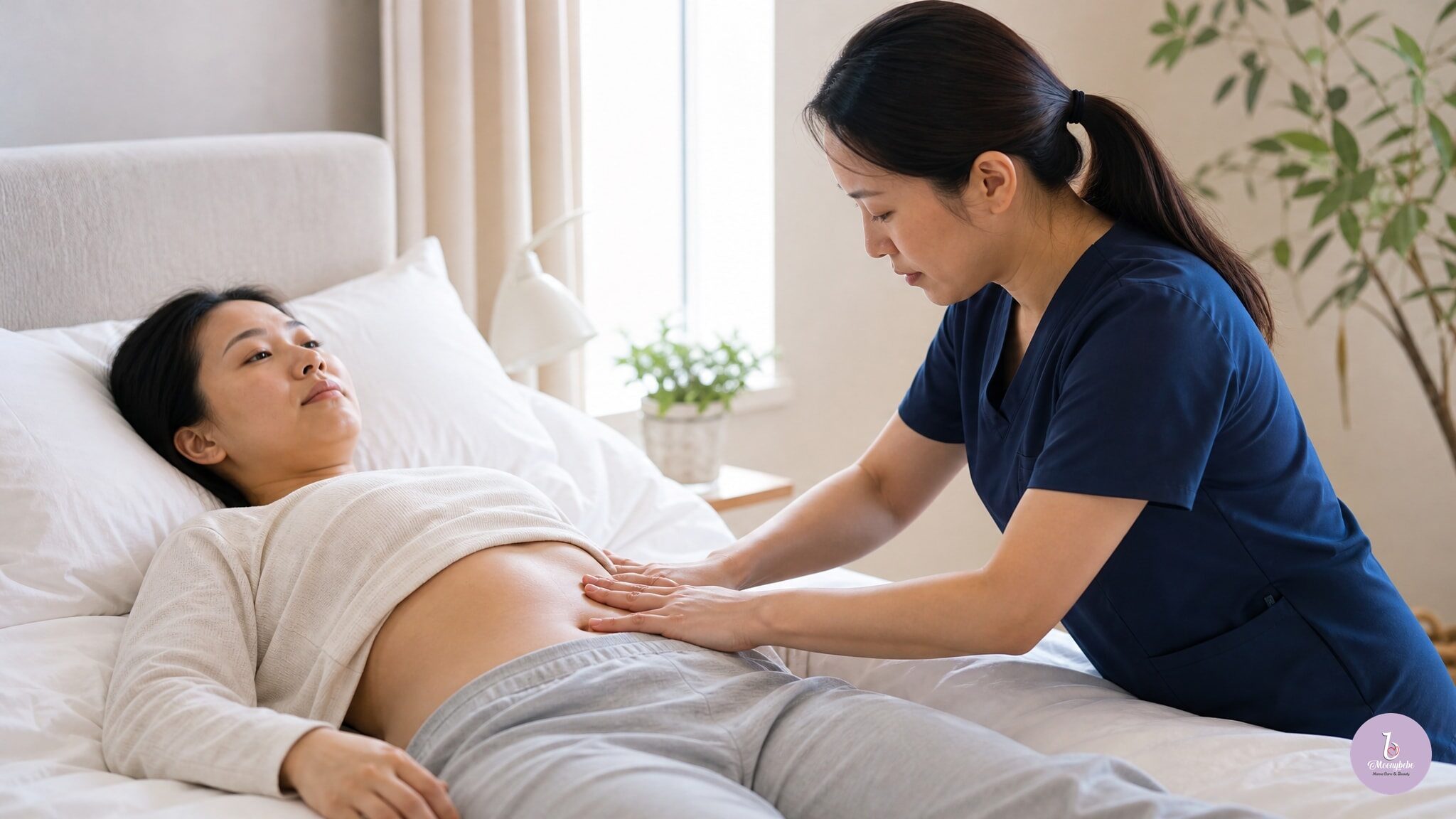
Behind the joy of becoming a new mother, the body often endures unseen stress and pain. When searching for a list of recommended postpartum care providers in Toronto, many new mothers easily find themselves overwhelmed by information overload. While there are numerous service providers online, it can be difficult to determine who truly possesses the professional expertise to handle the complex physiological changes that occur after childbirth. This is not only about the speed of recovery but also directly impacts long-term physical and mental health, as well as the quality of parenting. Choosing the right care team isn’t simply a matter of comparing prices or years of experience; it requires an understanding of the certification standards within Ontario’s healthcare system and how these qualifications translate into tangible support for your physical recovery. True professional postpartum care is grounded in medical training, not merely traditional experience or word-of-mouth recommendations. As you evaluate different options, shift your focus from “who has cared for the most babies” to “who best understands the anatomical changes in the postpartum body.” This guide aims to help you cut through the marketing hype and identify a team of experts who truly combine modern medical certifications with Eastern wellness wisdom, ensuring your postpartum recovery journey is safe, scientifically grounded, and stress-free. Identifying Key Certifications and Qualifications on Toronto’s List of Recommended Postpartum Care Providers When seeking postpartum recovery services in Ontario, clarifying the distinction between medical-grade certifications and general care qualifications is the first step in protecting your rights. The “postpartum caregivers” or “postpartum attendants” commonly found in the market primarily provide support with daily living tasks such as newborn care, preparing Confinement Meals, and household chores. While they can alleviate a family’s daily burdens, their training background typically does not include human anatomy, pathology, or clinical treatment techniques. In contrast, Registered Massage Therapists (RMTs) must complete at least 2,000 hours of accredited coursework and pass a national certification exam to practice. Their scope of practice explicitly includes medical interventions such as soft tissue injury repair, improvement of joint range of motion, and nervous system regulation. Based on the scope of practice for RMTs and clinical knowledge of postpartum rehabilitation, professional postpartum recovery differs from general household care and requires anatomical knowledge to address physiological changes such as pelvic misalignment and diastasis recti. This is also the key distinction between medical-grade care and standard postpartum care services. Differences in Roles Between Registered Massage Therapists and General Postpartum Care Providers Consider a first-time mother who has just undergone a cesarean section or vaginal delivery and is experiencing severe pelvic pain or recurring breast engorgement. If she relies solely on a traditional postpartum care provider at this time, she is likely to receive mostly heat therapy, dietary adjustments, or emotional support. While these measures can alleviate discomfort, they cannot provide structural correction for misaligned joints or blocked milk ducts. A nurse certified as a Registered Massage Therapist in Ontario can, based on a palpation assessment, determine whether the source of pain stems from symphysis pubis diastasis, sacroiliac joint dysfunction, or scar tissue adhesions, and intervene using manual therapy, lymphatic drainage, or specific exercise prescriptions. This biomechanics-based approach addresses the root cause of the problem rather than merely masking the symptoms. The Moonybebe team, composed of Ontario-registered massage therapists (RMTs) and registered acupuncturists, integrates traditional Bengkung abdominal binding techniques into a clinical care framework, ensuring that the care process complies with medical safety standards. This dual-certification model is particularly important in Toronto’s Chinese community, as it both respects the importance placed on “Confinement” and abdominal warmth in Chinese culture and validates, through modern medicine, the supportive role of abdominal binding in stabilizing core muscles and repositioning internal organs. When traditional wisdom is integrated into regulated medical practice, you gain not only a sense of cultural familiarity but also traceable, explainable therapeutic outcomes. Choosing a nurse with RMT certification also means your treatment may be eligible for reimbursement under extended health insurance plans. Many employers in Canada offer group benefit plans that cover registered massage therapy services, so high-quality postpartum recovery is no longer an expensive, out-of-pocket luxury but rather a legitimate medical expense that can be incorporated into your family’s health planning. When comparing massage therapists’ credentials, be sure to verify that they have a valid Ontario registration number and ask if they are familiar with specific postpartum contraindications, such as the risk of deep vein thrombosis or protocols for managing the healing phase of a cesarean section incision. Postpartum care certification should not merely be a certificate hanging on the wall; it should serve as a safety net you can fully trust during a vulnerable time. This type of medical-grade postpartum care is not a panacea, nor can it replace an obstetrician’s diagnosis and treatment of acute complications. If red flag symptoms such as fever, abnormal bleeding, or severe emotional distress arise, seek medical attention immediately rather than relying on massage or abdominal binding. Its core value lies in bridging the gap between the healthcare system and home recovery, providing professional support for functional issues that do not meet the criteria for a medical diagnosis but significantly impact quality of life. Indicators for Evaluating the Quality of In-Home Services and Authentic Postpartum Service Reviews After verifying a provider’s professional qualifications, the next step is to assess the actual quality of service and the specifics of their practice. When reviewing postpartum service evaluations, it’s advisable to look beyond the overall star rating and carefully read the descriptions of specific treatments in the reviews. A valuable review will mention how the nurse handled specific issues, such as “lower back pain was significantly reduced after the abdominal binding,” “the breast massage technique was gentle and effectively cleared lumps,” or “the care of the C-section scar was handled with great care.” These details better reflect a nurse’s clinical competence than simple statements like “friendly attitude” or “very punctual.” At the same time, pay attention to whether the reviews mention hygiene standards, such as hand sanitization before and after treatment, the frequency of sheet changes, and the cleanliness of any tools the nurse brings. These factors are particularly critical in a home setting, as your bedroom does not have the standardized infection control protocols found in a clinic. Trust in communication is also a crucial aspect of the evaluation. The postpartum body is extremely private and sensitive; whether the nurse can clearly explain the purpose of each step before touching you, respect your feedback on pain, and adjust the intensity of the treatment as needed directly determines the safety and comfort of the treatment. Moonybebe offers in-home services covering Toronto, Markham, and Richmond Hill, allowing new mothers to receive professional postpartum recovery treatments—which combine traditional methods with medical aesthetics—without having to leave home. This model reduces the physical strain of travel on your weakened body, while allowing the nurse to observe your natural posture and habits in the environment where you feel most relaxed, thereby providing health education advice that is better tailored to your daily life. If you still have concerns about the home care process, you can read our Guide to Confinement Home Care Services in Toronto, which details everything from scheduling appointments and preparing your home to post-treatment precautions. This guide will help you set realistic expectations and ensure both parties are on the same page regarding safety and privacy. High-quality in-home care isn’t simply about bringing the clinic into your home; it’s about maintaining clinical-level professional standards while giving you the dignity and sense of control to recover comfortably in your own home. Starting with Your Needs: Finding the Right Postpartum Recovery Specialist for You Every mother’s postpartum journey is unique, so there is no one-size-fits-all solution. Before contacting the care team, please take a few minutes to identify your most pressing needs at this time. Is it persistent stinging pain caused by poor wound healing? Anxiety and exhaustion resulting from breastfeeding difficulties? Or low self-esteem triggered by postpartum body changes? Clearly identifying your concerns will help you communicate more effectively during the consultation and allow the nurse to prepare the appropriate assessment tools and treatment plan in advance. For example, if your main concern is a feeling of instability in the pelvic area, you can proactively ask the nurse if she has experience with postpartum pelvic realignment services and ask her to explain the specific rationale behind her assessment and intervention. Preparation Before Scheduling a Consultation and Recommendations for Finding the Right Practitioner The consultation is a key opportunity for you to determine whether the nurse is truly the right fit for you. In addition to verifying basic qualifications and insurance coverage, we recommend that you proactively ask the following questions: How many cases similar to your current condition has she handled in the past? If you feel discomfort during treatment, how will she adjust the approach? Will she provide guidance on self-care at home to prolong the therapeutic effects? These questions not only provide information but also allow you to gauge whether the practitioner’s professional attitude and communication style put you at ease. If special therapies such as acupuncture or skin repair are involved, you may also refer to the safety guidelines for prenatal massage mentioned in the safety guidelines as a basis for discussion. …

Postpartum Body Contouring Treatments in Toronto: Combining Tradition and Technology to Sculpt the Body
Toronto moms who have just finished their postpartum recovery period often feel conflicted when they look in the mirror: they long to regain their pre-pregnancy figure, yet worry that strenuous exercise might harm their bodies, which haven’t fully healed yet.This internal conflict is very common in the early postpartum period, especially when concerns about diastasis recti and organ prolapse remain unresolved; blindly pursuing weight loss may actually exacerbate the damage. Moonybebe’s MaMa’s Sculpt and Glow Pro treatment combines the physical support of the Bengkung abdominal wrap with deep tissue stimulation from modern equipment in a single in-home session. A registered therapist will dynamically adjust the treatment parameters based on the number of weeks since childbirth.This is not a typical gym-based weight-loss class, but rather a recovery program designed specifically for the postpartum body, allowing you to regain physical stability and confidence with peace of mind while caring for your newborn. The Principle of Dual-Action Collaboration Between Traditional Abdominal Binding and High-Tech Body-Sculpting Devices The core of postpartum body sculpting lies in prioritizing recovery over weight loss—this is what distinguishes Toronto’s postpartum body-sculpting treatments from ordinary beauty or fitness services.Many new mothers believe that abdominal binding is merely for aesthetic purposes, overlooking its fundamental role in postpartum physiological recovery; conversely, relying solely on technological devices without physical support often fails to achieve deep restorative results. Traditional Bengkung abdominal binding techniques serve as an indispensable foundation in the treatment, providing continuous and gentle physical compression through the wrapping of long strips of fabric.This technique aids in uterine involution and the expulsion of lochia; more importantly, it provides external support for the relaxed abdominal wall muscles and displaced internal organs, preventing further sagging due to gravity. Only when your abdomen feels securely supported can the deep core muscles reconnect in a safe environment.This is a passive protective mechanism that no high-tech device can replace on its own. If you’d like to learn more about this technique, please refer to the comprehensive guide to traditional postpartum belly-binding home services, which details the multiple benefits of belly-binding for postpartum recovery. Only after traditional abdominal binding has established a solid physical foundation can modern technological body-shaping devices deliver precise, deep-tissue restoration, targeting tissues that are difficult to reach with manual massage.These devices typically utilize radiofrequency or electromagnetic pulse technology to penetrate the epidermis and reach deep muscle and fascia layers, promoting collagen regeneration and activating dormant muscle fibers.For the rectus abdominis muscles that have been stretched during pregnancy, this non-invasive energy stimulation accelerates the process of closing the gap while simultaneously improving skin laxity and cellulite caused by hormonal changes during pregnancy.Technological devices overcome the limitations of traditional manual techniques in terms of depth and longevity, ensuring that postpartum body contouring treatments go beyond superficial firming to achieve true, deep structural functional recovery. These two approaches do not operate independently within the same treatment but rather work in a complementary and symbiotic dual-action synergy.Postpartum body contouring should prioritize tissue repair and functional recovery over mere fat reduction; this is why the involvement of registered massage therapists and acupuncturists ensures the safety of treatments during breastfeeding and the postpartum lochia period.They will conduct a detailed assessment before treatment and select tools based on your specific condition. The therapist will first stabilize the core area with an abdominal wrap, then adjust the energy intensity of the devices according to your body’s real-time response to avoid discomfort caused by overstimulation.This integrated approach, combining Eastern and Western practices, is particularly suited to the physiological needs of Asian mothers. It preserves the emphasis on warmth and wrapping found in the Confinement tradition while incorporating modern medical understanding of anatomical structures.If pelvic stability is also a priority for you, postpartum pelvic correction and postural balance services can complement body-shaping treatments, enhancing the restorative effects from a holistic perspective. What specific restorative benefits do these combined treatments offer for diastasis recti and pelvic stability?They simultaneously address two common postpartum issues: “insufficient support” and “difficulty in activation.” The abdominal binder provides immediate external support to reduce strain on the ligaments, while the equipment stimulates the active contraction of deep muscles; performing both simultaneously enhances the efficiency of recovery.When combined with postpartum acupuncture to regulate qi and blood and relieve aches and pains, it also helps regulate qi and blood circulation from within, further optimizing the microenvironment for tissue repair. In-Home Services and Customized Treatment Protocols Mothers raising newborns in Toronto, Markham, and Richmond Hill often find it difficult to be away from home for extended periods.This is precisely why Moonybebe offers in-home services in Toronto, Markham, and Richmond Hill—so mothers can receive professional abdominal binding and tech-assisted body contouring treatments without having to leave their babies.Postpartum emotional relaxation is closely linked to treatment effectiveness, and receiving care in the comfort of your own bedroom can significantly reduce the stress associated with traveling to and from a clinic. You won’t have to navigate the cold wind or sweltering heat while pushing a stroller to and from the clinic, nor will you have to worry about your baby’s crying disturbing others.This sense of security in your own environment is, in itself, part of the healing process. The entire in-home service process is designed to accommodate the rhythm of a new mother’s life. During the initial consultation, the therapist will ask about your method of delivery, the status of your incision healing, breastfeeding frequency, and current sleep quality—information that forms the foundation for creating a personalized plan.Everyone’s postpartum recovery process is different; there is no one-size-fits-all standard. The therapist will bring sterilized portable equipment to your home and lay out professional treatment pads in the spot where you feel most comfortable, ensuring both hygiene and privacy.If your baby needs to be fed or soothed during the session, the treatment will naturally pause to accommodate this, so you won’t face the dilemma of choosing between “continuing the treatment or tending to your child.” The essence of customization is further reflected in the dynamic adjustments made during the session.A registered therapist will constantly monitor your facial expressions and physical reactions. If tenderness in a specific area or abnormal milk secretion is detected, the therapist will immediately reduce the device’s intensity or adjust the tightness of the abdominal wrap. This real-time feedback is something a machine with a fixed program cannot provide—and it is precisely what makes in-home professional services so valuable.For example, mothers who have had a cesarean section may have sensitive nerve areas around their scars. The therapist will avoid that area or treat it with lower energy levels, stimulating the surrounding tissue without interfering with wound healing.Similarly, if you’re experiencing heavier lochia flow, the treatment will be adjusted to a gentler lymphatic drainage mode rather than intense deep tissue stimulation. Choosing in-home services also means you’ll benefit from a continuous care relationship.Regular visits from the same therapist or a consistent treatment team help build trust: they remember the exact location of the lower back pain you mentioned last time and understand your baby’s daily routine. This sense of being remembered and understood provides immeasurable emotional support for new mothers, who often feel isolated and helpless after childbirth.Knowing that a professional comes to your home at a set time each week, dedicated to helping you recover, provides a sense of security that gradually eases your tension and enhances the overall quality of your recovery. This is not merely a physical treatment; it is a period of gentle support and companionship during this transitional phase. Safe Timing and Expected Results for Postpartum Body Contouring The timing for starting a postpartum body contouring regimen must be carefully assessed, as the safe window differs between mothers who had a vaginal birth and those who had a cesarean section.Generally speaking, mothers who had a vaginal delivery can begin mild abdominal binding and low-intensity device treatments approximately four to six weeks postpartum, once lochia has turned pale and there are no signs of infection at the incision site; mothers who had a cesarean section, however, must wait at least eight to twelve weeks and receive confirmation from an OB-GYN that internal wounds have healed properly before proceeding.These timeframes are for reference only; a face-to-face assessment by a registered therapist is essential before proceeding, as tissue repair rates vary significantly from person to person, and starting treatment too early may actually delay the healing process. When performed correctly and at the appropriate time, treatments that combine traditional methods with technology are highly safe for breastfeeding, uterine recovery, and pelvic stabilization.Therapists are professionally trained to avoid areas of dense mammary tissue and sensitive acupoints, ensuring that the device’s energy does not affect milk production or quality. On the contrary, appropriate relaxation of the back, shoulders, and neck can alleviate muscle tension caused by breastfeeding positions, indirectly promoting smooth milk flow.As for uterine recovery, gentle abdominal compression and deep heat therapy help promote uterine contractions and the expulsion of lochia; provided the acute inflammatory phase is avoided, this poses no risk.Regarding the pelvis, the stable support provided by the abdominal binder can reduce misalignment pressure on the sacroiliac joints, creating favorable conditions for subsequent pelvic realignment. Please set reasonable expectations for your recovery. These treatments are not magic; they will not return you to your pre-pregnancy weight in just a few sessions.Its true value lies in the improvement of functional indicators: you’ll notice a significant reduction in lower back pain, feel more core strength when holding your baby, and experience the sagging, hollow sensation in your abdomen gradually replaced by a firm sense of support. If your pants won’t button, it’s no longer due to fat, but because your pelvis hasn’t yet returned to its proper alignment.These subtle yet tangible changes are the true signs of successful postpartum body sculpting. …
Is Self-Testing for Diastasis Recti Reliable? When Should You Consult a Professional?
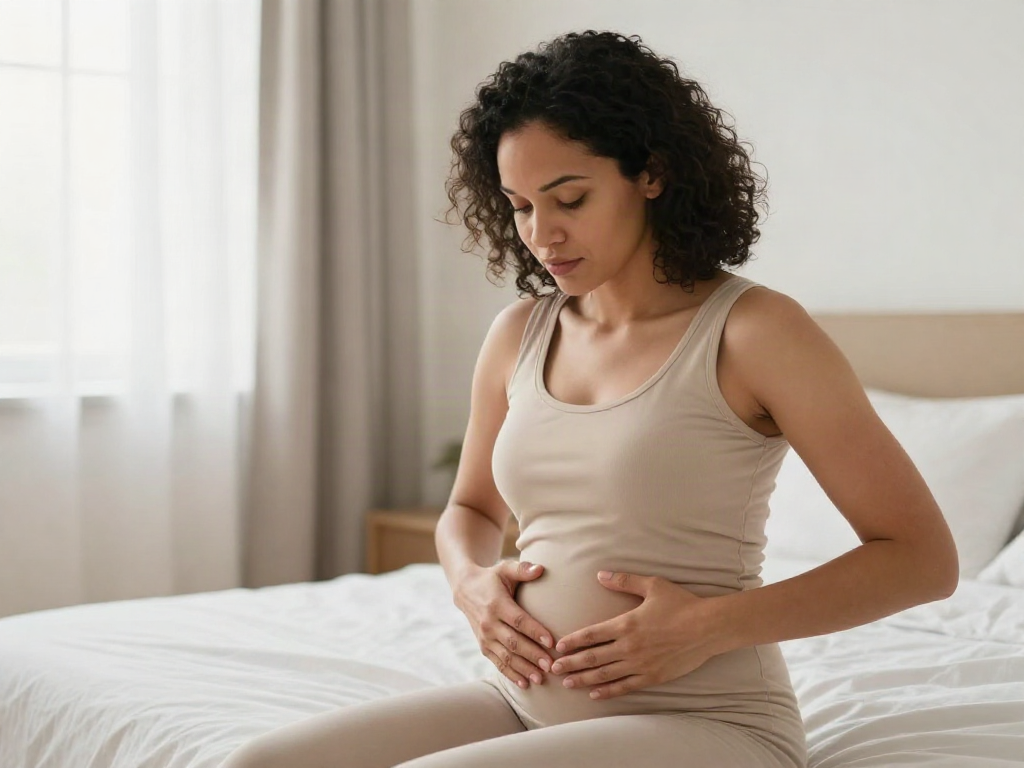
Many mothers ask us after giving birth: “Do I have diastasis recti?” It can be worrying to notice a ridge or bulge down the centre of the abdomen when sitting up, standing, or exerting yourself. Howev
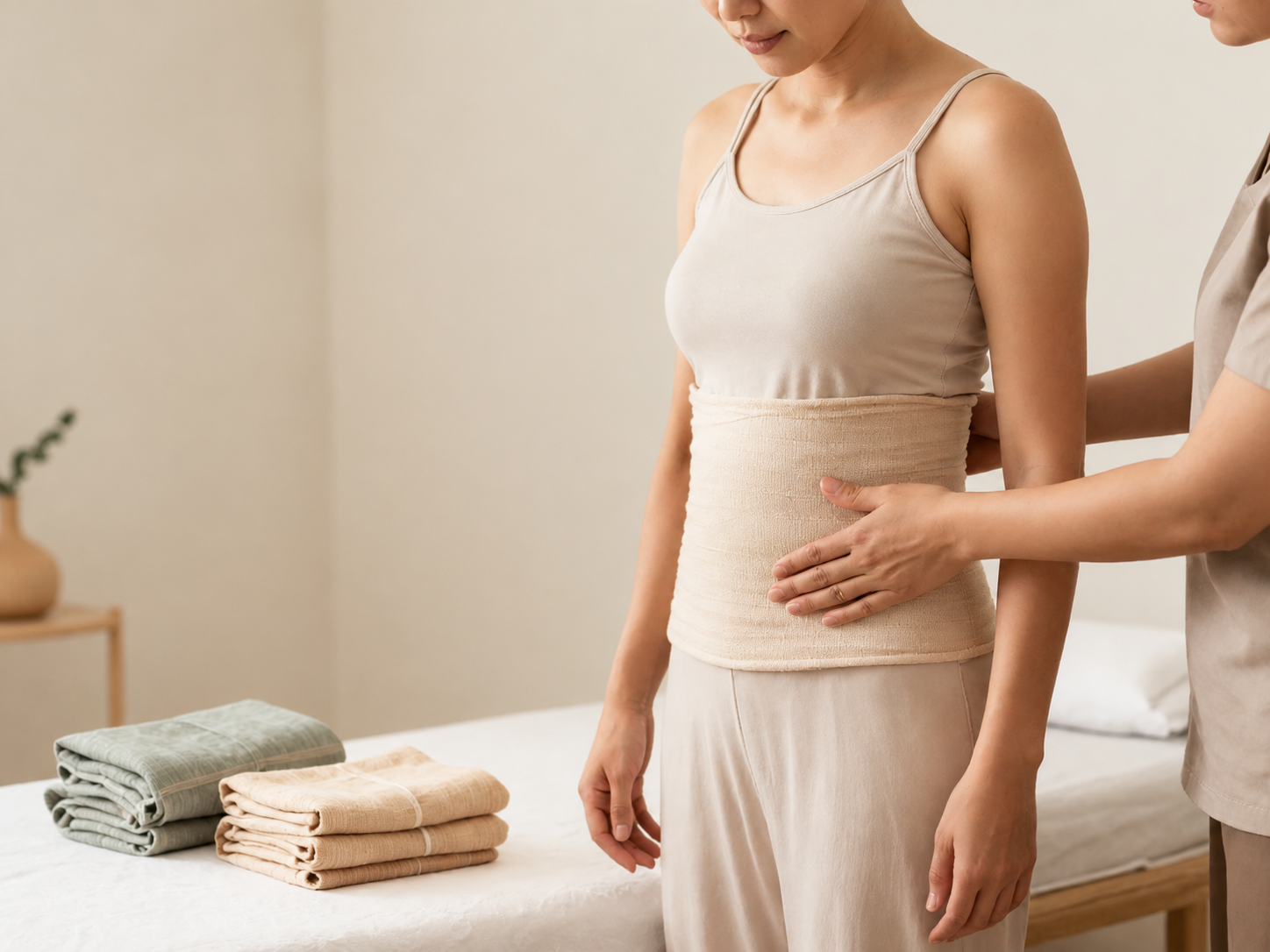
What Is the Difference Between Indonesian Jamu Belly Binding and Malaysian Bengkung Belly Binding?
At Moonybebe, mothers often ask us, “What is the difference between Indonesian belly binding and Malaysian belly binding?” and “Which one provides faster results—Jamu or Bengkung?” In reality, both tr
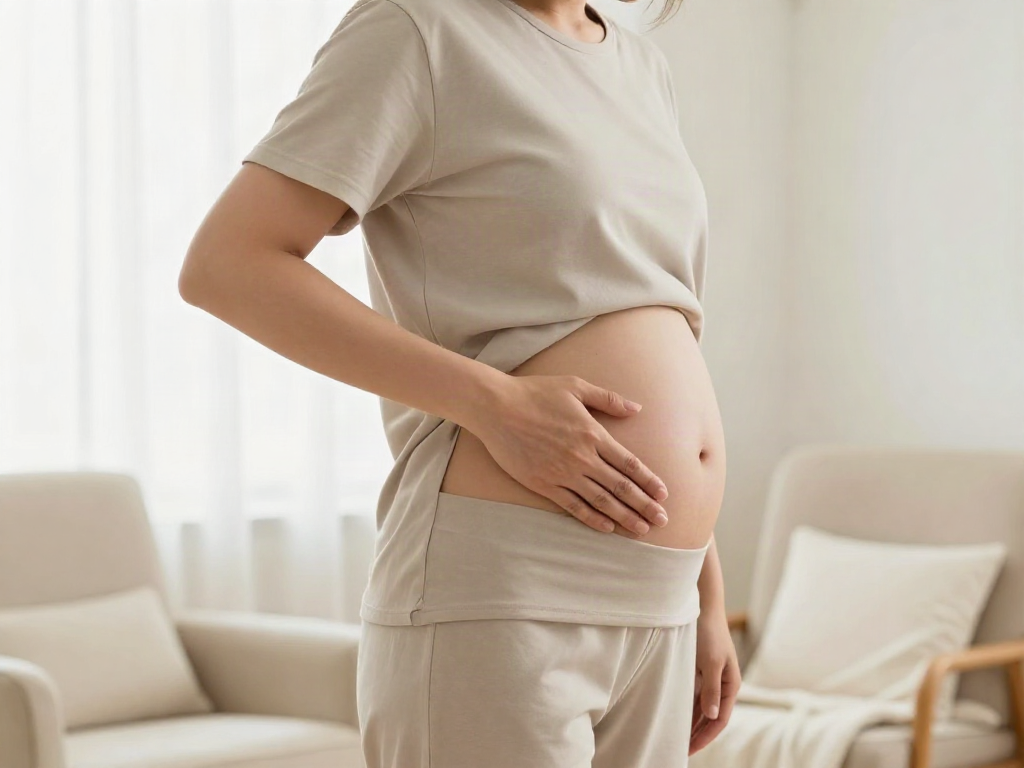
Is a Large Belly After Giving Birth Really Just Fat?
At Moonybebe, we often hear postpartum mothers ask, “Why is my belly still so big after giving birth? Is it simply because I’ve gained weight?” Some mothers feel anxious about their changing bodies an

Can Stretch Marks Disappear Completely? Setting Realistic Expectations
At Moonybebe, mothers often ask us, “Can stretch marks disappear completely?” and “After giving birth, can professional care restore my skin to the point where there are no visible marks at all?” We u

Why Does Postpartum Swelling Take So Long to Go Away? What Can You Do to Improve It?
At Moonybebe, mothers often ask us, “My feet and ankles are still swollen after giving birth. Is this normal?” and “Why hasn’t the swelling completely gone away even after my postpartum recovery perio

Are a Wider Pelvis, Lower-Back Soreness, and Poor Posture After Childbirth Connected?
At Moonybebe, we often hear postpartum mothers say, “My pelvis feels wider after giving birth,” “My lower back becomes sore when I stand for too long—does that mean my pelvis is misaligned?” or “My ab

Why Haven’t You Lost the Baby Weight Yet?
👉 Your body cannot simply reset at the push of a button after childbirth—it needs time to recover. “Your baby was born months ago. Why haven’t you lost the weight yet?” It may sound like a harmless qu

Every mother’s efforts deserve to be seen.
During the first pregnancy, because of the great changes in the body, I felt weak even when I got up. My husband was so careful and deliberately installed handrails at the bedside to facilitate daily